Saturday, October 24, 2026
Home Blog Page 4

War Legal Limits: Can U.S. Strikes on Iran Be Justified Under International Law and the War Powers Act?

The legality of the recent U.S. military strikes on Iran has become one of the most contested legal questions in global politics, raising complex issues under both international law and U.S. domestic constitutional law. Under the United Nations Charter, the use of force against another sovereign state is generally prohibited unless it is authorized by the UN Security Council or justified as self-defense against an actual or imminent armed attack.
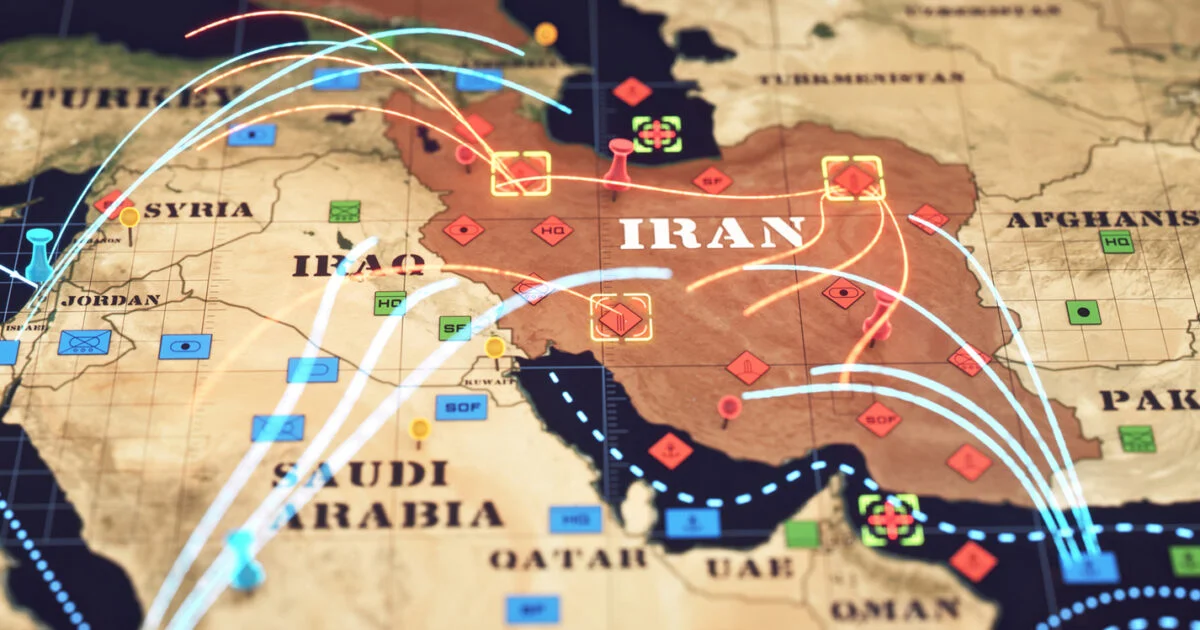
Iran_war_legal

At the same time, within the United States, presidential military action must comply with constitutional limits and the War Powers Resolution of 1973, which requires the president to notify Congress and obtain authorization for prolonged hostilities. The controversy intensified after contradictory statements by U.S. officials regarding the objectives and duration of the war, raising concerns among lawmakers and legal scholars about the operation’s legitimacy.

As the conflict with Iran intensifies, governments, legal scholars, and lawmakers are increasingly debating whether the strikes meet these legal thresholds or whether they risk undermining both the international prohibition on unilateral use of force and the constitutional balance of war-making powers between Congress and the president.

International Law: The UN Charter and the Use of Force

The legality of military strikes between states is primarily governed by the United Nations Charter, which establishes the foundational rules of modern international law regarding the use of force. Adopted in 1945 after the devastation of World War II, the UN Charter was designed to prevent unilateral military aggression and maintain international peace and security. As a result, the Charter introduced a general prohibition on the use of force between sovereign states, significantly restricting when countries may lawfully resort to military action.

Article 2(4): The Prohibition on the Use of Force

The central rule governing interstate military action appears in Article 2(4) of the UN Charter, which requires all member states to refrain from the threat or use of force against the territorial integrity or political independence of any state. This provision forms the cornerstone of the modern international legal order and reflects the principle that disputes between states should be resolved through diplomatic and peaceful means rather than armed conflict.

Under this rule, military attacks against another state are generally considered unlawful unless they fall within recognized legal exceptions. The prohibition applies regardless of whether the attack involves conventional forces, missile strikes, drone warfare, or cyber operations that produce physical destruction.

Self-Defense and the “Imminent Threat” Requirement

The most important exception to the prohibition on the use of force is the right of self-defense, recognized in Article 51 of the UN Charter. This provision allows states to use military force if they are responding to an armed attack or an imminent threat of such an attack. However, the right of self-defense is not unlimited. International law requires that any defensive action satisfy two key conditions:

  • Necessity, meaning force must be required to repel or prevent the attack and that no peaceful alternatives are available.
  • Proportionality, meaning the scale and scope of the military response must be limited to what is necessary to neutralize the threat.

In practice, the concept of imminent attack has become one of the most debated issues in international law. Some governments argue that preventive strikes may be lawful if intelligence shows an enemy is preparing an attack, while many legal scholars maintain that self-defense requires evidence of a truly immediate threat.

In the case of the U.S.–Iran conflict, Washington has reportedly justified military action on grounds such as:

  • Preventing Iranian attacks on U.S. forces and allies
  • Neutralizing Iran’s missile and naval capabilities
  • Preventing potential nuclear weapon development

The key legal question is whether these actions meet the criteria of necessity and proportionality, two fundamental principles of lawful self-defense. If strikes are aimed at preventing a speculative or distant threat rather than responding to an imminent attack, critics argue they could violate the UN Charter.

The most critical legal issues in assessing the legality of U.S. strikes on Iran concern the interpretation of self-defense under international law, particularly the requirement that a threat be imminent. Article 51 of the United Nations Charter recognizes the inherent right of states to defend themselves when an armed attack occurs, but international legal doctrine has evolved to encompass situations in which an attack is not yet underway but is clearly imminent.

The concept of imminence originates from the Caroline incident of 1837, which established a widely cited legal standard in customary international law. According to the Caroline formulation, anticipatory self-defense is permissible only when the necessity for force is

“instant, overwhelming, leaving no choice of means and no moment for deliberation.”

This standard requires that the threat be immediate and unavoidable, meaning that delaying action would expose the state to imminent harm.

Modern international law continues to rely on this framework. For a state to lawfully invoke anticipatory self-defense, it must demonstrate credible evidence that an armed attack is about to occur and that the use of force is necessary to prevent it. The responding state must also ensure that its actions are proportionate, meaning the scale and intensity of the response must be limited to neutralizing the threat.

In the context of contemporary conflicts, however, governments have increasingly adopted broader interpretations of imminence. Some states argue that threats posed by ballistic missile programs, nuclear weapons development, or support for armed proxy groups may justify preventive strikes before an attack becomes immediate. Critics of this approach contend that expanding the concept of imminence risks undermining the prohibition on the use of force, effectively allowing states to justify military action based on speculative or long-term threats.

The debate is particularly relevant to the legality of recent U.S. strikes on Iran. Supporters of the operation argue that the strikes were necessary to prevent imminent attacks against U.S. forces or allies in the region. Opponents, however, argue that unless clear evidence of an immediate armed attack exists, the strikes could fall outside the lawful scope of self-defense under the UN Charter.

Ultimately, the legal assessment of the operation depends on whether the United States can demonstrate that the threat it sought to neutralize met the strict international legal threshold of imminence. Without such evidence, critics argue that the strikes risk being interpreted as preventive rather than defensive, raising serious questions about their compatibility with the international legal framework governing the use of force.

Pre-Emptive vs Preventive War Debate

Modern conflicts increasingly involve claims of pre-emptive or preventive self-defense, where a state attacks before an enemy launches a strike. While some governments argue that emerging threats, such as missile programs or nuclear development, justify early action, the legality of preventive force remains highly controversial.

Many international law scholars argue that allowing states to attack based on speculative future threats would undermine the UN Charter system and weaken the global prohibition on the use of force. A central legal controversy in the current crisis is whether the United States is engaging in anticipatory self-defense. International law distinguishes between:

  • Anticipatory Self-Defense – Force used to stop an imminent attack that is about to occur.
  • Preventive War – Force used to eliminate a possible future threat.

Most legal scholars accept anticipatory self-defense in limited circumstances but reject preventive war as unlawful. If the U.S. strikes are interpreted as preventive rather than anticipatory, they may face serious challenges under international law.

A central legal controversy in modern international law concerns the distinction between pre-emptive war and preventive war, particularly when states justify military action as a form of self-defense. This debate is crucial when evaluating the legality of military strikes under the UN Charter, because international law permits certain forms of anticipatory self-defense but strongly restricts wars based on speculative or long-term threats.

Pre-Emptive War: Responding to an Imminent Attack

Pre-emptive war refers to the use of force in anticipation of an imminent armed attack. In this scenario, a state launches a strike because credible evidence shows that an enemy attack is about to occur and delaying action would significantly increase the risk of harm. The legal justification for pre-emption is rooted in the concept of anticipatory self-defense, which is widely debated but recognized by many states as permissible when the threat is immediate and unavoidable.

Under international law, a pre-emptive strike must satisfy strict legal conditions:

  • Imminence: The enemy attack must be clearly impending.
  • Necessity: No peaceful alternatives can neutralize the threat.
  • Proportionality: The force used must be limited to preventing the attack.

When these requirements are met, many legal scholars argue that pre-emptive self-defense can fall within the scope of Article 51 of the UN Charter, even though the Charter refers specifically to situations where an armed attack “occurs.”

Preventive War: Acting Against a Future Threat

Preventive war, by contrast, involves military action taken to stop a potential threat that may arise in the future, rather than an attack that is about to occur. Preventive strikes are typically justified by concerns about an adversary’s growing military power, weapons development, or long-term strategic ambitions.

Unlike pre-emptive action, preventive war does not involve an imminent threat. Instead, it seeks to eliminate a future danger before it fully materializes. Most international law scholars view preventive war as incompatible with the UN Charter, because it expands the concept of self-defense beyond the narrow limits intended to prevent unilateral aggression.

Allowing preventive war as a legal justification could create a system where states justify military action based on perceived future risks, undermining the prohibition on the use of force.

Historical Examples of the Debate

The distinction between pre-emptive and preventive war has appeared in several major conflicts. For example, Israel’s 1967 Six-Day War is often cited as a case of pre-emptive self-defense, where Israeli forces launched strikes after concluding that an Arab attack was imminent. By contrast, the 2003 U.S. invasion of Iraq is widely described by legal scholars as a preventive war because it was justified largely on the basis of suspected future threats rather than an immediate attack.

These examples illustrate how difficult it can be to determine whether a military action falls within lawful anticipatory self-defense or constitutes unlawful preventive war.

Relevance to the U.S.–Iran Conflict

The distinction between pre-emption and prevention is central to assessing the legality of recent U.S. strikes on Iran. If the United States can demonstrate that Iran posed an imminent threat of armed attack, the strikes may be defended as lawful pre-emptive self-defense under Article 51 of the UN Charter.

However, if the strikes were intended primarily to stop Iran from developing future capabilities or to weaken its strategic position, critics argue they could be interpreted as preventive warfare, which most interpretations of international law consider unlawful.

As geopolitical tensions escalate, the pre-emptive versus preventive war debate continues to shape international legal discussions about the limits of state self-defense and the broader effort to maintain the global prohibition on the unilateral use of force.

International Humanitarian Law (Laws of War)

Even when the use of force between states may be considered lawful under the UN Charter, the conduct of hostilities is still strictly governed by International Humanitarian Law (IHL), commonly known as the laws of war. These rules regulate how wars are fought and aim to minimize human suffering by protecting civilians, prisoners of war, and other non-combatants. International humanitarian law applies to all parties in an armed conflict, regardless of which side initiated the war or whether the conflict itself is legally justified.

The primary sources of IHL include the Geneva Conventions of 1949, their Additional Protocols, and a large body of customary international law developed through state practice and international tribunals. These rules impose obligations on military forces to limit the methods and means of warfare and to ensure that military operations respect fundamental humanitarian principles.

Principle of Distinction

The most fundamental rule of international humanitarian law is the principle of distinction, which requires parties to a conflict to distinguish at all times between combatants and civilians, as well as between military objectives and civilian objects. Military attacks may only be directed against legitimate military targets such as armed forces, weapons systems, and military installations.

Civilian objects, including homes, hospitals, schools, and cultural sites—are protected unless they are being used for military purposes. Intentionally targeting civilians or civilian infrastructure is considered one of the most serious violations of international humanitarian law and can constitute a war crime under international criminal law.

Principle of Proportionality

Another critical rule is the principle of proportionality, which prohibits attacks expected to cause incidental civilian harm that would be excessive in relation to the anticipated military advantage. Even when a legitimate military target exists, commanders must carefully assess whether the expected civilian casualties or damage to civilian infrastructure would outweigh the military benefit of the attack.

This principle recognizes that some civilian harm may occur during military operations but requires that such harm be minimized and not disproportionate.

Precautions in Attack

International humanitarian law also requires armed forces to take all feasible precautions to avoid or minimize harm to civilians. This obligation includes verifying targets, choosing weapons that reduce civilian risk, and canceling or suspending an attack if it becomes clear that the target is not a legitimate military objective or that civilian casualties would be excessive.

Modern military planning therefore involves extensive intelligence verification, surveillance, and legal review processes designed to ensure compliance with these rules.

Protection of Certain Civilian Facilities

Certain locations receive special protection under international humanitarian law, including hospitals, medical units, humanitarian relief operations, and educational institutions. Attacks on these sites are prohibited unless they are being used to carry out military operations.

In recent conflicts, incidents involving the destruction of hospitals, schools, and refugee shelters have generated intense international scrutiny because such attacks may constitute grave breaches of the Geneva Conventions.

War Crimes and Accountability

Serious violations of international humanitarian law can constitute war crimes, which may lead to criminal responsibility for individuals involved in planning or executing unlawful attacks. War crimes include intentionally targeting civilians, launching disproportionate attacks, mistreating prisoners of war, and using prohibited weapons.

Accountability for such crimes may occur through domestic military courts, national criminal prosecutions, or international tribunals, including the International Criminal Court (ICC). Under the doctrine of command responsibility, military and political leaders may also be held liable if they knew or should have known about violations committed by their subordinates and failed to prevent them.

Relevance to the U.S.–Iran Conflict

In the context of the ongoing conflict involving the United States, Israel, and Iran, international humanitarian law plays a critical role in evaluating the legality of specific military operations. Even if a state claims that its use of force is justified as self-defense, the methods used in conducting military operations must still comply with the laws of war.

Incidents involving civilian casualties, attacks on protected infrastructure, or allegations of disproportionate force are therefore likely to be examined through the framework of international humanitarian law. These legal standards provide an essential mechanism for assessing whether military actions during the conflict respect the humanitarian limits established by the international community.

U.S. Domestic Law: The War Powers Resolution

Beyond international law, the legality of the war also depends on U.S. constitutional rules governing military authority. The War Powers Resolution of 1973 was enacted after the Vietnam War to limit unilateral presidential military action. Under this law:

  • The president can deploy military forces without congressional authorization only in emergencies.
  • The administration must notify Congress within 48 hours of initiating hostilities.
  • Military operations must end within 60 days unless Congress authorizes continued involvement.

This law was enacted by the U.S. Congress in response to concerns that presidents had increasingly engaged the United States in military conflicts without formal declarations of war. The War Powers Resolution seeks to restore the constitutional balance between the executive and legislative branches by limiting the president’s unilateral authority to initiate prolonged military hostilities.

Constitutional Background

Under the U.S. Constitution, the authority to declare war belongs to Congress, while the president serves as commander-in-chief of the armed forces. This division of powers was intended to ensure that decisions involving major military conflict would involve democratic oversight through the legislative branch.

However, throughout the twentieth century, presidents frequently ordered military operations without formal declarations of war. Conflicts such as the Vietnam War intensified concerns that the executive branch was bypassing Congress in matters of war-making authority. As a result, Congress passed the War Powers Resolution to create clearer legal procedures governing military deployments.

Key Requirements of the War Powers Resolution

The War Powers Resolution establishes several important obligations for the president when U.S. forces are introduced into hostilities or situations where hostilities are imminent.

First, the president must notify Congress within 48 hours of deploying U.S. armed forces into combat or situations that could lead to hostilities. This notification must explain the circumstances necessitating the deployment, the legal basis for the action, and the anticipated scope and duration of the military operation.

Second, the law establishes a 60-day limit on military operations conducted without explicit congressional authorization. If Congress does not approve the use of force within that period, the president is required to withdraw U.S. forces within an additional 30-day withdrawal period.

Third, Congress retains the authority to terminate military operations earlier through legislative action, thereby asserting its constitutional authority over decisions involving war.

Presidential Authority and Legal Controversies

Despite these statutory limits, the War Powers Resolution has been a source of ongoing legal and political controversy. Many presidents from both major political parties have argued that the law unconstitutionally restricts the commander-in-chief’s authority to conduct military operations necessary to protect national security interests.

As a result, presidents often comply with the reporting requirements of the law but avoid explicitly acknowledging that their actions are legally governed by it. Instead, they frequently describe notifications to Congress as being submitted

“consistent with the War Powers Resolution rather than pursuant to it.”

This longstanding tension reflects a broader debate about the extent of presidential power in matters of foreign policy and military action.

Application to U.S. Strikes on Iran

In the context of recent U.S. strikes on Iran, the War Powers Resolution has become a focal point of debate in Washington. Members of Congress have questioned whether the president had sufficient legal authority to launch military operations without prior congressional approval.

If the strikes represent a limited defensive action designed to protect U.S. forces or prevent imminent threats, the president may argue that such operations fall within the scope of the commander-in-chief’s constitutional authority. However, if the military campaign expands into sustained hostilities, Congress may assert that formal authorization, such as an Authorization for Use of Military Force (AUMF), is required.

Failure to obtain congressional approval within the timeframe established by the War Powers Resolution could trigger legal and political challenges, including legislative efforts to restrict funding for the military operation.

The Broader Constitutional Debate

The debate surrounding the War Powers Resolution illustrates a fundamental constitutional question in the United States: who ultimately decides when the nation goes to war. While the president possesses significant authority to respond quickly to threats, the Constitution grants Congress a central role in authorizing sustained military conflict.

As tensions between the United States and Iran escalate, the application of the War Powers Resolution highlights the continuing struggle to balance executive flexibility in national security decisions with democratic oversight and constitutional accountability.

Congressional Authority and Political Debate

The legality of U.S. military strikes on Iran has also intensified the long-standing debate over Congressional authority in matters of war and military intervention. Under the U.S. Constitution, Article I grants Congress the power to declare war, raise and support armies, regulate the armed forces, and control military funding. These powers were designed to ensure that decisions involving large-scale military conflict would not be made unilaterally by the executive branch but would instead involve democratic oversight through the legislative process.

In practice, however, modern U.S. presidents have frequently relied on their constitutional authority as Commander-in-Chief under Article II to order limited military operations without a formal declaration of war. Presidents from both political parties have justified such actions as necessary to respond quickly to emerging threats, protect U.S. personnel abroad, or defend national interests.

As a result, the boundary between executive military authority and congressional war-making power has become one of the most contested issues in U.S. constitutional law. The recent strikes on Iran have reignited this debate within Congress. Several lawmakers have argued that launching military operations against a sovereign state without prior congressional approval risks bypassing the constitutional requirement that:

“Congress authorize major acts of war.”

Critics contend that allowing presidents to initiate large-scale military action without legislative authorization undermines the constitutional separation of powers and weakens democratic accountability in decisions involving armed conflict. Supporters of the administration’s actions, however, argue that the president retains the authority to conduct limited defensive military operations under the commander-in-chief power, particularly when U.S. forces or allies face immediate threats.

They contend that requiring congressional approval before every military response could limit the government’s ability to react swiftly in rapidly evolving security situations. Political debate has therefore centered on whether the strikes against Iran constitute a limited defensive action or represent the beginning of a broader military campaign that would require explicit authorization from Congress.

Some members of Congress have proposed resolutions invoking the War Powers Resolution to compel a vote on whether U.S. forces should remain engaged in hostilities with Iran. At the same time, Congress retains a powerful tool for influencing military policy through its control over federal spending. Lawmakers can restrict or condition military funding, potentially forcing the executive branch to scale back or terminate military operations if legislative approval is not granted.

The dispute reflects a broader constitutional struggle that has persisted for decades: balancing the need for swift executive decision-making in national security matters with the constitutional principle that decisions about war should ultimately reflect the will of the people through their elected representatives in Congress. As tensions with Iran continue to evolve, the political and legal debate over congressional authority is likely to remain a central issue in determining the scope and duration of U.S. military involvement.

Strategic Legal Risks for the United States

The ongoing military confrontation with Iran presents significant strategic legal risks for the United States, both in terms of international law and domestic constitutional governance. Even when military operations are justified as defensive or necessary for national security, they can create long-term legal consequences that affect diplomatic relations, international legitimacy, and domestic political stability.

One of the most immediate risks arises from potential allegations of unlawful use of force under international law. If the strikes cannot be convincingly justified as self-defense under Article 51 of the UN Charter or authorized by the UN Security Council, critics may argue that the United States has violated the fundamental prohibition on the use of force. Such accusations could weaken the credibility of the U.S. position in defending the rules-based international order and could encourage other states to justify similar unilateral military actions.

Another significant legal concern relates to international humanitarian law and civilian protection. Military operations that result in substantial civilian casualties or damage to protected infrastructure may trigger investigations under the laws of armed conflict. Even if the United States argues that strikes targeted legitimate military objectives, allegations of disproportionate force or insufficient precautions could:

“expose the country to diplomatic pressure, international investigations, or demands for accountability and compensation.”

The conflict also carries domestic legal risks within the United States. If military operations expand beyond short-term defensive strikes, Congress may assert that the administration must obtain formal authorization under the War Powers Resolution or pass a new Authorization for Use of Military Force (AUMF). Failure to secure such authorization could intensify political disputes over executive authority and potentially lead to legislative attempts to restrict funding for military operations.

Beyond legal disputes, there are also broader strategic implications for global alliances and diplomatic relationships. Allies may be reluctant to support or participate in military operations if they believe the legal justification is uncertain or inconsistent with international law. This could complicate coalition-building efforts and reduce international cooperation in managing regional security challenges.

Finally, repeated reliance on expansive interpretations of self-defense may contribute to a gradual erosion of international norms governing the use of force. If major powers increasingly justify preventive or unilateral military actions without clear legal authorization, the broader framework designed to prevent interstate war could become less effective. For the United States, which has historically promoted a rules-based international system, such developments may carry long-term diplomatic and legal consequences.

In this context, the legal justification for military operations against Iran is not only a matter of technical legal interpretation but also a strategic issue that shapes the credibility of U.S. leadership, the stability of international legal norms, and the balance of constitutional powers at home.

Conclusion

The question of whether U.S. strikes on Iran can be lawful ultimately depends on a complex interaction between international law governing the use of force and domestic constitutional limits on presidential war-making powers. Under the UN Charter, military action against another state is generally prohibited unless it is justified as self-defense against an actual or imminent armed attack or authorized by the UN Security Council. At the same time, U.S. domestic law requires that sustained military operations comply with the War Powers Resolution and the constitutional balance of authority between Congress and the president.

In evaluating the legality of the strikes, two central issues emerge. First, whether the United States can demonstrate that Iran posed an imminent threat that justified anticipatory self-defense under international law. Second, whether the scope and duration of the military operations remain within the president’s constitutional authority or require explicit congressional authorization.

Beyond these technical legal questions, the situation also highlights broader implications for the rules-based international order and democratic oversight of military power. Expansive interpretations of self-defense or unilateral executive military action risk weakening the legal frameworks designed to limit armed conflict and ensure accountability in decisions involving war.

As the conflict evolves, legal scrutiny from international institutions, allied governments, and the U.S. Congress will likely continue. Ultimately, the legality of the strikes will not only shape the trajectory of the U.S.–Iran confrontation but may also influence how international law and constitutional war powers are interpreted in future global crises.

Frequently Asked Questions

Are U.S. strikes on Iran automatically illegal under international law?

No. Under the United Nations Charter, the use of force against another state is generally prohibited. However, there are two recognized exceptions: self-defense under Article 51 and authorization by the UN Security Council. If the United States can demonstrate that the strikes were necessary to repel or prevent an imminent armed attack, it may argue that the actions fall within the lawful right of self-defense. Without such justification, critics may argue that the strikes violate international law.

What does “imminent threat” mean in international law?

An imminent threat refers to a situation where an armed attack is about to occur and there is no reasonable opportunity to prevent it through peaceful means. International legal doctrine, often traced to the Caroline standard, requires that the threat be immediate, overwhelming, and leaving no choice of alternatives. This requirement ensures that states cannot justify military action based on speculative or distant future threats.

What is the difference between pre-emptive and preventive war?

A pre-emptive strike occurs when a state uses force to stop an enemy attack that is about to happen. This form of anticipatory self-defense may be considered lawful if the threat is truly imminent. In contrast, preventive war involves attacking a state to stop a potential future threat before it becomes immediate. Preventive wars are generally considered inconsistent with international law because they undermine the UN Charter’s prohibition on the use of force.

What role does international humanitarian law play in the conflict?

Even if military action is legally justified as self-defense, the laws of war (international humanitarian law) regulate how military operations are conducted. These rules require armed forces to distinguish between civilians and combatants, avoid disproportionate attacks that cause excessive civilian harm, and take precautions to minimize civilian casualties. Violations of these rules may constitute war crimes.

Does the U.S. president have the authority to launch strikes without Congress?

The president has constitutional authority as commander-in-chief to conduct limited military operations, particularly in emergency situations or to protect U.S. forces. However, the U.S. Constitution grants Congress the power to declare war, and sustained military conflict typically requires congressional authorization.

What is the War Powers Resolution, and how does it apply?

The War Powers Resolution of 1973 requires the president to notify Congress within 48 hours of introducing U.S. forces into hostilities. If Congress does not authorize the action within 60 days, the president must withdraw U.S. forces within an additional 30-day period. This law was designed to ensure congressional oversight over military engagements.

Could U.S. strikes on Iran trigger legal challenges in Congress?

Yes. Members of Congress may challenge the legality of the strikes if they believe the president exceeded constitutional authority. Congress can pass resolutions requiring withdrawal of forces, deny funding for military operations, or demand a formal Authorization for Use of Military Force (AUMF).

Could international courts investigate the strikes?

In theory, allegations of violations of international humanitarian law could be examined by international investigative bodies or tribunals. However, jurisdictional issues and political considerations often make such proceedings complex, particularly when major powers are involved.

Why does the legal debate matter for global politics?

The legal interpretation of the strikes has broader implications for the international rules governing the use of force. If states expand the concept of self-defense too broadly, it could weaken the global prohibition on unilateral military action and encourage other countries to justify similar interventions.

What could determine whether the strikes are ultimately considered lawful?

The legality of the strikes will largely depend on evidence about the threat that the United States claims to have prevented, whether the military response was necessary and proportionate, and whether the operations comply with both international humanitarian law and U.S. domestic legal requirements.
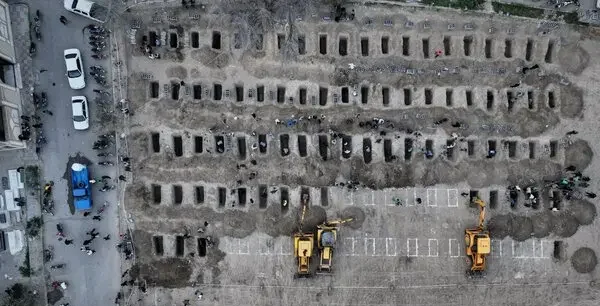

Iran School Strike Investigation: Legal Fallout Grows After 185 Civilians Killed in Deadly Attack

The investigation into the missile strike on a girls’ school in Minab, Iran, which killed approximately 185 civilians, most of them children, has become one of the most legally consequential incidents of the ongoing U.S.–Israel–Iran conflict. The attack, which occurred during the early phase of the war in late February 2026, has triggered widespread international condemnation and raised serious questions under international humanitarian law (IHL) about civilian protection, military targeting procedures, and potential war crimes.

iran_minab_graves

Preliminary findings from officials involved in the investigation suggest that the strike may have been carried out based on outdated intelligence coordinates, with military planners reportedly believing the location was still associated with a nearby Islamic Revolutionary Guard Corps (IRGC) compound that had previously operated in the area. Subsequent satellite imagery and intelligence reviews have indicated that the compound had been relocated years earlier and that the building struck was functioning solely as a school at the time of the attack.

The incident has rapidly escalated into a major legal issue in the broader conflict, with international organizations, human rights groups, and several governments calling for an independent investigation into whether the strike violated the laws of armed conflict.

Investigation and Preliminary Findings

According to sources familiar with the investigation, the missile strike occurred during a coordinated campaign targeting Iranian military infrastructure. The school was reportedly identified through intelligence databases that had not been updated after the military compound in the area was relocated. This apparent intelligence failure is now at the center of the investigation.

Military officials involved in the inquiry are reviewing a range of evidence including satellite imagery, targeting data, communications between commanders, and forensic analysis of missile fragments. Investigators are also examining whether proper verification procedures were followed before the strike was authorized.

U.S. military officials have stated that the armed forces do not intentionally target civilian infrastructure and that the investigation will determine whether operational negligence or faulty intelligence contributed to the tragedy. Iranian authorities, however, have described the attack as a deliberate war crime and have demanded that those responsible face international prosecution.

Legal Framework Under International Humanitarian Law

The strike raises fundamental questions under the Geneva Conventions and customary international humanitarian law, which govern the conduct of armed conflict and the protection of civilians.

Three core legal principles are central to the investigation.

Distinction requires military forces to differentiate between civilian objects and military targets. Schools are considered civilian infrastructure and are protected unless they are being used for military purposes.

Proportionality prohibits attacks expected to cause civilian harm that is excessive in relation to the anticipated military advantage.

Precautions in attack require armed forces to verify targets using reliable intelligence and to take all feasible steps to minimize civilian casualties.

If investigators determine that the school was clearly identifiable as a civilian facility and that commanders failed to verify the target adequately, the attack could potentially constitute a serious violation of international humanitarian law.

Three Possible Legal Outcomes

Legal experts say the investigation could ultimately produce three different conclusions, each with different consequences under international law.

The most serious outcome would be a war crime determination. Under the Rome Statute of the International Criminal Court, intentionally targeting civilians or civilian infrastructure is a war crime. If evidence shows that commanders knew or should have known the target was a school, or that the attack was conducted despite foreseeable civilian harm, criminal liability could arise for those responsible.

A second possibility is that the attack may be classified as an unlawful strike resulting from negligence or failure to take adequate precautions. In this scenario, investigators might conclude that the strike violated the requirement to verify targets but that there was no deliberate intent to attack civilians. This could lead to internal disciplinary actions, compensation for victims, and international condemnation but might not necessarily result in criminal prosecution.

A third scenario is that the strike could be considered a lawful attack carried out on the basis of mistaken intelligence. International humanitarian law evaluates commanders based on what they reasonably believed at the time of the attack. If intelligence indicated a legitimate military target and commanders acted in good faith using the information available, the attack may be considered legally permissible despite the tragic outcome.

Chain of Legal Responsibility

One of the central questions in the investigation is who could be held responsible if the attack is deemed unlawful. Modern military operations involve multiple levels of decision-making, meaning liability may extend beyond those who physically launched the strike.

The first level involves intelligence analysts, who identify and verify potential targets. If investigators find that analysts relied on outdated or unverified information, they may face disciplinary or legal scrutiny.

The second level includes operational commanders, who authorize the strike after reviewing intelligence assessments. Commanders are legally required to conduct proportionality evaluations and ensure that targets are legitimate military objectives.

Above them are senior military officials responsible for strategic oversight, including chiefs of staff and regional commanders who set targeting procedures and rules of engagement.

At the highest level, political leaders who authorize military operations may also face scrutiny if evidence shows they approved unlawful attacks or ignored warnings regarding civilian risk.

International law recognizes the doctrine of command responsibility, under which leaders can be held accountable for crimes committed by subordinates if they knew or should have known about violations and failed to prevent them.

Calls for International Investigation

The incident has prompted calls for a transparent and independent international inquiry. United Nations officials and human rights organizations have emphasized that attacks on schools represent one of the most serious violations of international humanitarian law because educational institutions enjoy special protection during armed conflict.

Several governments have urged the UN Security Council to examine the case, while legal experts have suggested that international courts could potentially review the incident if jurisdictional conditions are met.

Some advocates have also proposed the creation of special legal mechanisms to prosecute crimes against children in war, arguing that existing accountability systems often fail to deliver justice for victims.

Broader Implications for Modern Warfare

The Minab school strike highlights the growing legal challenges posed by precision-guided warfare and intelligence-driven targeting systems. Modern military operations rely heavily on digital databases, satellite imagery, and remote surveillance to identify targets. When such intelligence proves outdated or inaccurate, the consequences can be catastrophic.

Legal scholars argue that the case may shape future interpretations of international humanitarian law, particularly regarding how thoroughly militaries must verify intelligence before launching strikes.

The incident may also influence global debates about the need for stronger oversight of drone warfare, missile targeting, and automated decision-making systems in combat operations.

What Happens Next

The investigation is expected to continue over the coming months as investigators analyze operational records, targeting protocols, and intelligence reports. Key questions include whether the strike complied with legal requirements, whether commanders had access to updated intelligence, and whether additional precautions could have prevented the attack.

Depending on the findings, the case could lead to military disciplinary proceedings, international legal disputes, or broader reforms in military targeting procedures.

Regardless of the final legal determination, the Minab school attack has already become one of the most significant civilian casualty incidents of the conflict, raising urgent questions about accountability and the effectiveness of international law in protecting civilians during modern warfare.

Global Oil Prices Drop After Trump Signals Iran War Could End Amid Strait of Hormuz Tensions

The escalating war involving Iran, Israel, and the United States has triggered a major shock to global energy markets after disruptions and threats to the Strait of Hormuz, the world’s most critical oil transit route. Energy analysts warn that the conflict has already pushed crude prices sharply higher and could trigger a global economic crisis if the maritime chokepoint remains blocked or unstable.

Trump_oil_price

Now, in the latest aftermath, global oil and gas markets stabilized sharply after U.S. President Donald Trump suggested that the ongoing war involving the United States, Israel, and Iran was nearing its end, calling the conflict

“very complete, pretty much.”

The remarks triggered a rapid reversal in energy markets that had surged only days earlier amid fears of supply disruptions through the Strait of Hormuz.

Oil Prices Spike Amid Supply Disruption

Global oil markets reacted immediately to the conflict and shipping disruptions in the Gulf. Crude oil prices surged to near $120 per barrel, the highest level since 2022, before fluctuating as markets reacted to developments in the war.

Experts warn that the crisis could push prices even higher. Some analysts estimate oil could exceed $125 or even $145 per barrel if supply disruptions continue, raising fears of a global recession and stagflation.

The surge reflects market fears that a prolonged conflict could severely restrict the flow of oil from the Gulf, which remains the backbone of the global energy system.

Oil Prices Reverse After War Fears Ease

Energy prices fell sharply following Trump’s comments signaling that U.S. military objectives had largely been achieved and that the conflict might soon wind down. Brent crude, which had surged to nearly $119–$120 per barrel, dropped dramatically to around $90 per barrel within hours as markets reacted to the possibility of stabilization in the Middle East.

The price collapse followed a period of extreme volatility. Oil had spiked after Iranian retaliation and threats to restrict shipping through the Strait of Hormuz raised fears that roughly 20% of the world’s oil supply could be disrupted.

Financial markets responded immediately, with global stock indexes rebounding as investors interpreted Trump’s statement as a signal that the energy crisis might be temporary.

Strait of Hormuz: The World’s Most Critical Oil Chokepoint

The Strait of Hormuz, located between Iran and Oman, handles approximately 20 million barrels of oil per day, representing about 20–30% of global oil and gas shipments.

This narrow maritime corridor serves as the primary export route for major oil producers including:

Any disruption to this route can instantly reduce global oil supply, causing severe volatility in energy markets. Following the outbreak of hostilities, maritime traffic through the Strait of Hormuz dropped dramatically as tanker operators halted operations due to security risks. Some reports indicate that shipping activity fell by nearly 70%, with hundreds of vessels waiting outside the Gulf.

Several attacks on vessels and warnings issued by Iran’s Revolutionary Guard forced shipping companies and insurers to suspend transit through the area. The disruption also caused war-risk insurance premiums to surge, further raising the cost of transporting oil.

Global Economic Ripple Effects

The oil price surge is already spreading through global markets and industries.

Airline and Transport Costs Rising

Airlines have begun raising ticket prices due to soaring jet fuel costs linked to the war.

Shipping and Logistics Disruption

Major shipping companies have imposed emergency fuel surcharges to offset rising bunker fuel prices.

Inflation and Economic Slowdown

Economists warn that the energy shock could slow global growth while increasing inflation, creating stagflation similar to the 1970s oil crisis. Countries heavily dependent on Gulf energy, particularly China, India, Pakistan, Japan, and South Korea, are expected to experience the greatest economic pressure.

Markets React to End-of-War Signals

Analysts say the dramatic price drop reflects how sensitive global energy markets remain to geopolitical developments in the Middle East. During the early phase of the conflict, tanker traffic through the Strait of Hormuz collapsed and oil shipments were temporarily halted, causing energy prices to spike to their highest levels in four years.

However, after Trump suggested that the war was nearing completion and shipping routes could reopen, traders began pricing in the possibility that supply disruptions would be short-lived. This triggered a broad sell-off in oil futures and a rebound in global equities.

Despite the immediate drop in prices, analysts caution that the global energy market remains fragile. Iran has warned that it could still block regional oil exports if attacks continue, raising concerns that the Strait of Hormuz crisis may not yet be fully resolved.

Energy companies and shipping firms are also monitoring whether tanker traffic can safely resume. Even short-term disruptions in the Gulf can have outsized effects because the region remains the world’s most important oil export hub.

Governments Prepare Emergency Measures

Meanwhile, major economies and international organizations are preparing contingency plans in case the conflict escalates again. Discussions among major economies have included potential releases from strategic petroleum reserves to stabilize markets if shipping disruptions persist.

The International Energy Agency and several G7 countries are reportedly monitoring the situation closely to prevent a prolonged energy shock that could drive global inflation. The energy shock has already affected transportation, shipping, and manufacturing costs worldwide.

Airlines and freight companies have warned that fuel volatility could lead to higher ticket prices and logistics costs if the conflict drags on. For many economies, especially those heavily dependent on Middle Eastern energy imports, stability in the Strait of Hormuz remains the key factor determining whether the recent price drop will hold.

Future of Global Oil Prices

While Trump’s declaration that the war is “very complete” helped calm markets, analysts say oil prices will continue to fluctuate depending on developments in the region.

The future of global oil prices will depend heavily on whether the conflict escalates or de-escalates in the coming weeks. If shipping through the Strait of Hormuz resumes safely, markets may stabilize. But if the blockade or attacks continue, analysts warn the world could face the most severe energy crisis since the early 2000s.

Iran Names Mojtaba Khamenei as Supreme Leader: A Major Setback to U.S.–Israel Regime-Change Hopes

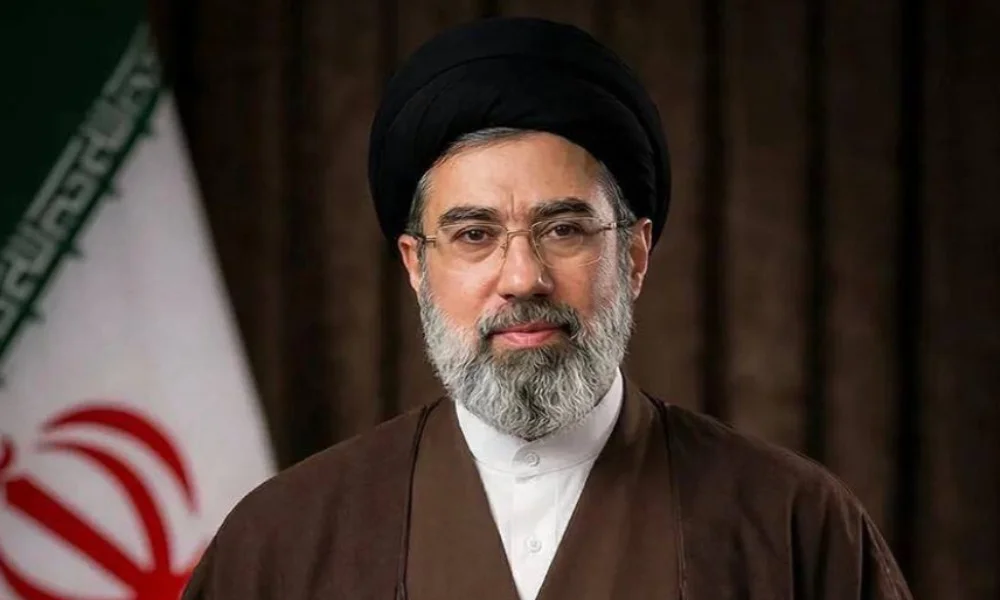
Iran has officially announced a new supreme leader following the death of Ayatollah Ali Khamenei, marking one of the most consequential leadership transitions in the Islamic Republic since 1989. Iranian state media reported that Mojtaba Khamenei, the son of the late leader, has been selected by the Assembly of Experts to assume the position during an escalating regional war involving Iran, Israel, and the United States.

Mojtaba_supreme_leader

The leadership change comes only days after the elder Khamenei was reportedly killed during joint U.S.–Israeli strikes on Iranian targets, an event that triggered widespread military retaliation and heightened geopolitical tensions across the Middle East.

Mojtaba Khamenei Takes Power Amid War

Mojtaba Khamenei, a mid-ranking cleric long rumoured to wield influence behind the scenes, has strong ties to Iran’s Islamic Revolutionary Guard Corps (IRGC) and has been viewed as a key figure within the country’s security establishment.

Although the Islamic Republic traditionally rejects hereditary leadership, analysts say his selection reflects the political strength of Iran’s military and clerical networks, which sought continuity during wartime conditions.

Following Khamenei’s death, Iran initially operated under a temporary leadership council consisting of the president, judiciary chief, and a Guardian Council cleric until a permanent successor could be chosen.

Israel Issues Direct Threats to Iran’s New Leader

The leadership transition has already drawn strong reactions from Israel. Israeli military officials warned that they would

“pursue every successor of the late Iranian leader.”

This notion clearly signals that the new leadership could also become a target in the ongoing war. Such statements indicate that Israel views Iran’s leadership structure itself as a strategic component of the conflict and suggest the possibility of further high-level targeting operations.

Washington’s Reaction and Strategic Concerns

The United States has responded cautiously but critically to the succession. Reports indicate that U.S. officials have expressed concern about Mojtaba Khamenei’s close relationship with Iran’s security apparatus and his perceived hard-line stance toward the West.

The leadership change could influence several key issues:

  • Iran’s nuclear policy
  • Iran’s regional proxy strategy
  • Iran’s military response to Israeli and U.S. operations

Some analysts believe the new leadership may adopt an even more confrontational approach toward Washington and its allies.

What It Means for the Iran–Israel–U.S. War

The appointment of a new supreme leader during an active conflict creates several strategic and legal implications:

1. Consolidation of Military Authority

The supreme leader serves as commander-in-chief of Iran’s armed forces and controls the IRGC, meaning the new leader will directly shape Iran’s war strategy.

2. Potential Hardening of Iran’s Foreign Policy

Mojtaba Khamenei’s association with the security establishment suggests Iran may maintain or intensify its resistance to U.S. and Israeli pressure.

3. Escalation Risks

With Israel openly threatening Iran’s leadership and Tehran promising retaliation, the leadership transition may deepen the conflict rather than create opportunities for negotiation.

4. Legal Questions Under International Law

Targeting political or religious leaders during wartime raises complex legal issues under international humanitarian law, particularly regarding whether such individuals qualify as lawful military targets.

Uncertain Future for Iran’s Political System

The succession is also controversial inside Iran. Critics argue that the selection of the late leader’s son resembles a hereditary transfer of power, which contradicts the revolutionary principles of the Islamic Republic. At the same time, the country faces intense internal pressure from war, economic disruption, and regional instability, making the new leader’s legitimacy and political control critical to Iran’s future stability.

Iran’s appointment of a new supreme leader marks a pivotal moment in the ongoing Middle East conflict. With Israel threatening further strikes and the United States closely monitoring the leadership transition, the change in Tehran is likely to influence both the direction of the war and the broader balance of power in the region.

Senator Tim Sheehy Forcibly Removes Anti-War Protester at Senate Hearing, Sparking Legal and Political Debate

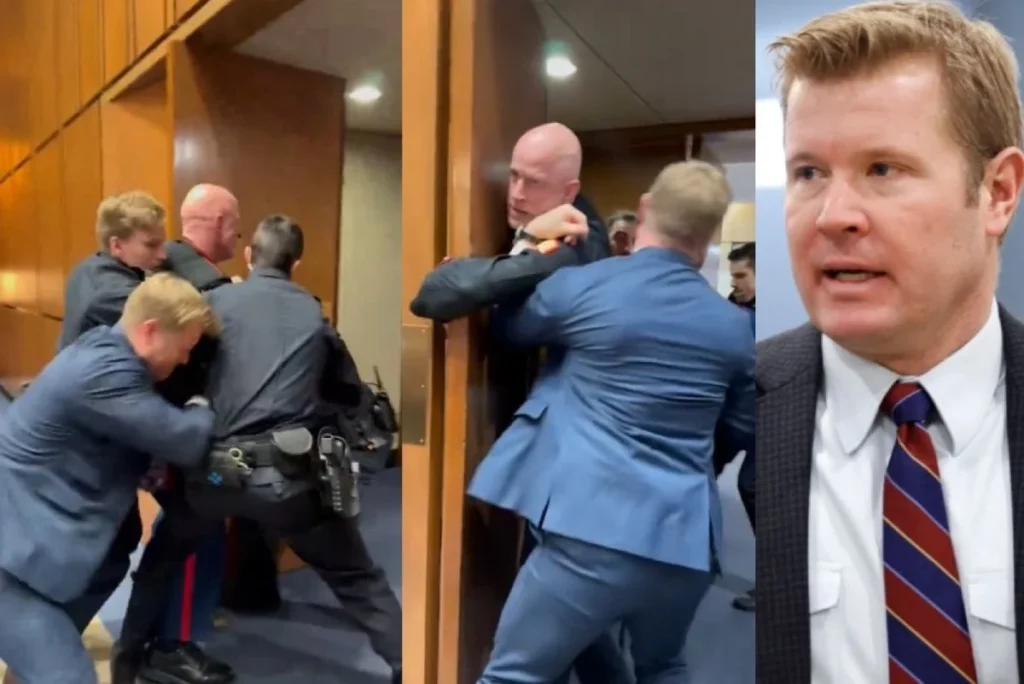
A dramatic confrontation erupted inside the U.S. Capitol when U.S. Senator Tim Sheehy assisted police in forcibly removing an anti-war protester from a Senate hearing, an incident that has triggered widespread legal and political scrutiny over the use of force inside Congress.

Tim_Sheehy

The altercation occurred during a Senate Armed Services subcommittee hearing on U.S. military readiness and the escalating Iran conflict, when a protester disrupted proceedings with loud objections to U.S. involvement in the war.

Disruption During Senate Armed Services Hearing

The protester, identified as Brian McGinnis, a Marine veteran and Green Party candidate for the U.S. Senate in North Carolina, stood up during the hearing and shouted:

“anti-war slogans, including opposition to the United States fighting for Israel.”

Capitol Police officers quickly moved to remove him from the chamber, as protests are prohibited during congressional proceedings. When McGinnis resisted arrest and clung to a doorway, the situation escalated into a physical struggle.

Video footage from the hearing shows Senator Sheehy leaving the dais and assisting officers in lifting and pulling the protester from the room, eventually forcing him through the doorway and out of the chamber.

Injury Claims and Chaotic Scenes

During the struggle, McGinnis’ hand reportedly became stuck in the door frame while officers and the senator attempted to pull him free. Witnesses reported hearing a loud “snap,” after which the protester claimed his arm had been broken.

The confrontation left McGinnis and three Capitol Police officers injured, according to official statements. Authorities later escorted McGinnis out of the building and transported him to a hospital for treatment.

Criminal Charges Filed Against Protester

Following the incident, U.S. Capitol Police charged McGinnis with multiple offenses, including:

  • Three counts of assaulting a police officer
  • Three counts of resisting arrest
  • Unlawful demonstration inside the Capitol complex

Police said:

“The protester violently resisted removal, putting officers and others in the room at risk.”

Senator Sheehy Defends His Actions

Senator Sheehy, a former Navy SEAL, defended his decision to intervene, saying he was trying to support law enforcement and de-escalate the situation.

He stated that:

“The protester came to the Capitol looking for a confrontation, and he got one.”

Senator Sheehy emphasized that McGinnis was actively fighting officers attempting to remove him. Critics, however, questioned whether a sitting senator should physically engage with a civilian during a hearing.

Legal and Constitutional Questions Raised

The incident has sparked debate among legal analysts about the limits of protest, congressional security authority, and the use of force inside legislative buildings.

Key legal issues include:

First Amendment vs. Congressional Rules – While citizens have the right to protest, demonstrations inside congressional hearing rooms are prohibited under Capitol security rules.

Authority of Lawmakers – Although Capitol Police are responsible for maintaining order, it is unusual for a sitting senator to physically intervene in removing a protester.

Potential Civil Liability – If the protester pursues legal action over injuries, courts may examine whether excessive force was used during the removal.

Political Context: Protests Over the Iran War

The confrontation occurred amid rising tensions over U.S. military operations in Iran and increasing protests across the United States against the war. The Senate hearing itself focused on defense policy and military readiness related to the growing Middle East conflict.

The clash between Senator Tim Sheehy and anti-war protester Brian McGinnis inside a Senate hearing has become a flashpoint in the broader national debate over the Iran war, protest rights, and the limits of force in government institutions.

Investigations and potential legal challenges could determine whether the incident remains a political controversy or evolves into a broader constitutional dispute.

Pentagon Chief Hegseth Faces Backlash Over Contradictory Statements on IRIS Dena and Iran War

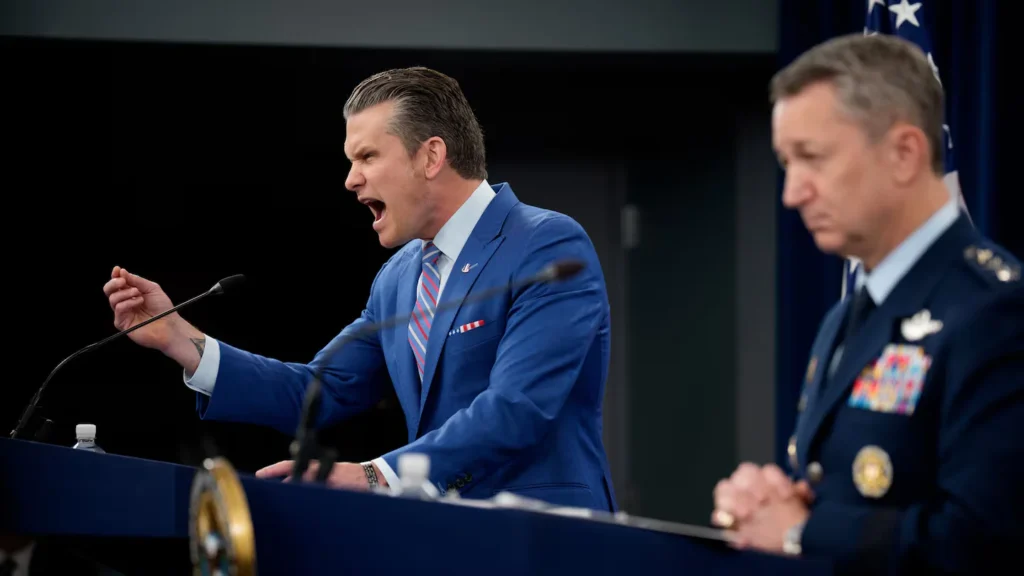
The United States Secretary of Defense Pete Hegseth is facing growing criticism after issuing conflicting statements about the scale, duration, and objectives of the ongoing U.S.–Israel military campaign against Iran, creating confusion among lawmakers, allies, and international observers. The controversy comes as the conflict enters a dangerous phase marked by expanded airstrikes, naval clashes, and mounting civilian casualties across the Middle East.

Pentagon_chief

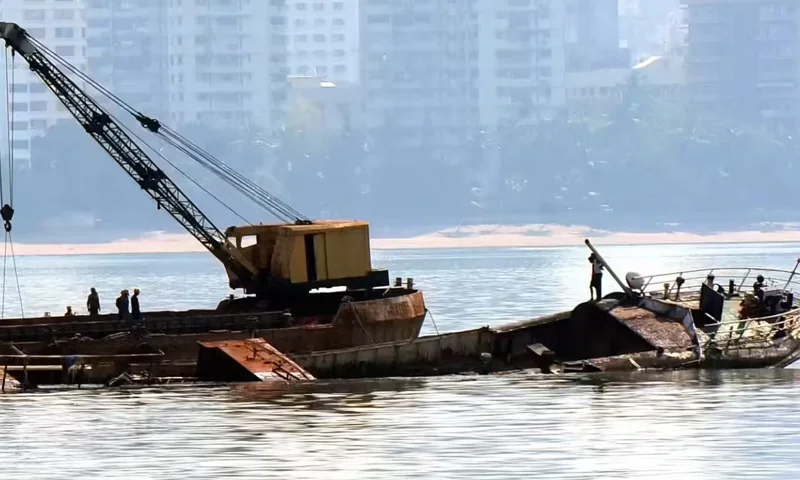
U.S. Defense Secretary Pete Hegseth also confirmed that an American submarine torpedoed and sank an Iranian warship in the Indian Ocean, marking one of the most dramatic naval incidents of the ongoing war. The strike occurred off the southern coast of Sri Lanka, where the Iranian frigate IRIS Dena was reportedly operating in international waters before being struck by a U.S. submarine-launched torpedo.

First Torpedo Sinking Since World War II

During a Pentagon briefing, Hegseth confirmed that the attack represented the first time a U.S. submarine had sunk an enemy vessel using a torpedo since World War II, highlighting the seriousness of the naval confrontation. He said:

“The Iranian ship thought it was safe in international waters, but was destroyed in the strike as part of expanded U.S. operations against Iranian military capabilities.”

U.S. officials also claimed that Iranian naval power has been significantly weakened during the conflict, with multiple vessels reportedly destroyed in ongoing operations. The Iranian vessel carried roughly 180 crew members, according to regional authorities. Following the attack, dozens remain missing at sea with at least 80 sailors reported killed, and 32 crew members were rescued and hospitalized in Sri Lanka.

Iranian_naval_ship

The Iranian warship had reportedly been returning from a multinational naval exercise in India when it was targeted in the Indian Ocean. The sinking of the Iranian warship signals a potentially dangerous shift toward full-scale naval confrontation between Iran and U.S. forces.

Conflicting Messages on the Duration of the War

One of the central contradictions emerged when Hegseth initially insisted the war would be limited and short, saying:

“The campaign against Iran was focused on eliminating specific threats and not an endless war.”

However, during subsequent Pentagon briefings, the defense chief stated that:

“The United States would take all the time we need to win the war”

This suggests that operations could last weeks or longer, contradicting earlier assurances of a limited mission. These shifting statements have raised concerns in Washington that the conflict could evolve into a broader regional war.

Pentagon Claims Victory While Expanding Military Operations

Despite escalating hostilities, Hegseth told reporters that:

“America is winning the conflict decisively, describing U.S. operations as devastating and relentless.”

At the same time, the Pentagon confirmed new military actions including:

  • Expanded airstrikes deeper into Iranian territory
  • The sinking of an Iranian warship by a U.S. submarine near Sri Lanka
  • Continued coordination with Israeli forces targeting Iranian military infrastructure

Unclear War Objectives Fuel Political Criticism

Critics argue the administration has failed to articulate a consistent legal and strategic rationale for the war. Reports indicate that officials have offered different explanations for the military campaign, including:

These shifting narratives have been widely noted by analysts as evidence that the administration’s strategy remains unsettled. Members of the U.S. Congress have warned that the lack of clarity could violate the War Powers Resolution, which requires congressional authorization for extended military operations.

Controversial Remarks and Investigations

The controversy intensified when Hegseth faced questions over a deadly strike on a girls’ school in Iran, saying the Pentagon was still investigating the incident. His aggressive tone during press conferences and remarks about Iran’s leadership have also sparked criticism from media figures and political commentators who say the rhetoric risks inflaming the conflict further.

The contradictory messaging has also sparked debate among legal scholars about the lawfulness of the military campaign under international law. Key issues include:

  • Whether the strikes meet the UN Charter’s self-defense requirements
  • Whether pre-emptive attacks on Iranian targets can be legally justified
  • Whether civilian casualties could trigger international humanitarian law investigations

Some experts argue that inconsistent official statements could weaken the United States’ legal justification for the use of force.

Growing Pressure in Washington

As the war expands, lawmakers in Washington are considering a War Powers resolution to limit the administration’s authority to continue the conflict without congressional approval. If adopted, such legislation could force the White House to either seek formal authorization for the war or withdraw U.S. forces from active combat operations.

Hegseth’s contradictory remarks, ranging from claims that the war will be short to warnings that it may take as long as necessary, have deepened political and legal scrutiny over the United States’ role in the escalating Iran conflict. As military operations intensify, the lack of clear objectives and legal justification is becoming a major issue in Washington and internationally.

Geopolitical Fault Lines in 2026: Pakistan, Afghanistan, Iran, Israel, and the U.S. at an International Law Crossroads

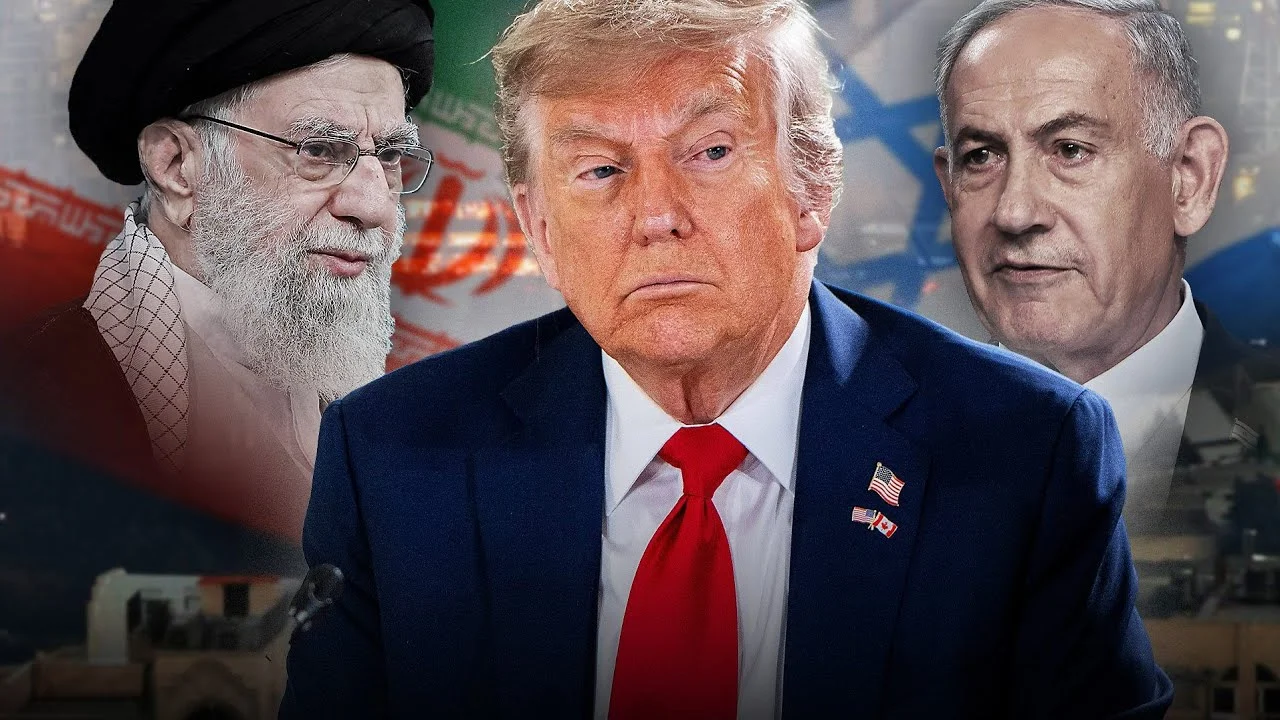
The geopolitical environment across Asia and the Middle East in early 2026 reflects a volatile convergence of regional conflicts, counter-terror operations, and great-power rivalry, steadily increasing the risk of a prolonged multi-theatre conflict. What began as isolated tensions has escalated into a matrix of military confrontations, proxy warfare, and diplomatic fragmentation involving Pakistan, Afghanistan, Iran, Israel, and the United States.

Iran_Israel_conflict

While no formal regional war has been declared, overlapping security crises have created conditions resembling a pre-war strategic environment marked by proxy tensions, cross-border strikes, and legal disputes over sovereignty and use of force. These developments pose complex legal questions about sovereignty, the use of force, international humanitarian law, and the role of international institutions with potential implications for global security and legal order.

This analysis examines the evolving situation through the lens of international law, regional security dynamics, and conflict-escalation risk.

Pakistan–Afghanistan Cross-Border Conflict

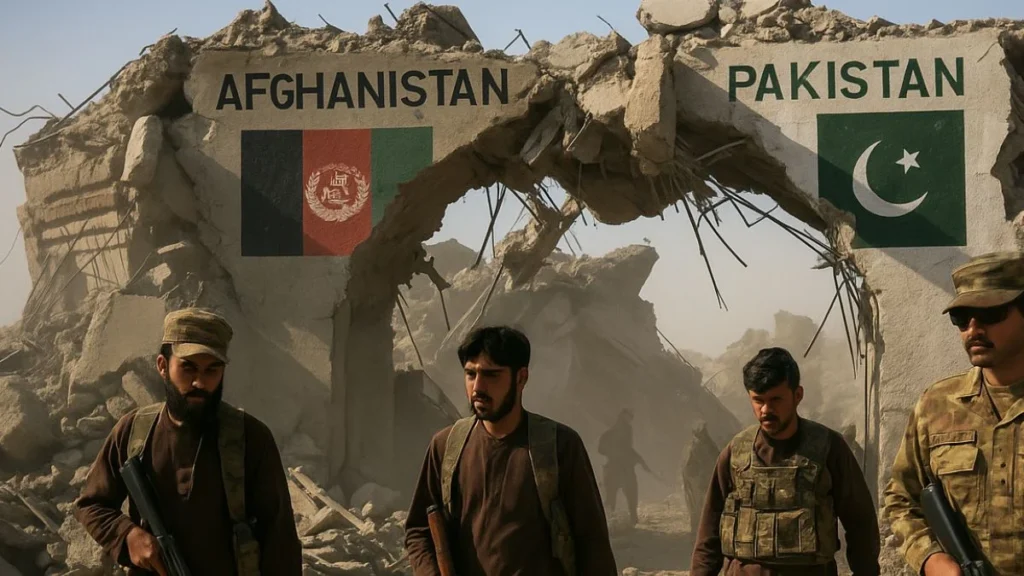
In one of the most dramatic regional escalations, Pakistan and Afghanistan have entered direct military hostilities, marking the most intense clashes between the two neighbours in decades. Charges and counter-charges of “open war” have been issued, with Pakistan asserting that Afghan territory is being used as a base for militant operations, particularly by the Tehreek-e-Taliban Pakistan (TTP) and ISIS-K.

In February 2026, Pakistan carried out repeated airstrikes on Kabul, Kandahar, and Paktika provinces, targeting alleged militant camps linked to Tehreek-e-Taliban Pakistan (TTP) and ISIS-Khorasan. Afghan sources reported civilian casualties, while Pakistan described the strikes as intelligence-based counter-terror operations. Afghanistan, for its part, has returned fire and claimed to repel Pakistani aircraft attempting to strike military installations.

Pakistan_Afghanistan

These operations have significantly strained bilateral relations and raised legal concerns under international law regarding sovereignty and the prohibition on the use of force. Pakistan justifies the strikes under the doctrine of self-defense against non-state actors operating from Afghan territory, while Kabul views them as violations of territorial integrity.

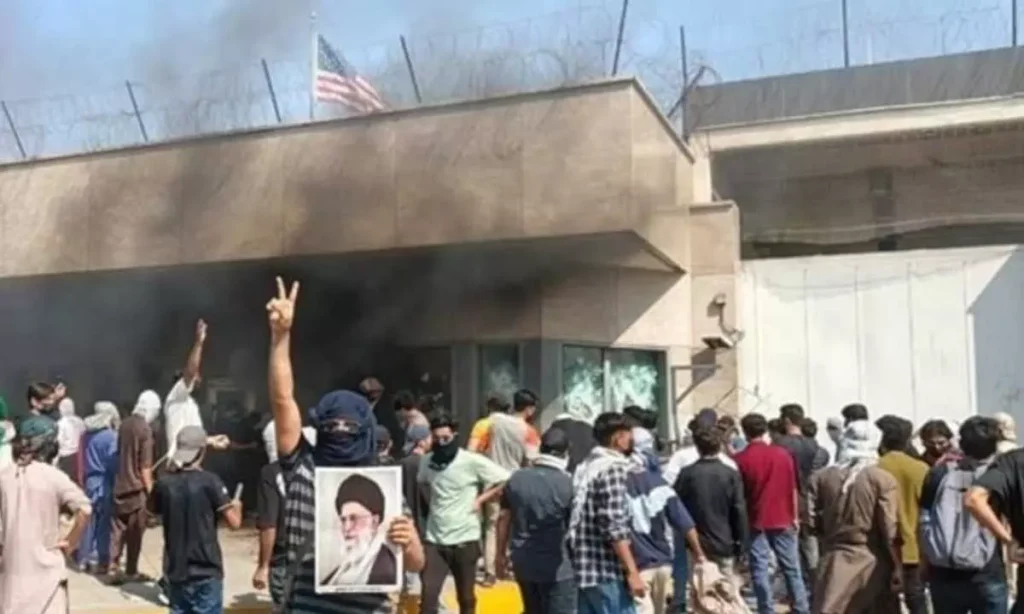
Continued militant attacks inside Pakistan, including a deadly Islamabad mosque bombing in February 2026, have further fueled security tensions and mutual accusations among regional actors. The result is a fragile and militarized border environment that risks escalation into sustained conflict. Domestic curfews and civil unrest in Pakistan, including violent protests leading to deaths near the U.S. consulate in Karachi, now intertwine the South Asian theatre with the broader Middle Eastern crisis, expanding the legal and security implications.

Legal Issues

  • Territorial Integrity & Sovereignty: International law (UN Charter Article 2(4)) prohibits the use of force against another state’s territory except in lawful self-defence or with UN Security Council authorization. Pakistan’s justification of “self-defence” is under scrutiny, given that it predates formal attacks by Afghanistan and is justified mainly by cross-border militancy originating from non-state actors.
  • State Responsibility: If Pakistan’s strikes are not tightly connected to an imminent armed attack, they risk being classified as unlawful uses of force. Afghanistan’s counter-attacks raise similar questions about proportionality and discrimination under international humanitarian law.

Iran–Israel–U.S. Confrontation

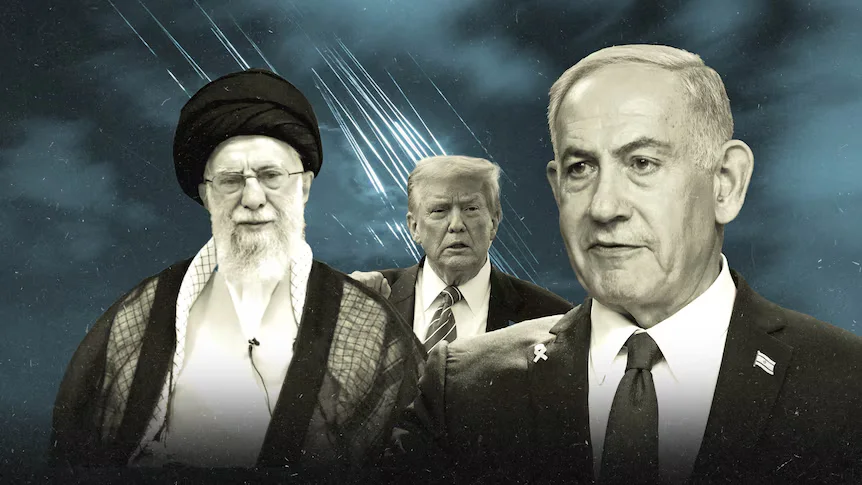
The conflict between Iran, Israel, and the United States, triggered by coordinated strikes aiming to degrade Iran’s strategic capabilities, has rapidly escalated beyond isolated military operations. According to multiple reports, U.S. and Israeli forces launched a major offensive that reportedly killed key Iranian leadership and struck strategic sites, provoking widespread Iranian retaliation across the Middle East, including missile and drone attacks targeting Israel, U.S. bases, and Gulf states.

Iran_US_Israel

While direct large-scale war has not been formally declared, repeated targeted strikes, intelligence operations, and retaliatory actions have deepened strategic hostility. The ongoing Strait of Hormuz crisis, where maritime traffic has effectively halted due to safety concerns, exemplifies how legal disputes over freedom of navigation intersect with armed conflict, threatening global commerce and energy security.

Under the UN Charter, any direct military strike across borders without Security Council authorization or clear self-defense justification risks being characterized as unlawful use of force.

Legal Questions Raised by the Strikes

The attacks immediately triggered global legal debate over several core principles of international law:

1. Prohibition on Use of Force (UN Charter Article 2(4)) – International law generally prohibits the use of force against another state except in self-defence or with UN Security Council authorization.

  • Israel and the U.S. may argue anticipatory self-defence against imminent threats.
  • Critics argue that pre-emptive strikes without clear imminent attack evidence risk violating the UN Charter.

2. Targeted Killing of Political Leadership – The killing of top Iranian leadership raises questions under international humanitarian law and state sovereignty:

  • Targeting political leadership outside active battlefield contexts can be viewed as unlawful assassination.
  • If framed as part of an armed conflict, such targeting may be argued as lawful military action against command structures.

3. Sovereignty and Non-Intervention – Strikes on Iranian territory without Security Council approval may be viewed as violations of sovereignty unless justified under self-defence doctrines.

4. Collective Self-Defence and Alliance Action – U.S. participation complicates the legal landscape, potentially invoking collective self-defence arguments if Israel claimed imminent threat. However, this remains legally contested.

U.S. Strategic Position in the Region

The United States remains deeply engaged across the Middle East through military alliances with Israel, security cooperation with Gulf states, and counter-terror operations across South Asia. Washington’s posture is increasingly shaped by a deterrence strategy toward Iran and by broader efforts to contain regional instability. The core strategic objectives are as under:

Deterrence of Iran and Regional Proxies

A primary U.S. objective remains the containment and deterrence of Iran. Washington continues to focus on limiting Iran’s missile capabilities, drone programs, and regional proxy networks. The United States frames its actions as defensive and preventative, emphasizing the protection of U.S. forces, allies, and international shipping lanes. However, the legality of pre-emptive or anticipatory self-defense remains a contested issue under Article 51 of the UN Charter, particularly in the absence of clear, imminent armed attacks.

Defense of Israel

The defense of Israel remains another central pillar of U.S. strategy. Security cooperation between the two countries includes intelligence sharing, missile defense coordination, and military assistance. Washington views Israel’s security as directly linked to regional stability. Yet this close alignment also places the United States under increased scrutiny regarding proportionality, civilian protection, and compliance with international humanitarian law during regional hostilities.

Counterterrorism in Afghanistan–Pakistan Corridor

In South Asia, renewed instability along the Pakistan–Afghanistan border presents a distinct but related challenge. The United States remains concerned about the resurgence of transnational militant groups such as ISIS-K and other cross-border networks. Without a large on-the-ground presence, Washington relies heavily on intelligence cooperation, counterterrorism partnerships, and limited “over-the-horizon” capabilities.

Securing Maritime Energy Routes

Maritime security is another core dimension of U.S. strategy. Escalations around the Strait of Hormuz and Red Sea shipping corridors threaten global energy supplies and commercial stability. U.S. naval deployments are presented as upholding freedom of navigation and protecting international commerce. While these operations are grounded in established maritime law principles, heightened tensions increase the risk of miscalculation, especially if defensive patrols are perceived as offensive positioning by rival states.

Domestic Considerations

Domestically, the executive branch must navigate constitutional limitations on war powers. While past Authorizations for Use of Military Force have provided broad legal cover for certain operations, a prolonged or expanded conflict could prompt renewed congressional scrutiny. Questions about the scope of executive authority, especially in the context of coordinated regional strikes, remain central to internal U.S. legal debates.

Strategic Considerations

Strategically, Washington must also consider broader geopolitical competition. Prolonged military engagement in the Middle East risks diverting attention and resources from the Indo-Pacific, where strategic competition with China remains a long-term priority. Russia’s alignment with certain regional actors further complicates the strategic landscape, making escalation management essential not only regionally but globally.

Economic Stability

Economically, while the United States is less directly dependent on Middle Eastern energy than some allies, it remains deeply invested in global market stability. Disruptions to oil and gas flows can generate inflationary pressures and financial volatility worldwide. Thus, safeguarding maritime routes and stabilizing energy markets is as much an economic imperative as a security one.

Risk of a Long-Standing Multi-Front Conflict

The current alignment of tensions across South Asia and the Middle East creates a significant risk of a prolonged, multi-front conflict that could entrench instability for years rather than months. Simultaneous flashpoints involving Pakistan and Afghanistan, Iran and Israel, and U.S. regional involvement create overlapping theaters of confrontation. When multiple conflicts operate concurrently with shared actors, intelligence coordination, and proxy networks escalation in one arena can quickly spill into another, reducing the likelihood of isolated containment.

One major risk lies in proxy warfare expansion. Iran’s regional network of non-state armed groups, Pakistan’s internal militant challenges, and cross-border insurgent activity in Afghanistan all contribute to a layered security environment. If direct state-to-state hostilities remain limited but proxy engagements intensify, the conflict could resemble prolonged hybrid warfare rather than conventional war. Such dynamics complicate ceasefire negotiations because non-state actors may not be directly bound by interstate agreements, prolonging instability even if formal hostilities decline.

Another factor is miscalculation and retaliatory spirals. Military signaling missile launches, airstrikes, and naval deployments are often intended as deterrence. However, in high-tension environments, actions interpreted as defensive by one side may be perceived as escalatory by another. Limited strikes designed to “restore deterrence” can trigger broader retaliation, gradually normalizing cycles of force. Over time, this tit-for-tat pattern hardens positions and reduces political space for compromise.

Humanitarian consequences present additional long-term risks. Sustained military operations increase civilian displacement, infrastructure destruction, and food insecurity. Refugee flows across South Asia and the Middle East could strain neighboring states, generating secondary instability. Humanitarian crises often outlast military campaigns, embedding grievances that fuel future cycles of violence.

Ultimately, the risk of a long-standing multi-front conflict depends on whether diplomatic off-ramps emerge before escalation patterns solidify. Early ceasefire frameworks, regional mediation initiatives, and confidence-building measures could prevent entrenchment. Absent such efforts, the overlapping crises across Asia and the Middle East may gradually transform from acute confrontation into chronic instability, reshaping regional security architecture for years to come.

Strategic and Legal Implications

The unfolding tensions across South Asia and the Middle East carry profound strategic and legal implications that extend beyond immediate battlefield developments. As multiple states navigate overlapping confrontations, the interaction between military strategy and international legal norms will shape not only the crisis’s trajectory but also the long-term architecture of global order.

Erosion of Sovereignty Norms

Frequent cross-border military actions, justified under counterterrorism or pre-emptive defense doctrines, are gradually eroding traditional norms of sovereignty. States increasingly invoke self-defense against non-state actors to justify operations inside neighboring territories. This trend risks normalizing unilateral use of force without multilateral authorization.

Expansion of Proxy Warfare

Proxy groups remain central to regional dynamics. Support for armed non-state actors, whether ideological, strategic, or defensive, blurs the line between internal conflict and international armed conflict. International law holds states responsible if:

  • They exercise effective control over proxy groups
  • Provide direct military support
  • Coordinate operations

Attribution disputes make enforcement difficult, prolonging conflict cycles.

Economic and Trade Consequences

Escalating tensions across the Middle East and South Asia threaten major trade routes, including:

  • Energy supply chains
  • Maritime shipping corridors
  • Infrastructure and investment projects
  • Regional connectivity initiatives

Prolonged instability could trigger sanctions, trade disruptions, and global market volatility.

Likelihood of Prolonged Conflict

A long-standing regional conflict is increasingly plausible due to:

  • Entrenched geopolitical rivalries
  • Weak regional conflict-resolution mechanisms
  • Limited effectiveness of international mediation
  • Fragmented alliances and competing security interests

Unlike short-term crises, the current trajectory suggests sustained low-intensity conflict with periodic escalations rather than immediate full-scale war.

Conclusion

The evolving geopolitical landscape across Asia and the Middle East reflects a complex web of interconnected conflicts involving Pakistan, Afghanistan, Iran, Israel, and the United States. While not yet a formally declared regional war, the frequency of cross-border military actions, proxy confrontations, and strategic rivalries indicates movement toward a prolonged multi-front confrontation.

The coordinated U.S. and Israel military strikes on Iran in late February 2026 have triggered one of the most serious international legal crises in recent years, raising questions about pre-emptive force, targeted killings of leadership, and the legality of cross-border retaliation. The legal implications also extend across international humanitarian law, UN Charter norms, and global security frameworks.

From an international law perspective, the central risks lie in expanding interpretations of self-defense, erosion of sovereignty norms, and increasing reliance on unilateral military action. Without sustained diplomatic intervention and multilateral conflict-management efforts, the region faces the growing possibility of a long-duration conflict that could reshape global security and legal order for years to come.

Frequently Asked Questions

What triggered the current multi-regional conflict involving Pakistan, Afghanistan, Iran, Israel, and the United States?

The crisis intensified in early 2026 when coordinated Israeli–U.S. airstrikes targeted Iranian leadership and strategic sites, including the assassination of Ayatollah Ali Khamenei, significantly raising tensions in the Middle East. Simultaneously, Pakistan launched cross-border airstrikes into Afghanistan, framing the actions as defensive against militant groups allegedly based in Afghan territory. These parallel conflicts have contributed to a broader regional confrontation.

How are Pakistan and Afghanistan currently engaged in hostilities, and why is that significant?

Pakistan declared itself in “open war” with Afghanistan after a series of cross-border strikes and air raids, with both sides exchanging military actions along the Durand Line border. This escalation represents one of the most intense clashes between the two neighbors in years, significantly destabilising South Asia and attracting international concern.

What legal issues arise from the Pakistan–Afghanistan conflict?

International law, grounded in the UN Charter, prohibits the use of force against another state without lawful justification (such as self-defense against an imminent armed attack). The legality of Pakistan’s actions hinges on whether they genuinely constitute self-defense and whether proportionality and necessity standards are met.

How did the Iran–Israel–U.S. confrontation escalate, and what are the legal ramifications?

The joint U.S.–Israel Operation Lion’s Roar involved strategic strikes on Iranian territory aimed at degrading nuclear and military capabilities. While the U.S. and Israel have cited security threats, these actions pose complex legal questions under Article 51 of the UN Charter regarding anticipatory self-defense and the definition of “armed attack,” challenging established international legal norms.

Is the conflict spreading beyond initial theaters, and what evidence exists?

Yes. Iran has launched retaliatory strikes against Gulf states, including the United Arab Emirates,the proportionality of the resulting in civilian casualties and infrastructure damage. These attacks deepen the crisis and raise additional legal questions about state responsibility and proportional use of force.

What has been the international response to these escalations?

Several states and organisations have expressed concern: Pakistan condemned U.S.–Israeli strikes as violations of international law, emphasizing that targeting heads of state undermines sovereign norms, while other regional actors urge de-escalation and diplomacy to prevent wider war.

How have these conflicts affected civilian populations and regional stability?

Violence has triggered widespread civil unrest and deadly protests, such as attacks on the U.S. consulate in Karachi that left protesters and security personnel dead. Cross-border fighting and military operations also contribute to rising humanitarian risk and refugee flows.

What are the primary legal challenges in resolving these disputes?

Key challenges include reconciling state claims of self-defense with restrictions on the use of force under the UN Charter, defining lawful counter-terrorism operations across borders, protecting sovereign territorial integrity, and ensuring accountability for violations of international humanitarian law.

Could these conflicts lead to long-term changes in international law or custom?

Yes. How states interpret and justify anticipatory self-defense, cross-border military actions, and proportional responses will influence emerging customary international law and the threshold for lawful uses of force in future disputes.

What is the role of multilateral institutions in this crisis?

The United Nations Security Council and international courts face pressures to address these conflicts, but divisions among major powers and disagreements over legality of force complicate unified action and enforcement.

Spain Refuses U.S. Base Access for Iran Attacks, Raising Legal Rift Between NATO Obligations and UN Charter

Spain has reportedly denied U.S. requests to use jointly operated military bases on Spanish territory for offensive operations against Iran, triggering a major legal and diplomatic debate within NATO over alliance obligations and compliance with international law. The move comes amid escalating U.S. and Israel military actions and widening regional tensions across the Middle East, forcing European allies to clarify the legal limits of their participation in any military campaign.

Spain_refusal

Spanish officials indicated that allowing U.S. forces to launch attacks from Spanish soil without clear United Nations authorization or a self-defence mandate could expose Madrid to legal responsibility under international law. The decision reflects growing European caution over direct involvement in operations that may be viewed as pre-emptive or retaliatory rather than defensive.

Legal Basis for Spain’s Refusal

Under international law, states hosting foreign military bases retain sovereign authority over how those bases are used. Legal experts note that Spain’s refusal is rooted in core UN Charter principles, particularly the prohibition on the use of force under Article 2(4) unless authorized by the UN Security Council or justified under self-defence.

Spanish legal advisers reportedly argued that:

“Participation in offensive strikes without clear UN authorization risks breaching the non-intervention principle and could make Spain a co-belligerent in any conflict with Iran”.

Such a designation could expose Spanish assets and territory to lawful counter-measures or retaliation under the laws of armed conflict. The decision mirrors earlier hesitation among some European allies about permitting U.S. operations on their territory. During recent escalations, certain NATO partners initially restricted U.S. use of their bases for strikes before later allowing limited defensive support, emphasizing compliance with international law and defensive mandates.

NATO Obligations vs. Sovereign Legal Duties

Spain’s stance highlights a growing tension between NATO alliance solidarity and individual states’ obligations under international law. While NATO’s collective defence clause under Article 5 requires mutual defence in response to an armed attack, it does not automatically authorize participation in offensive operations initiated by an ally.

Legal analysts stress that NATO treaties do not override the UN Charter. Member states remain bound by international law governing the use of force and may lawfully refuse participation in operations they consider inconsistent with those norms. Spain’s decision reflects a strict interpretation of this legal hierarchy.

The refusal has prompted debate within NATO about the limits of alliance cooperation, particularly when operations fall outside collective self-defence. Some European governments have expressed concern that unconditional base access could be interpreted as tacit participation in military action lacking clear legal justification.

Diplomatic and Strategic Fallout

Spain’s position risks straining relations with Washington, but has also been welcomed by legal scholars and some EU officials who argue it reinforces adherence to international legal standards. European diplomats warn that widening Middle East conflict could draw NATO into complex legal territory if alliance members diverge on the legitimacy of military operations.

By grounding its decision in the UN Charter and the principles of state responsibility, Spain has asserted a rules-based approach that prioritizes legality over pressure from alliances.

The episode shows a broader shift in European security policy, where legal compliance with the UN Charter increasingly shapes decisions on military cooperation. As the Iran crisis deepens, Spain’s refusal may set a precedent for other NATO members seeking to balance alliance commitments with international legal obligations.

What Comes Next

Diplomatic negotiations between Washington and European allies are ongoing as the U.S. seeks logistical and strategic support for operations in the region. Spain has signaled willingness to support defensive measures, intelligence sharing, and humanitarian coordination but maintains that its territory will not be used for offensive strikes lacking clear international legal mandate.

The standoff illustrates a defining legal question for NATO in 2026: whether alliance solidarity can coexist with strict adherence to the UN Charter’s limits on the use of force. Spain’s decision suggests that, for some allies, international law will remain the decisive factor in determining participation in future military operations.

Global Protests Erupt After Ayatollah and Top Iranian Leadership Killed in U.S. and Israel Strikes

Mass protests have erupted across multiple regions after the U.S. and Israel coordinated strikes reportedly killed Iran’s Supreme Leader, Ayatollah Ali Khamenei, family members, senior clerics, and several top military officials, triggering one of the most volatile geopolitical reactions in recent years. Demonstrations have spread from the Middle East to South Asia, Europe, and North America, with protesters condemning the targeted killing as a violation of international law and warning of escalating regional conflict.

protests_Iran_mourn

In Tehran, millions gathered in state-organized funerals and mass rallies, while protests in Iraq, Lebanon, and Syria saw clashes between demonstrators and security forces. Reports from regional authorities suggest that dozens of protestors have been killed and hundreds injured in confrontations with police and military personnel. Several Western embassies across the region have been placed on high alert, with emergency travel advisories issued by multiple governments amid fears of retaliatory violence.

Background: Targeted Killing Sparks Global Outrage

The February 28, 2026, airstrike, carried out by Israeli forces with U.S. intelligence support, reportedly targeted high-ranking Iranian leadership in what officials described as a strategic decapitation operation. Iran’s Supreme Leader and several senior figures were killed when missile strikes hit residential and command locations in Tehran.

The targeted attack on high-ranking Iranian leadership marked one of the most significant targeted killings of a sitting head of state in modern times and immediately intensified global tensions.

Iran and its allies have labelled the strike an unlawful act of aggression and a breach of the UN Charter’s prohibition on the use of force against sovereign states. Western governments remain divided, with some citing self-defense and counter-terrorism justifications, while others warn of dangerous precedent in targeting national leadership.

Global Protests and Security Fallout

Large-scale demonstrations have erupted in Tehran, Beirut, Baghdad, Istanbul, London, and several South Asian capitals. Protesters have called for international investigations and accountability, while Iranian authorities have declared days of national mourning and vowed retaliation. Security agencies worldwide have heightened alerts amid fears of retaliatory attacks, cyber operations, and disruption of global trade and aviation routes.

Human rights organizations and international law experts have also joined calls for independent inquiries into the legality of the strike, warning that targeted killings of state leaders risk normalizing extraterritorial uses of force and undermining international legal order.

Pakistan has witnessed some of the largest demonstrations outside the Middle East, particularly in Karachi, Lahore, and Islamabad. In Karachi, protestors gathered near the U.S. Consulate and major diplomatic zones, where clashes broke out between security forces and demonstrators attempting to breach security perimeters.

Local hospital and police sources indicate:

  • At least 9 protest-related deaths were reported during clashes and stampedes near the Karachi U.S. Consulate area
  • Dozens injured, including police personnel and protestors
  • Over 120 arrests during security crackdowns and curfew enforcement

Authorities imposed emergency security measures around diplomatic missions, including partial lockdowns, road closures, and suspension of mobile services in certain districts. The Pakistani government urged calm while also condemning the escalation in the region and calling for restraint by all parties.

Legal Implications Under International Law

Legal scholars note that the killing of a sitting head of state through a cross-border strike raises complex questions under international humanitarian law and the UN Charter. Key issues include:

  • Whether the strike qualifies as lawful self-defense under Article 51 of the UN Charter
  • Whether targeted killing of political leadership constitutes an unlawful assassination
  • Potential classification as an act of war triggering state responsibility
  • Risks of escalation into a broader international armed conflict

The United Nations Security Council is expected to convene emergency consultations, though divisions among the permanent members may limit the scope of anybinding action. Meanwhile, the International Criminal Court faces renewed pressure to assess jurisdictional questions, though enforcement challenges remain significant when major powers are involved.

What Comes Next

The killing of Iran’s top leadership has created one of the most volatile moments in recent global geopolitics, with protests, diplomatic fallout, and legal disputes unfolding simultaneously. Analysts warn that the coming weeks will test the resilience of international legal norms governing use of force, sovereignty, and accountability in an era of escalating geopolitical confrontation.

The strikes and subsequent protests have triggered a sharp diplomatic crisis. Iran has vowed retaliation and described the killings as acts of war and violations of international law. Several countries, including Russia, China, Turkey, and members of the European Union, have called for immediate de-escalation and emergency UN Security Council consultations.

Human rights organizations have also expressed concern over protest crackdowns worldwide, warning that excessive use of force against demonstrators could further inflame tensions. Legal experts note that the unfolding crisis raises serious questions under international law regarding targeted killings, state sovereignty, and proportionality in the use of force.

As global protests continue and regional tensions intensify, governments worldwide are bracing for further demonstrations, security threats, and potential retaliatory actions that could deepen an already volatile geopolitical confrontation.

Global Air Travel Chaos After Iran Strikes Dubai Airport, Triggering Legal and Aviation Crisis

Global air travel faced severe disruption after Iranian retaliatory strikes targeted Dubai International Airport, forcing the closure of one of the world’s busiest aviation hubs and sending shockwaves through international aviation and legal systems. The attack, reportedly part of escalating regional hostilities involving Iran, Israel, and allied states, led to the immediate suspension of airport operations and the closure of surrounding airspace, grounding hundreds of flights and stranding thousands of passengers worldwide.

air_travel_chaos

Airport Shutdown and Immediate Aviation Impact

Dubai International Airport was forced to shut its airspace after Iranian airstrikes hit the facility, damaging infrastructure and injuring several individuals. Airport operations were completely suspended following the attack, causing cascading cancellations and diversions across major global routes connecting Europe, Asia, and Africa.

Airlines began rerouting flights across the Middle East, while several carriers suspended operations entirely due to safety risks. Earlier regional tensions had already led to flight cancellations and route changes around Iranian airspace, but the strike on Dubai intensified disruptions into a full-scale aviation crisis affecting global connectivity.

Major airlines from Asia, Europe, and the Middle East have reported significant operational impacts, including:

  • Closure or partial restriction of airspace over the Middle East, particularly around the Strait of Hormuz, Persian Gulf, and Riyadh–Tehran flight corridors, amid missile and drone threats.
  • Cancellation and rerouting of hundreds of long-haul flights, with carriers such as Emirates, Qatar Airways, Lufthansa, British Airways, and multiple Asian carriers reporting schedule suspensions or substantial delays.
  • Diversion of flights away from conflict zones, resulting in longer routes, increased fuel costs, and logistical challenges for aircraft and crew.

The International Air Transport Association (IATA), in its latest advisory, warned that extended airspace restrictions could lead to a “full-scale global aviation disruption,” particularly if hostilities intensify or spread beyond current hotspots.

Legal Basis for Airspace Closures and Safety Control

Under international law, sovereign states have the authority to control and restrict access to their own airspace. This is grounded in the Chicago Convention on International Civil Aviation (1944), which establishes that:

  • States have exclusive sovereignty over the airspace above their territory.
  • In situations of conflict or threat to national security, they may limit or close airspace to protect civil aviation.
  • Advisory bodies such as ICAO (International Civil Aviation Organization) issue guidance on safe air route planning, but cannot compel states to keep airspace open.

In the current crisis, several states have invoked national security exceptions to close or limit airspace use, while ICAO has issued guidance recommending that airlines avoid specific high-risk areas.

Carrier Liability and Passenger Rights Amid Disruptions

Airlines face complex regulatory and contractual issues as a result of the chaos:

  • Under the Montreal Convention (1999), carriers may be liable for passenger injuries or delays, but extraordinary circumstances (such as war or airspace closures due to conflict) can limit liability.
  • Many carriers are issuing waivers for change fees and refunds, but economic strain from prolonged rerouting and grounded aircraft is growing.
  • Passengers face travel delays, cancellations, and additional costs, leading to disputes over compensation and rights, particularly in jurisdictions with robust consumer protection laws such as the EU’s Regulation 261/2004.

Legal experts have noted that while extraordinary conflict situations can limit airline liability for disruptions, the duration and predictability of closures may influence regulatory treatment and future litigation.

Insurance and Risk Allocation

The aviation industry’s insurance sector is under pressure as war-risk premiums surge. Aircraft flying near conflict zones typically require “war-risk” coverage, which during periods of instability, becomes both more expensive and more difficult to secure. Some insurers have declared certain regions as “exclusion zones,” meaning carriers must operate without coverage or avoid areas entirely.

This raises legal questions about:

  • Contract interpretation where exclusions apply
  • Carrier obligations to disclose increased risk to passengers
  • Dispute resolution mechanisms for claims arising from uninsured losses

Economic and Supply Chain Consequences

The travel disruptions have broader economic impacts:

  • Cargo flight cancellations are affecting global supply chains, particularly for time-sensitive goods such as electronics, pharmaceuticals, and perishables.
  • Tourism sectors in affected regions are facing sharp downturns.
  • Airline financial stability is threatened as longer routes and grounded fleets erode profitability.

Governments and aviation regulators are under pressure to coordinate risk assessments, safety protocols, and contingency plans for continued operations.

ICAO and Multilateral Coordination Efforts

The International Civil Aviation Organization (ICAO) has convened emergency sessions to:

  • Update risk advisories for member states
  • Coordinate international responses to ensure safe corridors where possible
  • Share intelligence on regional threats to civil aviation

However, ICAO’s authority is advisory; enforcement depends on state compliance and bilateral or multilateral agreements among carrier and sovereign entities.

Legal and International Aviation Implications

The attack on a major civilian airport raises serious issues under international law, particularly the Chicago Convention on International Civil Aviation, which obliges states to ensure the safety of civil aviation and avoid targeting civilian air infrastructure. Any deliberate or reckless attack on a civilian airport may constitute a violation of international humanitarian law and could trigger state responsibility and potential claims before international tribunals.

Airlines and insurers are also assessing liability for cancelled flights, passenger compensation, and aviation risk coverage under force-majeure clauses. If the conflict escalates further, prolonged airspace closures could lead to unprecedented disputes over aviation safety obligations, war-risk insurance, and compensation for stranded travelers and cargo losses.

A New Phase of Aviation Security Crisis

The targeting of Dubai International Airport marks a significant escalation in the regional conflict’s impact on global civil aviation. Legal experts warn that attacks on major international transport hubs risk redefining aviation security norms and may prompt emergency measures by the International Civil Aviation Organization (ICAO) and national regulators.

With global air corridors across the Middle East now considered high-risk zones, the incident underscores how regional conflicts can rapidly transform into worldwide transportation and legal crises affecting millions of travelers and the broader global economy.

What This Means for Travelers and Airlines

The shutdown of Dubai, a critical global aviation transit hub, triggered widespread travel chaos. Thousands of passengers were stranded across connecting airports, while cargo shipments faced delays affecting global supply chains, including energy, pharmaceuticals, and high-value goods.

  • Travelers: Should expect ongoing delays and cancellations, enhanced security screenings, and changing routing protocols. Refund and compensation rights will vary by jurisdiction.
  • Airlines: Must navigate evolving airspace restrictions, rising costs, and complex liability frameworks under international conventions.
  • Governments: Face legal and regulatory challenges balancing national security with obligations under international aviation treaties.

Governments across Asia, Europe, and the Gulf issued emergency travel advisories and began evacuating citizens from affected transit zones. Some states established crisis committees to coordinate responses to the growing instability and its impact on international travel and trade.