12,000-year-dormant Ethiopian volcano erupts, grounding flights and triggering widespread regional air travel chaos.
A long-dormant volcano in northern Ethiopia, Hayli Gubbi, erupted unexpectedly on Sunday, marking its first known activity in nearly 12,000 years. The volcano sent massive ash and dust plumes high into the atmosphere, affecting air quality locally and causing widespread flight disruptions across Pakistan, India, the UAE, and neighboring regions.
Residents reported faint smoke appearing days before the eruption, but no formal scientific warnings had been issued.
Satellite imagery displayed thick ash clouds rising approximately 45,000 meters (148,000 feet) and drifting primarily northwest towards the Red Sea and Arabian Peninsula.
Local Impact and Community Concerns
Ethiopian officials reported no casualties, but ashfall blanketed villages in Afdera and other areas, with residents describing sudden loud explosions and dark smoke enveloping their communities.
Livestock herders face significant challenges as ash covers forage, limiting animal grazing, and clean water access. Local medical teams were deployed to assist those affected by respiratory issues caused by the ash.
Authorities emphasize potential economic hardships for the predominantly pastoral population.
Geological Background of Hayli Gubbi
Hayli Gubbi is a shield volcano approximately 800 kilometers northeast of Addis Ababa, standing about 500 meters tall.
It is the southernmost in the Erta Ale range, which includes one of Ethiopia’s most active volcanoes, Erta Ale, known for its recent lava overflow in January 2023.
Unlike Erta Ale, Hayli Gubbi had remained dormant throughout the Holocene epoch until this eruption.
Widespread Air Travel Disruptions
Volcanic ash clouds traveled eastwards across the Red Sea towards Yemen, Oman, and across the Arabian Sea, reaching Pakistan and India. The ash cloud has caused cancellations and reroutes of numerous flights across several countries.
Indian airlines such as Air India, IndiGo, and Akasa Air suspended flights, impacting key airports including Delhi, Mumbai, and Chennai. Safety advisories urged airlines to avoid ash-covered regions and inspect aircraft for possible ash damage.
Flights from the UAE to India were also affected, though some carriers like Emirates and Etihad reported normal operations.
Ash Cloud Continues to Move East
With Indian skies now clear of volcanic ash, the plume from Ethiopia’s Hayli Gubbi volcano continues drifting eastward toward China. Monitoring of the ash cloud has been transferred to the Tokyo Volcanic Ash Advisory Center (VAAC), which is tracking its progression.
Mrutyunjay Mohapatra, Director General of Meteorology at the IMD, said that the ash is primarily concentrated at flight altitudes between 35,000 and 40,000 feet for international flights and 25,000 to 33,000 feet for domestic services. The plume is anticipated to reach China by now.
Historical Context and Rarity of Impact
Such widespread air traffic disruption due to volcanic ash is rare, with the last major comparable event occurring in 2010 during Iceland’s Eyjafjallajokull eruption.
That eruption led to prolonged European airspace closures and immense economic losses.
This recent Ethiopian event, while not causing casualties, serves as a reminder of the far-reaching consequences volcanic activity can have on global transportation networks.
Expert Insights and Continuing Monitoring
Geologists note that Ethiopia’s location along the active Afar Rift explains frequent seismic and volcanic activity, situating this eruption within a known tectonic hotspot.
Satellite data reveal fresh lava flows around Hayli Gubbi, suggesting eruptions in past centuries may have gone undocumented. Local and international agencies continue monitoring ash dispersion and volcanic activity levels to anticipate further developments.
This eruption highlights the importance of vigilant geological surveillance in the Horn of Africa and highlights how natural events in one region can ripple across continents, impacting daily life and commerce thousands of miles away.
This comprehensive guide examines emerging e-commercesecurity threats in 2025, including new cyber risks, data breaches, and fraud tactics, with expert insights to protect your online store
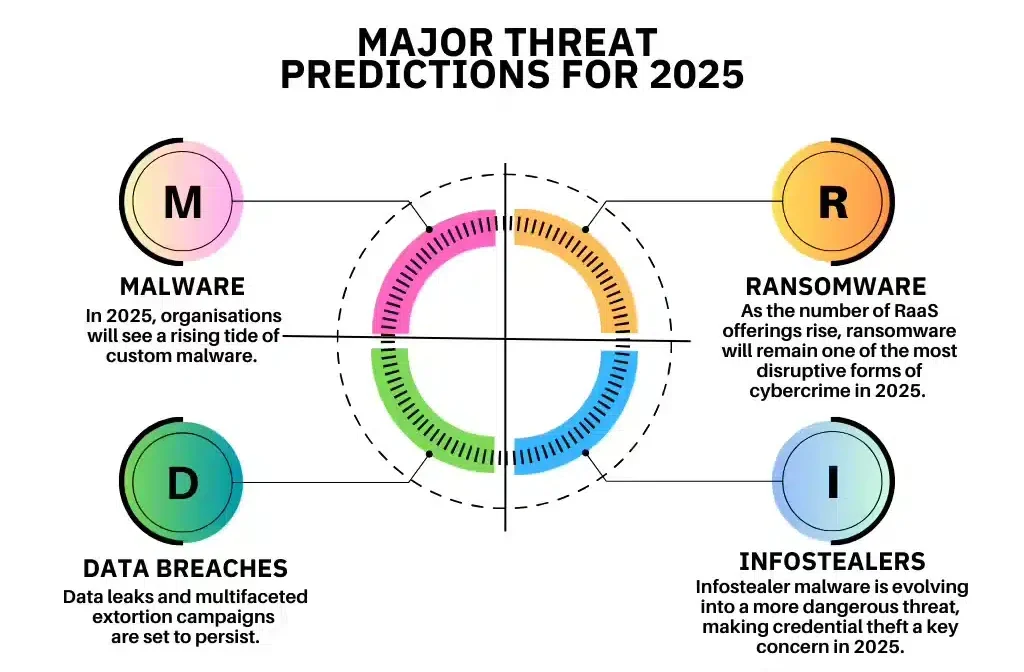
The e-commercesecurity landscape in 2025 has become increasingly dangerous as cybercriminals deploy sophisticated AI-powered attacks and exploit emerging vulnerabilities. It is dominated by increasingly advanced cyber threats, sophisticated payment fraud, to large-scale data breaches and targeted phishing designed to compromise customer accounts.
As online shopping continues to grow, so do the vulnerabilities within ecommerce platforms, APIs, third-party apps, and digital payment systems. Online retailers must strengthen online store security, protect customer data, and reduce exposure to emerging cybersecurity risks that can damage revenue and reputation. This complete analysis highlights the most critical ecommerce threats of 2025 and provides actionable strategies to help businesses stay secure in an evolving digital environment.
“More than 30,000 vulnerabilities were disclosed last year, a 17 percent increase from previous figures, reflecting the steady rise in cyber risks.”
Key Trends Shaping 2025 Threats
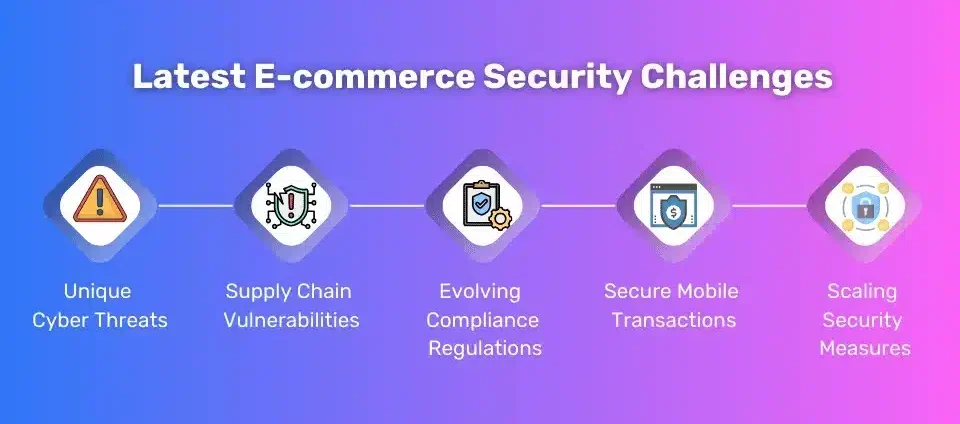
AI-Powered Attack Evolution: Criminals now use artificial intelligence to create more convincing phishing campaigns, automate vulnerability discovery, and evade traditional security defenses. AI enables attackers to operate at unprecedented scale and sophistication.
Third-Party Supply Chain Attacks: According to RSI Security’s 2025 trends analysis:
“Third-party risk is now one of the top attack vectors in ecommerce.”
Criminals compromise vendors, plugins, and service providers to access multiple e-commerce targets through single exploits.
Mobile Commerce Targeting: As mobile shopping grows, attackers increasingly focus on mobile applications, mobile payment systems, and vulnerabilities specific to mobile platforms.
Regulatory Complexity: New compliance requirements like PCI DSS 4.0.1 create additional security challenges as businesses struggle to meet expanding regulatory demands while maintaining operations.
“CosmicSting impacted 75% of Adobe Commerce and Magento platforms, compromising thousands of e-commerce websites in one of 2024’s most widespread attacks.”
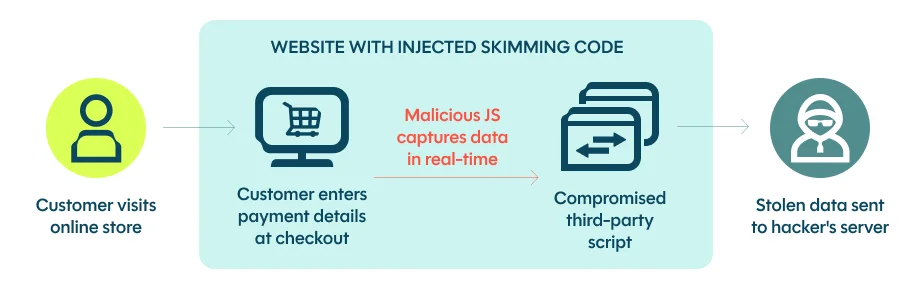
“This code captures credit card information, CVV codes, and personal details as customers enter them, sending data to criminal servers before processing legitimate transactions.”
“Magecart infections skyrocketed by 103% in just six months, demonstrating explosive growth in these attacks.”
Why Magecart is Dangerous: The attacks are difficult to detect because they operate client-side in customer browsers rather than on merchant servers. Traditional security tools don’t see the theft happening, and customers don’t realize their payment information has been stolen until fraudulent charges appear.
Mitigation Priorities: Implement client-side security monitoring, use Content Security Policies (CSP), regularly audit third-party scripts, deploy web application firewalls, and conduct frequent security scans specifically for Magecart indicators.
“Phishing attacks ranked first among the top 10 e-commercesecurity threats in 2025, having evolved beyond generic spam emails to become more personalized and deceptive.”
AI-Enhanced Phishing: Artificial intelligence now generates convincing phishing emails at scale, personalizes messages based on scraped data, creates deepfake voice and video for vishing attacks, and adapts tactics in real-time based on victim responses.
Impact on E-commerce: Successful phishing provides criminals with administrative credentials to access e-commerce platforms, payment systems, and customer databases. Business email compromise stemming from phishing causes billions in losses annually.
Mitigation Priorities: Conduct regular security awareness training with phishing simulations, implement multi-factor authentication on all accounts, deploy advanced email filtering with AI detection, verify requests through secondary channels, and establish clear verification procedures for financial transactions.
3. Ransomware Targeting E-commerce Operations
Ransomware attacks have evolved to specifically target e-commerce businesses because downtime directly equals revenue loss, creating pressure to pay ransoms quickly. Cloud Security Alliance notes that:
“Sophisticated ransomware represents a top emerging threat requiring proactive and adaptive security measures.”
Double Extortion Tactics: Modern ransomware not only encrypts e-commerce databases and systems but also steals customer data before encryption. Criminals threaten to publish stolen payment information and personal data if ransoms aren’t paid, even if businesses can restore from backups.
Supply Chain Ransomware: Attackers increasingly target e-commerce vendors, shipping partners, and payment processors, knowing that disrupting these services impacts multiple online stores simultaneously.
Mitigation Priorities: Implement immutable backup systems following 3-2-1-1 rules, segment networks to contain infections, maintain offline recovery systems, deploy endpoint detection and response solutions, and develop tested incident response procedures.
4. Account Takeover (ATO) Attacks
Account takeover attacks compromise customer accounts through stolen credentials obtained from data breaches, phishing, or credential stuffing. Shopify’s retail cybersecurity guide explains that:
“Criminals use stolen credentials to hack into customer accounts, make unauthorized purchases, or steal personal information.”
Credential Stuffing: Criminals test millions of username-password combinations stolen from other breaches against e-commerce sites. Since many customers reuse passwords, this succeeds at alarming rates.
Impact: Once inside accounts, criminals make fraudulent purchases using stored payment methods, steal loyalty points and gift cards, access personal information for identity theft, and gather data for further targeted attacks.
Mitigation Priorities: Require multi-factor authentication for customer accounts, implement bot detection and CAPTCHA, monitor for credential stuffing patterns, enforce password complexity requirements, alert customers to suspicious login activity, and provide breach notification services.
5. DDoS Attacks Disrupting Operations
Distributed Denial of Service attacks overwhelm e-commerce websites with traffic, making them unavailable to legitimate customers. Astra Security’s threat overview identifies:
“DDoS is a major concern, causing unprotected services to fail.”
Evolving DDoS Tactics: Modern DDoS attacks target application layers rather than just network infrastructure, requiring fewer resources while being harder to mitigate. Some use IoT botnets comprising millions of compromised devices.
Extortion Component: Criminals often demand ransom to stop DDoS attacks, threatening continued downtime if payments aren’t made. Even businesses with DDoS protection face difficult decisions about paying extortion.
Financial Impact: Every minute of downtime costs e-commerce businesses thousands in lost sales. Peak shopping periods like holidays see increased DDoS attacks knowing merchants face maximum pressure to restore operations quickly.
Mitigation Priorities: Deploy cloud-based DDoS protection services, implement traffic filtering and rate limiting, maintain redundant infrastructure, establish incident response procedures for rapid mitigation, and never negotiate with extortionists.
SQL injection remains prevalent because many e-commerce platforms use outdated code or insufficiently validated user inputs. Attackers insert malicious SQL commands through search boxes, product filters, or URL parameters to manipulate database queries.
What Attackers Steal: SQL injection enables criminals to extract entire customer databases including payment information, download order histories and business intelligence, modify product prices or inventory levels, delete critical business data, and gain administrative access to e-commerce platforms.
Mitigation Priorities: Use parameterized queries and prepared statements, implement input validation and sanitization, deploy web application firewalls, conduct regular vulnerability scanning, keep platforms and plugins updated, and follow secure coding practices.
“Third-party risk is now one of the top attack vectors in ecommerce.”
E-commerce businesses integrate numerous plugins, payment processors, analytics tools, and service providers each representing potential security vulnerabilities.
Why Third-Party Attacks Succeed: Criminals compromise a single popular plugin or service that thousands of e-commerce stores use, instantly gaining access to multiple targets through one exploit. The SolarWinds and other major supply chain attacks demonstrate this approach’s effectiveness.
Recent Examples: The CosmicSting vulnerability affecting 75% of Adobe Commerce and Magento platforms showed how single vulnerabilities in popular platforms can compromise thousands of online stores simultaneously.
Mitigation Priorities: Conduct vendor security assessments before integration, monitor third-party services for security updates, implement least-privilege access for external services, maintain inventories of all integrated services, establish contractual security requirements with vendors, and have contingency plans for vendor breaches.
“how fraud trends in 2025 highlight growing risks in eCommerce.”
AI-Driven Threats Include:
Automated account creation and credential stuffing
Smart bots that mimic human behavior to evade detection
AI-generated fake reviews and ratings manipulation
Intelligent price scraping and competitive intelligence theft
Automated vulnerability discovery and exploitation
Scalper bots purchasing limited inventory for resale
Mitigation Priorities: Deploy AI-powered fraud detection systems, implement behavioral analysis and anomaly detection, use advanced CAPTCHA and bot detection, monitor for unusual purchasing patterns, establish rate limiting and velocity checks, and continuously update bot mitigation strategies as attacks evolve.
9. Mobile Commerce Vulnerabilities
Mobile shopping growth has created new attack surfaces as criminals exploit mobile-specific vulnerabilities. Mobile applications often have weaker security than websites, mobile users are more susceptible to phishing on smaller screens, and public Wi-Fi creates man-in-the-middle attack opportunities.
Mobile-Specific Threats: Malicious apps mimicking legitimate stores, SMS phishing (smishing) with fake delivery notifications, insecure mobile payment implementations, session hijacking on mobile devices, and malware targeting mobile banking applications.
Mitigation Priorities: Implement certificate pinning in mobile apps, use secure coding practices for mobile development, conduct mobile-specific penetration testing, educate customers about mobile security risks, require biometric authentication, and monitor app stores for fake versions of your application.
10. Payment Fraud and Chargeback Abuse
Payment fraud continues evolving with criminals using stolen card data, synthetic identities, and chargeback abuse to defraud e-commerce merchants. Binmile’s security analysis notes that:
“2025 threats have shown an increase in proximity-based and infrastructure-oriented attack methods.”
Chargeback Fraud: Customers receive products or services but dispute charges with banks, claiming they never authorized purchases or received items. While sometimes legitimate, organized chargeback fraud costs merchants significantly.
Mitigation Priorities: Implement strong authentication including 3D Secure, use address verification systems (AVS) and CVV validation, deploy AI-powered fraud detection analyzing purchasing patterns, maintain detailed transaction records and proof of delivery, establish clear refund and return policies, and respond promptly to chargeback claims with evidence.
“103% increase in Magecart infections in just six months, showing explosive growth in digital skimming.”
Platform Compromise: The CosmicSting attack impacted 75% of Adobe Commerce and Magento platforms, demonstrating how a single vulnerability can affect thousands of stores.
Financial Impact: Global cybercrime costs reach $10.5 trillion annually, with e-commerce representing a significant portion due to valuable payment data and customer information.
Implement Multi-Factor Authentication: Require MFA for all administrative accounts, customer accounts handling payment methods, and access to sensitive business systems.
Deploy Web Application Firewalls: Use WAFs specifically configured for e-commerce threats including SQL injection, XSS, and Magecart detection.
Establish Security Monitoring: Implement 24/7 monitoring for suspicious activity, failed login attempts, unusual transactions, and security incidents.
Update Everything: Keep platforms, plugins, and all software current with latest security patches. Subscribe to security bulletins for technologies you use.
Conduct Employee Training: Regular security awareness training focusing on phishing recognition, social engineering tactics, and secure business practices.
Medium-Term Priorities
Implement Client-Side Security: Deploy tools specifically monitoring JavaScript execution on payment pages to detect Magecart and similar attacks.
Enhance Fraud Detection: Use AI-powered fraud detection analyzing purchasing patterns, device fingerprinting, and behavioral analytics.
Plan for Incidents: Develop comprehensive business continuity and disaster recovery plans tested through regular exercises.
Conclusion
The e-commerce threat landscape in 2025 is more dangerous than ever, with AI-powered attacks, sophisticated Magecart campaigns, third-party compromises, and emerging mobile threats creating unprecedented challenges for online merchants. The 103% surge in Magecart infections, 75% platform compromise rates, and $10.5 trillion global cybercrime costs demonstrate the severity and scale of threats facing e-commerce businesses.
However, e-commerce merchants can protect themselves through comprehensive security strategies addressing the top threats identified in this analysis. Prioritizing multi-factor authentication, web application firewalls, security monitoring, regular updates, employee training, client-side security, fraud detection, third-party management, incident response, and regular assessments creates layered defenses that significantly reduce risk.
The key to e-commercesecurity in 2025 is understanding that threats continuously evolve, requiring adaptive, proactive approaches rather than reactive responses. Merchants must invest in security as a fundamental business requirement rather than an optional expense, recognizing that customer trust and business survival depend on effective threat mitigation.
By implementing the mitigation priorities outlined in this guide and staying informed about emerging threats, e-commerce businesses can navigate the challenging 2025 threat landscape while protecting customers, maintaining operations, and building competitive advantages through superior security.
Frequently Asked Questions
What are the most significant e-commercesecurity threats emerging in 2025?
The leading threats in 2025 include AI-powered phishing attacks, automated credential-stuffing using large botnets, supply-chain compromises in third-party integrations, deepfake-enabled fraud, and increasingly sophisticated API exploitation targeting checkout systems
AI is enabling attackers to generate highly personalized phishing messages, automate large-scale login attempts, mimic user behavior to bypass fraud filters, and create deepfake identities that appear legitimate during onboarding and payment verification.
Why are APIs becoming a major vulnerability for online retailers?
As e-commerce platforms rely heavily on APIs for payments, inventory sync, and logistics, attackers are focusing on API endpoints to extract data, manipulate order flows, or execute unauthorized transactions. Poor access controls and weak authentication amplify this risk.
What steps can businesses take to mitigate 2025’s new e-commerce threats?
Companies should adopt zero-trust access models, deploy AI-enhanced fraud detection, enforce strong API authentication, conduct frequent penetration testing, and monitor third-party integrations for abnormal behavior or update delays.
How can retailers protect customers from increasing identity and payment fraud?
Key measures include multi-factor authentication, real-time transaction monitoring, tokenization of payment data, device fingerprinting, and continuous verification of account activity using behavioral analytics.
The leaked U.S. 28-point Russia-Ukraine peace plan has sparked intense global reactions, sending diplomatic shockwaves through world capitals regarding the future of the conflict.
A widely leaked 28-point U.S.peace plan for Russia and Ukraine proposes significant territorial, military, and constitutional concessions from Ukraine, drawing mixed reactions amid ongoing conflict and diplomatic tension.
Key Proposals and Ukrainian Sovereignty Concerns
The draft suggests Ukraine hand over control of parts of the eastern Donbas region still under its authority to Russia’s de facto control, including cities like Slovyansk and Kramatorsk. It also calls for limiting Ukraine’s armed forces to 600,000 personnel, a sharp reduction from the approximately 880,000 active military personnel as of early 2025.
While the plan purports to confirm Ukraine’s sovereignty and envisions security guarantees and snap elections within 100 days of signing, details remain vague. Ukrainian representatives firmly reject any recognition of territorial concessions, emphasizing that:
“There will never be any recognition formal or otherwise of Ukrainian territory temporarily occupied by the Russian Federation as Russian.”
The draft mandates Ukraine enshrine in its constitution a renunciation of Nato membership and includes Nato agreeing not to admit Ukraine in the future while offering UkraineEU membership eligibility and short-term market access.
It requires Ukraine to become a non-nuclear state and prohibits the stationing of foreign troops on its soil, though European fighter jets would be stationed in neighboring Poland.
These provisions highlight the geopolitical compromises Ukraine would need to accept, variance from its constitutional aspirations and current alliances.
Economic and Reconstruction Provisions
The plan proposes allocating $100 billion from frozen Russian assets toward US-led reconstruction efforts in Ukraine, with the U.S. retaining half the profits and Europe contributing additional investment.
While acknowledging the massive $524 billion estimated rebuilding cost, the plan leaves significant questions about sufficiency and equitable support unanswered.
Russia’s Reintegration and Amnesty Clauses
Several points focus on reintegrating Russia into the global economy, including readmittance to the G8, despite ongoing international sanctions and Putin’s ICC arrest warrant.
It also calls for a “full amnesty” for all parties involved, a contentious measure likely to be welcomed in Moscow but heavily resisted in Kyiv and Europe.
Reception and Uncertainties
Senior officials acknowledge the draft is a work in progress, with some details already revised or omitted. European Union officials and the Russian foreign ministry report not having officially seen the plan.
Ukrainian leaders and commentators largely view the document as skewed towards Russia’s interests and far from an acceptable peace treaty.
High-profile figures like Putin have urged Kyiv to consider agreeing to the terms, portraying the military situation as compelling their hand.
Bottom line
This US draft proposal marks a delicate and controversial attempt to end the Russian-Ukrainian conflict, balancing complex military realities, geopolitical interests, and the urgent need for peace. However, significant objections from Ukraine and Europe, opaque security guarantees, and the contentious territorial and military stipulations render it far from a finalized or universally accepted peace roadmap.
This comprehensive guide breaks down the key differences between privacy and security, explores their connection through the CIA Triad, and reveals why both are critical for strong digital protection.
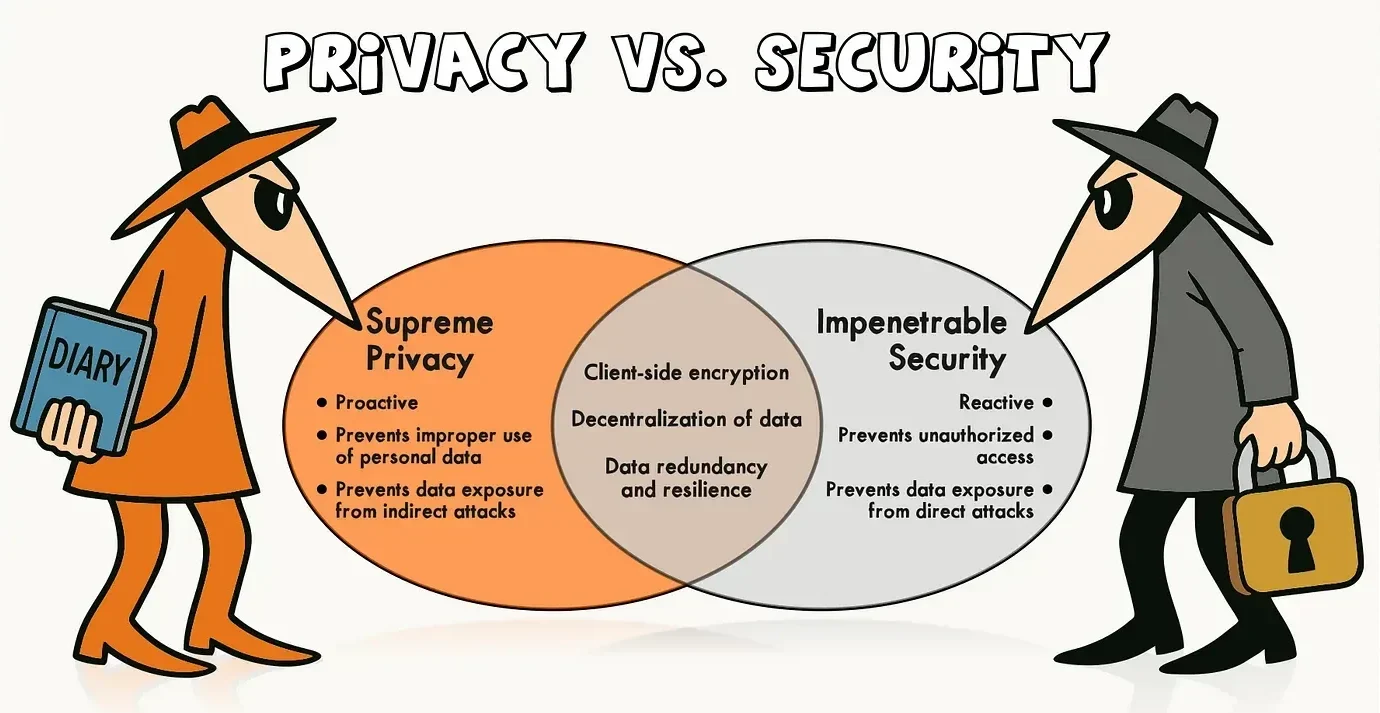
In today’s digital age, the debate of privacy vs. security has become more important than ever. While privacy focuses on protecting personal data and controlling who has access to it, security involves the tools and strategies used to defend that data from cyber threats. Understanding the key differences between privacy and security helps individuals and businesses make informed decisions about data protection, online safety, and compliance. Privacy and security are terms people often use interchangeably, but they represent distinct concepts that work together to protect your digital life.
“Security focuses on protecting systems and data from threats, while privacy is about controlling how personal data is collected and used.”
Understanding these differences is critical, according to Okta:
“The main difference between data privacy and security is that Data Privacy involves how your data is used and controlled, while security protects this data.”
Privacy and Security Overview: Defining the Concepts
Before exploring differences, it is important to have a clear understanding of what privacy and security actually mean in the digital context.
“Focusing on the protection of systems, assets, information, facilities, and data that an organization decides to safeguard, as well as the methods it employs to do so.”
Security is about protection against threats, unauthorized access, attacks, damage, or theft.
Security concerns the following queries:
How do we protect data from unauthorized access?
What measures prevent breaches?
How do we detect and respond to attacks?
Can we maintain system availability during incidents?
Security implements technical controls like firewalls, encryption, access controls, antivirus software, intrusion detection systems, and multi-factor authentication. These measures protect against external threats (hackers, malware) and internal risks (employee errors, insider threats).
What Is Privacy?
Privacy concerns about who has access to your information and how they use it.
Privacy involves legal rights, consent mechanisms, data usage policies, and individual control over personal information. While security protects data from unauthorized access, privacy governs what authorized parties can do with your information once they access it.
“Security is all about protecting access to your data, whereas privacy is about controlling what people are allowed to do with the information once it is accessed.”
Think of it this way: Security is the lock on your door, preventing burglars from entering your house. Privacy is the rules about what guests who are allowed inside can do, which rooms they can enter, what they can touch, and what they can tell others about what they saw.
“Security implements protection of sensitive data against unauthorized access.”
Security’s Role in Confidentiality: Encryption protects data from unauthorized viewing, access controls limit who can view information, authentication verifies user identities, and authorization determines what users can access.
Privacy’s Role in Confidentiality: Privacy defines who should be authorized, establishes consent requirements for data access, specifies legitimate purposes for accessing information, and grants individuals rights to control their data.
Example: A hospital’s security systems ensure only authorized staff can access medical records (confidentiality through security). Privacy rules determine which staff members should have authorization and what they can do with accessed information (confidentiality through privacy).
Integrity: Maintaining Data Accuracy
Integrity ensures that information remains accurate, complete, and unaltered except through authorized processes. This protects against unauthorized modification, corruption, or deletion of data.
Security’s Role in Integrity: Digital signatures verify data hasn’t been tampered with, checksums detect unauthorized modifications, version control tracks changes, and backup systems enable recovery from data corruption.
Privacy’s Role in Integrity: Privacylaws often include data accuracy requirements, individuals have rights to correct inaccurate information, organizations must maintain current and accurate records, and data minimization reduces integrity risks.
Example: Security systems prevent hackers from modifying your bank balance (integrity through security). Privacy rights let you correct errors in your credit report (integrity through privacy).
Availability: Ensuring Access When Needed
Availability ensures that information and systems remain accessible to authorized users when needed. This involves maintaining uptime, redundancy, and recovery capabilities.
Security’s Role in Availability: DDoS protection prevents attacks that shut down systems, redundant systems maintain operations during failures, disaster recovery restores operations after incidents, and backup systems provide alternative access.
Privacy’s Role in Availability: Privacy regulations require organizations to provide data access to individuals, timely responses to data requests, and continued service availability while respecting privacy rights.
Example: Security teams prevent ransomware from locking your files (availability through security). Privacylaws require companies to provide your data when you request it (availability through privacy).
Key Differences Between Privacy and Security
Understanding specific differences helps organizations and individuals implement both effectively:
Focus and Scope
Security Focus: Protecting against threats, preventing unauthorized access, detecting attacks, and responding to incidents. Security is threat-centric, focusing on what could go wrong and how to prevent it.
Privacy Focus: Controlling appropriate use of data, respecting individual rights, ensuring consent and transparency, and managing data throughout its lifecycle. Privacy is rights-centric, focusing on proper data handling even by authorized parties.
“Security controls are put in place to control who can access the information, while privacy is more granular, controlling what and when they can access specific data.”
Security Responsibility: Typically falls to IT departments, security teams, and Chief Information Security Officers (CISOs). Security is seen as a technical function protecting infrastructure and systems.
Privacy Responsibility: Often managed by legal departments, compliance teams, and Chief Privacy Officers (CPOs) or Data Protection Officers (DPOs). Privacy is viewed as a governance and compliance function managing data rights and obligations.
However, effective programs require collaboration between security and privacy teams since they address interconnected challenges.
While privacy and security differ, they’re deeply interconnected and mutually reinforcing:
Security Enables Privacy
You cannot have privacy without security. If your systems aren’t secure, unauthorized parties can access private information regardless of privacy policies.
Strong security measures are prerequisites for privacy protection. Encryption, access controls, and authentication mechanisms provide the foundation that privacy policies build upon.
Privacy Guides Security
Privacy requirements shape security implementations. Privacylaws mandate specific security controls, data protection impact assessments identify security risks, and consent requirements determine who should have access.
“Cybersecurity implements access and security protections.”
However, it doesn’t respond to all the types of user rights covered by privacylaws. For a comprehensive cybersecurity and data privacy program, you need to have the technologies, people, and processes to achieve all three requirements.
Real-World Examples of Interconnection
Healthcare Scenario: HIPAA includes both Security Rule (protecting patient data from breaches) and Privacy Rule (governing who can access records and for what purposes).
“The Security Rule requires protection of sensitive data against unauthorized access, while the Privacy Rule specifies who is granted authorization or has the right to grant authorization.”
Banking Example: Bank security systems prevent hackers from accessing accounts. Privacy rules determine which bank employees can view your transactions and prohibit sharing your financial information without consent.
Social Media Case: Platform security protects your account from unauthorized access. Privacy settings control which authorized users (your friends, the platform itself) can see your posts and how the platform uses your data.
The Risk of Focusing on Only One
Organizations that focus solely on security without privacy:
May collect excessive data creating unnecessary risks
Practical Implications for Organizations and Individuals
Understanding privacy versus security has practical applications:
For Organizations
Build Integrated Programs: Don’t treat privacy and security as separate initiatives. Create programs where security teams and privacy officers collaborate from the start.
Implement by Design: Build privacy and security into products and services from inception rather than adding them later. Privacy by design and security by design should be standard practices.
Train Employees: Ensure staff understand both security procedures and privacy obligations. Many breaches result from employees who understand security but violate privacy through improper data use.
Balance Requirements: Sometimes privacy and security create tensions. For example, data minimization (privacy) versus logging for threat detection (security). Organizations must carefully balance competing requirements.
For Individuals
Use Security Tools: Employ strong passwords, multi-factor authentication, encryption, and antivirus software to protect your data from unauthorized access.
Exercise Privacy Rights: Review privacy policies, adjust privacy settings, opt-out of unnecessary data collection, and request deletion of data you no longer want shared.
Understand Limitations: Recognize that strong security doesn’t guarantee privacy. A secure platform can still misuse your data or share it with third parties.
Make Informed Choices: Consider both security and privacy when choosing services. A secure platform that shares your data extensively may be less desirable than a somewhat less secure one that respects privacy.
Stay Informed: Privacylaws and security threats constantly evolve. Stay current on your rights and emerging threats to make informed decisions.
Conclusion
Privacy and security are distinct but complementary concepts essential for protecting your digital life. Security focuses on defending systems and data against threats through technical controls, monitoring, and incident response. Privacy concerns controlling how personal information is collected, used, and shared through policies, consent, and individual rights.
The CIA Triad, which includes confidentiality, integrity, and availability, provides a framework showing how security and privacy intersect. Security protects confidentiality through technical controls, while privacy defines who should be authorized. Security maintains integrity through technical measures while privacy grants correction rights. Security ensures availability through redundancy, while privacy requires access to personal data.
Key differences include their focus (threats vs rights), questions addressed (protection vs control), implementation methods (technical vs governance), regulatory frameworks (security standards vs privacylaws), and success metrics. However, these differences don’t make privacy and security separate concerns; they’re deeply interconnected. You need security to enforce privacy, and privacy requirements guide security implementations.
For organizations, effective data protection requires integrated programs addressing both security threats and privacy obligations. For individuals, protecting yourself means using security tools while exercising privacy rights. Understanding the difference between privacy and security empowers you to make informed decisions about your digital protection in 2025’s complex technological landscape.
Frequently Asked Questions
What is the difference between privacy and security in 2025?
Security protects data from hackers and breaches, while privacy controls how collected data is used or shared. Security defends access; privacy ensures control, consent, and responsible data handling.
Privacy and security protect your personal data from misuse and attacks. Security prevents breaches, while privacy ensures ethical use and compliance with global data protectionlaws like GDPR.
How does the CIA Triad relate to privacy and security?
The CIA Triad, which includes Confidentiality, Integrity, and Availability, links privacy and security by keeping data safe, accurate, and accessible while ensuring authorized and ethical information use.
What are examples of privacy and security working together?
Hospitals secure patient data, while privacylaws control access. Banks protect accounts, and privacy limits data sharing. Both combine to ensure safe, lawful, and ethical data management.
How can individuals protect their privacy and security online?
Use strong passwords, enable two-factor authentication, update software, manage privacy settings, and limit data sharing to stay safe online and maintain complete digital protection in 2025.
This definitive legal guide explains the major conservationlaws globally, from international treaties to national legislation, helping you understand how these laws protect our natural environment.
Conservationlaws represent the critical legal frameworks protecting Earth’s biodiversity, ecosystems, and natural resources from exploitation and destruction. By setting boundaries on human activities such as land development, wildlife harvesting, pollution, and resource extraction, these laws help maintain ecological balance and protect vulnerable species and habitats. They provide governments and communities with the tools to regulate environmental impacts, enforce sustainable practices, and ensure that natural systems can continue to support life for generations to come.
What Are Conservation Laws?
Conservationlaws are legal rules, treaties, and regulations designed to protect natural resources, including forests, wildlife, oceans, air quality, and biodiversity. These laws balance human use of nature with long-term ecologicalsustainability, ensuring future generations inherit a livable planet.
“The Convention on Biological Diversity has three main goals: the conservation of biological diversity (or biodiversity); the sustainable use of its components; and the fair and equitable sharing of benefits arising from genetic resources.”
Why Conservation Laws Matter More Than Ever in 2025
“The Kunming-Montreal Framework sets ambitious global targets to halt and reverse biodiversity loss by 2030.”
This includes commitments to designate at least 30% of global land and sea as protected areas known as the “30 by 30” initiative.
Biodiversity Crisis: Species extinction rates have accelerated dramatically, with the World Economic Forum reporting critical biodiversity loss across all ecosystems.
Legal Accountability: Conservation is no longer merely ecological; it has become a legal and economic obligation enforceable through national laws and international treaties.
“The Convention on Biological Diversity covers biodiversity at all levels: ecosystems, species and genetic resources. It also covers biotechnology, including through the Cartagena Protocol on Biosafety.”
With 196 Parties, the CBD creates binding obligations for member states to:
“Provides a transparent legal framework for the effective implementation of benefit-sharing from genetic resources.”
TheKunming-Montreal Global Biodiversity Framework
KMGBF was adopted during the fifteenth meeting of the Conference of the Parties (COP 15) following a four-year consultation and negotiation process.This historic Framework, which supports the achievement of the Sustainable Development Goals and builds on the Convention’s previous Strategic Plans, sets out an ambitious pathway to reach the global vision of a world living in harmony with nature by 2050.
“The Kunming-Montreal Global BiodiversityFramework (KMGBF) consists of four long-term Goals to be achieved by 2050 and 23 action-oriented Targets to be completed by 2030”
This is achieved with the overarching purpose of :
“Halting and reversing the ongoing global loss of biodiversity by 2030.”
“COP 16’s successful conclusion in 2025 established biodiversity finance mechanisms and a full set of indicators to measure progress toward Framework goals.”
Convention on International Trade in Endangered Species (1973)
“CITES is a global treaty to ensure international trade in wild plants and animals is legal, traceable, and biologically sustainable, with 185 Parties including 184 countries and the European Union.”
The 20th Conference of the Parties (CoP20) scheduled for November 24-December 5, 2025, in Samarkand, Uzbekistan, will mark CITES’ 50th anniversary. Happy Eco News reports that:
World Heritage Convention (1972): Safeguards cultural and natural heritage sites of outstanding universal value.
Convention on Migratory Species (CMS, 1979): Protects migratory wildlife species crossing international boundaries, requiring cooperation among range states.
UN Convention to Combat Desertification (UNCCD, 1994): Addresses land degradation and desertification affecting arid regions globally.
National Environmental Policy Act (NEPA, 1969): Requires environmental impact assessments for major federal actions, ensuring decision-makers consider environmental consequences.
Lacey Act (1900, amended): Prohibits illegal wildlife trade, making it unlawful to import, export, transport, sell, receive, or acquire wildlife taken in violation of any law.
Marine Mammal Protection Act (1972): Protects marine mammals with prohibitions on taking and importing marine mammals and their products.
European Union Conservation Legislation
EU Habitats Directive (1992): Creates Natura 2000 network of protected areas across EU member states, protecting endangered habitats and species.
EU Birds Directive (1979): Protects all naturally occurring wild bird species in Europe, designating Special Protection Areas (SPAs).
EUBiodiversity Strategy 2030: Establishes legally binding restoration targets requiring member states to restore degraded ecosystems and increase protected areas to 30% of land and sea.
Nature Restoration Law (2024): Mandates ecosystem restoration across EU territories with specific targets and timelines.
United Kingdom Post-Brexit Framework
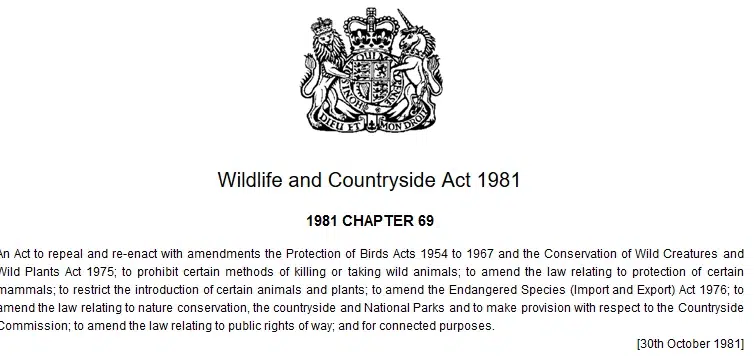
Wildlife and Countryside Act (1981): Regulates species and habitat protection throughout the UK.
Environment Act (2021): Introduces biodiversity net gain requirements, mandating that development projects deliver at least 10% biodiversity improvement.
“The UK ratified CITES in August 1976 and will continue to be a Party to CITES post-Brexit, implementing wildlife trade regulations domestically.”
India’s Conservation Legal System
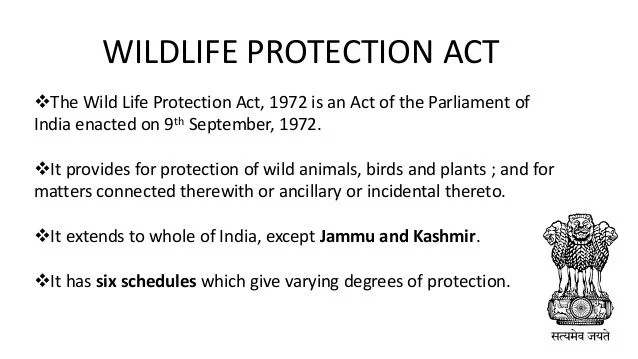
Wildlife Protection Act (1972): Creates national parks and wildlife sanctuaries, establishing schedules protecting species with varying degrees of protection and penalties for violations.
Forest Conservation Act (1980): Regulates forest use and restricts deforestation, requiring central government approval for diverting forest land to non-forest purposes.
Biological Diversity Act (2002): Aligns with CBD commitments, regulating access to biological resources and associated traditional knowledge.
Other National Frameworks
Brazil – Forest Code: Mandates legal reserves in the Amazon, requiring landowners to maintain specified percentages of native vegetation.
Kenya – Wildlife Conservation and Management Act (2013): Modernizes wildlife protection with enhanced penalties and community involvement provisions.
China – Wildlife Protection Law (revised 2021): Integrates conservation with climate law, strengthening protection for endangered species and habitat.
Legal Tools and Enforcement Mechanisms
Conservation law employs diverse legal instruments to achieve protection goals:
Protected Area Designation
Legal frameworks establish national parks, wildlife sanctuaries, marine protected areas, and wilderness areas with specific use restrictions and management requirements.
Permitting Systems
Licensing requirements for hunting, fishing, land use, resource extraction, and wildlife trade ensure sustainable practices.
“A system of permits and certificates authorizing trade in listed species.”
Environmental Impact Assessments (EIA)
Mandatory reviews before major projects prevent or mitigateenvironmental damage. NEPA in the US and similar laws globally require proponents to assess and disclose environmental consequences.
“The KMGBF acknowledges in an unprecedented manner the important contributions and roles of Indigenous Peoples in the conservation and sustainable use of biodiversity.”
Courtsworldwide are granting legal personhood to ecosystems, rivers, and natural features. Colombia’s Supreme Court recognized the Amazon as a legal person in 2018, establishing rights enforceable by citizens.
Indigenous Rights Integration
The ILO Convention 169 and KMGBF explicitly integrate indigenous rights into conservation frameworks.
“Implementation includes the empowerment of indigenous peoples and local communities, smallholders and family farmers, women and youth.”
Human Right to Healthy Environment
The UN Human Right to a Healthy Environment, recognized in 2022, influences national legislation globally, establishing environmental quality as a fundamental human right.
Taskforce on Nature-related Financial Disclosures (TNFD): ESGbiodiversity reporting standards requiring companies to disclose nature-related risks and dependencies.
Biodiversity Net Gain Requirements: Laws like UK’s Environment Act mandate that development projects deliver measurable biodiversity improvements.
Non-compliance results in financial penalties, trade restrictions, license revocations, and reputational damage affecting market value and stakeholder trust.
Emerging Trends and Future Developments
Conservation law continues evolving to address emerging challenges:
Ecocide Recognition: Campaigns to recognize large-scale environmental destruction as an international crime prosecutable like genocide.
Nature-Positive Economy: Legal frameworks shifting from minimizing harm to requiring positive environmental contributions.
Digital Technologies: AI, satellite monitoring, and blockchain creating new possibilities for compliance verification and enforcement.
Climate-Biodiversity Integration: Unified frameworks addressing interconnected climate and biodiversity crises.
Conclusion
Conservationlaws represent humanity’s legal commitment to protecting the natural world upon which all life depends. From the Convention on Biological Diversity’s comprehensive framework to CITES’ species trade regulation to national legislation protecting forests and wildlife, these laws create enforceable obligations for governments, businesses, and individuals.
The Kunming-Montreal Global BiodiversityFramework sets ambitious targets for 2030 and 2050, with COP 16’s 2025 completion establishing mechanisms to achieve these goals. Success requires implementation of these legal frameworks with adequate financing, effective enforcement, and meaningful participation by indigenous peoples and local communities.
As biodiversity loss accelerates and climate change intensifies, conservation law will continue evolving from voluntary protection toward mandatory legal accountability. The coming decade will determine whether we successfully halt and reverse biodiversity loss or allow continued ecosystem collapse threatening human survival.
Understanding conservation law empowers everyone to participate in protecting nature—whether through supporting conservation organizations, ensuring business compliance, advocating for stronger legislation, or exercising rights to participate in environmental decisions. The laws exist; implementation requires collective action at all levels of society.
Glossary
Appendices (CITES): Three lists categorizing species by protection level needed
CITES regulates international trade through a permit system, with species listed in three appendices based on protection needs. Trade in Appendix I species (threatened with extinction) is permitted only in exceptional circumstances.
The Kunming-Montreal Global BiodiversityFramework commits parties to protecting at least 30% of global land and sea areas by 2030, creating connected networks of protected areas.
Can businesses be held liable for biodiversity damage?
What role do indigenous peoples play in conservation law?
Modern frameworks explicitly recognize indigenous peoples’ vital role in conservation. The KMGBF includes indigenous rights in multiple targets, requiring respectful partnership in implementation.
UK Home Secretary announces major asylum reforms to speed up the removal of families with failed applications and strengthen the immigration system.
Home Secretary Shabana Mahmood has announced sweeping reforms to the UK’s asylum policy, aiming to remove more families with failed asylum claims and tighten controls across the system. Speaking in the Commons, Mahmood emphasized the government’s commitment to restoring “order and control” over the borders amid rising asylum applications.
Tougher Removal Policies for Failed Asylum Seekers
Under the new measures, the Home Office will accelerate removals, including families currently not being deported even when their home countries are deemed safe. These new measures are described by some as Danish-style strict asylum rules, which seek to introduce a tougher, more controlled framework for asylum seekers.
Mahmood stated:
“We will remove people we have not removed before, including families who have a safe home country they can return to.”
This marks a shift to a more “hard-headed” approach to immigrationenforcement, targeting those exploiting the system through multiple appeals or other legal avenues.
Temporary Refugee Status and End of Guaranteed Housing
The reforms introduce temporary refugee status, ending guaranteed housing and support for asylum seekers. Those able to work or with assets are expected to contribute to their own costs.
Mahmood announced plans to scrap the automatic right to family reunification for refugees, narrowing the definition of family to parents and children only.
The government also proposes tighter controls over claims under Article 8 of the European Convention on Human Rights (ECHR), focusing removal appeals only from those residing in the UK.
Political Reactions and Debates
The policy proposals have sparked debate within Parliament and across political parties. Conservative leader Kemi Badenoch called the reforms “not enough, but it’s a start,” praising Mahmood’s “fresh energy” while criticizing Labour’s previous inaction.
Labour MPs have raised concerns over human rights impacts and potential hardships, with Jeremy Corbyn branding the changes “draconian” and accusing the government of appeasing right-wing factions. The Scottish National Party warned the reforms risk forcing refugees into destitution.
Here is a quick recap:
UK Home Secretary Addresses Concerns on Children’s Security
Labour’s John McDonnell questioned Home Secretary Shabana Mahmood on assurances that no child would be detained under the new asylum policy changes. He argued that the threat of removal undermines the security of children and their families.
Mahmood responded that the plans would undergo an equality impact assessment and reaffirmed:
“This country is fundamentally open, tolerant and generous.”
She assured MPs explicitly:
“In case the microphone did not pick up my answer on the detention of children, I can give him the assurance he sought.”
Mahmood Refutes Claims of ‘Imitating Reform’
Plaid Cymru’s Liz Saville Roberts accused the government of “stoking fear and division” and stated that:
Mahmood dismissed this as “just unserious” and brushed off references to the Reform Party. She emphasized that the government’s proposals aim to fix a “broken system” affecting communities across the UK.
Corbyn Labels Asylum Changes ‘Draconian’
Independent MP Jeremy Corbyn criticized the asylum reforms as “draconian measures” targeting refugees. He highlighted that many recent arrivals come from war-torn Afghanistan.
MP Jeremy Corbyn accused Mahmood of pandering to “right-wing racist forces” by moving away from the European Convention on Human Rights (ECHR).
Mahmood countered that bespoke resettlement schemes exist for Afghan refugees and the reforms are designed to secure safe and legal routes.
Green Party Warns Against Deepening Divisions
Green Party MP Carla Denyer argued that “toxic, racist narratives and scapegoating of migrants” are the real divisive forces, not those seeking sanctuary.
She cautioned that attempting to “out-Reform Reform” would worsen social divisions.
Mahmood stated she was focused on addressing the genuine problems in the asylum system and accused the Greens of hypocrisy for opposing asylum accommodation locally.
Reform UK MP Challenges Home Secretary
Reform MP Danny Kruger welcomed the tone of Mahmood’s rhetoric but challenged Labour’s policies, asserting that Reform does not grant “illegal immigrants” extended rights or bend laws around the ECHR.
Mahmood dismissed his invitation to join Reform UK with a firm “Over my dead body,” noting there was no question to answer.
SNP Criticizes Asylum Reforms for Causing Destitution
Scottish National Party’s Pete Wishart condemned the new policy for forcing refugees into destitution and blocking citizenship paths.
Mahmood retorted, noting that Tommy Robinson’s reception of the reforms was unsurprising and that the SNP defends a “broken status quo” in Scotland.
Negotiations on “Return Hubs” Underway
Conservative MP Saqib Bhatti inquired about countries the UK is negotiating with to establish “return hubs” for failed asylum seekers instead of sending them back to their home countries.
Mahmood confirmed ongoing active negotiations and indicated announcements would be forthcoming.
Earlier Deportations for Foreign Offenders Promised
Labour MP Derek Twigg raised concerns about repeat asylum applications from foreign nationals previously deported after committing crimes.
Mahmood stressed the government’s intent on “earlier deportations of foreign national offenders” supported by sentencing reforms, insisting offenders must face the:
“full force of the law.”
Calls for Bolder Action on Asylum Hotels
Conservative Ashley Fox pressed Mahmood to be “bolder” in emptying hotels used to house migrants, advocating automatic detention and deportation for illegal arrivals.
Mahmood rejected lessons from parties that previously introduced hotel housing, reaffirming the government’s commitment to end this practice by Parliament’s end.
Concerns Over Impact on Legal Migration
Lib Dem MP Christine Jardine questioned if tough reforms risk deterring needed legal migrants for roles like NHS workers.
Mahmood responded that there is “no reason to believe that” and noted similar numbers come illegally by small boats as by legal routes, who then apply for asylum, emphasizing the need to stop:
Dame Karen Bradley asked about a deferred payment scheme for asylum seekers similar to student loans.
Mahmood acknowledged government exploration of further contributions but stated it is not part of the currently announced reforms.
Home Secretary Rejects Deportation Targets
Labour MP Graham Stringer suggested setting public targets for deportations to evaluate policy effectiveness.
Mahmood refused “arbitrary targets or caps,” committing instead to delivering reforms and assessing impact as implementation proceeds.
Criticism Over Divisive Language and Work Restrictions
Lib Dem spokesperson Max Wilkinson accused Mahmood of stoking division by saying immigration is:
“tearing the country apart.”
He challenged the plan to revoke housing duties while still banning asylum seekers from working for the first 12 months.
Mahmood countered by highlighting the real divisions migration creates and her personal experience with racial abuse, urging Parliamentarians to reflect the public’s lived reality.
Labour MP Questions Resource Impact
Labour MP Florence Eshalomi asked if additional assessments would strain resources and worsen processing delays.
Mahmood admitted the need for administration and resources but expressed confidence in successful implementation.
Mahmood Affirms Commitment to ECHR
Responding to criticisms, Mahmood stated the UK will “never” leave the European Convention on Human Rights despite Conservative calls.
She cited a 23% increase in removals under Labour compared with the prior Conservative period and stressed legal clarity around Article 8 on privacy and family life as a key priority.
Conservative Leader Sees Progress but Warns Measures Insufficient
Opposition leader Kemi Badenoch praised Mahmood’s “fresh energy” but said reforms are:
“not enough, but it is a start.”
Highlighting record Channel crossings and asylum claims since Mahmood’s appointment, Badenoch warned some measures could “take us backwards” and insisted Conservatives know the problem better.
Sponsorship to Become Key Refugee Resettlement Route
Mahmood announced that sponsorship schemes would become the primary method for refugee resettlement.
Voluntary and community organizations will play a larger role, and new routes will be created for displaced students.
She underlined the need to balance openness with restoring “order and controls” amid societal divisions.
Assurances on Non-Return to Torture and ECHR Reform Efforts
Referencing Article 3 of the ECHR, Mahmood pledged:
“We will never return anyone to be tortured in their home country.”
She criticized the broad interpretation of “degrading treatment” and announced efforts alongside European partners to reform these standards at the Council of Europe.
Proposals to Narrow Right to Family Life
Mahmood outlined three government proposals to tighten Article 8 rights:
Redefine family narrowly to parents and children.
Establish a default public interest test favoring removal or refusal.
She confirmed visa bans are threatened on Angola, Democratic Republic of Congo, and Namibia unless these countries cooperate on deportations, sending a broader warning that:
“unless other countries heed this lesson, further sanctions will follow”
Bottom Line
These proposed asylum reforms reflect the UK government’s hardening stance on immigration amid high-profile challenges managing arrivals and appeals. With measures targeting systemic delays, family reunification rules, and judicial interpretation of human rightslaws, the government aims to tighten borders and reduce abuses while facing political opposition and human rights scrutiny.
A $100M energy corruption scandal hits Ukraine’s government just as Russian troops seize two southern villages, deepening the country’s political and military turmoil.
A major $100 million energy corruption scandal has hit Ukraine’s government just as Russian troops advance, capturing two southern villages. Experts warn that the overlap of internal corruption and external military pressure could undermine Kyiv’s strategic decision-making and further destabilize the region.
Zelensky Commits to Rooting Out Energy Sector Corruption
President Volodymyr Zelensky has pledged a thorough overhaul of Ukraine’s state-owned energy companies following the exposure of a $100 million corruption scandal.
This crisis strikes at a critical time as Ukraine already contends with relentless Russian attacks targeting its energy infrastructure, triggering frequent power outages and widespread disruption.
Zelensky has ordered full financial audits and management replacements, particularly focusing on Energoatom, the state nuclear company at the scandal’s center. A new supervisory board is set to be installed within a week as part of swift reforms.
They are all connected to protective contracts for energy plants. Justice Minister Herman Halushchenko, former Deputy Prime Minister Oleksiy Chernyshov, and businessman Timur Mindich, linked to Zelensky’s former TV studio are among those under investigation.
Political fallout included the resignation of two ministers and sanctions against some involved individuals. The scandal has raised concerns about Ukraine’s governance and put international support under scrutiny.
Military Pressure Intensifies in Southern and Eastern Ukraine
Simultaneously, Ukraine faces mounting military pressure from Russian forces. Russia announced the capture of Rivnopillia and Mala Tokmachka villages in the strategic Zaporizhzhia region, where fierce combat continues.
Ukrainian troops have recently withdrawn from positions such as Novovasylivske due to intense Russian assaults aiming to outflank key defensive lines.
The frontline is marked by persistent artillery shelling and hundreds of combat engagements daily. In the east, attention remains on the city of Pokrovsk, a vital logistics hub where Russian infiltration challenges Ukrainian defenses.
Persistent Russian Attacks Strain Ukraine’s Infrastructure and Morale
Russian forces have steadily increased missile and drone strikes targeting Ukrainian cities and crucial energy facilities. These strikes seek to degrade Ukraine’s wartime resilience by disrupting power supplies and civilian life, particularly as winter approaches.
In response, Ukraine has deployed domestically produced long-range missiles against Russian positions and has maintained effective air defenses against many incoming drones, though some damage persists.
This military context compounds the internal difficulties triggered by the corruption scandal, intensifying an already challenging security landscape.
Diplomatic Stalemate and Growing International Concern
Peace talks between Russia and Ukraine remain at a standstill amid ongoing hostilities. A planned summit between U.S. President DonaldTrump and Russian President Vladimir Putin was canceled, symbolizing the diplomatic impasse.
Meanwhile, Western governments supporting Ukraine face increasing pressure to justify aid as corruption allegations surface, complicating Ukraine’s image on the global stage. Zelensky’s administration faces the dual task of proving effective governance through reform while withstanding an increasingly hostile military campaign.
Bottom Line
Ukraine currently confronts intertwined internal and external crises. The exposure of deep-rooted corruption within its critical energy sector threatens to undermine public trust and international support precisely as Russian military pressure intensifies along multiple fronts. Zelensky’s rapid reforms and leadership decisions in both governance and defense will be pivotal to Ukraine’s ability to maintain sovereignty and political stability in the months ahead.
This comprehensive guide explains GDPR fundamentals, the Right to Be Forgotten, key principles, and how organizations achieve compliance.
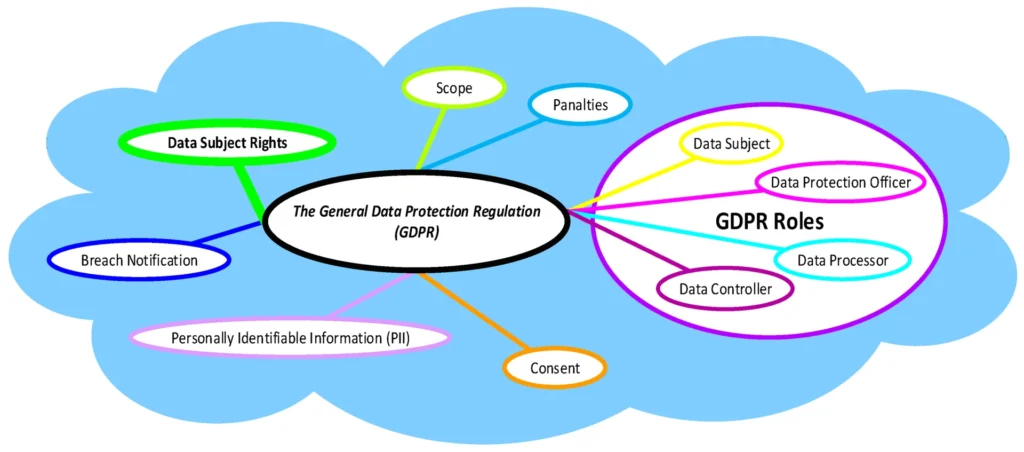
The General Data Protection Regulation (GDPR) has transformed how organizations handle personal data, with the Right to Be Forgotten emerging as one of its most powerful provisions.
“30 Data Protection Authorities across Europe launched coordinated enforcement on the right to erasure in 2025, demonstrating the continued importance of this fundamental right.”
“The right to erasure empowers individuals to ensure that their personal data is no longer processed and, in some cases, dictates that the data should be completely removed from all records.”
GDPR Overview: Understanding EU Data Protection Law
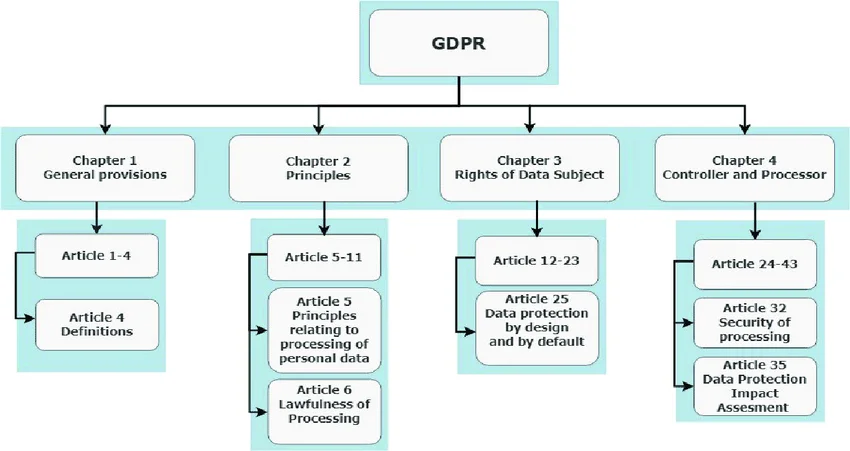
The General Data Protection Regulation represents the European Union’s comprehensive framework for data protection and privacy. Effective since May 25, 2018, GDPR establishes strict requirements for how organizations collect, process, store, and protect personal data.
What Is GDPR?
GDPR is a regulation (not a directive), meaning it applies directly across all EU member states without requiring national legislation. The regulation aims to give individuals control over their personal data while simplifying the regulatory environment for international business by unifying data protection rules across Europe.
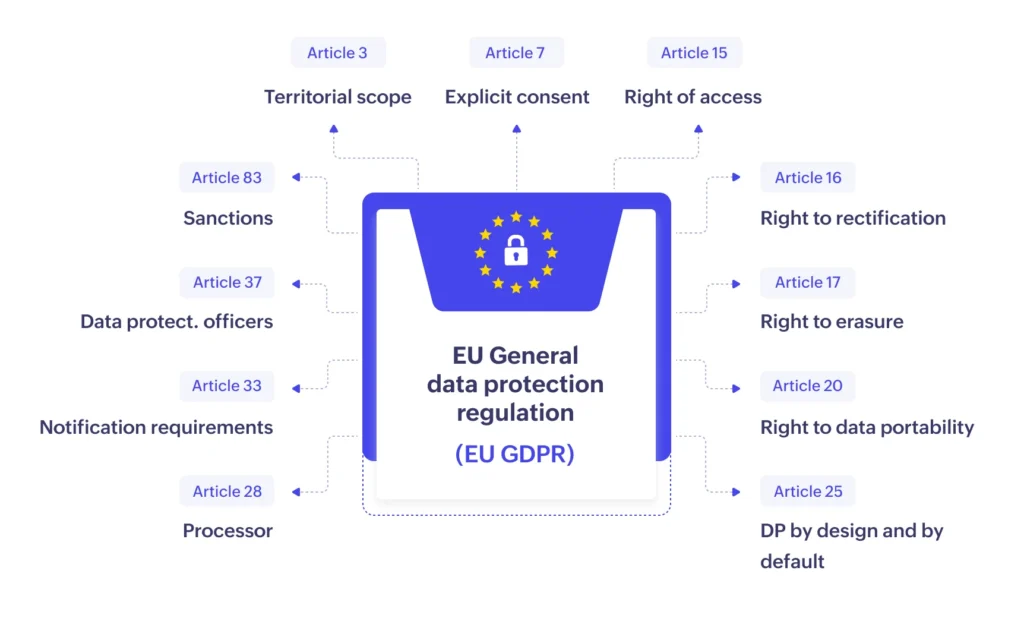
Territorial Scope: GDPR applies to organizations that process personal data of EU residents, regardless of where the organization is located. This extraterritorial reach means businesses worldwide must comply if they:
A small business in the United States selling products to European customers must comply with GDPR, making it truly global legislation.
Key GDPR Definitions
Personal Data: Any information relating to an identified or identifiable person (data subject). This includes names, identification numbers, location data, online identifiers, and factors specific to physical, physiological, genetic, mental, economic, cultural, or social identity.
Data Subject: The individual whose personal data is being collected and processed. GDPR empowers data subjects with specific rights over their information.
Data Controller: The entity determining purposes and means of processing personal data. Controllers make decisions about what data to collect and how to use it.
Data Processor: Organizations processing personal data on behalf of controllers. Processors follow controller instructions but also have direct GDPR obligations.
Processing: Any operation performed on personal data including collection, recording, organization, structuring, storage, adaptation, retrieval, use, disclosure, erasure, or destruction.
GDPR Penalties and Enforcement
GDPR includes substantial penalties for violations:
Tier 1 violations: Up to €10 million or 2% of annual global turnover (whichever is higher)
Tier 2 violations: Up to €20 million or 4% of annual global turnover (whichever is higher)
These penalties apply to the most serious violations, including processing data without a legal basis, violating fundamental principles, or failing to respect data subject rights.
The Right to Be Forgotten, officially called the Right to Erasure under Article 17, gives individuals the power to have their personal data deleted under specific circumstances.
“Under Article 17 of the UKGDPR, individuals have the right to have personal data erased. This is also known as the ‘right to be forgotten’.”
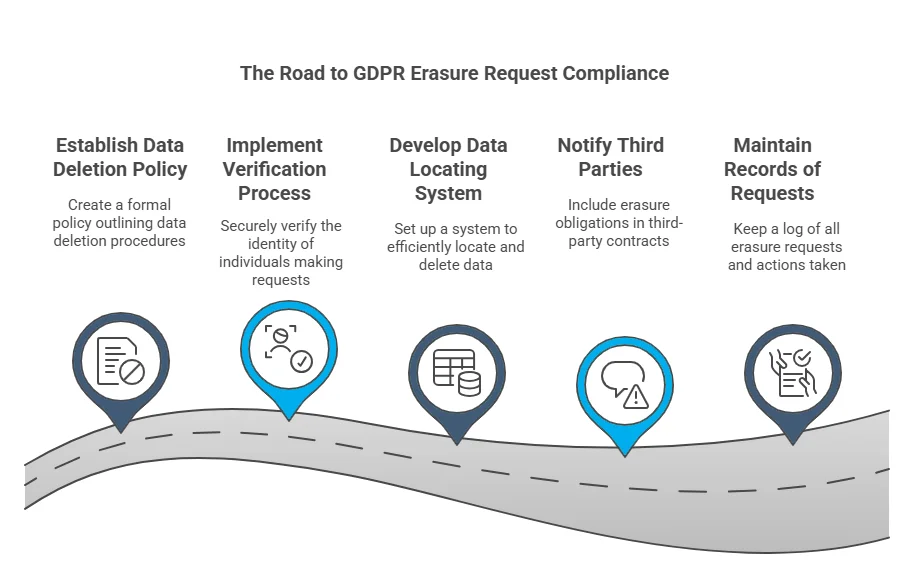
When individuals exercise this right, organizations must erase their personal data without undue delay. The right extends beyond just deletion from primary systems it includes backups, archives, and data held by third-party processors.
1. Data No Longer Necessary: Personal data is no longer needed for the purposes for which it was collected or processed. If you signed up for a newsletter but no longer receive it, the company should delete your email address.
2. Consent Withdrawn: The individual withdraws consent on which processing is based, and there is no other legal ground for processing. If you consented to data processing and revoke that consent, the organization must erase your data unless another legal basis exists.
3. Objection to Processing: The individual objects to processing based on legitimate interests or direct marketing, and there are no overriding legitimate grounds for processing.
4. Unlawful Processing: Personal data has been processed unlawfully, such as without proper legal basis or in violation of GDPR requirements.
5. Legal Obligation: Erasure is required to comply with a legal obligation under EU or member state law.
6. Children’s Data: Personal data was collected from children in relation to information society services (websites, apps, online platforms). GDPR provides special protections for children’s data.
Legal Obligations: Compliance with legal obligations requires retaining the data, such as tax records or employment documentation.
Public Interest: Processing serves public interest purposes in public health, scientific or historical research, or statistical purposes.
Legal Claims: Establishing, exercising, or defending legal claims requires the data. Organizations involved in litigation can retain relevant data.
Archiving: Data is needed for archiving purposes in the public interest, scientific or historical research, or statistical purposes, and erasure would render impossible or seriously impair achievement of processing objectives.
Key GDPR Principles: Foundation of Data Protection
GDPR establishes seven fundamental principles that govern all data processing:
1. Lawfulness, Fairness, and Transparency
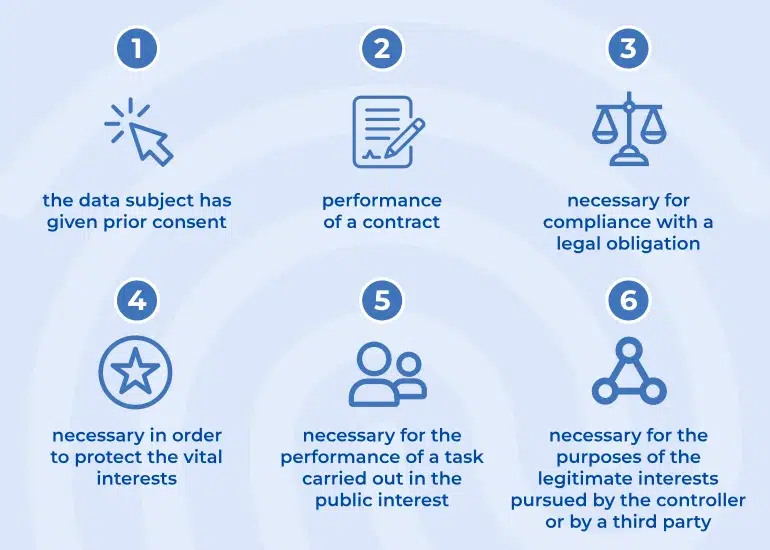
Personal data must be processed lawfully, fairly, and transparently. Organizations must have a legal basis for processing (consent, contract, legal obligation, vital interests, public task, or legitimate interests) and be transparent about data practices through clear privacy notices.
2. Purpose Limitation
Data can only be collected for specified, explicit, and legitimate purposes. Organizations cannot collect data “just in case” or repurpose data for unrelated activities without additional legal basis.
3. Data Minimization
Only collect personal data that is adequate, relevant, and limited to what is necessary for processing purposes. If you don’t need a customer’s date of birth for your service, don’t ask for it.
4. Accuracy
Personal data must be accurate and kept up to date. Organizations must take reasonable steps to ensure accuracy and provide mechanisms for data subjects to correct inaccurate information.
5. Storage Limitation
Data should only be kept in identifiable form for as long as necessary for processing purposes. Organizations must establish retention schedules and delete data when no longer needed.
6. Integrity and Confidentiality
Personal data must be processed securely using appropriate technical and organizational measures. This includes protection against unauthorized access, accidental loss, destruction, or damage.
7. Accountability
Organizations must demonstrate compliance with GDPR principles through documentation, policies, staff training, and regular audits. Accountability is not just complying but proving compliance.
Consent Under GDPR: Requirements and Best Practices
Consent is one legal basis for processing personal data, but GDPR sets high standards for valid consent:
Requirements for Valid Consent
Freely Given: Consent must be voluntary, without pressure, deception, or significant imbalance of power. Pre-checked boxes don’t constitute valid consent.
Specific: Consent must relate to specific processing purposes. Blanket consent for all activities is invalid.
Informed: Individuals must understand what they’re consenting to, including data controller identity, processing purposes, data types collected, and their right to withdraw consent.
Organizations offering information society services directly to children must obtain parental consent for children under 16 (member states can lower to 13). Age verification mechanisms must be implemented where children are users.
Consent vs. Other Legal Bases
Consent isn’t always the most appropriate legal basis. For employment relationships, contractual performance, or legal obligations, other bases may be more suitable. Organizations should carefully evaluate which legal basis applies to each processing activity.
Data Subject Rights Under GDPR
Beyond the Right to Erasure, GDPR grants data subjects comprehensive rights:
Right to Access (Article 15)
Individuals can request confirmation of whether their data is being processed and obtain copies of their personal data. This includes information about processing purposes, data categories, recipients, retention periods, and their other rights.
Right to Rectification (Article 16)
Data subjects can request correction of inaccurate personal data and completion of incomplete data. Organizations must respond promptly and notify relevant third parties of corrections.
Right to Restriction of Processing (Article 18)
Individuals can request processing limitation while accuracy is verified, processing is unlawful but erasure is not wanted, data is no longer needed but required for legal claims, or objection to processing is pending verification.
Right to Data Portability (Article 20)
Where processing is based on consent or contract and carried out by automated means, individuals can receive their data in structured, commonly used, machine-readable format and transmit it to another controller.
Right to Object (Article 21)
Data subjects can object to processing based on legitimate interests, direct marketing (absolute right), or processing for scientific or historical research purposes.
Rights Related to Automated Decision-Making (Article 22)
Individuals have the right not to be subject to solely automated decisions producing legal effects or similarly significant effects, including profiling, with specific exceptions.
Organizations must implement comprehensive programs to achieve and maintain GDPRcompliance:
1. Data Mapping and Inventory
Document all personal data processing activities including data types collected, processing purposes, legal bases, retention periods, data sources, recipient categories, and international transfers. Create a Record of Processing Activities (ROPA) as required by Article 30.
2. Privacy by Design and Default
Build data protection into systems and processes from the outset. Implement technical measures like encryption, pseudonymization, and access controls. Configure systems to process only necessary data by default.
3. Data Protection Impact Assessments
Conduct DPIAs for high-risk processing including large-scale special category data, systematic monitoring, or automated decision-making. Document risks and mitigation measures.
4. Implement Individual Rights Procedures
Establish processes for handling data subject requests including identity verification, request tracking, response templates, and third-party notification procedures. Train staff on recognizing and escalating requests.
5. Vendor Management
Ensure processors comply with GDPR through written contracts specifying processing instructions, security measures, sub-processor requirements, and data return or deletion upon termination.
6. Breach Response Procedures
Develop incident response plans including breach detection, assessment, documentation, notification to supervisory authorities (within 72 hours), and communication to affected individuals when required.
7. Staff Training and Awareness
Provide regular GDPR training covering principles, individual rights, security practices, breach reporting, and role-specific responsibilities. Update training as requirements evolve.
8. Documentation and Accountability
Maintain comprehensive documentation demonstrating compliance including policies, procedures, training records, DPIA outcomes, breach logs, and data processing agreements.
Conclusion
The GDPR and Right to Be Forgotten represent fundamental shifts in how personal data must be handled, giving individuals unprecedented control over their information. Understanding that GDPR applies extraterritorially to any organization processing EU residents’ data makes compliance essential for businesses worldwide.
The Right to Erasure under Article 17 empowers individuals to have their data deleted when it’s no longer necessary, consent is withdrawn, processing is unlawful, or other specific conditions apply. However, this right has limitations when freedom of expression, legal obligations, public interest, legal claims, or archiving purposes require data retention.
GDPR’s seven key principles, including lawfulness, purpose limitation, data minimization, accuracy, storage limitation, integrity, and accountability, provide the foundation for compliant data processing. Valid consent requires being freely given, specific, informed, unambiguous, and easily withdrawable, with special protections for children under 16.
Beyond erasure, data subjects enjoy comprehensive rights including access, rectification, restriction, portability, objection, and rights regarding automated decision-making. Organizations achieve compliance through data mapping, privacy by design, impact assessments, rights procedures, vendor management, breach response, staff training, and thorough documentation.
With 30 European Data Protection Authorities launching coordinated enforcement on erasure rights in 2025, organizations must prioritize GDPRcompliance to avoid penalties reaching €20 million or 4% of global turnover while respecting fundamental privacy rights that define modern data protection.
The Right to Be Forgotten, defined in Article 17 of GDPR, allows individuals to request deletion of their personal data when it’s no longer needed, consent is withdrawn, or processing is unlawful. It ensures users can regain control of their digital footprint.
How Can a Company Comply With the Right to Erasure?
Organizations must establish clear data deletion policies, verify identity before erasure, and notify third parties who received the data. GDPR requires responses within one month, ensuring compliance with Article 17 obligations.
Non-compliance can lead to fines of up to €20 million or 4% of annual global turnover, whichever is higher. Violations like ignoring erasure requests or processing data unlawfully fall under Tier 2 penalties.
Does the Right to Be Forgotten Apply Outside the EU?
Yes. GDPR’s extraterritorial scope means it applies to any organization processing data of EU residents, even if the business operates outside the EU. This includes companies offering goods, services, or tracking EU users online.
When Can an Organization Refuse a Data Erasure Request?
A company can deny deletion if data is needed for legal obligations, public interest, freedom of expression, or legal claims. These exceptions ensure data protection rights are balanced with other fundamental rights.
Copyright infringement has become one of the most pressing legal issues in our digital world, where content can be copied and shared instantly across the globe.
Digitalcopyright law protects original creative works published or distributed online, granting creators exclusive rights over how their content is used, reproduced, and distributed.
“Copyright law automatically protects original works like writings, music, films, photography, and software the moment they are fixed in a tangible form.”
What Digital Copyright Laws Protect
Copyright protection applies to virtually all original creative content online including written articles and blog posts, photographs and digital images, music recordings and compositions, videos and films, software code and applications, website designs and layouts, digital artwork and graphics, and podcasts and audio recordings.
“Copyright protection on the internet provides the original authors and artists the right to prevent others from copying or taking the original work and claiming it as their own.”
“Copyright protection online begins at creation; no registration is required for basic protection.”
However, registration with the U.S.Copyright Office provides the following crucial legal benefits:
Establishes official ownership record
Enables lawsuits for infringement
Allows claiming statutory damages and attorney fees
Creates public notice deterring infringement
Provides access to Copyright Office legal assistance
Without registration, copyright owners can only claim actual damages, which are often difficult to prove and substantially lower than statutory damages that can reach $150,000 per work.
“Digital copyright infringement occurs when someone uses, copies, or distributes digital content without the permission of the copyright holder.”
Common Forms of Online Copyright Infringement
Illegal Downloads and File Sharing: Sharing or downloading copyrighted music, movies, software, and books through peer-to-peer networks without authorization or payment.
Online Piracy: Distributing unauthorized copies of digital content, often for profit, through torrent sites, file-sharing platforms, or piracy websites.
Plagiarism: Copying text, images, or other media from the internet and claiming it as original work without proper attribution or permission. Digital Media Law Project clarifies that:
“The infringing use of a copyrighted work cannot be cured by attribution; citing the source doesn’t prevent copyright infringement.”
Unauthorized Streaming: Broadcasting copyrighted content through platforms like YouTube, Twitch, or unauthorized streaming sites without obtaining necessary licenses.
Website Content Theft: Copying and pasting substantial portions of articles, blog posts, or written works from websites without permission.
Image Theft: Using copyrighted photographs, graphics, or artwork on websites, social media, or publications without authorization or licensing.
Software Piracy: Distributing, installing, or using copyrighted software without proper licenses or in violation of licensing terms.
Ownership of a valid copyright or legal authority to sue
That defendant actually copied the copyrighted work through either direct evidence or showing defendant had access to the work and substantial similarity exists
That copied sections are protected by copyright (not merely facts)
If liability is established, copyright holders can recover actual damages or statutory damages between $750 to $30,000 per infringement, potentially reaching $150,000 for willful infringement.
“The DMCA criminalizes production and dissemination of technology, devices, or services intended to circumvent measures that control access to copyrighted works.”
The law prohibits:
Circumventing access control measures (passwords, encryption)
Manufacturing or distributing circumvention devices
“Courts have held that if, in the ordinary course of its operation, a technology actually works in the defined ways to control access to a work, then it qualifies for DMCA protection.”
Educational institutions receive additional protections if faculty or student infringement doesn’t relate to required course materials, the institution hasn’t received multiple notices against that person, and the institution provides copyright information to users.
DMCA Takedown Notice Process
The DMCA established a “notice-takedown-putback” process.
Georgetown suggests that valid notices must include:
Identification of copyrighted work being infringed
Identification of infringing material and its location
Contact information for the complaining party
Good faith statement that use is unauthorized
Statement that information is accurate under penalty of perjury
Physical or electronic signature
Service providers must expeditiously remove infringing content upon receiving proper notice or lose safe harbor protection.
“The Librarian of Congress conducts triennial rulemakings creating exemptions from circumvention prohibitions.”
Recent exemptions include security testing on video games and accessing works when access controls malfunction.
Fair Use in Cyber Law: Understanding the Doctrine
Fair use represents the most important defense against copyright infringement claims, allowing limited use of copyrighted material without permission for purposes society considers beneficial.
The Four Fair Use Factors
Courts analyze four statutory factors when determining fair use:
1. Purpose and Character of Use: Transformative uses that add new meaning, purpose, or character receive stronger fair use protection. Non-commercial, educational, or critical uses favor fair use, while commercial uses face greater scrutiny. Parody, commentary, and criticism often qualify as fair use.
2. Nature of the Copyrighted Work: Using factual works receives more fair use protection than using highly creative works. Published works have less protection than unpublished works. The more creative and unpublished the original work, the less likely fair use applies.
3. Amount and Substantiality Used: Using small portions typically favors fair use, though using even small amounts of highly distinctive content can weigh against fair use. Using the “heart” of the work, its most essential or memorable parts, weighs against fair use regardless of quantity.
4. Effect on Market Value: If the use substitutes for the original work or harms its market value, fair use is less likely. Courts consider whether the use serves as a market substitute and impacts potential licensing opportunities.
Common Fair Use Applications
Education and Scholarship: Teachers and students can use limited copyrighted material for educational purposes, including classroom instruction, research, and scholarship. However, creating course packs or systematic copying often exceeds fair use.
Commentary and Criticism: Reviewers, critics, and commentators can quote or show portions of works to discuss, analyze, or critique them. News reporting on current events may use copyrighted material to inform the public.
Transformative Works: Creating new works that transform the original’s purpose or meaning, such as parodies, may qualify as fair use even with commercial purposes.
Fair Use Limitations and Misconceptions
Fair use is not a guaranteed right but a case-specific defense evaluated by courts. Common misconceptions include:
“Digital Rights Management controls how digital content is accessed, used, or shared, preventing unauthorized copying of eBooks, music, and videos.”
Watermarking and Fingerprinting: UpCounsel recommends using:
“Watermarks on images and videos to assert ownership.”
Digital fingerprinting embeds unique identifiers making it easier to track unauthorized copies.
Content ID Systems: Platforms like YouTube use automated systems to detect copyrighted material. Copyright holders upload reference files, and the system flags unauthorized copies for removal or monetization.
Encryption and Password Protection: Implement access controls requiring authentication to view or download content.
Monitoring and Enforcement
Active Monitoring: Regularly search for your content online using reverse image search, text search, and specialized monitoring services.
DMCA Takedown Notices: When discovering infringement on platforms or websites, send DMCA takedown notices requiring expeditious removal.
Cease and Desist Letters: Contact infringers directly demanding they stop unauthorized use and remove infringing content.
Legal Action: For serious or continued infringement, pursue litigation seeking damages and injunctive relief.
Licensing and Permissions
Consider alternative licensing models like Creative Commons, allowing specific uses while retaining copyright ownership. Clear licensing terms help prevent unintentional infringement and provide revenue opportunities through licensing fees.
International Copyright and Cross-Border Challenges
Digital content crosses borders instantly, creating complex international copyright issues.
“The Berne Convention, signed by over 180 countries, ensures that authors receive automatic protection in member states without needing to register their work in each jurisdiction.”
This harmonization provides baseline protections globally, though significant challenges remain including differences in legal standards, varying interpretations of fair use, and difficulties tracking and pursuing infringers across borders.
While VPNs serve legitimate purposes, they make identifying and holding infringers accountable extremely difficult.
Conclusion
Copyright infringement in the digital age presents unprecedented challenges as content can be instantly copied and distributed globally. Digitalcopyrightlaws in 2025, anchored by the DMCA and fair use doctrine, provide frameworks for protecting creators’ rights while balancing public interests in accessing and using content.
Understanding what constitutes infringement from illegal downloads and streaming to plagiarism and unauthorized use helps both creators protect their works and users avoid liability. The DMCA’s anti-circumvention provisions, safe harbor protections for service providers, and takedown notice system provide enforcement mechanisms, while the fair use doctrine permits limited uses serving education, commentary, and transformation.
Online copyright protection in 2025 requires active measures including registration, technical protection like DRM and watermarking, continuous monitoring, and swift enforcement through DMCA notices and legal action when necessary. International harmonization through treaties like the Berne Convention provides baseline protections, though cross-border enforcement remains challenging.
As digital content creation and consumption continue expanding, copyright law evolves to address new technologies and distribution methods. Creators must understand their rights and protection options, while users must respect copyright boundaries and properly apply fair use principles. This balance between protection and access drives innovation while respecting creative rights in our increasingly digital world.
Copyright infringement happens when someone uses, copies, shares, or distributes another person’s digital content such as text, images, videos, or software without permission from the copyright owner. This includes illegal downloads, website content theft, and unauthorized streaming.
Do I need to register my work to get copyright protection online?
No. Copyright protection starts automatically once your original work is created and fixed in a tangible form. However, registering it with the U.S.Copyright Office provides stronger legal protection allowing you to file lawsuits, claim statutory damages, and prove ownership easily.
What is a DMCA takedown notice, and how does it work?
A DMCA takedown notice is a formal request sent to a website or platform asking them to remove infringing content. It must identify the copyrighted work, the infringing material, and include a sworn statement that the claim is accurate. Platforms must take down the content quickly to maintain safe harbor protection.
You can protect your work by registering it, using digital watermarks, DRM (Digital Rights Management), encryption, and regularly monitoring the web for copied content. If you find infringement, send a DMCA notice or a cease-and-desist letter to enforce your rights.
Fair use allows limited use of copyrighted material without permission for purposes like education, commentary, criticism, or news reporting. Courts decide fair use based on four factors Purpose and character of use Nature of the original work Amount used Effect on the work’s market value
Get a complete overview of climate change by understanding its definition, causes, effects, and connection to global warming with actionable insights for 2025 and beyond.
“Measurements of the average temperature at the Earth’s surface show it has risen by about 1.34 to 1.41°C since the pre-industrial period,” with the last decade (2015-2024) being the warmest 10 years on record.”
Climate change refers to long-term shifts in temperatures and weather patterns across the planet. While the climate has changed throughout Earth’s history due to natural factors, the current climate change is primarily caused by human activities, especially burning fossil fuels like coal, oil, and gas.
These emissions trap heat in Earth’s atmosphere, causing the planet to warm, a process called global warming. It is also important to understand that climate is different from weather.
Weather refers to short-term atmospheric conditions, whether it’s sunny, rainy, or snowy today. Climate describes average weather patterns over long periods, typically 30 years or more. When we talk about climate change, we’re talking about long-term shifts in these patterns.
Understanding Global Warming vs. Climate Change
Many people use “global warming” and “climate change” interchangeably, but they have slightly different meanings:
Global Warming specifically refers to the increase in Earth’s average surface temperature caused by rising levels of greenhouse gases.
“Scientists attribute the global warming trend observed since the mid-20th century to the human expansion of the greenhouse effect, warming that results when the atmosphere traps heat radiating from Earth toward space.”
Climate Change is the broader term encompassing not just warming temperatures but all the changes happening to our planet’s climate system. These include:
“Climate change is happening and is due to human activities; along with warming, many other changes are occurring such as melting polar ice, rising sea levels and more frequent floods, droughts and heatwaves.”
The Science Behind Climate Change: The Greenhouse Effect
To understand climate change, you need to understand the greenhouse effect, a natural process that makes Earth habitable but becomes dangerous when intensified by human activities.
“life on Earth depends on energy coming from the Sun. About half the light energy reaching Earth’s atmosphere passes through the air and clouds to the surface, where it is absorbed and radiated in the form of infrared heat.”
Here’s what happens next:
Energy Arrives: Sunlight reaches Earth and passes through the atmosphere
Energy Absorbed: Earth’s surface absorbs this energy and warms up
Heat Radiated: The warmed surface radiates heat back toward space
Greenhouse Gases Trap Heat: Greenhouse gases in the atmosphere absorb this outgoing heat and re-radiate it in all directions, including back to Earth’s surface
Planet Warms: This trapped heat keeps Earth warm enough for life
Without the greenhouse effect, Earth would be too cold for most life about -18°C (0°F) on average instead of the current 15°C (59°F). However, human activities have intensified this natural process by adding excessive amounts of greenhouse gases to the atmosphere.
“atmospheric carbon dioxide concentrations have increased by more than 40 percent since pre-industrial times, from approximately 280 parts per million (ppm) in the 18th century to 419 ppm in 2023.”
“methane comes from plant-matter breakdown in wetlands and is also released from landfills and rice farming. Livestock animals emit methane from their digestion and manure.”
“Trees help to regulate the climate by absorbing CO2 from the atmosphere. When they are cut down, that beneficial effect is lost, and the carbon stored in the trees is released into the atmosphere.”
“Approximately 4.8 billion tons of carbon dioxide are released into the Earth’s atmosphere as a result of deforestation each year, particularly in tropical areas.”
Livestock farming is particularly emission intensive. Cattle produce substantial methane during digestion, and raising livestock requires vast amounts of land, water, and feed.
“manufacturing and industry produce emissions, mostly from burning fossil fuels to generate the energy needed to make things like cement, iron, steel, electronics, plastics, clothes, and other goods.”
Industrial processes also release greenhouse gases directly. Cement production, for instance, generates CO2 both from burning fuel and from chemical reactions in cement manufacturing.
“as greenhouse gas concentrations rise, so does the global surface temperature. The last decade, 2015-2024, is the warmest on record. Since the 1980s, each decade has been warmer than the previous one.”
“2015-2024 was the warmest decade recorded, with global average temperature reaching 1.55°C above pre-industrial levels in 2024. Human-induced global warming is presently increasing at a rate of 0.25°C per decade.”
Temperature increases aren’t uniform globally. The Arctic is warming more than twice as fast as the global average, a phenomenon called Arctic amplification. This rapid warming has profound implications for ice sheets, sea levels, and global weather patterns.
“destructive storms have become more intense and more frequent in many regions. As temperatures rise, more moisture evaporates. This exacerbates extreme rainfall and flooding, causing more destructive storms.”
Specific impacts include:
Heat Waves: More frequent, longer-lasting, and more intense heat waves
Droughts: Extended dry periods affecting water supplies and agriculture
Hurricanes and Cyclones: More powerful tropical storms fed by warmer ocean waters
Flooding: Increased heavy rainfall events leading to catastrophic flooding
Wildfires: Longer fire seasons with more frequent and severe fires
Melting Ice and Rising Sea Levels
Warming temperatures are melting glaciers, ice sheets, and seaice at alarming rates. This has two major consequences:
Sea Level Rise: As ice melts and warmer ocean water expands, sea levels rise, threatening coastal communities worldwide
Loss of Reflectivity: Ice reflects sunlight back to space. When it melts, darker ocean or land surfaces absorb more heat, accelerating warming—a feedback loop that intensifies climate change
Ocean Changes
Oceans absorb much of the excess heat and CO2 from the atmosphere. This causes:
Ocean Warming: Affecting marine ecosystems and increasing storm intensity
“the UK Government fully supports the work of the IPCC. It regards the IPCC’s assessments as the most authoritative view on the science of climate change.”
IPCC reports undergo rigorous review by thousands of scientists and government representatives. Their findings drive international climate policy, including the Paris Agreement’s temperature targets.
United Nations Framework Convention on Climate Change (UNFCCC)
The UNFCCC provides the institutional framework for international climate negotiations. It organizes annual Conference of Parties (COP) meetings where countries negotiate climate action.
National Oceanic and Atmospheric Administration (NOAA)
NOAA monitors climate conditions, maintains long-term climate records, and conducts climateresearch. Their data helps track climate change in real-time and understand its impacts.
These organizations provide the scientific foundation for understanding climate change and developing solutions. Their work shows overwhelming scientific consensus: climate change is real, it’s caused by human activities, and urgent action is needed.
What Can We Do About Climate Change?
While climate change presents enormous challenges, solutions exist:
Climate change represents humanity’s greatest environmental challenge, but understanding it is the first step toward addressing it. The science is clear that human activities, primarily burning fossil fuels and deforestation, are causing rapid warming of our planet with far-reaching consequences.
The good news is we have the knowledge and technology to address climate change. What we need is collective action from individuals, businesses, and governments to transition to clean energy, protect natural carbon sinks, and build resilience to climate impacts we can no longer avoid.
Every action matters. By understanding climate change and taking steps to reduce emissions and support solutions, we can help protect our planet for current and future generations. The time to act is now.
What is the difference between climate and weather?
Weather describes short-term atmospheric conditions (today’s temperature and precipitation), while climate describes average weather patterns over decades or longer periods.
Yes.UK Government confirms that “it is unequivocal that human influence has warmed the atmosphere, ocean, and land,” with overwhelming scientific evidence from multiple independent sources.