
Europe is once again confronting the devastating consequences of climate change as an unprecedented heatwave sweeps across the continent, breaking temperature records, overwhelming healthcare systems, triggering deadly wildfires, disrupting transport networks, and placing enormous pressure on energy infrastructure.
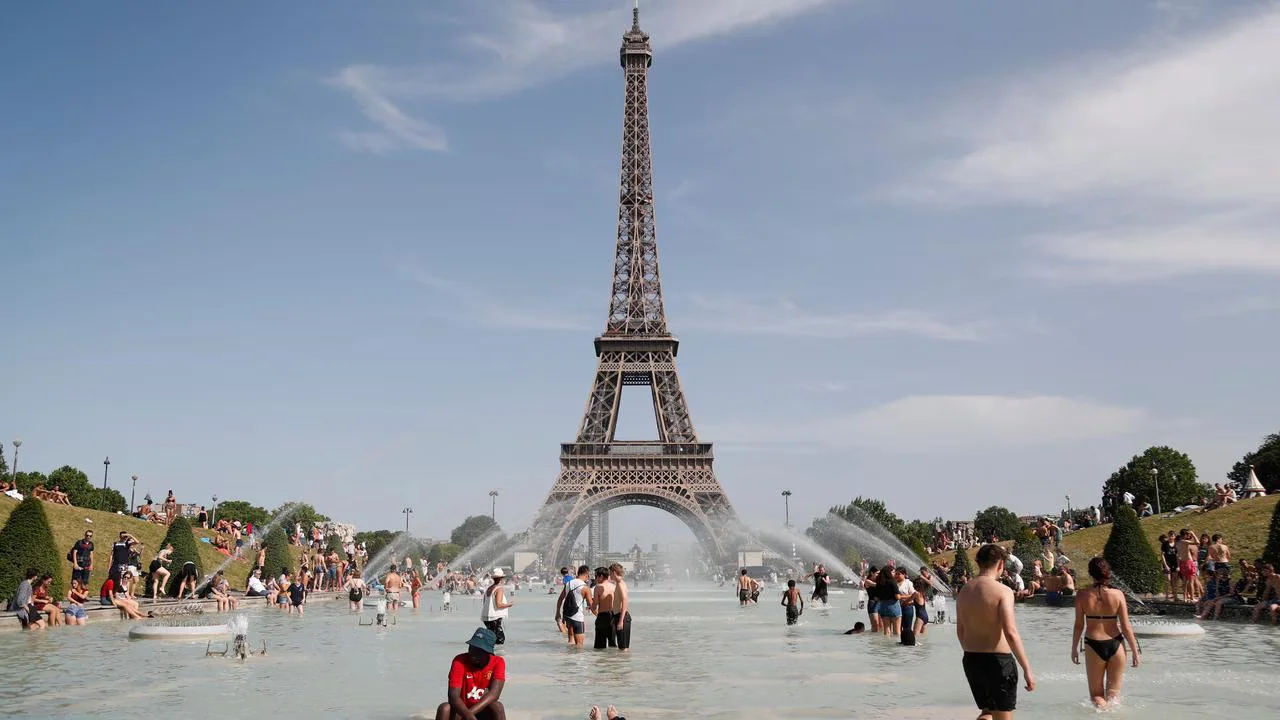
Temperatures exceeding 40°C have been recorded across Germany, Poland, Hungary, Italy, France, Spain, and the Balkans, while several countries have issued their highest-level heat alerts amid rising fatalities and widespread infrastructure failures. Scientists have concluded that the severity of the current heatwave would have been virtually impossible without human-induced climate change, making it one of the clearest examples yet of the accelerating climate crisis.
Beyond the immediate humanitarian emergency, the crisis raises profound legal questions about state obligations under international climate law, governments’ duties to protect public health, and Europe’s long-term ability to adapt to increasingly extreme weather events. The heatwave is no longer simply an environmental issue, it has become a legal, economic, and national security challenge.
Europe’s Hottest Summer Yet
The 2026 heatwave has shattered historical records across much of Europe. Germany has recorded temperatures above 41°C, while parts of Central and Eastern Europe have approached or exceeded 40°C. Italy has placed numerous cities under red alert, France has reported significant excess mortality linked to extreme heat, and countries across the Balkans continue battling destructive wildfires. Scientists warn that Europe is warming faster than almost every other inhabited continent, making these extreme events increasingly frequent and intense.

Unlike previous heatwaves that lasted only a few days, the current event has persisted for weeks because of an Omega Block, a persistent atmospheric high-pressure system that traps hot air over Europe and prevents cooler weather systems from moving through. This meteorological phenomenon, combined with long-term global warming, has transformed what might once have been a severe summer into an unprecedented climate emergency.
Why Is Europe Heating Faster?
Climate scientists identify several interconnected reasons why Europe has become one of the fastest-warming regions on Earth. The principal driver remains human-induced greenhouse gas emissions, primarily from fossil fuels. Carbon dioxide, methane, and other greenhouse gases trap heat within the atmosphere, increasing average temperatures and making extreme heat events significantly more likely.
Recent attribution studies conclude that the 2026 European heatwave would have been virtually impossible without anthropogenic climate change and that similar heat events are now around 100 times more likely than they were only a few decades ago. Urbanization has further intensified the crisis. Many European cities experience the urban heat island effect, where concrete, asphalt, and limited vegetation absorb and retain heat, keeping nighttime temperatures dangerously high and preventing residents from recovering from daytime heat stress.
Europe’s aging infrastructure has also become a vulnerability. Roads, railways, bridges, electricity networks, and water systems were largely designed for cooler climates and struggle to function during prolonged periods of extreme heat. Rail tracks buckle, roads melt, power demand surges, and nuclear power plants face operational constraints when river water used for cooling becomes too warm.
Finally, Europe’s demographic profile increases vulnerability. Older populations are particularly susceptible to heat-related illnesses, making prolonged heatwaves a growing public health emergency.
The Legal Dimensions of the Climate Crisis
The 2026 heatwave has intensified debate over governments’ legal responsibilities under international and regional climate law.At the international level, the legal framework is primarily governed by the Paris Agreement, under which states have committed to holding the increase in global average temperatures to well below 2°C above pre-industrial levels while pursuing efforts to limit warming to 1.5°C.
Although the Agreement does not impose direct legal liability for individual climate events, it creates binding procedural obligations requiring states to prepare, maintain, and progressively strengthen their Nationally Determined Contributions (NDCs). The unprecedented European heatwave has intensified questions over whether governments are fulfilling these commitments with sufficient urgency and whether existing climate policies adequately address rapidly escalating climate risks.
Within Europe, the European Climate Law has made the European Union’s objective of achieving climate neutrality by 2050 legally binding. The legislation requires Member States and EU institutions to adopt policies consistent with reducing greenhouse gas emissions by at least 55% by 2030 compared with 1990 levels. The current heatwave has exposed weaknesses in climate adaptation planning, prompting legal and political debate over whether governments have complied with their statutory obligations to prepare infrastructure, healthcare systems, and emergency services for increasingly severe climate events.
The crisis also raises significant issues under international human rights law. Extreme heat threatens several internationally protected rights, including the rights to life, health, adequate housing, and water, and, in some circumstances, the right to a healthy environment. Governments are increasingly expected not only to reduce greenhouse gas emissions but also to protect vulnerable populations from climate-related harms. Failure to implement effective adaptation measures may expose states to allegations that they have failed to safeguard fundamental human rights.
Climate litigation is simultaneously expanding across Europe. Corporate accountability has likewise become an important legal dimension of the climate crisis. Businesses operating within the European Union face increasing obligations under sustainability reporting, environmental due diligence, and corporate governance regulations. Legal systems across Europe are likely to play an increasingly central role in determining how governments and private actors respond to one of the defining challenges of the twenty-first century.
Economic Consequences
The economic costs of the heatwave extend far beyond healthcare. One of the hardest-hit sectors is agriculture, where persistent drought, water shortages, and extreme heat have significantly reduced crop yields across Southern and Central Europe. Farmers in Spain, Italy, France, Greece, and parts of Eastern Europe are reporting declines in the production of wheat, maize, olives, grapes, fruits, and vegetables, threatening both domestic food supplies and agricultural exports. Lower harvests are also expected.
The energy sector is experiencing unprecedented strain. Electricity demand has surged as millions of households and businesses rely on air conditioning to cope with record-breaking temperatures. At the same time, electricity generation has become more challenging. Hydropower production has declined because of lower river levels, while several nuclear power plants have reduced output after river water used for cooling exceeded safe operating temperatures. These disruptions have increased wholesale electricity prices and raised concerns over energy security during peak summer demand.
Europe’s transport infrastructure has also suffered significant disruption. Rail operators have imposed speed restrictions as high temperatures caused tracks to expand and deform, while roads have deteriorated under prolonged heat exposure. Airports have reported delays resulting from operational challenges associated with extreme temperatures, affecting tourism, business travel, and international trade. The cumulative impact on logistics has slowed supply chains and increased transportation costs across the continent.
The labour market is facing mounting productivity losses as extreme heat makes outdoor work increasingly hazardous. Healthcare expenditures have also risen sharply. Hospitals and emergency services have reported increased admissions related to heatstroke, dehydration, respiratory illnesses, and cardiovascular complications, particularly among elderly and medically vulnerable populations.
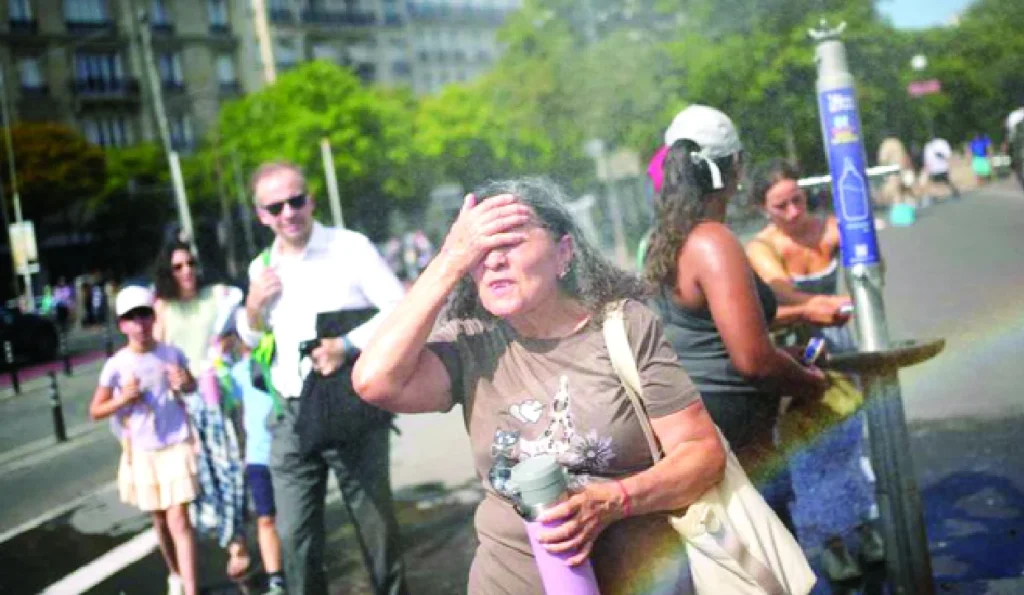
Tourism, a cornerstone of many European economies is experiencing mixed effects. While some northern European destinations have benefited from warmer conditions, many Mediterranean countries have witnessed cancellations, shortened holidays, and reduced outdoor tourism as temperatures exceeded safe levels.
Can Europe Adapt?
Although Europe cannot eliminate climate change in the short term, it can significantly reduce future risks through comprehensive adaptation strategies. Cities are increasingly investing in urban greening, tree planting, cool roofs, and expanded public cooling centres to reduce heat exposure. Governments are modernising infrastructure by designing roads, railways, and power systems capable of operating under much higher temperatures.
Healthcare systems are developing advanced heat-health warning systems, while emergency response agencies are strengthening wildfire prevention and disaster preparedness. Europe is also accelerating investment in renewable energy, battery storage, and modern electricity grids to reduce greenhouse gas emissions while ensuring energy security during increasingly frequent climate extremes.
Long-term adaptation will also require stronger water management, improved building standards, and closer coordination between governments through the European Union’s climate resilience initiatives.
Climate scientists warn that without substantial reductions in global greenhouse gas emissions, heatwaves comparable to the current event could become the norm rather than the exception. Europe may experience longer heat seasons, more frequent droughts, increased wildfire risk, and mounting pressure on public health systems.
This suggests that climate adaptation will become as important as climate mitigation. Governments will increasingly need to prepare not only to reduce emissions but also to protect populations from unavoidable climate impacts.
Conclusion
Europe’s record-breaking 2026 heatwave represents a defining moment in the global climate crisis. It demonstrates that climate change is no longer a distant environmental concern but an immediate legal, humanitarian, economic, and security challenge. The scientific evidence linking extreme heat to human-induced climate change has become increasingly compelling, while courts across Europe are beginning to recognize governments’ legal duties to protect citizens from foreseeable climate risks.
The coming years will determine whether Europe can successfully combine ambitious emissions reductions with large-scale climate adaptation. If governments fail to strengthen resilience, future heatwaves are likely to become even deadlier, more economically damaging, and legally contentious. The 2026 crisis therefore serves not only as a warning about the accelerating pace of climate change but also as a test of Europe’s commitment to the rule of law, environmental justice, and sustainable development in an era of escalating climate extremes.
Frequently Asked Questions
Why is the 2026 European heatwave considered unprecedented?
The 2026 European heatwave has broken temperature records across multiple countries, with several regions exceeding 40°C for prolonged periods. Scientists have concluded that the intensity and duration of the event would have been extremely unlikely without human-induced climate change, making it one of the most severe climate events in European history.
What caused the record-breaking heatwave?
The heatwave resulted from a combination of human-induced climate change, persistent high-pressure atmospheric systems (commonly known as an Omega Block), prolonged drought conditions, warmer sea surface temperatures, and the urban heat island effect. Together, these factors trapped hot air over Europe for weeks, preventing cooler weather systems from moving through.
Can governments be held legally responsible for failing to prepare for extreme heat?
Potentially, yes. Governments have legal obligations under domestic law, European law, and international human rights law to protect life, public health, and critical infrastructure. If authorities fail to implement reasonable adaptation measures despite clear scientific warnings, they may face legal challenges alleging negligence or violations of constitutional and human rights obligations.
What international laws apply to climate change and extreme weather events?
Several legal frameworks are relevant, including:
The Paris Agreement
The European Climate Law
The European Convention on Human Rights
National environmental and disaster management legislation
Together, these instruments establish obligations to reduce greenhouse gas emissions, strengthen climate resilience, and protect citizens from foreseeable climate-related risks.
What is climate liability?
Climate liability refers to the potential legal responsibility of governments, corporations, or other entities for contributing to climate change or failing to take adequate measures to prevent or adapt to its impacts. This may include lawsuits seeking compensation, stronger climate policies, or enforcement of existing environmental obligations.
How is climate change affecting Europe’s economy?
The 2026 heatwave has disrupted agriculture, transportation, tourism, energy production, healthcare, and labour productivity. Crop failures, infrastructure damage, higher electricity demand, wildfire losses, and reduced economic output are expected to cost European economies billions of euros, highlighting climate change as both an environmental and economic crisis.
What role are European courts playing in climate action?
European courts are becoming increasingly active in climate litigation. Recent decisions have recognised that inadequate government action on climate change may violate human rights, including the right to life and the right to respect for private and family life. Courts are increasingly requiring governments to strengthen climate policies and adaptation measures.
How can Europe build resilience against future heatwaves?
Experts recommend a combination of mitigation and adaptation measures, including:
Expanding renewable energy
Modernising transport and energy infrastructure
Increasing urban green spaces and tree planting
Developing heat-health warning systems
Improving water management
Strengthening wildfire prevention
Updating building standards for hotter climates
These measures aim to reduce both climate risks and future economic losses.
Why is the 2026 heatwave considered a national security issue?
Extreme heat affects far more than public health. It threatens food production, water supplies, energy security, transportation networks, emergency services, and economic stability. As a result, many European governments now regard climate change as a strategic security challenge requiring coordinated national and international responses.
What does the 2026 heatwave mean for the future of climate law?
The 2026 European heatwave is expected to accelerate the development of climate law across Europe. Governments are likely to face increased legal scrutiny over emissions reduction, disaster preparedness, infrastructure resilience, and protection of vulnerable populations. At the same time, climate litigation against both states and corporations is expected to grow, making climate accountability one of the defining legal issues of the coming decade.