
Every day, financial institutions process millions of domestic and cross-border transactions that support international trade, investment, and economic growth. Alongside these legitimate activities, however, banks also face the risk that their services may be exploited by criminal organisations, terrorist groups, sanctioned entities, and corrupt officials seeking to move or disguise illicit funds. Protecting the integrity of the financial system has therefore become one of the central objectives of modern international banking law.

Anti-money laundering (AML) regulation now extends far beyond identifying suspicious transactions. Banks are expected to understand their customers, assess financial crime risks, monitor transactional behaviour, verify beneficial ownership, screen against sanctions lists, and report suspicious activities to the appropriate authorities. These obligations are reinforced through internationally recognised standards developed by the Financial Action Task Force (FATF) and implemented through domestic legislation across more than 200 jurisdictions.
This article explains the international AML framework, examines the role of FATF, explores key compliance concepts such as Know Your Customer (KYC), Customer Due Diligence (CDD), and Enhanced Due Diligence (EDD), and analyses how sanctions, correspondent banking, artificial intelligence, and regulatory technology are reshaping financial crime compliance.
Why Financial Crime Compliance Matters
International banking law extends beyond prudential supervision and capital adequacy. One of its most important functions is protecting the global financial system from abuse by criminals, terrorist organisations, sanctioned individuals, and corrupt officials. Every day, banks facilitate millions of cross-border transactions, making them potential gateways for illicit financial activity if effective controls are not in place.
Modern financial crime compliance therefore represents one of the most heavily regulated areas of banking law. Financial institutions are expected not only to identify their customers but also to understand the purpose of each business relationship, assess associated risks, monitor transactional behaviour, report suspicious activities, and prevent their services from being used to facilitate money laundering, terrorist financing, sanctions evasion, corruption, or tax-related offences.
Failure to maintain effective AML controls can expose banks to substantial regulatory penalties, criminal investigations, civil litigation, reputational damage, restrictions on business activities, and, in severe cases, the loss of banking licences. The source emphasises that:
“robust AML programmes are essential to maintaining public confidence in the international financial system and reducing opportunities for criminal abuse.”
N-LAWS Legal Insight
Modern banks are no longer passive intermediaries that simply process payments. International banking law increasingly expects them to act as gatekeepers of the global financial system by verifying customer identities, understanding ownership structures, identifying suspicious activity, and preventing illicit funds from entering legitimate financial markets.
Understanding Money Laundering
Money laundering is the process of disguising the criminal origin of illegally obtained assets so that they appear to have been generated through legitimate economic activity. Although laundering methods continue to evolve, the process is traditionally explained through three broad stages.
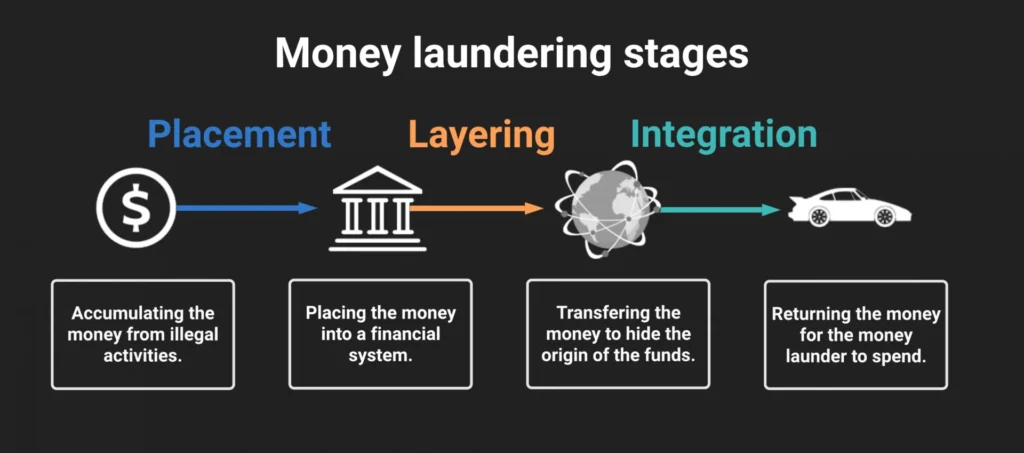
Stage 1: Placement
The first stage involves introducing illicit funds into the financial system. This may occur through cash deposits, purchases of financial instruments, or businesses that generate substantial cash revenue. At this point, criminals seek to move funds away from their unlawful source while avoiding immediate detection.
Stage 2: Layering
During the layering stage, funds are transferred through a series of complex financial transactions intended to obscure their origin. Techniques may include international wire transfers, shell companies, trusts, trade-based transactions, or cryptocurrency transfers. The objective is to make tracing the movement of funds as difficult as possible.
Stage 3: Integration
The final stage involves reintroducing the funds into the legitimate economy through investments, property acquisitions, commercial activities, or other apparently lawful transactions. Once integrated, illicit proceeds may appear to have originated from legitimate business operations.
Why This Matters
Although these three stages often overlap in practice, they provide a useful framework for understanding how financial institutions identify and assess money laundering risks throughout the customer relationship.
The Financial Action Task Force (FATF): The Global Standard Setter
Established in 1989, the Financial Action Task Force (FATF) occupies a unique position within international banking law. Rather than functioning as a treaty organisation, FATF develops internationally recognised standards designed to combat money laundering, terrorist financing, and the financing of weapons proliferation.
FATF does not enact binding international legislation. Instead, it issues recommendations that participating jurisdictions implement through domestic law. According to the source, these recommendations have become the international benchmark for AML and counter-terrorist financing legislation, influencing banking regulation in more than 200 jurisdictions.
A key feature of FATF’s work is its Mutual Evaluation process, through which jurisdictions are assessed against international standards. Countries that fail to address significant deficiencies may be placed under increased monitoring or identified as higher risk, potentially affecting their access to international financial markets.
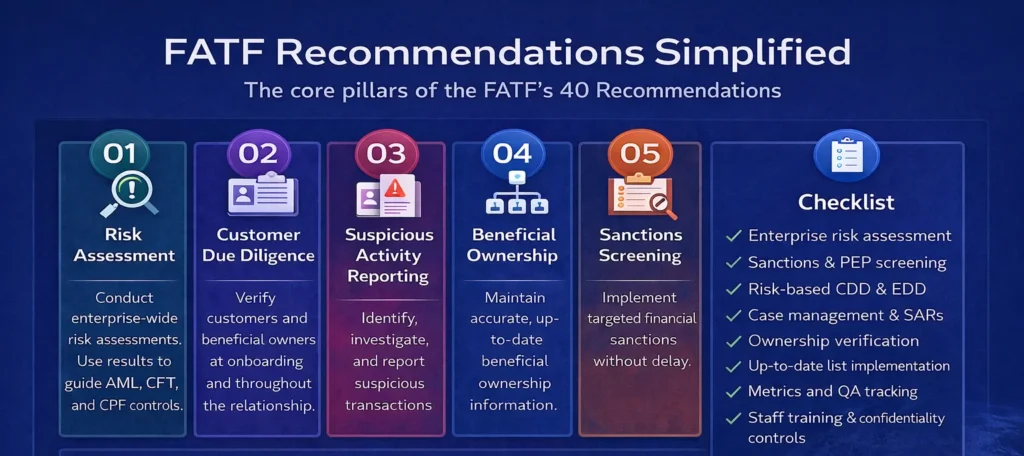
The FATF Forty Recommendations
The Forty Recommendations form the foundation of modern AML regulation. They cover a broad range of obligations, including:
- risk-based supervision;
- criminalisation of money laundering;
- customer due diligence;
- beneficial ownership transparency;
- record-keeping;
- suspicious transaction reporting;
- sanctions implementation;
- international cooperation; and
- regulation of virtual asset service providers.
For banks, these recommendations shape day-to-day compliance programmes and provide the basis for regulatory expectations across multiple jurisdictions.
The Risk-Based Approach
One of FATF’s most influential contributions is the adoption of the risk-based approach. Rather than requiring identical compliance measures for every customer, financial institutions are expected to allocate resources according to the level of financial crime risk presented by each relationship.
Relevant risk factors include:
- customer profile;
- occupation;
- geographic location;
- products and services used;
- transaction patterns;
- delivery channels; and
- ownership structures.
This approach enables institutions to apply enhanced scrutiny where risks are greatest while avoiding unnecessary burdens for lower-risk customers.
N-LAWS Legal Analysis
The move towards risk-based supervision represents a major shift in regulatory philosophy. Earlier compliance regimes often relied on rigid procedural requirements. Modern AML regulation instead expects institutions to exercise informed judgement supported by robust governance, documented risk assessments, and continuous monitoring. Effective compliance therefore depends not simply on following rules but on understanding evolving financial crime risks.
Know Your Customer (KYC): The Foundation of AML Compliance
Know Your Customer (KYC) is one of the most fundamental obligations imposed on financial institutions under modern anti-money laundering (AML) regulation. KYC requires banks to establish the identity of their customers, understand the nature and purpose of the business relationship, and assess the level of financial crime risk before providing financial services. Effective KYC enables institutions to identify higher-risk relationships, detect unusual activity, and reduce opportunities for money laundering, terrorist financing, and other forms of financial crime.
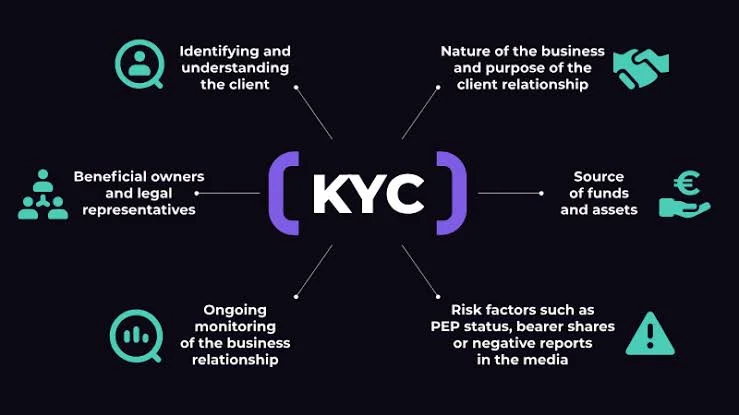
Although KYC is often associated with identity verification, it extends well beyond collecting identification documents. Financial institutions are expected to:
“understand who the customer is, where their wealth originates, why they require particular financial products, and whether the anticipated account activity is consistent with their known profile.”
This broader understanding forms the basis of ongoing risk management throughout the customer relationship.
Core Objectives of KYC
An effective KYC programme aims to:
- verify customer identity using reliable and independent documentation;
- understand the purpose of the business relationship;
- identify expected transaction patterns;
- assess customer risk; and
- establish a foundation for ongoing monitoring.
N-LAWS Legal Insight
KYC should not be viewed as a one-time onboarding exercise. International AML standards increasingly treat customer verification as a continuous process, requiring financial institutions to reassess customer information whenever circumstances or risk profiles change.
Customer Due Diligence (CDD)
Customer Due Diligence (CDD) is the practical process through which banks implement KYC obligations. While KYC establishes the overall compliance framework, CDD involves gathering, verifying, and evaluating information about individual customers to determine the level of financial crime risk associated with each business relationship.
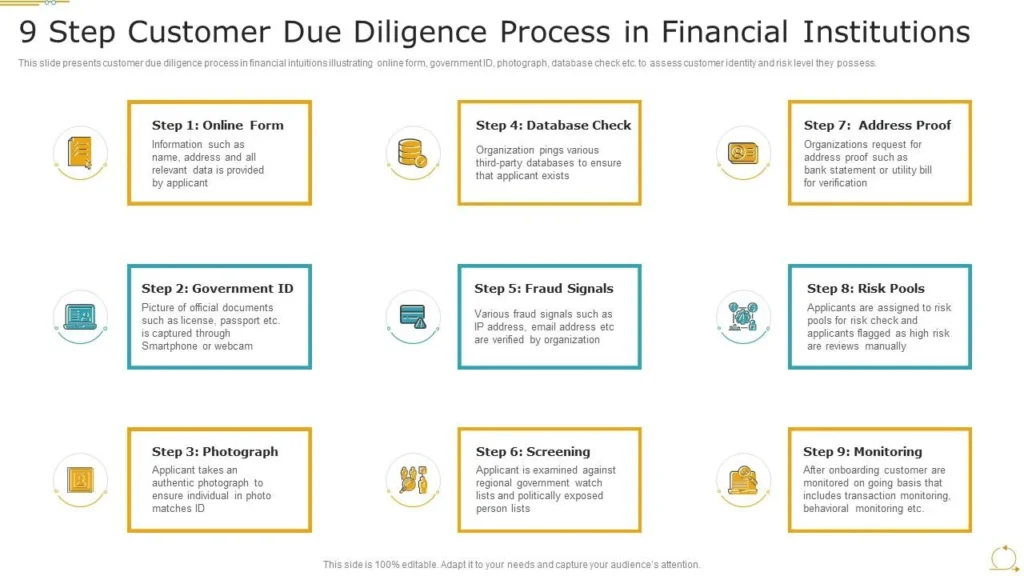
Under international standards, CDD generally requires institutions to:
- identify and verify the customer’s identity;
- identify the beneficial owner where applicable;
- understand the purpose and intended nature of the relationship;
- assess the customer’s risk profile; and
- conduct ongoing monitoring throughout the business relationship.
CDD obligations apply not only when opening new accounts but also when significant changes occur, such as:
“alterations in ownership, unusually large transactions, or emerging indicators of increased financial crime risk.”
Practical Example
A customer opening a standard personal savings account with straightforward income sources may require only standard due diligence. By contrast, a multinational company with complex ownership arrangements, cross-border transactions, and operations in higher-risk jurisdictions would require considerably more extensive verification before an account could be opened.
Enhanced Due Diligence (EDD)
Not every customer presents the same level of financial crime risk. The risk-based approach promoted by the Financial Action Task Force (FATF) requires financial institutions to apply Enhanced Due Diligence (EDD) where higher-risk relationships are identified. EDD supplements standard customer due diligence by requiring deeper investigation and greater supervisory oversight.
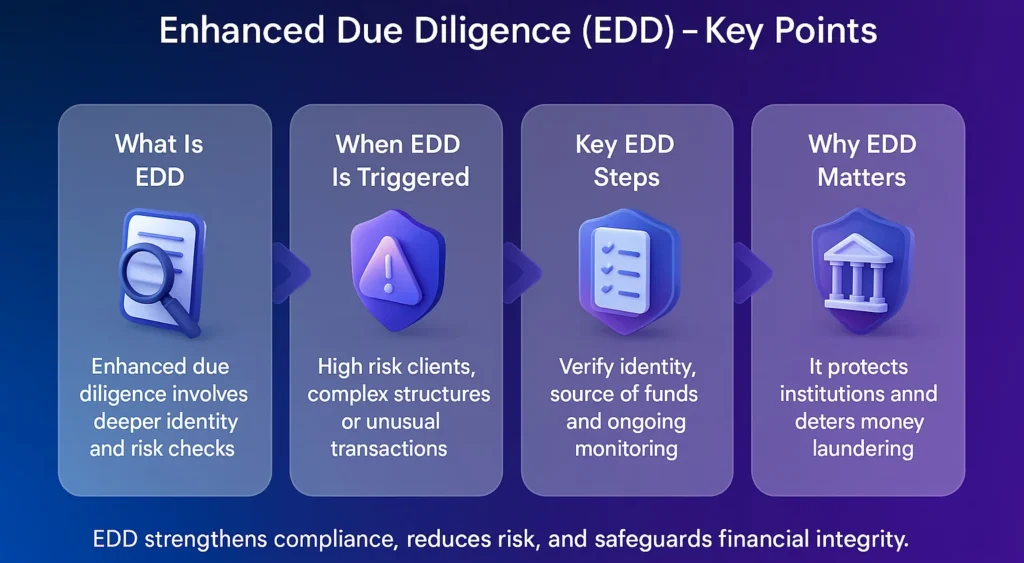
Situations commonly requiring EDD include:
- politically exposed persons (PEPs);
- customers connected to higher-risk jurisdictions;
- complex ownership structures;
- unusually large or complex transactions;
- correspondent banking relationships; and
- businesses operating in sectors vulnerable to financial crime.
EDD measures may include:
- obtaining additional identity documentation;
- verifying the source of wealth and source of funds;
- conducting more detailed beneficial ownership investigations;
- obtaining senior management approval before establishing the relationship; and
- increasing the frequency of transaction monitoring.
Why This Matters
Enhanced Due Diligence is designed to ensure that higher-risk customers receive proportionately greater scrutiny. It does not prohibit banks from serving such customers, but it requires institutions to demonstrate that they understand and appropriately manage the associated financial crime risks.
Beneficial Ownership: Looking Beyond Legal Ownership
One of the most significant developments in international AML regulation has been the increasing emphasis on identifying beneficial ownership. Criminals frequently use shell companies, trusts, nominee shareholders, and complex corporate structures to conceal the identity of the individuals who ultimately control assets or benefit from financial transactions.
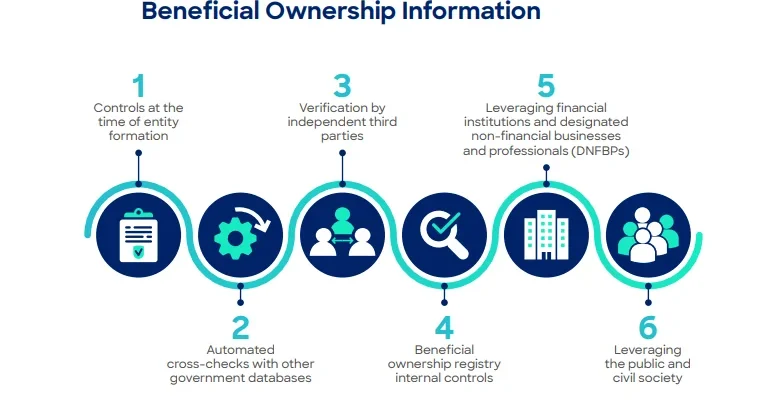
Modern AML frameworks therefore require financial institutions to:
“identify not only the legal owner of an account but also the natural person who ultimately owns or exercises effective control over the customer.”
Establishing beneficial ownership helps prevent the misuse of corporate structures for money laundering, corruption, tax evasion, and sanctions evasion.
Challenges
Identifying beneficial ownership can be difficult where ownership structures involve multiple jurisdictions, layered corporate entities, discretionary trusts, or opaque legal arrangements. These challenges have prompted many jurisdictions to establish central beneficial ownership registers and strengthen transparency requirements.
N-LAWS Legal Insight
Beneficial ownership transparency has become one of the defining themes of international financial regulation. Regulators increasingly recognise that effective AML controls depend not only on knowing the legal customer but also on identifying the individuals who ultimately exercise control behind complex legal structures.
Ongoing Transaction Monitoring
Customer verification alone cannot prevent financial crime. Once an account is opened, banks are expected to monitor customer activity continuously to identify transactions that appear inconsistent with the customer’s known profile or present indicators of money laundering or terrorist financing.
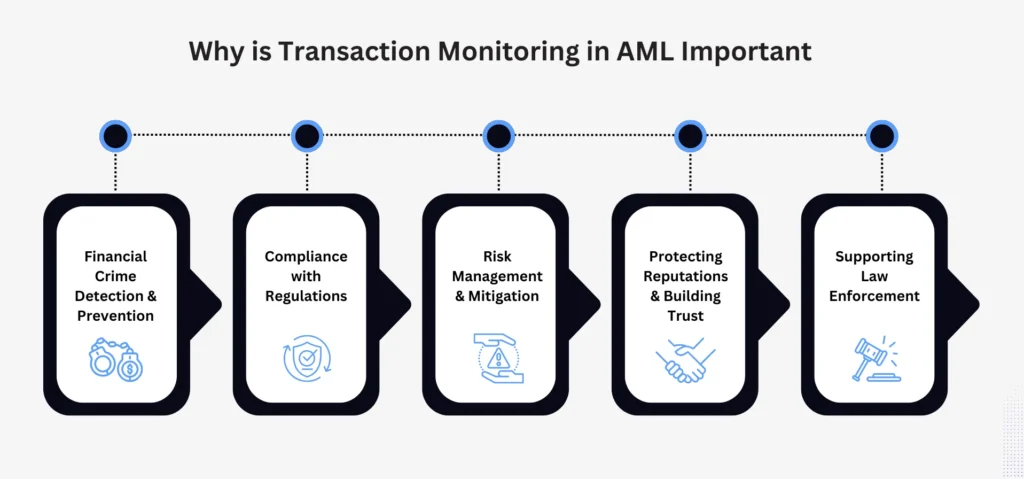
Transaction monitoring systems analyse a wide range of factors, including:
- transaction frequency;
- transaction values;
- geographic destinations;
- counterparties;
- unusual account activity; and
- deviations from expected customer behaviour.
Modern monitoring increasingly combines automated technology with human judgement. Artificial intelligence and machine learning tools assist in identifying complex transaction patterns that may not be apparent through traditional rule-based monitoring alone. However, financial institutions remain responsible for ensuring that automated systems operate effectively and that significant alerts receive appropriate human review.
Suspicious Activity Reporting (SAR)
Where a financial institution identifies activity that may involve money laundering, terrorist financing, or other criminal conduct, it is generally required to submit a Suspicious Activity Report (SAR) or equivalent report to the relevant financial intelligence unit (FIU), in accordance with applicable domestic law.
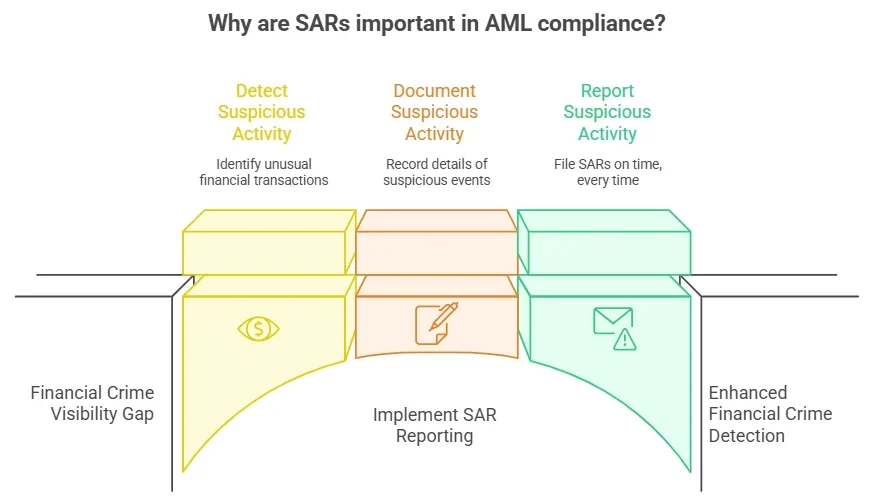
A report may be triggered by:
- unexplained large cash deposits;
- transactions inconsistent with the customer’s profile;
- attempts to conceal ownership;
- unusual cross-border transfers;
- structuring or “smurfing” activities; or
- other indicators identified through risk monitoring.
Importantly, reporting obligations generally apply where there are reasonable grounds for suspicion rather than definitive proof of criminal conduct. Financial institutions must also maintain confidentiality to avoid unlawfully alerting customers that a report has been filed.
Correspondent Banking: Managing Cross-Border Risk
Correspondent banking relationships enable financial institutions in different jurisdictions to provide international payment, settlement, and trade finance services. While these relationships are essential for global commerce, they can also:
“present elevated financial crime risks because one bank may process transactions on behalf of another institution and its customers.”
International standards therefore require banks to conduct enhanced due diligence before establishing correspondent banking relationships. Institutions are expected to:
- assess the respondent bank’s reputation;
- understand its AML controls;
- evaluate regulatory oversight;
- identify ownership and management structures; and
- obtain senior management approval before entering the relationship.
Weak correspondent banking controls have featured prominently in several major enforcement actions, reinforcing the importance of robust risk assessments and continuous oversight.
Practical AML Compliance Workflow
A simplified risk-based AML process typically involves the following stages:
- Customer identification and verification.
- Customer risk assessment.
- Customer due diligence or enhanced due diligence where appropriate.
- Beneficial ownership verification.
- Ongoing transaction monitoring.
- Detection of unusual or suspicious activity.
- Submission of Suspicious Activity Reports where required.
- Periodic review and updating of customer information.
N-LAWS Legal Analysis
Effective AML compliance is best understood as a continuous cycle rather than a single regulatory requirement. Each stage, from onboarding to ongoing monitoring and reporting supports the next, enabling financial institutions to respond to evolving financial crime risks while maintaining compliance with international standards.
Politically Exposed Person (PEP): Managing Higher-Risk Relationships
One of the most important elements of a risk-based AML programme is the identification and management of Politically Exposed Person (PEP). A PEP is an individual who has been entrusted with a prominent public function and may therefore present a higher risk of bribery, corruption, or abuse of public office. International standards also recognise that family members and close associates of PEPs may present similar risks and therefore require appropriate scrutiny.
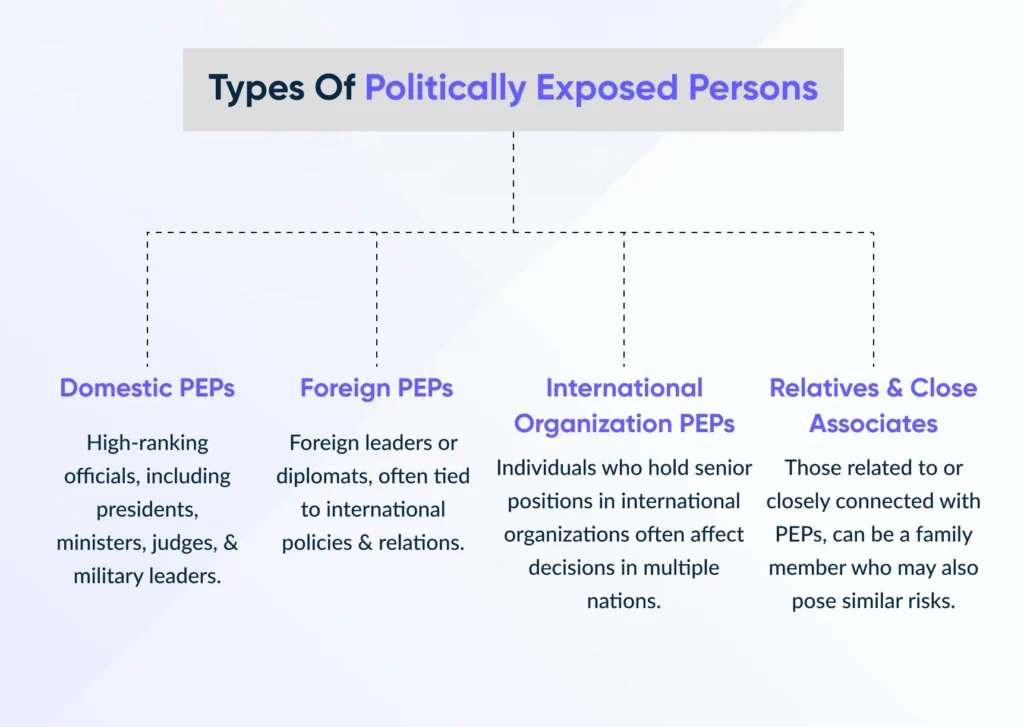
Importantly, being classified as a PEP does not imply criminal conduct. Instead, it reflects an increased exposure to corruption risks that requires financial institutions to apply Enhanced Due Diligence (EDD) before and during the business relationship.
Typical EDD measures for PEP include:
- obtaining senior management approval before establishing the relationship;
- verifying the source of wealth and source of funds;
- conducting enhanced background checks;
- increasing transaction monitoring; and
- reviewing the relationship more frequently than standard-risk customers.
N-LAWS Legal Insight
International AML standards do not prohibit banks from serving Politically Exposed Persons. Rather, they require institutions to demonstrate that they understand the risks, document their assessment, and implement proportionate controls throughout the relationship.
Economic Sanctions and Sanctions Screening
Economic sanctions have become one of the most significant compliance obligations for internationally active banks. Governments and international organisations use sanctions to pursue foreign policy and national security objectives by restricting financial dealings with specified countries, entities, organisations, or individuals. Financial institutions are therefore expected to ensure that they do not facilitate prohibited transactions or provide services to designated persons.
Banks typically maintain sanctions screening systems that compare customers, counterparties, beneficial owners, and payment instructions against relevant sanctions lists before transactions are processed. These controls are particularly important in cross-border banking, where a single payment may involve multiple jurisdictions with different legal requirements.
Failure to comply with sanctions obligations can expose institutions to substantial financial penalties, regulatory enforcement, restrictions on business activities, and significant reputational harm. For multinational banks, sanctions compliance has become a core component of enterprise-wide risk management rather than a specialist legal function.
Trade-Based Money Laundering (TBML)
Trade-Based Money Laundering (TBML) is one of the most sophisticated methods used to disguise the proceeds of crime. Instead of relying primarily on cash movements or simple transfers, TBML exploits international trade by manipulating invoices, shipping documents, quantities, or prices to move value across borders while creating the appearance of legitimate commercial activity.
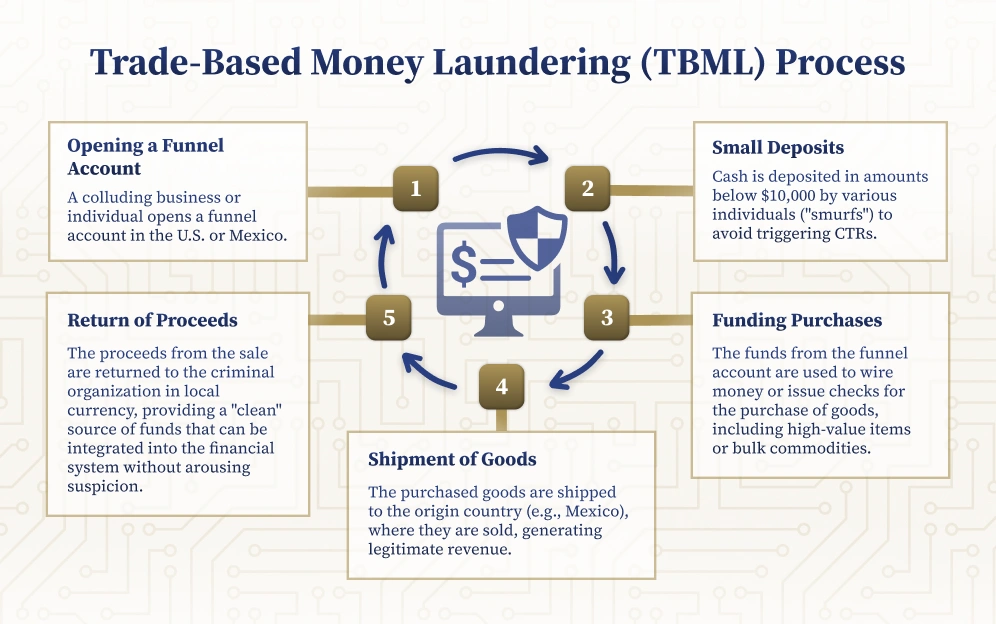
Common TBML techniques include:
- over-invoicing goods or services;
- under-invoicing shipments;
- multiple invoicing of the same goods;
- falsely describing the quality or quantity of goods; and
- using complex supply chains to obscure ownership and payment flows.
Because international trade finance often involves multiple banks, customs authorities, freight companies, and jurisdictions, identifying TBML can be particularly challenging. Effective detection requires cooperation between financial institutions, regulators, and law enforcement agencies.
Why This Matters
As banks strengthen traditional AML controls, organised criminal networks increasingly exploit legitimate international trade to conceal illicit value transfers. Consequently, trade finance has become a growing focus of regulatory attention within international banking law.
Lessons from Major International Enforcement Cases
International AML regulation has been shaped not only by legislation and regulatory standards but also by significant enforcement actions that exposed weaknesses in banking compliance systems. The source highlights several high-profile cases that continue to influence supervisory expectations.
HSBC
The HSBC enforcement action demonstrated how deficiencies in AML controls and transaction monitoring within international banking operations can expose institutions to significant regulatory consequences. The case reinforced the importance of enterprise-wide compliance programmes, effective governance, and senior management oversight.
Danske Bank
The Danske Bank case highlighted the risks associated with correspondent banking and inadequate oversight of non-resident customers. It illustrated how weaknesses within a single branch could create substantial legal, financial, and reputational consequences for an international banking group.
BNP Paribas
The BNP Paribas case demonstrated the importance of sanctions compliance within cross-border banking. It underscored the expectation that financial institutions maintain effective controls to identify and prevent transactions that breach applicable sanctions regimes.
N-LAWS Legal Analysis
These cases reveal a common regulatory theme: supervisory authorities increasingly evaluate not only whether misconduct occurred but also whether an institution maintained an effective governance framework capable of identifying, escalating, and addressing financial crime risks before they resulted in regulatory breaches.
AI and RegTech in AML Compliance
Rapid advances in artificial intelligence (AI) and regulatory technology (RegTech) are transforming the way financial institutions manage AML compliance. Traditional rule-based monitoring systems often generate large numbers of false alerts, requiring extensive manual review. AI-enabled systems can analyse complex transaction patterns, identify anomalies, and improve the prioritisation of genuinely suspicious activity.
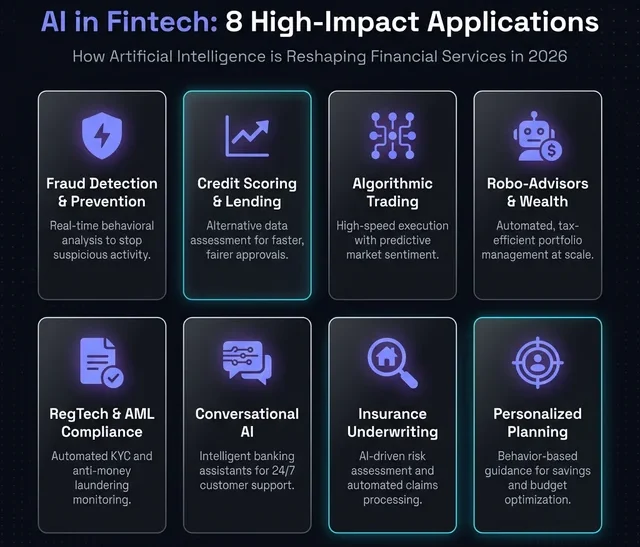
RegTech solutions increasingly support:
- digital customer onboarding;
- automated identity verification;
- transaction monitoring;
- sanctions screening;
- adverse media screening;
- regulatory reporting; and
- ongoing customer risk assessments.
While these technologies offer significant efficiency gains, regulators continue to emphasise that responsibility for compliance remains with financial institutions. Automated systems should support, rather than replace, effective governance, human judgement, and documented decision-making.
Emerging Challenges in Financial Crime Compliance
The source identifies several trends that are likely to shape the future of AML regulation:
- increasing use of digital assets and virtual asset service providers;
- greater transparency around beneficial ownership;
- stronger international cooperation;
- enhanced sanctions enforcement;
- wider adoption of AI-supported compliance tools; and
- evolving expectations regarding operational resilience and governance.
As financial services become increasingly digital and interconnected, AML compliance is expected to remain one of the fastest-evolving areas of international banking law.
Conclusion
Anti-money laundering regulation has become a cornerstone of international banking law. Through internationally recognised standards developed by the Financial Action Task Force and implemented by national regulators, financial institutions are expected to maintain comprehensive compliance frameworks capable of preventing the misuse of the global financial system.
Effective AML programmes combine customer identification, due diligence, beneficial ownership transparency, transaction monitoring, sanctions compliance, and timely reporting to manage evolving financial crime risks.
As financial services continue to evolve through digital innovation, artificial intelligence, and increasingly complex cross-border transactions, AML compliance will remain central to protecting financial stability and maintaining trust in the international banking system. The future of financial crime prevention will depend on continued international cooperation, technological innovation, and strong governance that balances efficiency with accountability.
Frequently Asked Questions
What is AML compliance?
AML compliance refers to the laws, regulations and internal controls used by financial institutions and other regulated businesses to prevent, detect and report money laundering and related financial crimes.
What is the role of FATF in AML compliance?
The Financial Action Task Force (FATF) develops international standards for combating money laundering, terrorist financing and proliferation financing. Countries implement these standards through their own domestic laws and regulatory systems.
What does KYC mean in banking?
KYC means Know Your Customer. It requires financial institutions to verify customer identities and understand the nature and purpose of their financial relationships to identify potential financial-crime risks
What is Customer Due Diligence (CDD)?
Customer Due Diligence is the process of identifying customers, assessing their financial-crime risk and monitoring relationships appropriately. Higher-risk customers may be subject to Enhanced Due Diligence.
What is beneficial ownership in AML?
Beneficial ownership refers to identifying the individual or individuals who ultimately own or control a company or other legal entity. Identifying beneficial owners helps prevent criminals from hiding illicit assets behind complex corporate structures.
Are AML and sanctions compliance the same?
No. AML rules focus primarily on detecting and preventing money laundering and related illicit financial activity. Sanctions compliance involves restrictions imposed on designated individuals, entities, countries, sectors or activities. Financial institutions often need systems addressing both.
What is transaction monitoring?
Transaction monitoring involves analysing financial activity to identify patterns that may indicate money laundering or other suspicious conduct. Automated systems can flag unusual transactions for further investigation by compliance teams.
What happens when a bank detects suspicious activity?
Depending on the jurisdiction and applicable law, a financial institution may have to submit a suspicious activity or suspicious transaction report to the relevant financial-intelligence authority. A report does not itself establish that a customer has committed a crime.
How does cryptocurrency affect AML compliance?
Cryptocurrency can make AML enforcement more complex because transactions can move rapidly across borders and involve exchanges, digital wallets and decentralised systems. Relevant virtual-asset service providers may therefore be subject to customer identification, monitoring and reporting requirements.
What are the consequences of AML compliance failures?
Depending on the jurisdiction and circumstances, AML failures can result in regulatory investigations, financial penalties, remediation requirements, restrictions on business activities and, in serious cases, criminal liability. They can also create significant reputational and operational risks for financial institutions.