
The geopolitical environment across Asia and the Middle East in early 2026 reflects a volatile convergence of regional conflicts, counter-terror operations, and great-power rivalry, steadily increasing the risk of a prolonged multi-theatre conflict. What began as isolated tensions has escalated into a matrix of military confrontations, proxy warfare, and diplomatic fragmentation involving Pakistan, Afghanistan, Iran, Israel, and the United States.
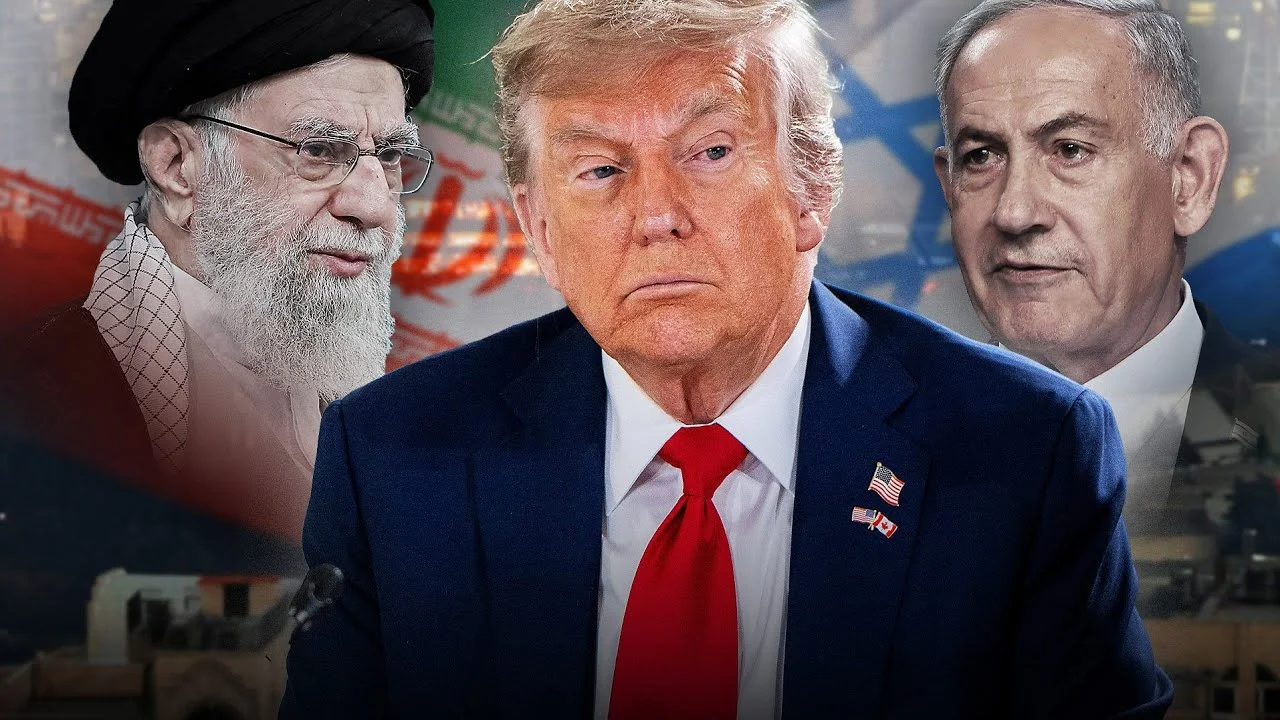
While no formal regional war has been declared, overlapping security crises have created conditions resembling a pre-war strategic environment marked by proxy tensions, cross-border strikes, and legal disputes over sovereignty and use of force. These developments pose complex legal questions about sovereignty, the use of force, international humanitarian law, and the role of international institutions with potential implications for global security and legal order.
This analysis examines the evolving situation through the lens of international law, regional security dynamics, and conflict-escalation risk.
Pakistan–Afghanistan Cross-Border Conflict
In one of the most dramatic regional escalations, Pakistan and Afghanistan have entered direct military hostilities, marking the most intense clashes between the two neighbours in decades. Charges and counter-charges of “open war” have been issued, with Pakistan asserting that Afghan territory is being used as a base for militant operations, particularly by the Tehreek-e-Taliban Pakistan (TTP) and ISIS-K.
In February 2026, Pakistan carried out repeated airstrikes on Kabul, Kandahar, and Paktika provinces, targeting alleged militant camps linked to Tehreek-e-Taliban Pakistan (TTP) and ISIS-Khorasan. Afghan sources reported civilian casualties, while Pakistan described the strikes as intelligence-based counter-terror operations. Afghanistan, for its part, has returned fire and claimed to repel Pakistani aircraft attempting to strike military installations.
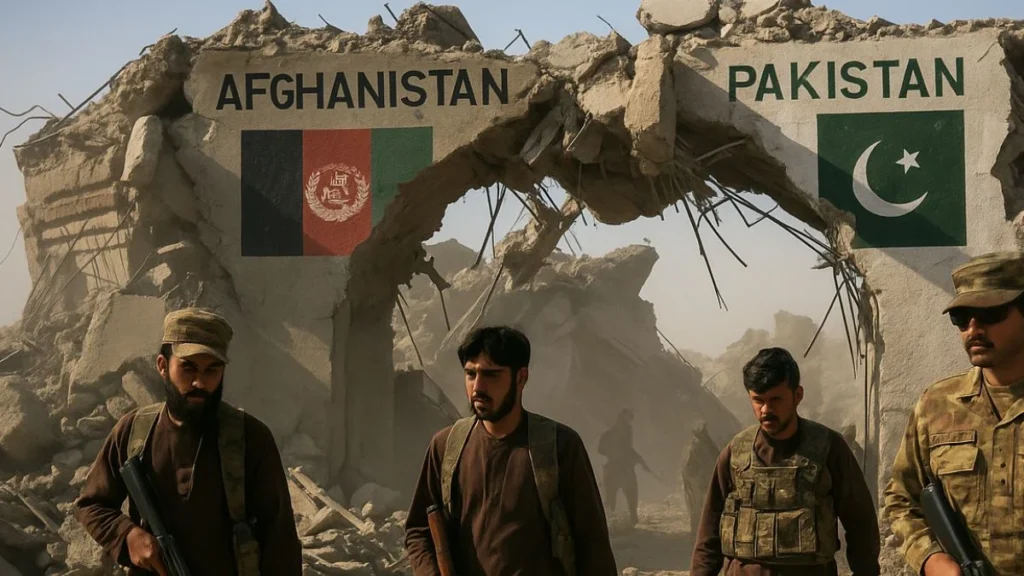
These operations have significantly strained bilateral relations and raised legal concerns under international law regarding sovereignty and the prohibition on the use of force. Pakistan justifies the strikes under the doctrine of self-defense against non-state actors operating from Afghan territory, while Kabul views them as violations of territorial integrity.
Continued militant attacks inside Pakistan, including a deadly Islamabad mosque bombing in February 2026, have further fueled security tensions and mutual accusations among regional actors. The result is a fragile and militarized border environment that risks escalation into sustained conflict. Domestic curfews and civil unrest in Pakistan, including violent protests leading to deaths near the U.S. consulate in Karachi, now intertwine the South Asian theatre with the broader Middle Eastern crisis, expanding the legal and security implications.
Legal Issues
- Territorial Integrity & Sovereignty: International law (UN Charter Article 2(4)) prohibits the use of force against another state’s territory except in lawful self-defence or with UN Security Council authorization. Pakistan’s justification of “self-defence” is under scrutiny, given that it predates formal attacks by Afghanistan and is justified mainly by cross-border militancy originating from non-state actors.
- State Responsibility: If Pakistan’s strikes are not tightly connected to an imminent armed attack, they risk being classified as unlawful uses of force. Afghanistan’s counter-attacks raise similar questions about proportionality and discrimination under international humanitarian law.
Iran–Israel–U.S. Confrontation
The conflict between Iran, Israel, and the United States, triggered by coordinated strikes aiming to degrade Iran’s strategic capabilities, has rapidly escalated beyond isolated military operations. According to multiple reports, U.S. and Israeli forces launched a major offensive that reportedly killed key Iranian leadership and struck strategic sites, provoking widespread Iranian retaliation across the Middle East, including missile and drone attacks targeting Israel, U.S. bases, and Gulf states.
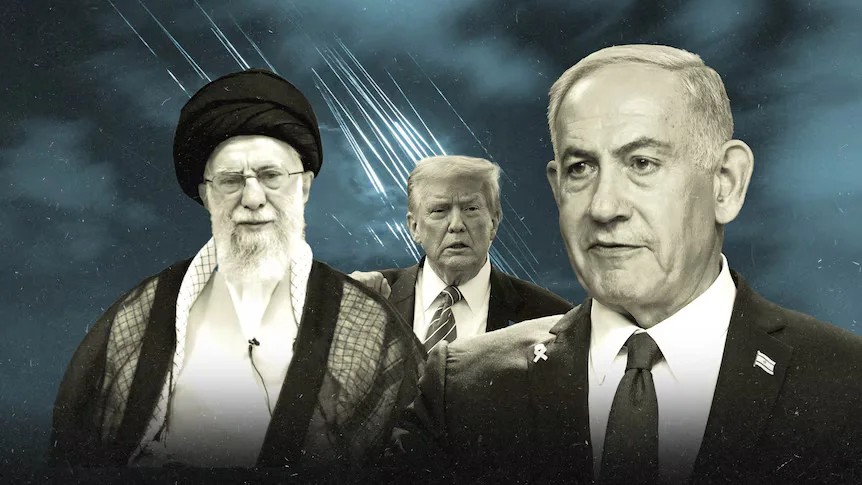
While direct large-scale war has not been formally declared, repeated targeted strikes, intelligence operations, and retaliatory actions have deepened strategic hostility. The ongoing Strait of Hormuz crisis, where maritime traffic has effectively halted due to safety concerns, exemplifies how legal disputes over freedom of navigation intersect with armed conflict, threatening global commerce and energy security.
Legal Questions Raised by the Strikes
The attacks immediately triggered global legal debate over several core principles of international law:
1. Prohibition on Use of Force (UN Charter Article 2(4)) – International law generally prohibits the use of force against another state except in self-defence or with UN Security Council authorization.
- Israel and the U.S. may argue anticipatory self-defence against imminent threats.
- Critics argue that pre-emptive strikes without clear imminent attack evidence risk violating the UN Charter.
2. Targeted Killing of Political Leadership – The killing of top Iranian leadership raises questions under international humanitarian law and state sovereignty:
- Targeting political leadership outside active battlefield contexts can be viewed as unlawful assassination.
- If framed as part of an armed conflict, such targeting may be argued as lawful military action against command structures.
3. Sovereignty and Non-Intervention – Strikes on Iranian territory without Security Council approval may be viewed as violations of sovereignty unless justified under self-defence doctrines.
4. Collective Self-Defence and Alliance Action – U.S. participation complicates the legal landscape, potentially invoking collective self-defence arguments if Israel claimed imminent threat. However, this remains legally contested.
U.S. Strategic Position in the Region
The United States remains deeply engaged across the Middle East through military alliances with Israel, security cooperation with Gulf states, and counter-terror operations across South Asia. Washington’s posture is increasingly shaped by a deterrence strategy toward Iran and by broader efforts to contain regional instability. The core strategic objectives are as under:
Deterrence of Iran and Regional Proxies
A primary U.S. objective remains the containment and deterrence of Iran. Washington continues to focus on limiting Iran’s missile capabilities, drone programs, and regional proxy networks. The United States frames its actions as defensive and preventative, emphasizing the protection of U.S. forces, allies, and international shipping lanes. However, the legality of pre-emptive or anticipatory self-defense remains a contested issue under Article 51 of the UN Charter, particularly in the absence of clear, imminent armed attacks.
Defense of Israel
The defense of Israel remains another central pillar of U.S. strategy. Security cooperation between the two countries includes intelligence sharing, missile defense coordination, and military assistance. Washington views Israel’s security as directly linked to regional stability. Yet this close alignment also places the United States under increased scrutiny regarding proportionality, civilian protection, and compliance with international humanitarian law during regional hostilities.
Counterterrorism in Afghanistan–Pakistan Corridor
In South Asia, renewed instability along the Pakistan–Afghanistan border presents a distinct but related challenge. The United States remains concerned about the resurgence of transnational militant groups such as ISIS-K and other cross-border networks. Without a large on-the-ground presence, Washington relies heavily on intelligence cooperation, counterterrorism partnerships, and limited “over-the-horizon” capabilities.
Securing Maritime Energy Routes
Maritime security is another core dimension of U.S. strategy. Escalations around the Strait of Hormuz and Red Sea shipping corridors threaten global energy supplies and commercial stability. U.S. naval deployments are presented as upholding freedom of navigation and protecting international commerce. While these operations are grounded in established maritime law principles, heightened tensions increase the risk of miscalculation, especially if defensive patrols are perceived as offensive positioning by rival states.
Domestic Considerations
Domestically, the executive branch must navigate constitutional limitations on war powers. While past Authorizations for Use of Military Force have provided broad legal cover for certain operations, a prolonged or expanded conflict could prompt renewed congressional scrutiny. Questions about the scope of executive authority, especially in the context of coordinated regional strikes, remain central to internal U.S. legal debates.
Strategic Considerations
Strategically, Washington must also consider broader geopolitical competition. Prolonged military engagement in the Middle East risks diverting attention and resources from the Indo-Pacific, where strategic competition with China remains a long-term priority. Russia’s alignment with certain regional actors further complicates the strategic landscape, making escalation management essential not only regionally but globally.
Economic Stability
Economically, while the United States is less directly dependent on Middle Eastern energy than some allies, it remains deeply invested in global market stability. Disruptions to oil and gas flows can generate inflationary pressures and financial volatility worldwide. Thus, safeguarding maritime routes and stabilizing energy markets is as much an economic imperative as a security one.
Risk of a Long-Standing Multi-Front Conflict
The current alignment of tensions across South Asia and the Middle East creates a significant risk of a prolonged, multi-front conflict that could entrench instability for years rather than months. Simultaneous flashpoints involving Pakistan and Afghanistan, Iran and Israel, and U.S. regional involvement create overlapping theaters of confrontation. When multiple conflicts operate concurrently with shared actors, intelligence coordination, and proxy networks escalation in one arena can quickly spill into another, reducing the likelihood of isolated containment.
One major risk lies in proxy warfare expansion. Iran’s regional network of non-state armed groups, Pakistan’s internal militant challenges, and cross-border insurgent activity in Afghanistan all contribute to a layered security environment. If direct state-to-state hostilities remain limited but proxy engagements intensify, the conflict could resemble prolonged hybrid warfare rather than conventional war. Such dynamics complicate ceasefire negotiations because non-state actors may not be directly bound by interstate agreements, prolonging instability even if formal hostilities decline.
Another factor is miscalculation and retaliatory spirals. Military signaling missile launches, airstrikes, and naval deployments are often intended as deterrence. However, in high-tension environments, actions interpreted as defensive by one side may be perceived as escalatory by another. Limited strikes designed to “restore deterrence” can trigger broader retaliation, gradually normalizing cycles of force. Over time, this tit-for-tat pattern hardens positions and reduces political space for compromise.
Humanitarian consequences present additional long-term risks. Sustained military operations increase civilian displacement, infrastructure destruction, and food insecurity. Refugee flows across South Asia and the Middle East could strain neighboring states, generating secondary instability. Humanitarian crises often outlast military campaigns, embedding grievances that fuel future cycles of violence.
Ultimately, the risk of a long-standing multi-front conflict depends on whether diplomatic off-ramps emerge before escalation patterns solidify. Early ceasefire frameworks, regional mediation initiatives, and confidence-building measures could prevent entrenchment. Absent such efforts, the overlapping crises across Asia and the Middle East may gradually transform from acute confrontation into chronic instability, reshaping regional security architecture for years to come.
Strategic and Legal Implications
The unfolding tensions across South Asia and the Middle East carry profound strategic and legal implications that extend beyond immediate battlefield developments. As multiple states navigate overlapping confrontations, the interaction between military strategy and international legal norms will shape not only the crisis’s trajectory but also the long-term architecture of global order.
Erosion of Sovereignty Norms
Frequent cross-border military actions, justified under counterterrorism or pre-emptive defense doctrines, are gradually eroding traditional norms of sovereignty. States increasingly invoke self-defense against non-state actors to justify operations inside neighboring territories. This trend risks normalizing unilateral use of force without multilateral authorization.
Expansion of Proxy Warfare
Proxy groups remain central to regional dynamics. Support for armed non-state actors, whether ideological, strategic, or defensive, blurs the line between internal conflict and international armed conflict. International law holds states responsible if:
- They exercise effective control over proxy groups
- Provide direct military support
- Coordinate operations
Attribution disputes make enforcement difficult, prolonging conflict cycles.
Economic and Trade Consequences
Escalating tensions across the Middle East and South Asia threaten major trade routes, including:
- Energy supply chains
- Maritime shipping corridors
- Infrastructure and investment projects
- Regional connectivity initiatives
Prolonged instability could trigger sanctions, trade disruptions, and global market volatility.
Likelihood of Prolonged Conflict
A long-standing regional conflict is increasingly plausible due to:
- Entrenched geopolitical rivalries
- Weak regional conflict-resolution mechanisms
- Limited effectiveness of international mediation
- Fragmented alliances and competing security interests
Unlike short-term crises, the current trajectory suggests sustained low-intensity conflict with periodic escalations rather than immediate full-scale war.
Conclusion
The evolving geopolitical landscape across Asia and the Middle East reflects a complex web of interconnected conflicts involving Pakistan, Afghanistan, Iran, Israel, and the United States. While not yet a formally declared regional war, the frequency of cross-border military actions, proxy confrontations, and strategic rivalries indicates movement toward a prolonged multi-front confrontation.
The coordinated U.S. and Israel military strikes on Iran in late February 2026 have triggered one of the most serious international legal crises in recent years, raising questions about pre-emptive force, targeted killings of leadership, and the legality of cross-border retaliation. The legal implications also extend across international humanitarian law, UN Charter norms, and global security frameworks.
From an international law perspective, the central risks lie in expanding interpretations of self-defense, erosion of sovereignty norms, and increasing reliance on unilateral military action. Without sustained diplomatic intervention and multilateral conflict-management efforts, the region faces the growing possibility of a long-duration conflict that could reshape global security and legal order for years to come.
Frequently Asked Questions
What triggered the current multi-regional conflict involving Pakistan, Afghanistan, Iran, Israel, and the United States?
The crisis intensified in early 2026 when coordinated Israeli–U.S. airstrikes targeted Iranian leadership and strategic sites, including the assassination of Ayatollah Ali Khamenei, significantly raising tensions in the Middle East. Simultaneously, Pakistan launched cross-border airstrikes into Afghanistan, framing the actions as defensive against militant groups allegedly based in Afghan territory. These parallel conflicts have contributed to a broader regional confrontation.
How are Pakistan and Afghanistan currently engaged in hostilities, and why is that significant?
Pakistan declared itself in “open war” with Afghanistan after a series of cross-border strikes and air raids, with both sides exchanging military actions along the Durand Line border. This escalation represents one of the most intense clashes between the two neighbors in years, significantly destabilising South Asia and attracting international concern.
What legal issues arise from the Pakistan–Afghanistan conflict?
International law, grounded in the UN Charter, prohibits the use of force against another state without lawful justification (such as self-defense against an imminent armed attack). The legality of Pakistan’s actions hinges on whether they genuinely constitute self-defense and whether proportionality and necessity standards are met.
How did the Iran–Israel–U.S. confrontation escalate, and what are the legal ramifications?
The joint U.S.–Israel Operation Lion’s Roar involved strategic strikes on Iranian territory aimed at degrading nuclear and military capabilities. While the U.S. and Israel have cited security threats, these actions pose complex legal questions under Article 51 of the UN Charter regarding anticipatory self-defense and the definition of “armed attack,” challenging established international legal norms.
Is the conflict spreading beyond initial theaters, and what evidence exists?
Yes. Iran has launched retaliatory strikes against Gulf states, including the United Arab Emirates,the proportionality of the resulting in civilian casualties and infrastructure damage. These attacks deepen the crisis and raise additional legal questions about state responsibility and proportional use of force.
What has been the international response to these escalations?
Several states and organisations have expressed concern: Pakistan condemned U.S.–Israeli strikes as violations of international law, emphasizing that targeting heads of state undermines sovereign norms, while other regional actors urge de-escalation and diplomacy to prevent wider war.
How have these conflicts affected civilian populations and regional stability?
What are the primary legal challenges in resolving these disputes?
Key challenges include reconciling state claims of self-defense with restrictions on the use of force under the UN Charter, defining lawful counter-terrorism operations across borders, protecting sovereign territorial integrity, and ensuring accountability for violations of international humanitarian law.
Could these conflicts lead to long-term changes in international law or custom?
Yes. How states interpret and justify anticipatory self-defense, cross-border military actions, and proportional responses will influence emerging customary international law and the threshold for lawful uses of force in future disputes.
What is the role of multilateral institutions in this crisis?
The United Nations Security Council and international courts face pressures to address these conflicts, but divisions among major powers and disagreements over legality of force complicate unified action and enforcement.