
The escalating U.S.–Iran conflict has triggered a dual political crisis for President Donald Trump, as a senior counterterrorism official resigned over the legality of the war while key NATO allies simultaneously rejected Washington’s request for military assistance in securing the Strait of Hormuz. Together, the developments reveal growing resistance to the war both inside the U.S. national security establishment and among America’s closest international partners.
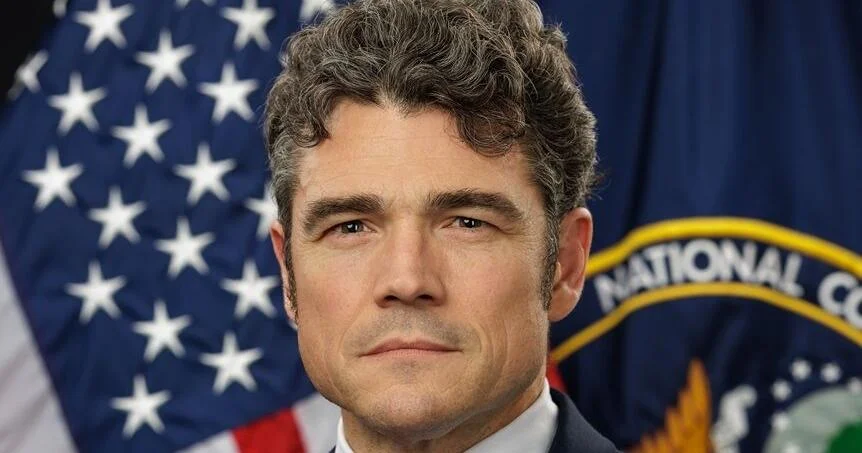
Joe Kent, the director of the National Counterterrorism Center, stepped down after publicly opposing the administration’s justification for military action against Iran. Kent argued that intelligence assessments did not support claims that Iran posed an imminent threat to the United States, a critical legal standard under international law and U.S. constitutional practice for launching military force without congressional authorization. His resignation represents the most senior internal dissent so far over the Iran conflict and has intensified debate in Washington over whether the war meets the legal requirements of self-defense.
Background: The Iran War and Internal U.S. Policy Divisions
The U.S. entered the current Iran conflict following joint military strikes carried out with Israel, a decision that has been controversial both domestically and internationally. Critics argue the strikes lacked clear congressional authorization and may not meet the legal threshold for self-defense under international law.
In his resignation letter, Kent stated that:
“The war was not justified by an imminent Iranian threat and suggested that external political pressure contributed to the decision to escalate militarily.”
His comments reflect a growing divide among U.S. officials between:
- Interventionist factions supporting military pressure on Iran
- Non-interventionist officials who argue the war contradicts earlier “America First” policies
The dispute has become particularly sensitive because the National Counterterrorism Center sits within the U.S. intelligence structure responsible for threat assessments.
Intelligence Community Fallout
Kent’s resignation is particularly significant because it highlights tension inside the U.S. intelligence community. The National Counterterrorism Center is responsible for assessing threats to U.S. national security, meaning Kent’s position placed him at the center of evaluating whether Iran posed a genuine danger.
His public disagreement with the administration suggests that intelligence assessments and political decisions may have diverged, a situation that historically has generated major legal controversies, such as debates over intelligence before the 2003 Iraq War.
NATO Allies Reject the U.S. Request
At the same time, the White House faced mounting diplomatic frustration after several NATO and partner countries declined Trump’s request to deploy naval forces to protect commercial shipping in the Strait of Hormuz. The strategic waterway carries roughly one-fifth of global oil supplies and has become a flashpoint after Iranian threats to disrupt shipping following U.S. and Israeli strikes.
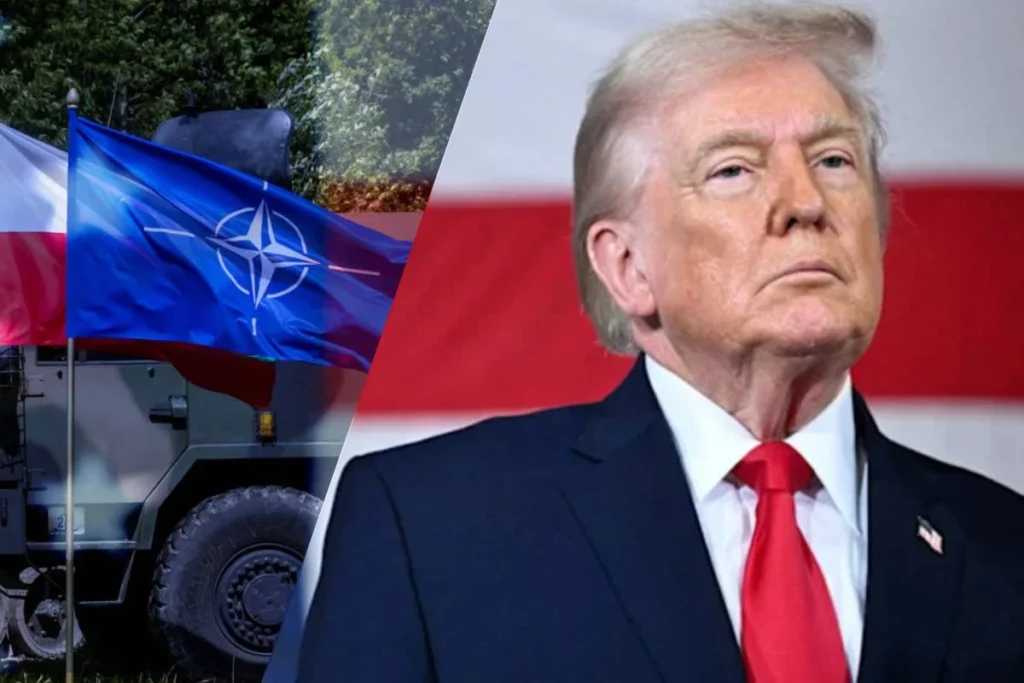
Major European allies, including the United Kingdom, France, and Germany, have refused to participate in a U.S.-led maritime coalition, emphasizing that NATO is a defensive alliance rather than a mechanism for joining conflicts initiated by individual members. European officials also signalled concern that participating in Hormuz operations could escalate the war and drag NATO into a wider Middle East conflict.
Germany stated that
United Kingdom signaled:
“it would avoid being drawn into a broader war in the Middle East.”
France also rejected claims that it would join U.S. operations in the Gulf, with President Emmanuel Macron clarifying that:
“Paris would only support maritime security missions after hostilities subside and through multilateral frameworks rather than under U.S. command.”
Outside NATO, other U.S. partners, including Japan and Australia, also declined to commit naval forces to the mission immediately.
Trump’s Reaction and Diplomatic Pressure
Trump responded with visible frustration, arguing that many countries benefiting from secure oil shipments should contribute to protecting the route. He criticized both European allies and Asian economies for relying on the United States to maintain maritime security while declining to provide military support. He warned that:
“NATO’s future could be very bad if allies refused to assist the United States in maintaining maritime security in the Gulf.”
Trump also criticized countries that rely heavily on oil transported through the strait, particularly Asian economies, for not contributing military support to keep the corridor open. Despite the pushback, the White House claims it is still negotiating with several countries to form a coalition to escort commercial vessels through the strategic passage.
Legal Context: Collective Defense vs. Optional Military Support
From a legal perspective, NATO allies are not obligated to join the operation. Under Article 5 of the North Atlantic Treaty, members are only required to assist when a member state is attacked.
However, the current Iran conflict was initiated by U.S. and Israeli strikes, meaning that NATO allies are not legally required to join military operations. As a result, European governments have treated the request as a voluntary coalition operation rather than a treaty obligation. Legal analysts note that NATO members often avoid participating in conflicts where:
- There is no direct attack on a NATO member state
- The conflict lacks UN Security Council authorization
- The operation risks escalating into a regional war
These factors appear to be influencing European governments’ reluctance.
Conclusion
Kent’s resignation and the allied refusal together raise broader questions about the legal legitimacy and strategic sustainability of the Iran war. Critics argue that if the administration cannot demonstrate an imminent threat from Iran or obtain congressional authorization, the military campaign could face challenges under both the War Powers Resolution and international law governing the use of force.
The twin developments have exposed deep divisions within the transatlantic alliance and inside the U.S. national security apparatus. As the conflict continues and tensions in the Persian Gulf intensify, the administration may face growing pressure from Congress, allies, and legal experts over both the lawfulness and the long-term strategy of the Iran war.