
Spain has reportedly denied U.S. requests to use jointly operated military bases on Spanish territory for offensive operations against Iran, triggering a major legal and diplomatic debate within NATO over alliance obligations and compliance with international law. The move comes amid escalating U.S. and Israel military actions and widening regional tensions across the Middle East, forcing European allies to clarify the legal limits of their participation in any military campaign.
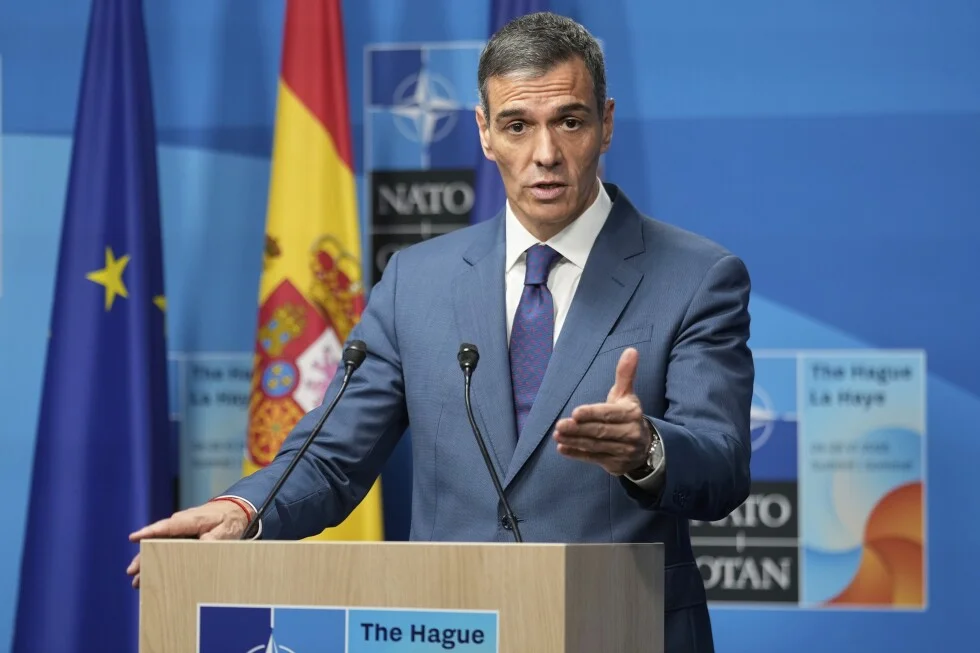
Spanish officials indicated that allowing U.S. forces to launch attacks from Spanish soil without clear United Nations authorization or a self-defence mandate could expose Madrid to legal responsibility under international law. The decision reflects growing European caution over direct involvement in operations that may be viewed as pre-emptive or retaliatory rather than defensive.
Legal Basis for Spain’s Refusal
Under international law, states hosting foreign military bases retain sovereign authority over how those bases are used. Legal experts note that Spain’s refusal is rooted in core UN Charter principles, particularly the prohibition on the use of force under Article 2(4) unless authorized by the UN Security Council or justified under self-defence.
Spanish legal advisers reportedly argued that:
“Participation in offensive strikes without clear UN authorization risks breaching the non-intervention principle and could make Spain a co-belligerent in any conflict with Iran”.
Such a designation could expose Spanish assets and territory to lawful counter-measures or retaliation under the laws of armed conflict. The decision mirrors earlier hesitation among some European allies about permitting U.S. operations on their territory. During recent escalations, certain NATO partners initially restricted U.S. use of their bases for strikes before later allowing limited defensive support, emphasizing compliance with international law and defensive mandates.
NATO Obligations vs. Sovereign Legal Duties
Spain’s stance highlights a growing tension between NATO alliance solidarity and individual states’ obligations under international law. While NATO’s collective defence clause under Article 5 requires mutual defence in response to an armed attack, it does not automatically authorize participation in offensive operations initiated by an ally.
Legal analysts stress that NATO treaties do not override the UN Charter. Member states remain bound by international law governing the use of force and may lawfully refuse participation in operations they consider inconsistent with those norms. Spain’s decision reflects a strict interpretation of this legal hierarchy.
The refusal has prompted debate within NATO about the limits of alliance cooperation, particularly when operations fall outside collective self-defence. Some European governments have expressed concern that unconditional base access could be interpreted as tacit participation in military action lacking clear legal justification.
Diplomatic and Strategic Fallout
Spain’s position risks straining relations with Washington, but has also been welcomed by legal scholars and some EU officials who argue it reinforces adherence to international legal standards. European diplomats warn that widening Middle East conflict could draw NATO into complex legal territory if alliance members diverge on the legitimacy of military operations.
By grounding its decision in the UN Charter and the principles of state responsibility, Spain has asserted a rules-based approach that prioritizes legality over pressure from alliances.
The episode shows a broader shift in European security policy, where legal compliance with the UN Charter increasingly shapes decisions on military cooperation. As the Iran crisis deepens, Spain’s refusal may set a precedent for other NATO members seeking to balance alliance commitments with international legal obligations.
What Comes Next
Diplomatic negotiations between Washington and European allies are ongoing as the U.S. seeks logistical and strategic support for operations in the region. Spain has signaled willingness to support defensive measures, intelligence sharing, and humanitarian coordination but maintains that its territory will not be used for offensive strikes lacking clear international legal mandate.
The standoff illustrates a defining legal question for NATO in 2026: whether alliance solidarity can coexist with strict adherence to the UN Charter’s limits on the use of force. Spain’s decision suggests that, for some allies, international law will remain the decisive factor in determining participation in future military operations.