
Australia tightens gun control following the Bondi Beach mass shooting, with officials announcing stricter firearm laws, enforcement measures, and public safety reforms.
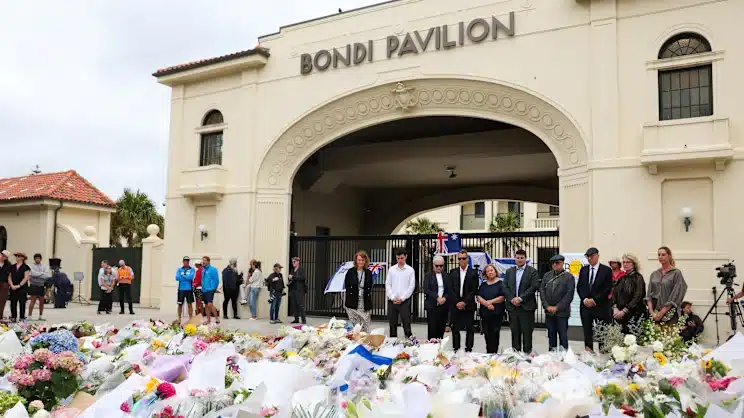
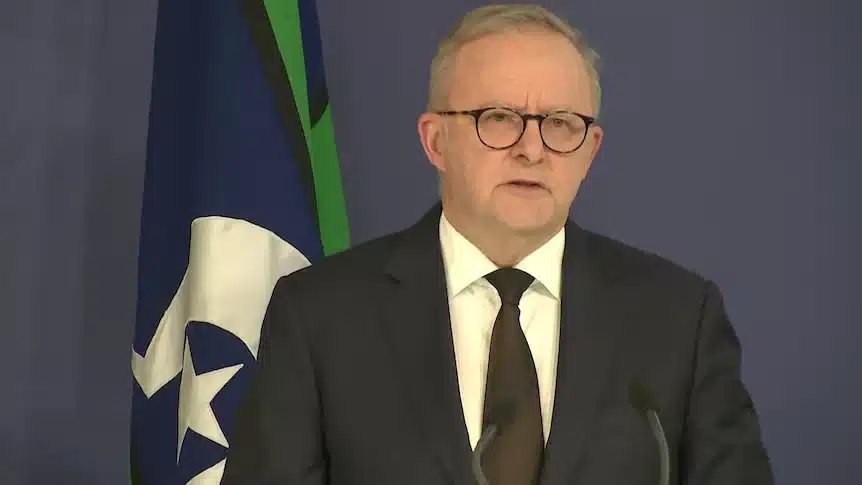
Australia is moving to further reinforce its gun control regime after what officials have called the country’s worst mass shooting in nearly three decades, in which a father and son allegedly killed 15 people during a Hanukkah celebration near Sydney’s Bondi Beach. Prime Minister Anthony Albanese denounced the killings as:
“An act of pure evil”
He further confirmed that his cabinet has agreed in principle to tougher firearms restrictions and an accelerated rollout of a national gun register.
What Happened At Bondi Beach
Police say two gunmen opened fire on men, women and children gathered for a Jewish holiday event, with shots reportedly continuing for up to 20 minutes as around 1,000 people fled along the sand and into nearby streets.
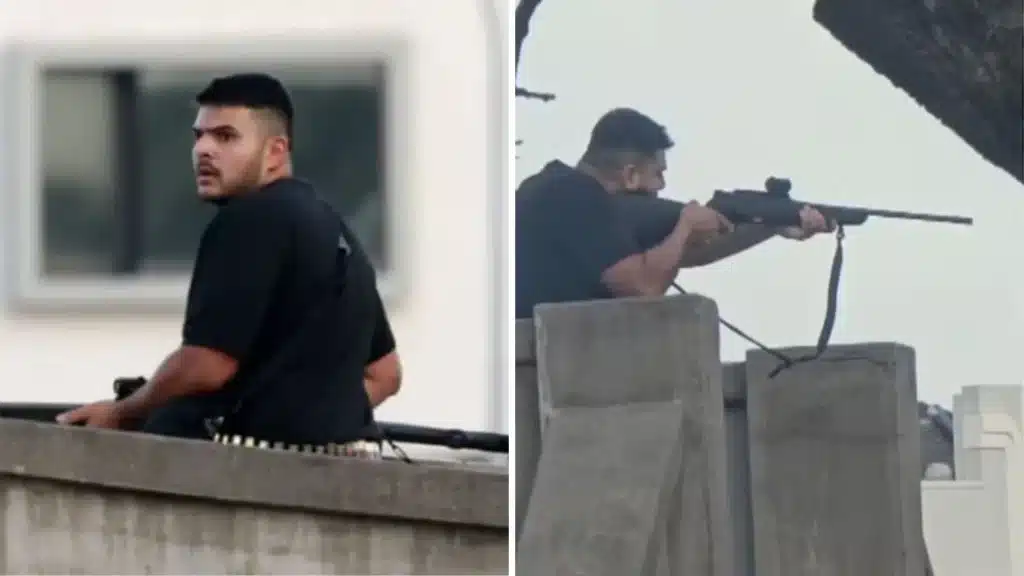
The suspects are described as a 50‑year‑old father, who was shot dead at the scene, and his 24‑year‑old son, who remains in critical condition under police guard, bringing the overall death toll to 16.
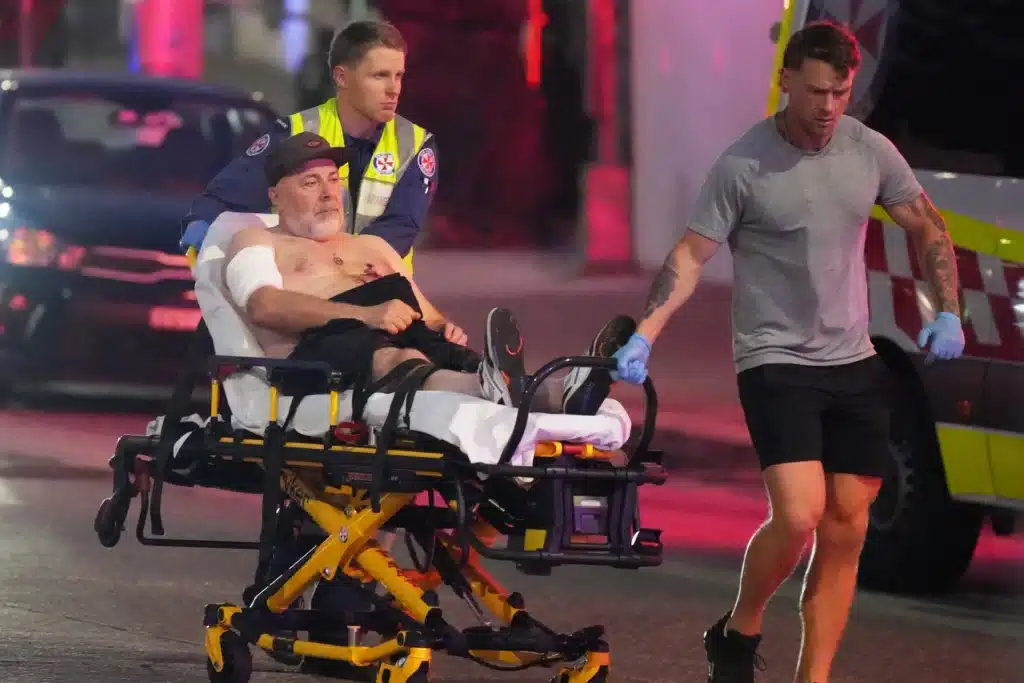
The victims ranged in age from 10 to 87 and included a rabbi and father of five, a Holocaust survivor, a retired police sergeant, and a French footballer, according to officials and community organisations. New South Wales health authorities said 27 people were still in hospital on Monday, with several patients listed as critical or critical but stable following the attack.
Explosives, Prior Investigations And Shooter Profiles
Investigators have confirmed that two “rudimentary” but active explosive devices were found at the scene and safely neutralised, with the state police commissioner saying he was:
“very glad that those devices were not activated.”
Authorities say they have spoken with the attackers’ family but have declined to speculate publicly on motive while the investigation continues, noting that one of the suspects was previously known to security agencies.
Albanese has disclosed that the younger suspect was examined by the Australian Security Intelligence Organisation for six months in 2019:
“on the basis of being associated with others.”
This assessment at the time concluded he did not pose a direct threat. Officials say the father arrived in Australia on a student visa in 1998 before transitioning to a partner visa, held a licence covering six firearms, and had travelled abroad only a handful of times, while the son is Australian‑born.
Heroism, Grief And A City In Mourning
Amid the chaos, bystander Ahmed al‑Ahmed has emerged as a powerful symbol of courage after video showed him tackling and disarming one of the armed men from behind when the attacker appeared to run out of ammunition. Al‑Ahmed, a 43‑year‑old fruit shop owner and father of two, was shot multiple times in the shoulder and arm and has already undergone at least one surgery, with doctors indicating that further procedures may be required.
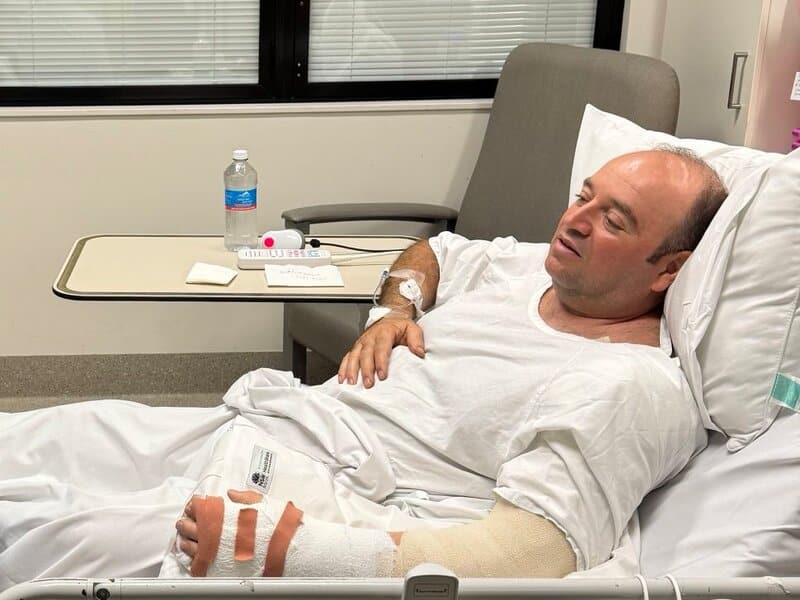
His parents, who recently arrived from Syria, described their son as:
“a hero of Australia.”
They further said he acted purely out of instinct to protect strangers
“regardless of their background or faith.”
A crowdfunding campaign for his recovery has raised hundreds of thousands of dollars within hours, including a six‑figure donation from financier Bill Ackman, while New South Wales Premier Chris Minns and President Donald Trump have both publicly praised his actions as having:
“saved countless lives.”
Bondi Beach Becomes A Place Of Vigil And Solidarity
Bondi Beach, usually synonymous with surf culture and summer crowds, has been transformed into a space of mourning, with floral tributes and handwritten messages mounting outside the Bondi Pavilion near the attack site. People have gathered throughout the day to lay bouquets, hold hands and support one another, as political leaders, including Albanese and former Prime Minister Malcolm Turnbull, visit to pay their respects and join local vigils.
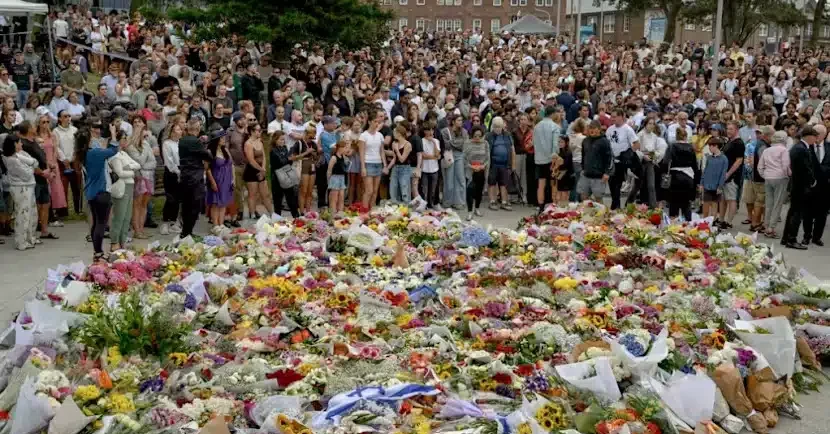
Similar scenes are playing out globally as Jewish communities and their allies mark Hanukkah under heightened security. In Berlin, police have stepped up measures around the Brandenburg Gate, where a large electric menorah is being lit, while New York Mayor Eric Adams and London’s Metropolitan Police say additional protection has been deployed for synagogues and holiday events, though operational details remain limited.
Planned Changes To Australia’s Gun Laws
Australia’s strict gun laws, introduced after the 1996 Port Arthur massacre, already include bans on most automatic and semiautomatic rifles and shotguns, mandatory licensing, and a 28‑day waiting period, backed by a national buyback that removed hundreds of thousands of weapons from circulation.
Even so, the Bondi shooting has exposed weaknesses around long‑term licences and the number of firearms an individual can legally hold, particularly given that the older suspect reportedly had a licence since 2015 and six registered guns.
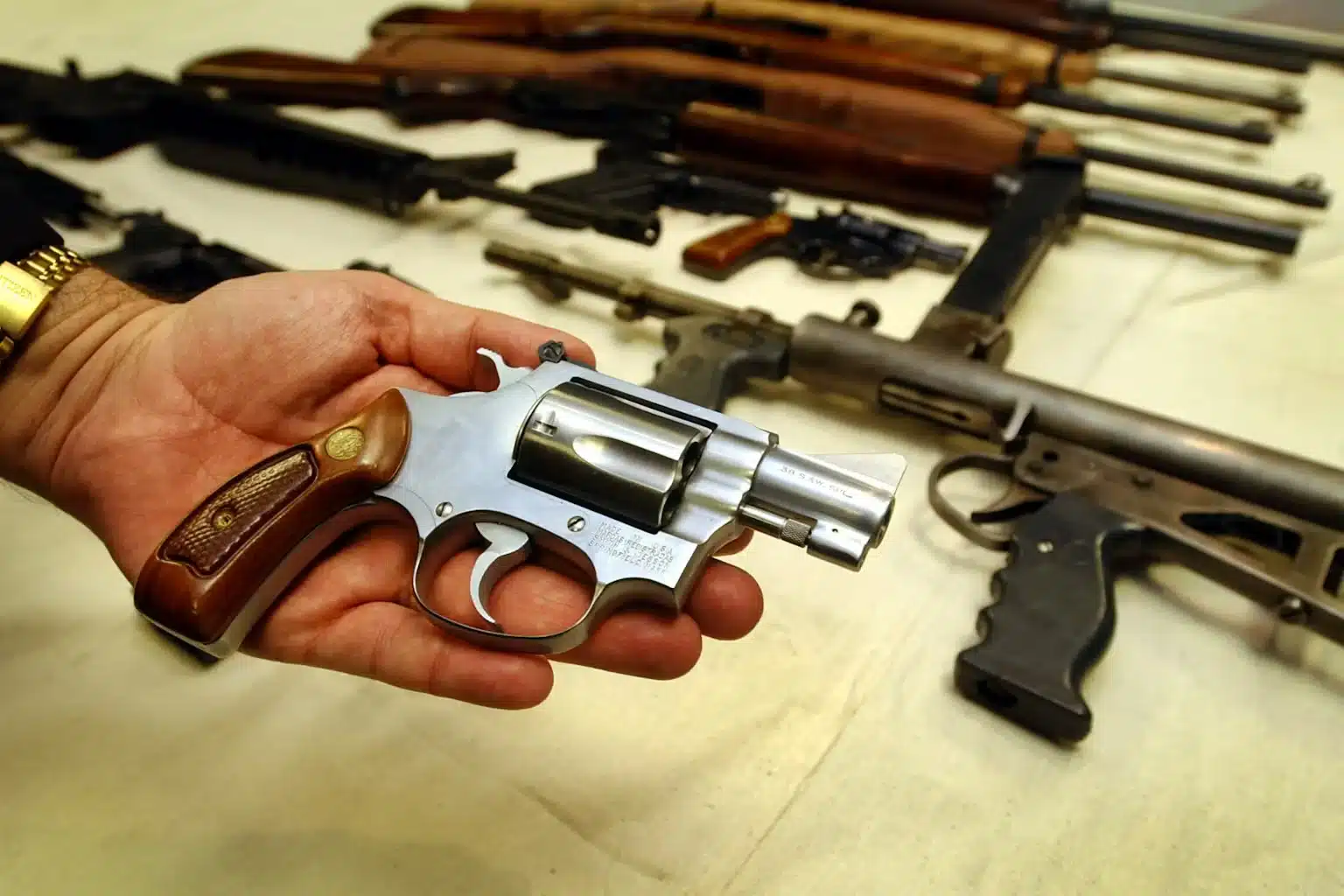
Following an emergency National Cabinet meeting, Albanese said leaders had agreed to pursue a new round of reforms, including restricting gun ownership to Australian citizens, expanding the use of criminal intelligence in licence decisions, capping the number and types of firearms one person can own, limiting open‑ended licences, and accelerating work on a fully integrated National Firearms Register. The Australian Federal Police Association and other policing bodies have welcomed the agenda, arguing it would give officers stronger preventative tools across state and territory lines.
International Condemnation And Debate Over Antisemitism
World leaders, including Donald Trump, UN Secretary‑General António Guterres and Pope Leo XIV, have condemned the attack, describing it as a “heinous” and “purely anti‑Semitic” act and expressing support for Australia’s Jewish community as Hanukkah begins. Albanese has repeatedly emphasised that:
“Jews in Australia must be able to worship and live in peace and safety.”
He further framed the government’s response as both a security issue and a test of social cohesion.
Israel’s Prime Minister Benjamin Netanyahu has gone further by linking Australia’s recognition of Palestinian statehood to a supposed rise in antisemitism and to the Bondi shooting, a claim criticised by UN special rapporteur Ben Saul as inappropriate and inflammatory.
Australian officials have sought to keep the focus on unity at home, with Albanese saying:
“This is a moment for Australians to come together.”
Officials further restated that the country has taken extensive measures to combat antisemitic incidents domestically.
Rising Tensions, Islamophobia Risks And Misplaced Backlash
Security experts and academics warn that political point‑scoring and divisive rhetoric risk fuelling Islamophobia and broader communal tensions in the wake of the attack. They note that in parts of Sydney with large Muslim populations, there is concern about retaliatory violence by individuals who may falsely view local communities as collectively responsible for the actions of the two suspects.
Those fears are already being borne out in part. Police are investigating the desecration of a Muslim cemetery in Sydney’s southwest, where pig heads and animal remains were dumped at the entrance in what community members believe was a hate‑motivated response.
At the same time, a Pakistani‑Australian man who shares a name with one of the alleged attackers says he has been doxed, had his photos circulated online and now feels unable to leave his home, underscoring the collateral damage of misidentification and online vigilantism.
Australia At An Inflection Point On Guns And Social Cohesion
Mass shootings remain rare in Australia, with the Bondi attack the deadliest since Port Arthur in 1996, but the incident has reignited debate over whether existing safeguards have kept pace with changing risks and enforcement realities.
Recent analysis suggests that the number of firearms in circulation has climbed in recent years despite earlier buybacks, raising questions about monitoring, data sharing, and the consistency of licensing decisions across jurisdictions.
The National Cabinet’s decision to pursue another round of gun reforms fits a familiar national pattern of decisive action after major gun violence, typically backed by broad public support.
The more complex task will be pairing legal changes with efforts to cool polarising rhetoric, address underlying drivers of extremist violence, and protect both Jewish and Muslim communities from further harm as Australia processes an attack that has shaken one of its most recognisable public spaces
What Triggered the Legal Response
The Bondi Beach attack prompted immediate scrutiny of how the perpetrator obtained and retained access to weapons. While Australia already enforces some of the world’s strictest gun laws, officials acknowledged that administrative and oversight failures can still occur.
As with previous incidents, the focus has shifted to whether existing safeguards were applied consistently rather than whether entirely new restrictions are required.
What Is Changing in Australia’s Gun Control Framework
Authorities are examining several areas:
Licensing and Eligibility Reviews
State and federal agencies are reassessing how background checks are conducted, particularly around mental health disclosures and ongoing eligibility monitoring.
Enforcement and Compliance
Law enforcement agencies are being directed to improve coordination and data sharing to ensure firearms are removed promptly when licenses lapse or conditions are breached.
Weapon Classification Oversight
Some categories of firearms and accessories are under review to determine whether they remain appropriately classified under current regulations.
How This Fits Australia’s Historical Approach
Australia’s response mirrors earlier reforms following the Port Arthur massacre and other high-profile incidents. Rather than expanding gun ownership rights, lawmakers typically:
- Tighten enforcement of existing laws
- Remove ambiguities exploited by loopholes
- Increase administrative scrutiny
This incremental approach has been credited with reducing mass shooting incidents over the past two decades.
Why This Matters Beyond Australia
Australia is frequently cited in international gun policy debates as evidence that regulatory enforcement, not broad bans alone, shapes outcomes.
For policymakers elsewhere, the Bondi Beach response reinforces a key lesson as even strong legal frameworks require constant oversight to remain effective.
Further regulatory updates are expected following internal reviews and consultations with state authorities. Any legislative amendments are likely to focus on implementation gaps, rather than a fundamental shift in gun policy.