
Snapchat has been banned in Russia, amid slow user growth and Australia’s stricter teen access rules, marking another challenge for Snap Inc.
Snapchat has been banned in Russia, adding another significant setback for parent company Snap Inc. at a time when user growth is already stalling in key markets. The platform set to lose another half a million users next week due to Australia’s under-16 social media ban. Russia’s regulator Roskomnadzor has ordered local ISPs to block the app, citing national security concerns and alleged use by criminal and extremist groups.
Russia Blocks Snapchat And FaceTime Over Security Claims
Russian authorities confirmed this week that both Snapchat and Apple’s FaceTime have been restricted nationwide.

According to Bloomberg:
“[Russia’s] communications agency Roskomnadzor said Snapchat and FaceTime were being used within Russia ‘to organize and carry out terrorist acts’ and recruit perpetrators, as well as to commit fraud and other crimes.”
The agency added that the technical blocking of Snapchat actually began back in October, with the public confirmation arriving alongside the FaceTime announcement in early December. As with previous platform bans in Russia, access may still be possible for some users via VPNs, but mainstream usage is expected to drop sharply.
Part Of A Broader Push Toward State-Controlled Apps
This latest move fits into a wider crackdown on foreign tech platforms that accelerated after Russia’s 2022 invasion of Ukraine. Russia has already blocked or heavily restricted Facebook, Instagram, X, Signal, and imposed curbs on WhatsApp and Telegram, often citing terrorism, fraud, extremism or data‑sharing disputes as justification.
In parallel, authorities have been pushing citizens towards a Kremlin-backed “super app” called MAX, which combines messaging, payments and government services and is being aggressively promoted in the region, including via requirements for phone makers to pre-install it on devices sold in Russia.
Against that backdrop, Snapchat and FaceTime look like the latest casualties of a policy shift toward a more tightly controlled, walled‑garden internet.
User Impact: Millions Lost In Russia, Hundreds Of Thousands At Risk In Australia
Snapchat is estimated to have around 8–8.5 million users in Russia, all of whom are now effectively cut off unless they use circumvention tools. For an app with 477 million daily active users globally, that’s a meaningful regional hit, especially when combined with other headwinds.
In Australia, Snap is also preparing to lock an estimated 440,000 Australians aged 13–15 out of their accounts from December 10, in line with the country’s under‑16s social media ban.
Those users will be required to verify they are over 16 using bank-linked IDs, government IDs or facial age estimation if they want to retain access, with underage accounts locked until their 16th birthday.
Growth Shifts To Lower-Monetizing Markets
Snap’s latest quarterly update showed that user growth is effectively flat in the US and Europe, with all DAU gains coming from “Rest of World” regions such as India and Southeast Asia. While those markets are helping offset headline user losses, they generate significantly lower revenue per user, meaning top-line growth doesn’t fully compensate for declines or stagnation in higher-value regions.

Losing Russia completely and a sizable chunk of its Australian teen base will likely weigh on Snapchat’s Q4 growth and longer-term monetization potential, even if global DAU manages to stay roughly level.
Snap has been leaning more heavily into SMB advertisers and direct-response ad performance to keep revenue moving in the right direction, but a shrinking or fragmented audience complicates that pitch.
AR Glasses And The Risky Hardware Bet
In the face of these challenges, Snap continues to position augmented reality as its big strategic bet, with AR-enabled Spectacles slated for a broader launch sometime next year. The company is hoping to leverage its deep AR lens ecosystem and creator tools to carve out a niche in consumer AR hardware.
However, the track record here is mixed at best. The first generation of Spectacles reportedly led to tens of millions of dollars in write-downs due to unsold inventory and weaker-than-hyped consumer demand.
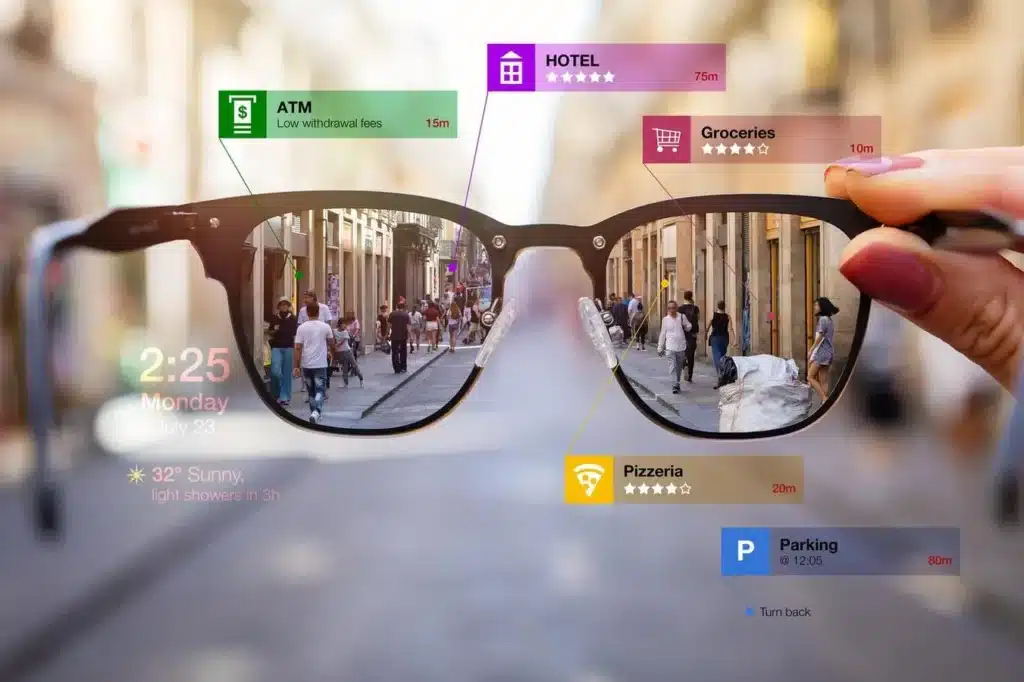
At the same time, Meta is preparing its own Orion AR glasses, building on the momentum of its Ray-Ban Meta smart glasses, which have drawn stronger mainstream interest and developer support. That raises the risk that Snap spends heavily on AR devices only to be overshadowed again by a larger rival with deeper hardware and ecosystem resources.
Bigger Picture: Platform Risk In Politicized Markets
The Russian ban ultimately underlines how exposed global social and messaging apps are to geopolitical decisions that can erase entire markets overnight. For Snap, this is one more structural hit layered on top of saturated Western usage, regulatory pressure on teen access, and intensifying competition for both attention and ad dollars.
Where Snapchat can still win is in deepening relevance among the audiences it retains especially younger users in open markets and proving that its AR, messaging and creator tools can deliver differentiated value that advertisers are willing to pay for.
Bottom Line
With user bans, social media age laws and hardware gambles all in play at once, the next few years look increasingly challenging for the app’s current business model