
This guide explains zero-click search and examines how it is changing SEO performance, visibility, and traffic in 2025.
Zero-click search has fundamentally transformed the digital landscape, reshaping how users interact with search engines and how businesses approach online visibility. In 2025, understanding this phenomenon is no longer optional for marketers, content creators, and business owners who want to maintain their competitive edge in the evolving search ecosystem.
Understanding Zero-Click Search in the Modern Era
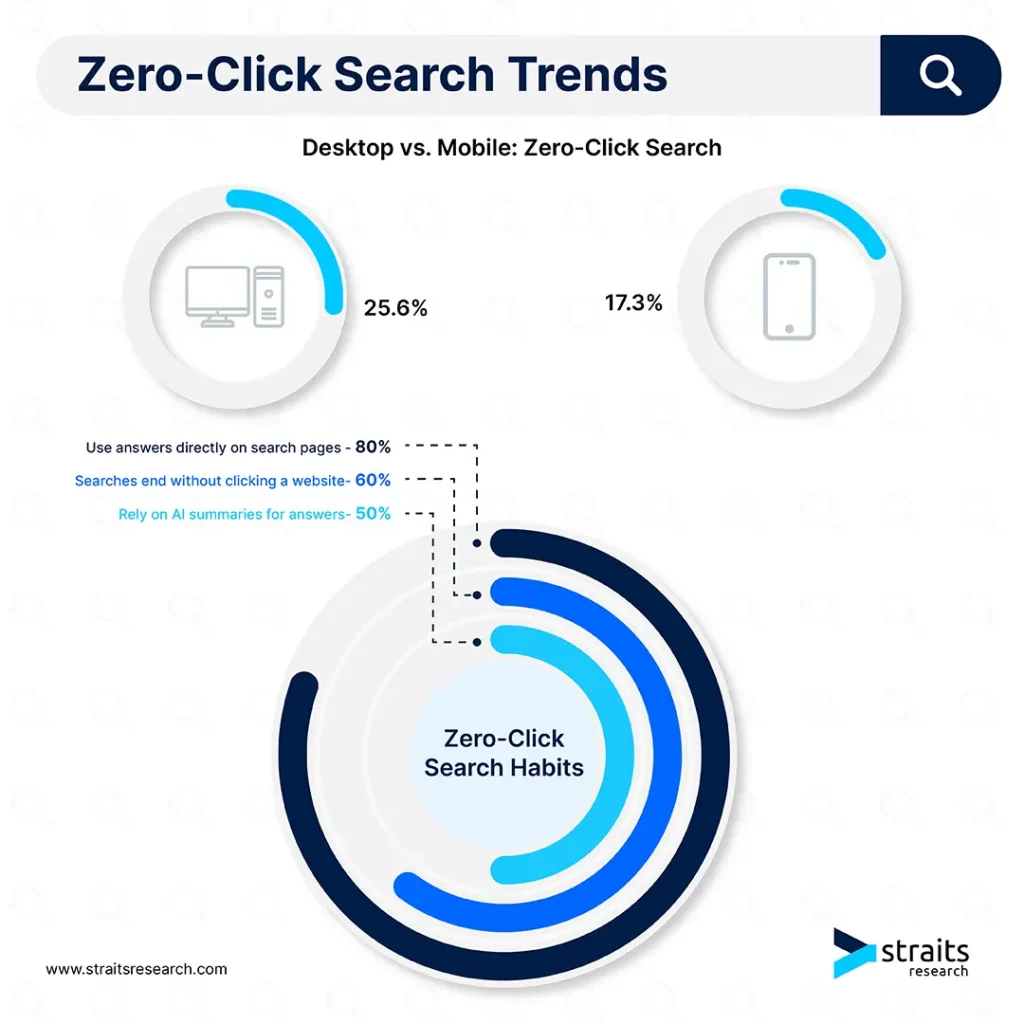
Zero-click search occurs when users find the information they need directly on a search engine results page (SERP) without clicking through to any website. This behavior has become the dominant pattern in online search, with approximately 60% of all Google searches now ending without a single click to an external website.
The rise of zero-click searches represents a fundamental shift in how search engines deliver value to users. Instead of serving as intermediaries that direct traffic to websites, search platforms have evolved into answer engines that resolve user queries directly on the results page. This transformation has been driven by advanced AI technologies, changing user expectations, and the proliferation of mobile devices.
When you search for simple questions like “what time is it in Tokyo” or “how many ounces in a cup,” Google immediately displays the answer at the top of the page. You get your information instantly without needing to visit any website. This convenience has trained users to expect immediate answers, fundamentally changing search behavior patterns.
Source: Google Search CTR
The Evolution and Growth of Zero-Click Searches
The journey toward zero-click dominance began years ago but has accelerated dramatically in recent years. Back in 2017, approximately 54% of searches ended without clicks. According to Click Vision’s comprehensive analysis:
“By 2021, that number had climbed to 62%, and recent data from 2025 confirms that roughly 60% of all global searches now result in no external click.”
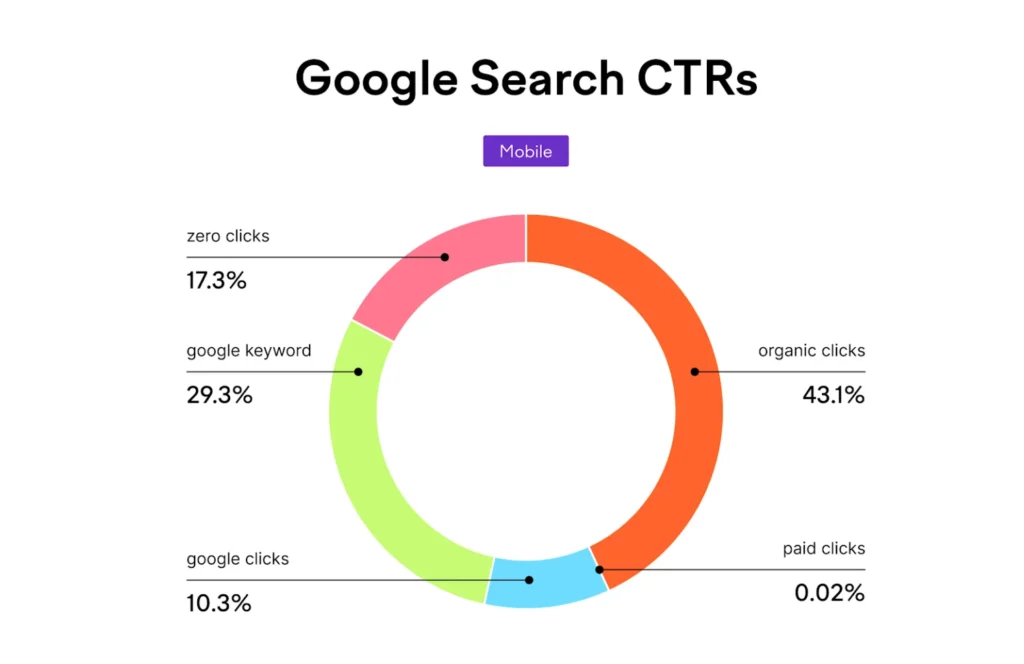
Mobile devices have become the primary driver of this trend. On smartphones and tablets, an astonishing 77% of queries end without visiting another website, compared to just 46.5% on desktop computers. This massive disparity exists because mobile users face smaller screens, slower connections, and greater time constraints, making them even more likely to rely on quick answers displayed directly in search results.
The pace of change has intensified between 2024 and 2025. According to Search Engine Land’s quarterly report:
“The United States saw its zero-click rate rise from 24.4% to 27.2% year over year, while the European Union and United Kingdom increased from 23.6% to 26.1% over the same period. Meanwhile, organic click-through rates fell to 40.3% in the United States and 43.5% in the EU/UK.”
These statistics reveal more than just numbers. They demonstrate a structural shift in how search engines handle user intent. From feature-based snippets in 2020 to AI-driven summaries in 2025, each year represents a measurable reduction in the open web’s share of traffic.
Source: Top Ten SERP Features
Key SERP Features Driving Zero-Click Behavior
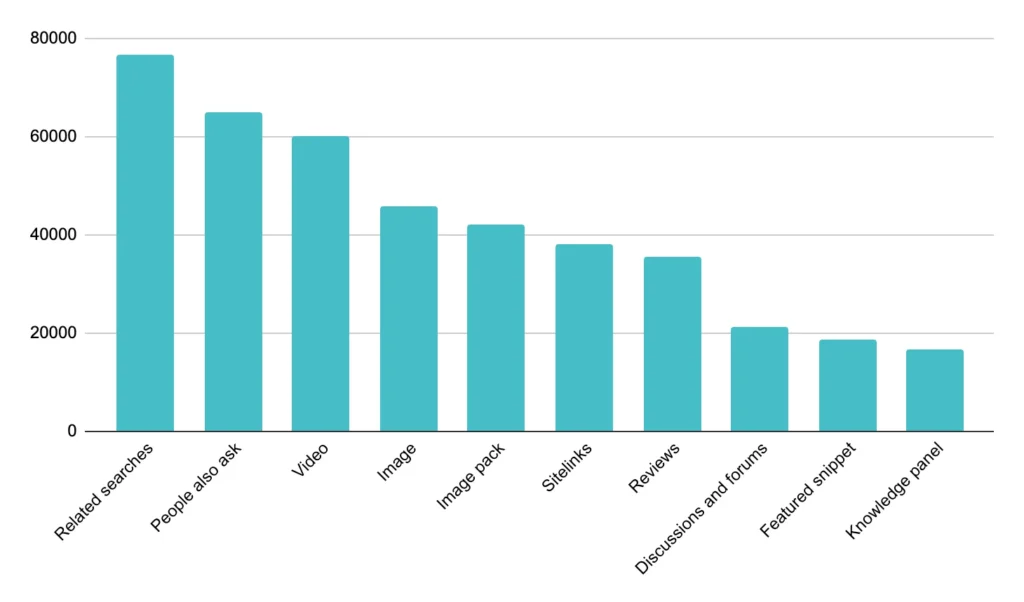
Understanding the specific features that enable zero-click searches is essential for anyone working in digital marketing or SEO. These features have evolved to become increasingly sophisticated and user-friendly.
Featured Snippets
Featured snippets appear at the very top of search results, often called “position zero.” These boxes provide direct answers to user queries, displaying information extracted from web pages along with the source’s name and link. Featured snippets can take several forms including paragraph summaries, numbered lists, bulleted lists, and tables.
For example, searching “how to tie a tie” typically triggers a featured snippet showing step-by-step instructions. Users can read the entire process without clicking through to the source website. While this reduces traffic, it also provides massive brand visibility and establishes authority.
Knowledge Panels
Knowledge panels are those information-rich boxes that appear on the right side of desktop search results or at the top on mobile. They provide comprehensive overviews of well-known entities including celebrities, companies, landmarks, and historical events. Google populates these panels using data from its Knowledge Graph, which contains billions of facts about people, places, and things.
When you search for “Eiffel Tower,” you immediately see its height, location, construction date, architect, and visitor information without clicking anywhere. These panels satisfy informational queries completely within the SERP.
AI Overviews and Search Generative Experience
The most significant development in zero-click search has been the introduction of AI-powered summaries. According to data from Semrush’s analysis.
“Google’s AI Overviews, formerly known as Search Generative Experience (SGE), now appear for approximately 13.14% of all United States desktop queries as of 2025.”
These AI-generated responses synthesize information from multiple sources into comprehensive, conversational answers. For queries triggered by AI Overviews, the median zero-click rate reaches an astounding 80%, averaging around 83%. This dramatically exceeds the traditional zero-click rate, making AI Overviews the most significant factor in reducing website traffic.
Longer, conversational, or question-style queries with eight or more words trigger Google AI Overviews far more frequently than shorter queries. This makes long-tail, question-based content increasingly important for SEO strategies moving forward.
Local Packs
Local packs display map-based results for location-specific searches like “coffee shops near me” or “best dentist in Boston.” These packs show three local businesses with their ratings, addresses, phone numbers, and hours directly on the SERP. Users can call businesses, get directions, or read reviews without ever visiting the business’s website.
For local businesses, optimizing Google Business Profile and consistently gathering positive reviews has become crucial for visibility in these zero-click results.
People Also Ask Boxes
People Also Ask (PAA) boxes display related questions that expand when clicked to reveal answers pulled from various websites. These expandable sections allow users to explore related topics without leaving the search results page. Each answered question can lead to additional related questions, creating an endless rabbit hole of information.
The Impact on Businesses and Content Creators
The dominance of zero-click searches presents both challenges and opportunities for businesses, publishers, and content creators. Understanding these dynamics is critical for adapting your strategy.
Source: Benefits of Zero-Click Search
Traffic Reduction Concerns
The most obvious concern is the reduction in organic website traffic. When users find answers directly on Google, they have less reason to click through to your site. This directly impacts metrics that many businesses rely on, including page views, time on site, and conversion opportunities.
Publishers who depend on advertising revenue face particular challenges. Fewer clicks mean fewer ad impressions and lower revenue. Some estimates suggest this shift has cost publishers billions in potential advertising income.
Visibility and Brand Recognition
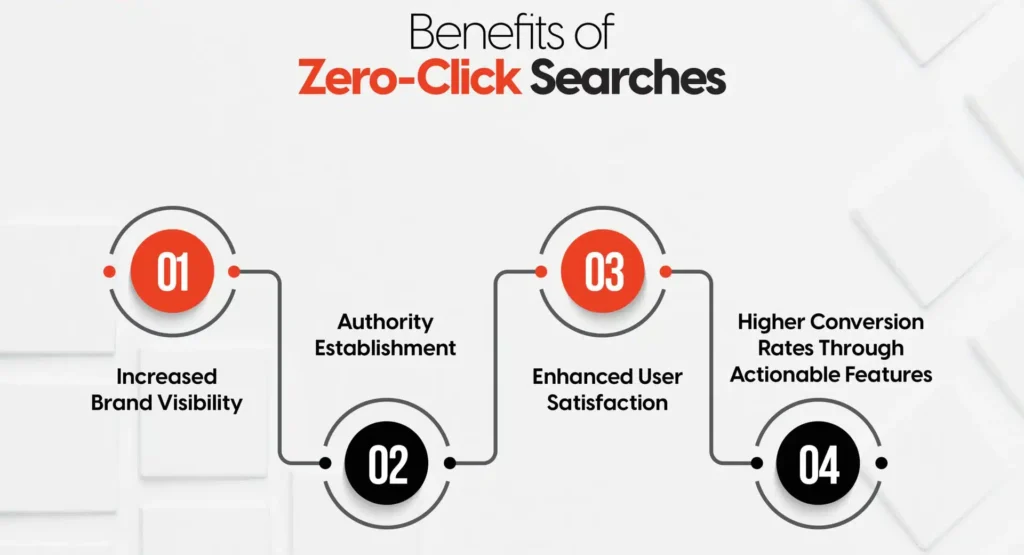
However, zero-click features are not entirely negative. Appearing in featured snippets, knowledge panels, or AI Overviews provides massive visibility. Your brand name appears prominently at the top of search results, establishing authority and credibility in your field.
Research shows that 80% of users read and use information directly from search results features, even if they eventually click through to a website. This means your content influences purchasing decisions and builds brand awareness, even without direct traffic.
Strategic Adaptation
Forward-thinking businesses are adapting by optimizing specifically for these zero-click features while also creating content that encourages clicks for deeper engagement. The key is providing quick, valuable answers in featured snippets while offering comprehensive resources that motivate users to visit your site for complete information.
Optimizing Content for Zero-Click Search in 2025
Success in the zero-click era requires a sophisticated approach that balances visibility in SERP features with driving meaningful traffic and conversions.
Source: Optimizing Content for Zero-Click Search
Focus on Question-Based Content
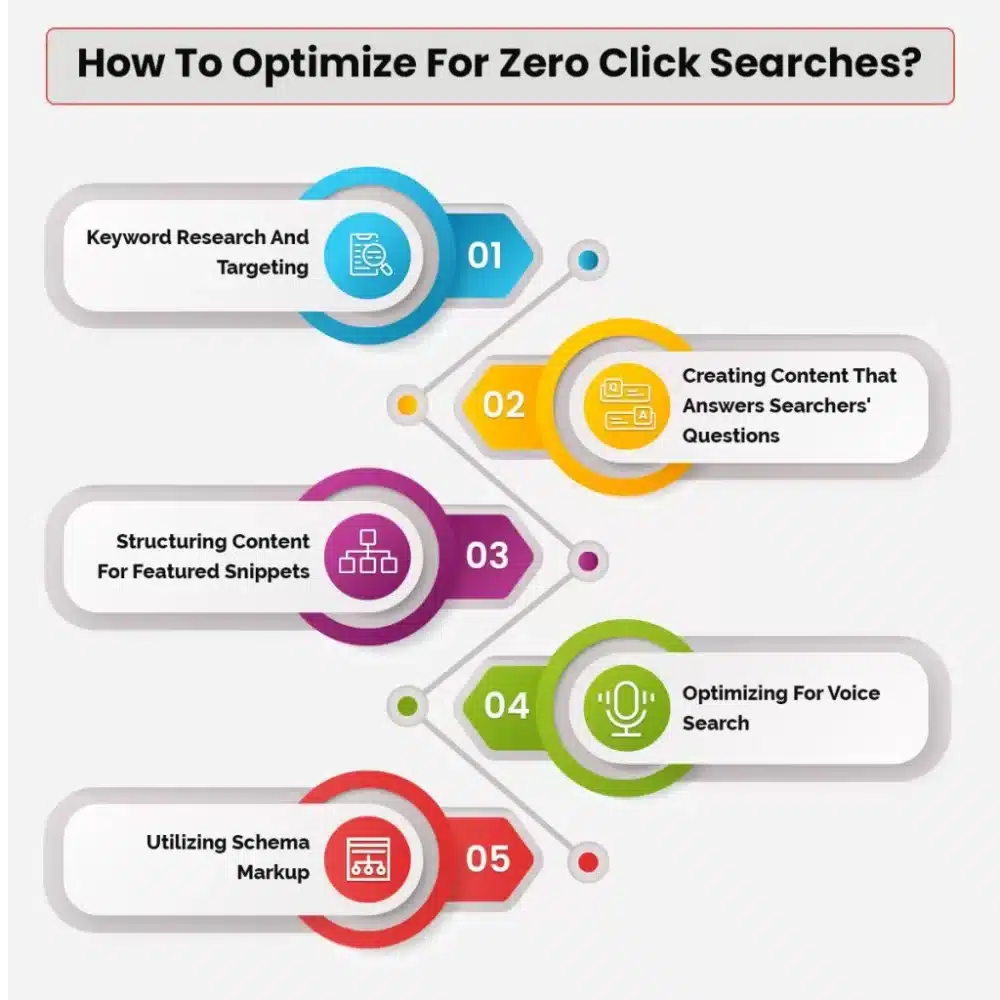
Structure your content to answer specific questions clearly and concisely. Use question headings (H2, H3 tags) that match common search queries. The first paragraph under each heading should provide a direct, complete answer in 40 to 60 words. This format aligns perfectly with how Google selects featured snippet content.
For example, instead of writing “The Importance of Hydration,” use “How Much Water Should You Drink Daily?” and immediately provide the recommended amount.
Implement Structured Data Markup
Structured data helps search engines understand your content better and increases the likelihood of appearing in rich results. Implement schema markup for FAQs, How-To guides, recipes, products, events, and reviews.
Use schema.org vocabulary to mark up your content properly. This structured approach makes it easier for AI systems to extract relevant information from your pages.
Create Comprehensive Content Hubs
While providing quick answers is important, you also want users to click through for deeper information. Create comprehensive content hubs that thoroughly cover topics from multiple angles. Link related articles together to demonstrate topical authority.
When users see that your snippet comes from an authoritative, comprehensive resource, they are more likely to click through for additional information.
Optimize for Long-Tail Keywords
As AI Overviews become more prevalent, long-tail, conversational keywords become increasingly valuable. These queries trigger AI responses more frequently, and appearing in those responses provides significant visibility.
Target natural language phrases like “what is the best way to” or “how can I improve” rather than just simple keywords.
Enhance Your Google Business Profile
For local businesses, a fully optimized Google Business Profile is non-negotiable. Complete every section, add high-quality photos, respond to reviews promptly, and keep your business information updated. This optimization increases your chances of appearing in local packs.
The Future of Zero-Click Search
According to projections from digital solutions companies:
“Looking ahead, zero-click searches will likely surpass 70% by late 2025 or early 2026.”
Several factors will drive this continued growth.
Expanding AI Capabilities
Google continues to expand AI Overviews to more query types and regions. Internal testing suggests that AI Overviews could soon appear in more than 80% of informational queries. This massive expansion will dramatically increase zero-click rates.
Voice Search Growth
Voice-activated searches through smart speakers, smartphones, and other devices inherently produce zero-click results. When users ask Siri or Google Assistant a question, they receive a spoken answer without any screen interaction. As voice search continues growing, it will push zero-click rates even higher.
Mobile-First Indexing
As mobile devices continue dominating internet usage, the higher zero-click rates on mobile will further increase overall zero-click percentages. Mobile screens simply cannot accommodate the same browsing behavior as desktop computers.
New Search Platforms
Alternative search platforms and AI chatbots like ChatGPT, Perplexity AI, and Claude are creating entirely new zero-click ecosystems. These platforms do not even present traditional search results; they only provide conversational answers. As users adopt these platforms, traditional website traffic will face additional pressure.
Strategies for Success in a Zero-Click World
Thriving in this new environment requires a fundamental mindset shift from traffic-focused metrics to visibility and influence-based strategies.
Diversify Your Presence
Do not rely solely on organic search traffic. Build direct relationships with your audience through email newsletters, social media followings, and community platforms. These owned channels provide traffic sources that search engines cannot control.
Create Value Beyond Answers
Develop interactive tools, calculators, templates, and resources that cannot be replicated in search results. These unique offerings provide compelling reasons for users to visit your website.
Leverage Video Content
Video content continues growing across all platforms. Create valuable video content for YouTube, TikTok, and Instagram. Videos often appear in search results and can drive traffic through multiple channels. According to Workshop Digital’s research:
“Commercial keywords presenting videos on the SERP saw a 24% increase from October 2024 to January 2025.”
Monitor Referral Traffic
Check your Google Analytics to see if traffic from YouTube, Reddit, and other platforms has increased. Users may discover your content through featured snippets or AI Overviews, then find your website through other channels. Understanding these user journeys helps you optimize the entire experience.
Embrace AI-Optimized Content
Create content specifically designed to appear in AI Overviews. This means using clear, structured formatting with headers, bullet points, and tables. Provide authoritative, well-researched information with citations and expert credentials. AI systems prioritize credible, comprehensive sources.
Source: Zero-Click Search Trends
Measuring Success Beyond Clicks
Traditional metrics like click-through rates and page views no longer tell the complete story. Modern marketers must track a broader range of metrics.
Brand Awareness Metrics
Monitor branded search volume to see if more people are searching specifically for your company name. Track social media mentions, backlinks, and domain authority as indicators of growing brand recognition.
Impression Data
Use Google Search Console to track impressions even when clicks are declining. High impression counts indicate strong visibility, which builds brand awareness and influences future purchasing decisions even without immediate clicks.
Conversion Quality
Analyze whether the traffic you do receive converts at higher rates. Users who click through after seeing featured snippets may be more qualified and ready to take action because they have already consumed initial information.
Multi-Touch Attribution
Implement multi-touch attribution models that credit all touchpoints in the customer journey, not just the last click. This approach reveals how zero-click features contribute to conversions even when they do not generate direct traffic.
Conclusion
Zero-click search has fundamentally transformed the digital landscape in 2025, creating both challenges and opportunities for businesses, content creators, and marketers. With approximately 60% of searches ending without clicks, and that percentage continuing to climb, adaptation is not optional but essential for survival.
The key to success lies in embracing this new reality rather than fighting against it. Focus on earning visibility in featured snippets, knowledge panels, and AI Overviews while creating compelling reasons for users to visit your website for deeper engagement. Diversify your traffic sources, build direct audience relationships, and measure success through broader metrics than just clicks.
Those who adapt their strategies to thrive in a zero-click world will find new opportunities for brand building, authority establishment, and customer connection. The future of search is here, and it requires a fundamental rethinking of how we approach online visibility and audience engagement.
Frequently Asked Questions
What percentage of Google searches are zero-click in 2025?
How do zero-click searches affect website traffic?
Zero-click searches reduce direct website traffic because users find answers directly on search results pages. However, they can increase brand visibility and awareness. Websites appearing in featured snippets and AI Overviews gain authority and recognition, which can drive traffic through other channels and influence future purchasing decisions.
Can businesses still succeed with high zero-click rates?
Yes, businesses can absolutely succeed by adapting their strategies. Focus on optimizing for visibility in SERP features, creating unique value that requires website visits, diversifying traffic sources, and building direct audience relationships through email and social media. Success metrics should expand beyond just traffic to include brand awareness and conversion quality.
What types of content perform best in zero-click search features?
Question-based content with clear, concise answers performs best. Content structured with descriptive headings, bullet points, tables, and step-by-step instructions has higher chances of being featured. Implementing structured data markup and focusing on long-tail, conversational keywords also improves performance in AI Overviews and featured snippets.
Will zero-click searches continue increasing?
Yes, projections suggest zero-click searches will surpass 70% by late 2025 or early 2026. Factors driving this growth include expanding AI Overviews, increasing voice search usage, continued mobile-first behavior, and the emergence of alternative AI-powered search platforms. Businesses should prepare strategies for an increasingly zero-click future.