
Switzerland’s recent formal ban on the live shredding (maceration) of newly hatched male chicks signals a decisive shift in farm-animal welfare regulation. The reform marks a significant ethical and regulatory shift, aligning agricultural practices with evolving societal expectations regarding animal protection and biodiversity conservation. Beyond its domestic impact, the ban carries broader legal and commercial consequences, potentially influencing European regulatory trends, trade compliance standards, and global debates over humane farming practices in an increasingly interconnected agri-food market. This legal analysis examines the scope, rationale, and implications of Switzerland’s ban on male chick maceration within the broader framework of animal welfare law and international trade regulation.
What Precisely Changed in Swiss Law and Practice?
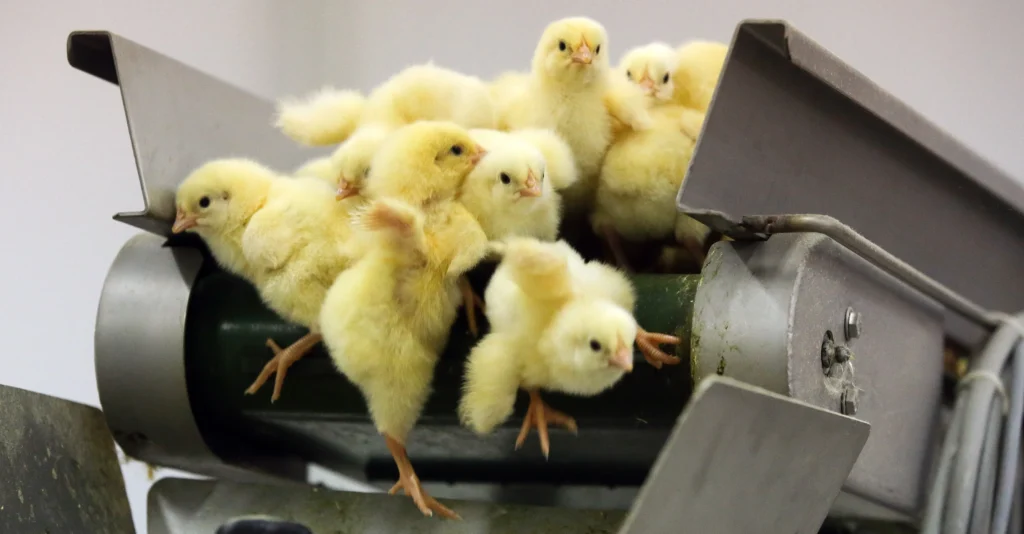
Switzerland’s reform did not emerge in a legal vacuum; rather, it represents a targeted strengthening of an already rigorous animal welfare framework. The key change lies in the explicit prohibition of the routine killing of day-old male chicks through maceration, a practice historically used in the egg industry because male chicks of laying breeds are economically unviable for meat production. The amendment closes a regulatory gap by making it unlawful to cull male chicks using mechanical shredding methods, thereby transforming what was previously an accepted agricultural practice into a prohibited act under Swiss animal protection law.
Statutory and Regulatory Amendments
The reform builds upon the Swiss Animal Protection Act (Tierschutzgesetz) and its implementing ordinances. While Swiss law already required that animals be treated with dignity and protected from unjustified suffering, the new legal clarification specifically restricts permissible methods of killing in the poultry sector. By expressly banning maceration, the law narrows the range of legally acceptable culling techniques and raises the compliance threshold for hatcheries.
In practice, this means that hatcheries may no longer rely on shredding as a disposal method for surplus male chicks. Instead, they must adopt alternative solutions that comply with Swiss welfare standards, such as:
- In-ovo sex determination technologies (identifying the sex of embryos before hatching),
- Rearing male chicks for meat production under designated programs, or
- Other approved humane methods consistent with veterinary oversight and welfare guidelines.
The change thus shifts the regulatory focus from managing how chicks are killed to reducing or eliminating the need to hatch unwanted male chicks in the first place.
Transformation of Industry Practice
Operationally, hatcheries and egg producers are now required to adjust production models. Investment in new technologies, particularly in-ovo sexing systems, has become essential to ensure compliance. This has financial implications, as producers must absorb or pass on the costs associated with technological upgrades and altered supply chains.
The reform also strengthens inspection and enforcement mechanisms. Veterinary authorities are empowered to monitor hatcheries more closely, ensuring that prohibited methods are not used and that alternative procedures meet welfare standards. Non-compliance may result in administrative penalties, fines, or suspension of operating licenses.
Normative and Policy Shift
Beyond the technical legal amendment, the reform signals a deeper normative transformation. Previously, economic efficiency justified the large-scale culling of male chicks as an industry norm. The new approach prioritizes animal dignity over production convenience, reflecting a broader ethical recalibration in Swiss agricultural policy.
The law thus moves from regulating the manner of culling to questioning the legitimacy of the practice itself. This represents a structural change in both law and agricultural governance, embedding higher welfare expectations into production systems and positioning Switzerland at the forefront of humane farming regulation.
Legal Foundations and Applicable Legal Instruments
The ban on male chick maceration in Switzerland is grounded in a multilayered legal framework that combines constitutional principles, statutory animal welfare legislation, regulatory ordinances, and international commitments. Together, these instruments provide the normative and institutional basis for reforming poultry industry practices.
Constitutional Foundations
At the apex of the legal hierarchy lies the Federal Constitution of the Swiss Confederation, which embeds environmental protection and animal welfare within the broader public interest mandate of the state. Swiss constitutional law recognizes the principle of animal dignity, a distinctive concept requiring that animals not be subjected to unjustified suffering, harm, or humiliation. This constitutional recognition empowers federal authorities to enact detailed legislation regulating animal treatment in agriculture, research, and commercial activities.
The male chick maceration ban can therefore be understood as a concrete legislative expression of constitutional animal dignity, translating abstract ethical commitments into enforceable regulatory standards.
Statutory Framework: Animal Protection Act
The primary statutory instrument is the Swiss Animal Protection Act (Tierschutzgesetz, TSchG). This Act establishes the core principles governing animal treatment, including:
- Prohibition of unjustified pain, suffering, or harm
- Requirements for humane housing and handling
- Regulation of slaughter and killing methods
- Federal authority to specify acceptable practices through ordinances
The maceration ban operates within this statutory structure by clarifying that mechanical shredding of live male chicks is inconsistent with lawful and humane treatment. The Act provides the legal authority for detailed implementing rules and sanctions in cases of non-compliance.
Implementing Ordinances and Technical Regulations
The Animal Protection Ordinance (Tierschutzverordnung, TSchV) and related technical guidelines specify permitted and prohibited methods of killing animals in agricultural settings. Amendments or interpretive clarifications at the ordinance level effectively operationalized the ban, defining acceptable alternatives and compliance requirements for hatcheries.
These subordinate regulations are crucial because they:
- Identify lawful slaughter or euthanasia techniques
- Establish veterinary supervision standards
- Provide inspection and enforcement mechanisms
- Impose administrative and financial penalties for violations
Thus, the practical effect of the reform is achieved primarily through regulatory detailing rather than constitutional amendment.
International and European Context
Although Switzerland is not a member of the European Union, it aligns closely with European animal welfare developments. The reform is consistent with evolving standards within Europe concerning chick culling and humane farming practices. Internationally, Switzerland’s measures also reflect commitments under:
- The World Organisation for Animal Health (WOAH) animal welfare standards
- Trade-related obligations under the WTO framework, where animal welfare may be justified under public morals or health exceptions
By situating the ban within recognized welfare principles, Switzerland strengthens its legal defensibility in potential trade disputes.
Enforcement and Compliance Mechanisms
The legal instruments provide enforcement authority to cantonal veterinary offices, which conduct inspections and supervise compliance. Administrative sanctions, fines, and potential revocation of operating licenses ensure that the prohibition is not merely symbolic but legally binding.
Comparative Snapshot: How Switzerland Fits into Global Law Reform
Switzerland’s ban on male chick maceration places it within a growing group of jurisdictions that are redefining animal welfare standards in agricultural production. While not the first country to address the practice, Switzerland’s reform reflects a broader global shift from regulating the method of culling toward questioning the acceptability of routine mass killing in industrial farming. Its approach illustrates how domestic legal systems are increasingly integrating ethical considerations into enforceable agricultural policy.
Europe: Regulatory Momentum
Within Europe, several states have already taken legislative action against chick culling. Countries such as Germany and France moved earlier to prohibit the systematic killing of male chicks, often mandating the adoption of in-ovo sex determination technologies. These reforms are frequently grounded in constitutional animal protection principles or strengthened statutory welfare laws.
Switzerland aligns closely with this European trend despite not being an EU member. Its reform reinforces a regional normative pattern in which animal welfare standards are progressively harmonized, even across non-EU jurisdictions. This positioning enhances Switzerland’s regulatory compatibility with European markets while signaling high ethical compliance standards in agricultural exports.
Beyond Europe: Gradual and Uneven Reform
Outside Europe, reforms remain uneven. In many jurisdictions, male chick culling continues to be lawful under animal husbandry regulations, provided it complies with general humane slaughter standards. Some countries rely primarily on industry-led voluntary commitments rather than binding legislation.
Switzerland’s legally binding prohibition therefore contrasts with more permissive or market-driven approaches elsewhere. It represents a model of state-led intervention that prioritizes welfare norms over production efficiency. This may place competitive pressure on producers in countries with lower standards, particularly where consumer demand increasingly favors ethically certified products.
Trade Law and Public Morals
From an international trade perspective, Switzerland’s reform fits within a broader movement of states invoking animal welfare as a legitimate public policy objective. Under WTO law, measures aimed at protecting public morals or animal health can be justified if they are non-discriminatory and proportionate.
By embedding the ban within a coherent animal welfare framework, Switzerland strengthens its legal defensibility against potential trade challenges. At the same time, the reform contributes to the gradual crystallization of animal welfare as a recognized regulatory value in global commerce.
Normative Leadership and Soft Law Influence
Beyond binding legislation, Switzerland’s reform may influence soft law development and industry standards. International organizations, certification schemes, and multinational retailers often adapt to higher welfare benchmarks established by leading jurisdictions. In this sense, Switzerland acts as a norm entrepreneur, helping to shape expectations about humane farming practices beyond its borders.
Key Legal Issues and Regulatory Risks for Industry Players
Switzerland’s ban on male chick maceration creates a range of legal, operational, and commercial risks for hatcheries, egg producers, importers, and retailers. While the reform advances animal welfare objectives, it also reshapes compliance obligations and exposes industry actors to heightened regulatory scrutiny.
Compliance and Licensing Risks
The most immediate legal issue concerns regulatory compliance. Hatcheries must ensure that prohibited culling methods are fully eliminated from operations. Failure to comply may result in:
- Administrative fines
- Suspension or revocation of operating licenses
- Mandatory corrective orders
- Reputational damage linked to enforcement actions
Because enforcement authority is vested in cantonal veterinary offices, inspections may intensify during the transition period. Industry players face increased documentation and reporting requirements to demonstrate that alternative methods, such as in-ovo sexing or approved humane practices, meet legal standards.
Technology and Investment Liability
The shift toward technological alternatives introduces new regulatory and contractual risks. Companies investing in in-ovo sex determination systems must ensure that:
- The technology meets approved animal welfare criteria
- Equipment is certified under applicable veterinary standards
- Supply contracts reflect updated compliance obligations
If technologies fail to perform reliably or do not meet regulatory expectations, producers may face liability for non-compliance despite significant capital investment. This creates both financial and operational exposure.
Supply Chain and Trade Implications
The reform may affect cross-border supply chains. Importers of eggs or poultry products into Switzerland must ensure that production methods comply with Swiss standards if labeling, certification, or equivalence requirements apply. There is also a potential risk of:
- Trade disputes if foreign producers view the measure as indirectly restrictive
- Increased due diligence obligations for multinational retailers
- Pressure to segregate supply chains based on welfare compliance
Companies exporting from Switzerland must also ensure that higher production costs remain competitive in markets where similar bans are not yet in place.
Competition and Cost Pressures
The ban may increase production costs due to technological investment, slower production cycles, or alternative rearing programs for male chicks. Smaller hatcheries may face disproportionate financial strain, raising potential competition law considerations if market consolidation occurs. Producers must balance compliance with maintaining price competitiveness, particularly in global markets where welfare standards differ significantly.
Litigation and Public Interest Challenges
Industry actors may face strategic litigation or advocacy pressure if compliance appears incomplete or inconsistent. Animal welfare organizations could challenge regulatory approvals, enforcement decisions, or alleged loopholes. Conversely, businesses might challenge implementing regulations if they believe measures exceed statutory authority or impose disproportionate burdens.
In addition, reputational risk is closely intertwined with legal risk. Public scrutiny in welfare-sensitive sectors can amplify even minor regulatory breaches into significant commercial setbacks.
Future Regulatory Escalation
Finally, the reform may not be the endpoint. The ban could serve as a precedent for broader reforms addressing other intensive farming practices. Industry players must anticipate evolving standards and adopt forward-looking compliance strategies rather than minimum-threshold adjustments.
In-Ovo Sexing, Embryonic Development and Law
Switzerland’s ban shifts the regulatory focus upstream, toward embryonic development and technological intervention before hatching. The central legal and ethical question is no longer simply how chicks are killed, but when life attains sufficient biological and moral status to trigger full animal protection safeguards. This creates a complex intersection between veterinary science, ethics, and statutory interpretation.
In-Ovo Sexing Technology and Legal Compliance
In-ovo sexing technologies determine the sex of a chick embryo during incubation, allowing hatcheries to prevent male chicks from hatching in the first place. These systems typically operate within the first days of embryonic development by analyzing hormonal markers, DNA samples, or optical characteristics.
From a legal perspective, the permissibility of in-ovo sexing depends on whether the embryo is considered capable of experiencing pain or suffering at the time of intervention. Swiss animal welfare law is grounded in the principle of protecting animals from unjustified suffering, which requires scientific assessment of embryonic sensory development.
If termination occurs before the embryo reaches a neurologically developed stage capable of pain perception, regulators may consider it compliant with animal protection standards. Thus, the law establishes a technical threshold linked to biological development rather than mere economic convenience.
Embryonic Development and the Concept of Animal Dignity
Switzerland’s recognition of animal dignity introduces an additional ethical dimension. The concept extends beyond preventing physical pain and includes protecting animals from disproportionate instrumentalization. This raises nuanced questions:
- Does terminating an embryo prior to sentience violate animal dignity?
- Is prevention of suffering sufficient to justify selective incubation practices?
- How should proportionality be assessed between agricultural necessity and moral consideration?
Legal analysis often turns on the stage of neural development. Scientific consensus generally holds that chick embryos develop pain perception capacity only after a certain incubation period. By requiring intervention before this developmental threshold, the law attempts to align agricultural practice with both scientific evidence and ethical responsibility.
Regulatory Precision and Scientific Uncertainty
A critical regulatory challenge lies in defining precise cut-off points. Legislators must rely on evolving scientific data regarding embryonic neurobiology. If future research adjusts the understanding of when pain perception begins, regulatory standards may require revision. This creates potential compliance risk for industry players:
- Technological systems must reliably operate within legally permitted developmental windows.
- Documentation and traceability mechanisms must verify timing and procedural safeguards.
- Veterinary oversight must confirm adherence to scientific benchmarks.
The law therefore integrates dynamic scientific assessment into its compliance framework, rather than relying on static rules.
Ethical Trade-Offs and Broader Policy Implications
In-ovo sexing reflects an ethical compromise rather than a complete elimination of life termination. Critics argue that selective embryonic termination remains morally problematic, while proponents emphasize that it prevents large-scale suffering associated with post-hatch culling.
Legally, the approach represents a proportionality-based model: minimizing harm while acknowledging agricultural realities. It signals a regulatory shift from managing visible cruelty to embedding welfare considerations at the earliest stages of production.
Trade and WTO Considerations
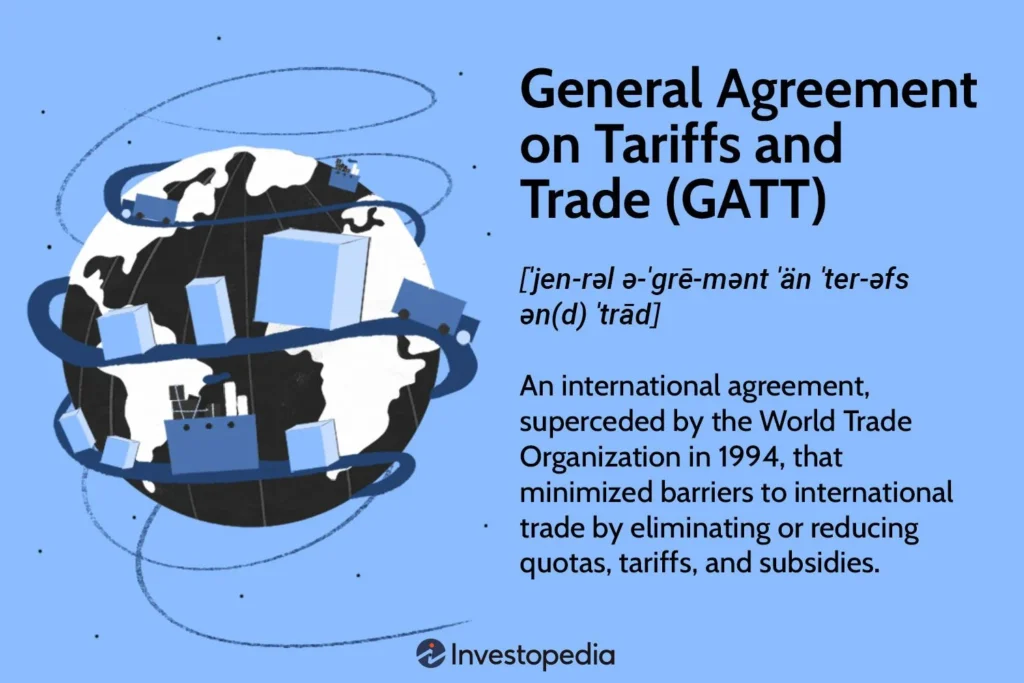
The ban carries important implications under international trade law, particularly within the framework of the World Trade Organization (WTO). Although the measure is primarily domestic and welfare-driven, it intersects with obligations under the General Agreement on Tariffs and Trade (GATT 1994) and the broader multilateral trading system. The central legal issue is whether higher animal welfare standards may indirectly restrict trade and, if so, whether such restrictions can be legally justified.
Non-Discrimination and Market Access
Under WTO law, Switzerland must comply with the principles of Most-Favoured-Nation (MFN) treatment and National Treatment, meaning imported products must not be treated less favorably than domestic “like products.” If Switzerland were to impose import restrictions on eggs or poultry products derived from male chick culling practices abroad, questions could arise regarding:
- Whether production methods (process and production methods, or PPMs) justify differential treatment;
- Whether foreign products are considered “like” Swiss-compliant products;
- Whether regulatory distinctions amount to disguised protectionism.
A purely domestic ban affecting only Swiss producers generally does not violate WTO rules. However, trade tensions may arise if welfare-based standards are extended to imports or incorporated into labeling, certification, or procurement requirements.
Article XX Exceptions: Public Morals and Animal Protection
Even if a measure restricts trade, it may be justified under Article XX of GATT, particularly:
- Article XX(a) – measures necessary to protect public morals;
- Article XX(b) – measures necessary to protect animal life or health.
WTO jurisprudence has recognized animal welfare as capable of falling within the scope of “public morals.” Therefore, Switzerland could defend stricter welfare measures if they are:
- Necessary to achieve a legitimate objective;
- Applied in a non-discriminatory manner;
- Not a disguised restriction on international trade.
The design and implementation of the ban are therefore critical. Transparent scientific justification, equal application to domestic and imported products, and proportional regulatory measures strengthen legal defensibility.
Technical Barriers to Trade (TBT) Considerations
If Switzerland adopts labeling requirements or certification schemes linked to chick-culling practices, these measures may fall under the Agreement on Technical Barriers to Trade (TBT Agreement). Under TBT rules, technical regulations must:
- Not create unnecessary obstacles to trade;
- Be based on legitimate objectives;
- Be proportionate and science-informed where relevant.
Industry actors exporting to Switzerland may challenge compliance burdens if standards are unclear, overly restrictive, or inconsistent with international norms.
Competitive and Strategic Trade Effects
Beyond formal WTO disputes, the reform may generate indirect trade consequences:
- Increased production costs for Swiss producers could affect export competitiveness;
- Foreign producers may face pressure to upgrade welfare practices to access premium markets;
- Multinational retailers may harmonize supply chains around higher welfare benchmarks.
In this sense, the ban may function as a form of regulatory influence rather than a trade restriction, encouraging normative convergence without formal trade barriers.
Broader Systemic Implications
Switzerland’s reform contributes to an ongoing debate within the WTO about the role of non-trade values, such as animal welfare, sustainability, and ethical production, in global commerce. As more states adopt welfare-based regulations, the trading system must reconcile market liberalization with evolving societal expectations.
Impact on Global Animal-Welfare Law and Doctrine
Switzerland’s ban on male chick maceration contributes meaningfully to the evolution of global animal-welfare law, reinforcing the trend toward recognizing animal protection as a legitimate and enforceable public policy objective rather than a purely ethical aspiration. Although the reform operates within domestic law, its normative and doctrinal implications extend beyond national borders.
Strengthening the Concept of Animal Dignity
One of the most significant doctrinal contributions lies in the operationalization of animal dignity. Switzerland has long recognized this concept in its legal framework, but the ban translates it into concrete regulatory consequences. By prohibiting a routine industrial practice based on ethical considerations, the reform strengthens the argument that animals possess intrinsic value deserving legal protection independent of economic utility.
This may influence comparative constitutional interpretation in jurisdictions where courts increasingly reference animal welfare principles in balancing economic and moral interests. It contributes to a gradual doctrinal shift from a purely anti-cruelty model toward a dignity-based or rights-informed framework.
Moving from Method Regulation to Practice Prohibition
Traditionally, animal-welfare law has focused on regulating how animals are treated—ensuring humane slaughter techniques, minimizing suffering, and imposing procedural safeguards. Switzerland’s approach reflects a deeper transformation: questioning the legitimacy of the underlying industrial practice itself.
By prohibiting maceration outright and promoting upstream technological alternatives, the law redefines the regulatory paradigm. This model may serve as a reference point for other jurisdictions considering reforms in areas such as intensive farming, live animal transport, or mass culling practices.
Influence Through Soft Law and Market Standards
Even in the absence of binding international treaties specifically banning chick culling, domestic reforms can shape global norms through soft law mechanisms. International organizations, certification bodies, and multinational retailers often adopt higher standards pioneered by leading jurisdictions. Switzerland’s reform may therefore:
- Encourage harmonization of welfare standards in trade agreements;
- Inform international guidelines on humane agricultural practices;
- Strengthen the legitimacy of welfare-based trade measures under global commerce rules.
This indirect influence can accelerate normative convergence, particularly in premium consumer markets where ethical production increasingly drives demand.
Expanding the Scope of Public Morals in International Law
The reform also reinforces the doctrinal recognition of animal welfare as part of “public morals” within international trade jurisprudence. As more states enact welfare-driven regulations, the legal system increasingly acknowledges that ethical treatment of animals constitutes a legitimate state interest capable of justifying regulatory intervention.
Over time, repeated legislative actions across jurisdictions may contribute to the crystallization of customary norms or at least a widely accepted regulatory practice supporting higher welfare thresholds.
Precedent for Technological Integration in Welfare Law
Finally, the integration of in-ovo sexing technology into regulatory compliance illustrates how innovation can reshape legal doctrine. Law is no longer confined to prohibiting harm; it now incentivizes technological solutions that prevent harm at earlier stages. This anticipatory regulatory approach may influence broader debates in environmental and bioethical governance.
Economic and Market Consequences
This ban carries significant economic and market implications, affecting producers, consumers, and international trade. While the reform is primarily ethical and regulatory, its practical impact extends across production costs, supply chain structures, pricing, and global market positioning.
Increased Production Costs
The prohibition of maceration necessitates the adoption of alternative methods such as in-ovo sexing or rearing male chicks for meat production. These technological and operational adjustments introduce substantial costs:
- Investment in in-ovo sexing equipment and training
- Operational adjustments to manage male chick rearing or alternative disposal methods
- Ongoing monitoring and documentation to ensure compliance
Smaller hatcheries may face disproportionate financial strain, potentially leading to consolidation in the sector or reduced market entry for new producers.
Impact on Supply Chains
The ban alters traditional egg production and hatchery practices, requiring supply chain reconfiguration:
- Producers must synchronize in-ovo sexing technology with incubation schedules
- Transport and logistics may need adjustment for alternative rearing programs
- Compliance requirements may affect upstream and downstream partners, including feed suppliers and distributors
Exporters must ensure that products meet Swiss welfare standards, which could increase administrative and certification burdens.
Pricing and Market Dynamics
Higher production costs are likely to be passed on to consumers, resulting in premium-priced eggs and poultry products that reflect compliance with enhanced welfare standards. This could influence consumer behavior:
- Demand for ethically certified products may rise, creating market differentiation
- Price-sensitive consumers may seek alternatives, potentially limiting market access for some producers
- Retailers and food-service providers may adjust procurement strategies to source compliant products
Competitive Positioning and Trade Considerations
Switzerland’s reform may enhance the country’s global reputation as a leader in ethical agriculture, strengthening market positioning for export products that meet high welfare standards. Conversely, producers may face competitive pressures in markets where such standards are not enforced, potentially affecting price competitiveness.
At the international level, the ban could encourage foreign producers to adopt similar practices to maintain access to Swiss and European markets, gradually raising the global welfare baseline.
Innovation and Long-Term Economic Benefits
While the initial economic impact includes higher costs, the reform may incentivize innovation in agri-tech solutions, such as more efficient in-ovo sexing systems, automation, and sustainable rearing techniques. Over time, these innovations could reduce operational costs, enhance productivity, and position Switzerland at the forefront of sustainable and ethically responsible agriculture, potentially opening new market opportunities and improving global competitiveness.
Conclusion
Switzerland’s ban on male chick maceration represents a landmark intersection of law, ethics, and commerce, signaling a transformative shift in animal welfare regulation. By explicitly prohibiting routine culling and promoting upstream alternatives such as in-ovo sexing, the reform moves beyond procedural safeguards to challenge the legitimacy of longstanding industrial practices. This approach embeds ethical principles into enforceable law, reinforcing the concept of animal dignity as a core legal standard.
The reform carries significant domestic and international implications. For the poultry industry, it introduces new compliance obligations, operational adjustments, and economic costs, while also creating opportunities for innovation, market differentiation, and enhanced competitiveness in ethically conscious markets. At the international level, Switzerland’s measures contribute to the evolution of animal-welfare law, influence global norms, and provide a model for integrating moral considerations into regulatory frameworks.
Ultimately, Switzerland’s action demonstrates how domestic legal reform can reverberate across markets, trade, and international doctrine. By balancing ethical imperatives, technological feasibility, and legal enforceability, the ban sets a precedent for harmonizing humane agricultural practices with modern production realities. In 2026, it exemplifies a broader global trend toward responsible, welfare-oriented governance that aligns legal standards with societal expectations, scientific knowledge, and cross-border trade considerations.
Frequently Asked Questions
What is male chick maceration and why was it banned in Switzerland?
Male chick maceration is the routine killing of day-old male chicks in the egg industry because they are not suitable for meat production. Switzerland banned this practice in 2026 to strengthen animal welfare standards, align agriculture with ethical principles, and uphold the legal concept of animal dignity.
Which law forms the legal basis for the ban?
The ban is grounded in the Swiss Animal Protection Act (Tierschutzgesetz), supported by implementing regulations under the Animal Protection Ordinance (Tierschutzverordnung). These laws establish humane treatment standards and explicitly prohibit the mechanical culling of male chicks.
What alternatives exist for hatcheries under the new law?
Hatcheries must adopt legally compliant alternatives that include in-ovo sexing (identifying chick sex before hatching), raising male chicks for meat production in specialized programs, and other humane methods approved by veterinary authorities.
How does the ban affect producers and the poultry industry?
The reform increases operational and compliance costs, requiring investment in new technology and adjustments to production processes. Smaller hatcheries may face financial challenges, while larger operators may benefit from innovation-driven efficiency and ethical market positioning.
Does the ban impact international trade?
Yes. Products exported to Switzerland must meet welfare standards, and the reform could influence global supply chains and labeling requirements. The measure is generally compatible with WTO law under Article XX exceptions for public morals and animal protection, provided it is applied non-discriminatorily.
What are the ethical and legal considerations of in-ovo sexing?
In-ovo sexing intervenes at an early embryonic stage, before chicks can experience pain, aligning with Swiss animal welfare law. The ethical and legal threshold is based on protecting embryos before they reach sentience while minimizing industrial animal suffering.
How does Switzerland’s reform influence global animal welfare law?
Switzerland sets a precedent by operationalizing the concept of animal dignity, influencing European and global norms. The ban encourages other countries to adopt higher welfare standards and integrates ethical considerations into trade and agricultural regulations.
Are there penalties for non-compliance?
Yes. Cantonal veterinary authorities can impose fines, corrective orders, or revoke operating licenses for hatcheries that fail to comply with the ban. Strict monitoring ensures both legal enforcement and ethical adherence.
What are the long-term market consequences?
While short-term costs may rise, the reform fosters innovation, creates premium markets for ethically produced eggs, and enhances Switzerland’s global reputation as a leader in humane agriculture. It may also drive international convergence toward higher welfare standards.
Is this reform likely to influence other animal welfare laws in the future?
Yes. The ban reflects a broader shift from regulating methods to questioning practices themselves. It may inspire reforms in intensive farming, live transport, and other areas where ethical and technological solutions can reduce animal suffering.