
The escalating war involving Iran, Israel, and the United States has triggered a major shock to global energy markets after disruptions and threats to the Strait of Hormuz, the world’s most critical oil transit route. Energy analysts warn that the conflict has already pushed crude prices sharply higher and could trigger a global economic crisis if the maritime chokepoint remains blocked or unstable.
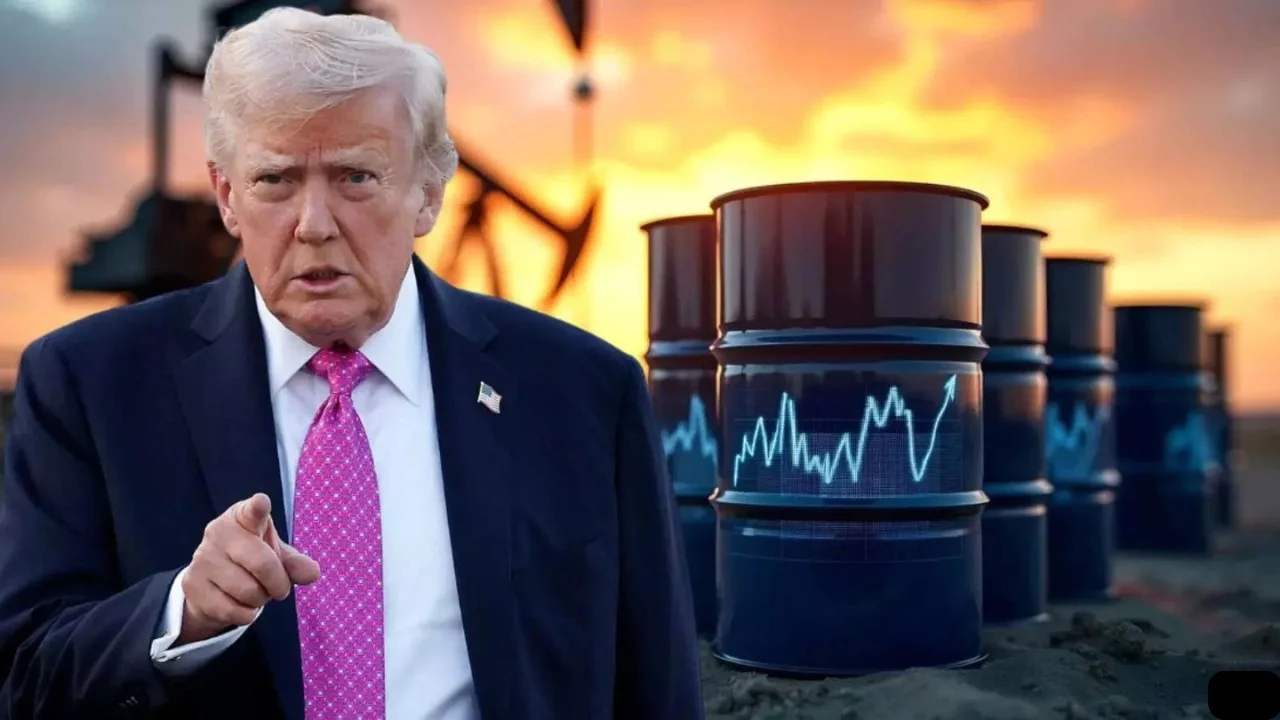
Now, in the latest aftermath, global oil and gas markets stabilized sharply after U.S. President Donald Trump suggested that the ongoing war involving the United States, Israel, and Iran was nearing its end, calling the conflict
“very complete, pretty much.”
The remarks triggered a rapid reversal in energy markets that had surged only days earlier amid fears of supply disruptions through the Strait of Hormuz.
Oil Prices Spike Amid Supply Disruption
Global oil markets reacted immediately to the conflict and shipping disruptions in the Gulf. Crude oil prices surged to near $120 per barrel, the highest level since 2022, before fluctuating as markets reacted to developments in the war.
Experts warn that the crisis could push prices even higher. Some analysts estimate oil could exceed $125 or even $145 per barrel if supply disruptions continue, raising fears of a global recession and stagflation.
The surge reflects market fears that a prolonged conflict could severely restrict the flow of oil from the Gulf, which remains the backbone of the global energy system.
Oil Prices Reverse After War Fears Ease
Energy prices fell sharply following Trump’s comments signaling that U.S. military objectives had largely been achieved and that the conflict might soon wind down. Brent crude, which had surged to nearly $119–$120 per barrel, dropped dramatically to around $90 per barrel within hours as markets reacted to the possibility of stabilization in the Middle East.
The price collapse followed a period of extreme volatility. Oil had spiked after Iranian retaliation and threats to restrict shipping through the Strait of Hormuz raised fears that roughly 20% of the world’s oil supply could be disrupted.
Financial markets responded immediately, with global stock indexes rebounding as investors interpreted Trump’s statement as a signal that the energy crisis might be temporary.
Strait of Hormuz: The World’s Most Critical Oil Chokepoint
The Strait of Hormuz, located between Iran and Oman, handles approximately 20 million barrels of oil per day, representing about 20–30% of global oil and gas shipments.
This narrow maritime corridor serves as the primary export route for major oil producers including:
Any disruption to this route can instantly reduce global oil supply, causing severe volatility in energy markets. Following the outbreak of hostilities, maritime traffic through the Strait of Hormuz dropped dramatically as tanker operators halted operations due to security risks. Some reports indicate that shipping activity fell by nearly 70%, with hundreds of vessels waiting outside the Gulf.
Several attacks on vessels and warnings issued by Iran’s Revolutionary Guard forced shipping companies and insurers to suspend transit through the area. The disruption also caused war-risk insurance premiums to surge, further raising the cost of transporting oil.
Global Economic Ripple Effects
The oil price surge is already spreading through global markets and industries.
Airline and Transport Costs Rising
Airlines have begun raising ticket prices due to soaring jet fuel costs linked to the war.
Shipping and Logistics Disruption
Major shipping companies have imposed emergency fuel surcharges to offset rising bunker fuel prices.
Inflation and Economic Slowdown
Economists warn that the energy shock could slow global growth while increasing inflation, creating stagflation similar to the 1970s oil crisis. Countries heavily dependent on Gulf energy, particularly China, India, Pakistan, Japan, and South Korea, are expected to experience the greatest economic pressure.
Markets React to End-of-War Signals
Analysts say the dramatic price drop reflects how sensitive global energy markets remain to geopolitical developments in the Middle East. During the early phase of the conflict, tanker traffic through the Strait of Hormuz collapsed and oil shipments were temporarily halted, causing energy prices to spike to their highest levels in four years.
However, after Trump suggested that the war was nearing completion and shipping routes could reopen, traders began pricing in the possibility that supply disruptions would be short-lived. This triggered a broad sell-off in oil futures and a rebound in global equities.
Despite the immediate drop in prices, analysts caution that the global energy market remains fragile. Iran has warned that it could still block regional oil exports if attacks continue, raising concerns that the Strait of Hormuz crisis may not yet be fully resolved.
Energy companies and shipping firms are also monitoring whether tanker traffic can safely resume. Even short-term disruptions in the Gulf can have outsized effects because the region remains the world’s most important oil export hub.
Governments Prepare Emergency Measures
Meanwhile, major economies and international organizations are preparing contingency plans in case the conflict escalates again. Discussions among major economies have included potential releases from strategic petroleum reserves to stabilize markets if shipping disruptions persist.
The International Energy Agency and several G7 countries are reportedly monitoring the situation closely to prevent a prolonged energy shock that could drive global inflation. The energy shock has already affected transportation, shipping, and manufacturing costs worldwide.
Airlines and freight companies have warned that fuel volatility could lead to higher ticket prices and logistics costs if the conflict drags on. For many economies, especially those heavily dependent on Middle Eastern energy imports, stability in the Strait of Hormuz remains the key factor determining whether the recent price drop will hold.
Future of Global Oil Prices
While Trump’s declaration that the war is “very complete” helped calm markets, analysts say oil prices will continue to fluctuate depending on developments in the region.
The future of global oil prices will depend heavily on whether the conflict escalates or de-escalates in the coming weeks. If shipping through the Strait of Hormuz resumes safely, markets may stabilize. But if the blockade or attacks continue, analysts warn the world could face the most severe energy crisis since the early 2000s.