
Los Angeles — In a landmark legal battle emerging as one of the most significant tech liability cases of 2026, major AI-driven social media platforms are under intense judicial scrutiny for allegedly designing features that deliberately addict young users and harm their mental health. The litigation pits plaintiffs, including a young California woman and thousands of similar claimants, against some of the world’s largest technology companies, including Meta (Instagram), Google’s YouTube, TikTok, and Snap Inc.

TikTok and Snap Settle Before Trial Begins
Just days before jury selection in the California Superior Court (Los Angeles), TikTok agreed to settle a high-profile lawsuit alleging its platform and addictive features fueled youth depression and suicidal ideation. Snap Inc., owner of Snapchat, likewise reached a confidential settlement last week, both developments underscoring early legal pressure on social platforms to mitigate litigation risk.
The settlements involve claims by a 19-year-old plaintiff known only as K.G.M., who asserts that years of use of TikTok, Instagram, YouTube, and Snapchat contributed to her addiction and ensuing mental health struggles. While monetary terms remain undisclosed, the agreements signal potential liability for major platforms and may influence how similar cases are resolved going forward.
Meta and YouTube to Stand Trial
Unlike TikTok and Snap, Meta Platforms and YouTube are pressing ahead to trial. Jury selection began this week, and Meta CEO Mark Zuckerberg is expected to testify about Instagram’s design choices.
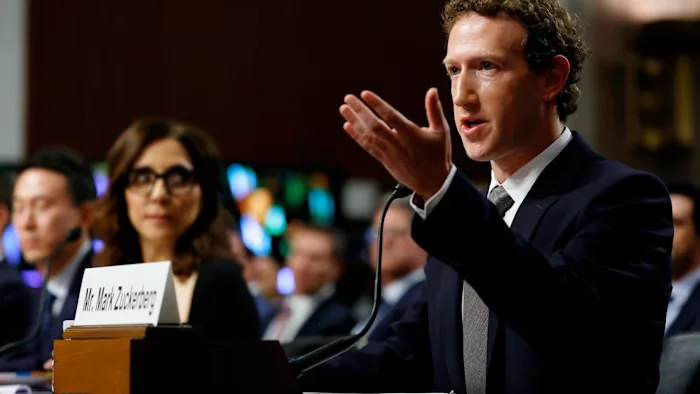
YouTube executives are also preparing to defend their platform’s features, which plaintiffs allege use AI-driven recommendations, infinite scrolling, and personalized feeds to maximize engagement, including among children and teens. Plaintiff attorneys characterize the case as:
“a bellwether for thousands of similar lawsuits pending across the U.S. courts.”
Many of these are consolidated under a wider multidistrict litigation alleging widespread mental-health harms linked to addictive design. Legal commentators anticipate the trial could reshape accountability frameworks for AI-powered engagement algorithms that prioritize retention over user well-being.
Legal Issues at the Heart of the Case
Addictive Design and Product Liability: Plaintiffs argue the platforms incorporated elements, such as algorithmic recommender systems, variable reward mechanics (similar to gambling), and ever-scrolling feeds that systematically exploit adolescent psychology. Rather than isolated user behavior, this:
“addictive by design claims the harm as foreseeable and linked directly to product architecture.”
Negligence and Duty of Care: The cases hinge in part on whether platforms owed a duty to protect young users from foreseeable psychological harm, and whether they breached it by failing to implement reasonable safeguards or warnings. Liability theories draw analogies to historic litigation against tobacco companies and other products accused of exploiting vulnerable populations.
Section 230 and Legal Defenses: Social media companies traditionally have invoked Section 230 of the Communications Decency Act to shield themselves from liability for user-generated content. However, these addiction claims focus on platform design and algorithmic incentives, areas not fully insulated by Section 230, as federal courts have increasingly recognized in related litigation.
Comparative Table: Platform Addiction Litigation by Jurisdiction
| Jurisdiction | Litigation Status | Core Legal Theories Used | Regulatory Overlay | Typical Remedies & Outcomes | Key Strategic Notes |
|---|---|---|---|---|---|
| United States | Most active and advanced; mass torts and class actions | Negligence and duty of care; design defect / failure to warn analogues; unfair and deceptive practices; youth protection laws | FTC, state AGs, emerging federal scrutiny; Section 230 limits where claims target design | Large settlements; damages; injunctive relief forcing product redesign; disclosure of internal research | Discovery is decisive; internal documents on engagement metrics and youth harm drive liability |
| European Union | Growing civil litigation plus dominant regulatory enforcement | Consumer protection law; GDPR violations; systemic risk to fundamental rights | Digital Services Act (DSA); GDPR; upcoming AI Act | Administrative fines up to 6% of global turnover; corrective orders; audits; limited civil damages | Regulatory enforcement often faster and more impactful than courts |
| United Kingdom | Moderate but expanding litigation | Negligence; consumer protection; data protection | Ofcom Online Safety regime; ICO | Injunctions; damages; regulatory compliance orders | Media scrutiny and regulator coordination increase pressure on platforms |
| Australia | Active public-interest litigation | Negligence; consumer law; misleading conduct | ACCC; parliamentary inquiries | Settlements; enforceable undertakings; policy reforms | Political and public opinion strongly influence outcomes |
| Canada | Active provincial class actions | Negligence; misrepresentation; consumer protection; privacy violations | Provincial privacy commissioners | Settlements; damages; injunctive relief | Multiple provincial forums increase exposure |
| India | Emerging litigation and PILs | Negligence; child protection; public interest constitutional claims | IT Rules; child safety regulations | Court guidelines; injunctions; policy directives | Courts receptive to youth safety framing; damages still rare |
| Latin America | Early-stage but expanding | Consumer protection; public health harm | National consumer agencies | Injunctions; fines; negotiated compliance | Enforcement uneven but accelerating |
| South-East Asia | Limited but rising | Consumer protection; regulatory complaints | Digital safety and youth protection laws | Platform restrictions; policy reforms | Litigation often paired with government pressure |
Broader Legal and Policy Context
The youth addiction lawsuits reflect a wider regulatory trend toward scrutinizing AI-driven platforms whose systems shape behavior at scale. In addition to private litigation, several states have pursued legislative reforms, including California’s now-contested
“Protecting Our Kids from Social Media Addiction Act.”
This sought to restrict certain addictive features for minors (though partly struck down on appeal), highlighting policymakers’ growing concern about youth exposure to algorithmic harms.
Parallel to this litigation, state and federal actions have targeted platform safety practices more broadly, including alleged failures to block sexually exploitative AI interactions with minors and demands for stronger age verification and risk mitigation mechanisms.
What the Trial Could Mean
Legal analysts say this litigation could set precedent on several fronts:
- Algorithm accountability: Establishing that algorithmic recommendation systems can be legally scrutinized for harm if they foreseeably contribute to addiction or mental health crises.
- Product design obligations: Strengthening the view that design choices, including the use of AI to personalize engagement, carry legal duties toward vulnerable populations.
- Platform responsibilities: Clarifying limits of existing liability shields like Section 230 when harm is tied to intentional product mechanics rather than third-party content alone.
- Policy momentum: Providing case law fodder for legislators seeking to regulate addictive design features and AI behavior more directly.
Next Steps in Court
The trial is expected to last several weeks, with jurors weighing complex evidence, expert testimony, and internal corporate documents that plaintiffs say show platform designers understood the psychological impacts on young users.
Meta and YouTube’s defense teams argue that mental health is influenced by varied social and offline factors, and that the platforms have invested in safety features and young user protections.
A verdict here could influence not only related pending lawsuits but also international debates on AI governance, youth digital safety regulation, and the intersection of technology design and public health.