
State accountability for the use of force remains one of the most contested and evolving areas of modern law and governance. In 2026, questions surrounding when governments may legitimately employ violence, through police action, military operations, or public order enforcement, have intensified across democracies and authoritarian systems alike. Incidents involving police shootings, crowd control measures, counter-terrorism operations, and wartime civilian casualties have renewed global focus on the legal frameworks governing state violence and the mechanisms designed to prevent abuse.
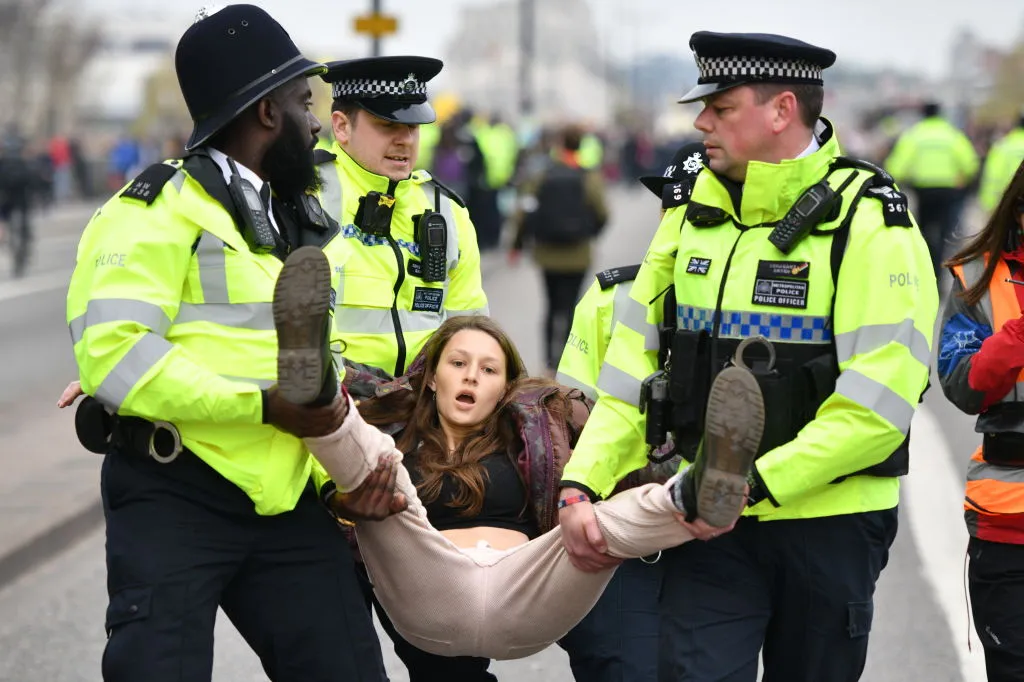
The central challenge today lies not in the absence of legal standards, but in ensuring effective enforcement and accountability when those standards are breached. This comprehensive legal analysis examines the legal limits on governmental use of force, oversight and accountability mechanisms, civil remedies for violations, and the role of international law in shaping state responsibility.
Legal Standards Governing State Use of Force
The legality of state force is governed by a layered framework combining constitutional law, statutory provisions, administrative regulations, and international human rights norms. At its core lies the principle that state violence must be lawful, necessary, proportionate, and accountable.
In the United States and many comparable jurisdictions, the constitutional standard for police use of force derives from Fourth Amendment jurisprudence. Courts assess whether force was “objectively reasonable” under the circumstances. This requires evaluating the severity of the alleged crime, the immediacy of the threat posed, and whether the individual resisted or attempted to evade arrest. Deadly force is permissible only where there is probable cause to believe that a suspect poses a serious threat of death or grievous injury.
International human rights law imposes even stricter standards. The UN Basic Principles on the Use of Force and Firearms require that force be used only as a last resort, and lethal force only when strictly unavoidable to protect life. These principles emphasize necessity, proportionality, and precaution. The intentional use of lethal force is lawful only when absolutely required to protect human life, not merely to enforce compliance or maintain order.
Military use of force operates within the framework of international humanitarian law. The Geneva Conventions and customary international law impose obligations of distinction, proportionality, and precaution. Armed forces must distinguish between combatants and civilians, avoid excessive civilian harm relative to military advantage, and take feasible precautions to minimize casualties. Violations may constitute war crimes.
Use of force during protests presents unique legal challenges. Under international human rights law, peaceful assembly is protected. Force against protesters must be exceptional, targeted, and proportionate. Indiscriminate use of tear gas, rubber bullets, or mass arrests against peaceful demonstrators may constitute unlawful repression and trigger state responsibility.
Even outside armed conflict, targeted killings, drone strikes, and extraterritorial counter-terrorism operations remain subject to international human rights law. The legal debate in 2026 increasingly focuses on whether states can invoke self-defence to justify force against non-state actors across borders without host-state consent.
Foundations of the Legal Framework
The legal regulation of state force derives from two primary sources: domestic constitutional law and international legal obligations.
At the international level, the right to life forms the core normative foundation. Article 6 of the International Covenant on Civil and Political Rights (ICCPR) obliges states to protect life and restricts arbitrary deprivation of life. The UN Human Rights Committee has clarified that states must adopt preventive measures, regulate law-enforcement conduct, and investigate unlawful killings.
The UN Basic Principles on the Use of Force and Firearms by Law Enforcement Officials provide detailed operational guidance. These principles require that force be:
- Lawful (authorized by law)
- Necessary (used only when required)
- Proportionate (commensurate with threat)
- Accountable (subject to review and remedy)
At the interstate level, the UN Charter governs military force. Article 2(4) prohibits the threat or use of force against the territorial integrity or political independence of any state. Exceptions exist only for self-defence under Article 51 or actions authorized by the UN Security Council.
Standards Governing Domestic Law-Enforcement Force
Domestic use of force by police and security agencies is subject to both constitutional and human rights law constraints. Across jurisdictions, several shared principles have emerged.
Necessity and proportionality require that force be used only where non-violent means are ineffective and that lethal force be a last resort.
Immediacy of threat requires a real and present danger to life or serious injury before deadly force is justified.
Precaution and de-escalation require authorities to minimize harm and pursue non-violent alternatives where feasible.
Non-discrimination mandates that force not be applied in a discriminatory or arbitrary manner.
In protest settings, international standards emphasize facilitation rather than suppression. Peaceful assemblies must not be dispersed merely because they are unauthorized, and crowd-control weapons must be used selectively and proportionately.
Accountability Mechanisms
Accountability for misuse of force operates through multiple channels.
Domestic criminal accountability allows prosecution of state officials for unlawful killings or excessive force. However, institutional barriers often limit such prosecutions.
Civil liability enables victims or families to seek compensation and judicial review of state conduct.
Independent oversight bodies such as police review commissions and human rights institutions provide investigative scrutiny.
International oversight includes UN special rapporteurs, treaty bodies, and regional human rights courts.
International criminal law allows prosecution of individuals for war crimes, crimes against humanity, and extrajudicial killings where national systems fail.
The International Criminal Court (ICC) retains jurisdiction where national authorities are unwilling or unable to prosecute grave violations. However, political constraints and jurisdictional limitations continue to restrict its reach.
Detention, Interrogation, and Prohibition of Torture
The regulation of detention and interrogation represents one of the most sensitive areas of state authority, where the risk of abuse is highest and the legal protections are most stringent. International and domestic legal systems impose strict limits on how states may detain individuals, conduct interrogations, and use force during custodial control. At the center of this framework lies the absolute prohibition of torture and cruel, inhuman, or degrading treatment.
Under international law, the prohibition of torture is considered a jus cogens norm, a peremptory principle from which no derogation is permitted. This means that torture is unlawful under all circumstances, including war, terrorism, national emergency, or internal instability. No state may justify torture on grounds of necessity, security, or public interest.
The primary treaty governing this area is the Convention Against Torture (CAT), which obliges states to criminalize torture, investigate allegations, prosecute perpetrators, and provide remedies to victims. States must ensure that all acts of torture are offenses under domestic law and that responsibility extends to those who order, enable, or fail to prevent such conduct. Command responsibility applies where superiors knew or should have known of abusive practices and failed to intervene.
International human rights law also regulates detention conditions. The International Covenant on Civil and Political Rights requires that anyone deprived of liberty be treated with humanity and respect for dignity. Arbitrary detention is prohibited, and detainees must be informed of the reasons for arrest, brought promptly before a judicial authority, and allowed access to legal counsel. Prolonged incommunicado detention, secret detention facilities, and denial of legal representation are widely recognized as facilitating torture and therefore inconsistent with international obligations.
Interrogation practices must comply with strict standards designed to prevent coercion. Physical abuse, psychological pressure, threats, sleep deprivation, stress positions, and sensory manipulation may constitute torture or cruel treatment when used to extract information or confessions. International law rejects the use of statements obtained through torture as evidence in legal proceedings, except against those responsible for the abuse.

Oversight mechanisms play a crucial role in preventing custodial abuse. States are expected to maintain transparent detention registers, permit independent inspections of detention facilities, and ensure prompt investigation of deaths or injuries in custody. The Optional Protocol to the Convention Against Torture establishes national preventive mechanisms empowered to visit places of detention and report on conditions. These preventive systems aim to detect risk factors before abuse occurs.
Accountability for violations may arise through domestic criminal prosecution, civil liability, and international scrutiny. The principle of universal jurisdiction allows states to prosecute torture regardless of where it occurred, reflecting the gravity of the offense. In extreme cases involving systematic torture, conduct may rise to the level of crimes against humanity under international criminal law.
Despite the clarity of legal standards, enforcement remains inconsistent. Allegations of torture continue to arise in counter-terrorism operations, political detention, and conflict settings. The persistence of such practices highlights the gap between legal prohibition and institutional compliance. Strengthening independent oversight, ensuring judicial independence, and protecting whistleblowers and victims remain essential to enforcing the global prohibition on torture.
Excessive force during arrest, detention, or interrogation may constitute torture or ill-treatment where it causes severe physical or psychological suffering. In 2026, increasing scrutiny surrounds custodial deaths, coercive interrogations, and use of force in immigration detention facilities. Courts and international bodies increasingly treat systemic abuse in detention as a breach of both human rights law and constitutional due process guarantees.
Oversight and Accountability Mechanisms
Effective oversight and accountability mechanisms are central to ensuring that state use of force, detention practices, and coercive authority remain within lawful limits. Without credible systems of review and enforcement, even well-developed legal standards risk becoming symbolic rather than operational. Modern legal frameworks therefore emphasize layered accountability—internal, external, judicial, and international—to prevent abuse and ensure remedies when violations occur.
Internal Accountability Systems
The first level of oversight typically exists within state institutions themselves. Law enforcement agencies, military bodies, and detention authorities are expected to maintain clear operational policies governing use of force, arrest procedures, and custodial treatment. Internal affairs divisions, inspector-general offices, and disciplinary boards investigate misconduct allegations and recommend sanctions where appropriate.
Mandatory reporting of all use-of-force incidents, custodial injuries, or deaths is a key requirement in many jurisdictions. Early intervention systems are increasingly used to identify personnel exhibiting patterns of excessive force or misconduct. These systems rely on data collection and supervisory review to trigger corrective training or disciplinary action before abuses escalate.
However, internal accountability mechanisms often face criticism for lack of independence and institutional bias. When investigators operate within the same chain of command as those under scrutiny, public confidence in outcomes may be limited. As a result, external oversight has become an essential complement.
Civilian and Independent Oversight
Many jurisdictions have established civilian review boards, police ombuds institutions, or independent oversight commissions to examine allegations of excessive force or custodial abuse. These bodies may possess investigative authority, the power to subpoena records, and the ability to recommend disciplinary or prosecutorial action.
Independent oversight improves transparency and can reduce conflicts of interest, particularly in cases involving deaths in custody or high-profile incidents of state violence. Public reporting requirements and open hearings further enhance accountability by allowing communities to assess institutional performance.
Effectiveness depends heavily on the legal powers and resources granted to oversight bodies. Where such bodies lack enforcement authority or access to evidence, their recommendations may remain advisory rather than binding.
Judicial Oversight and Prosecutorial Accountability
Courts play a central role in ensuring that state force remains lawful. Judicial review of arrests, detention conditions, and use-of-force incidents provides a formal mechanism for determining legality and awarding remedies. Criminal prosecution of officials for unlawful killings, torture, or excessive force serves as a deterrent against abuse.
Special prosecutors or independent investigative authorities are sometimes appointed to handle cases involving police or security forces, addressing concerns about conflicts of interest between prosecutors and law enforcement agencies. Judicial inquiries and public commissions may also be established following major incidents to determine responsibility and recommend reforms.
Civil litigation provides an additional accountability avenue. Victims of unlawful force may pursue damages for violations of constitutional or human rights. Strategic litigation has often driven systemic reform by exposing patterns of abuse and compelling policy changes through court orders or settlements.
International and Regional Accountability Mechanisms
When domestic accountability fails or proves inadequate, international mechanisms may provide supplementary oversight. Human rights treaty bodies review state compliance with obligations under instruments such as the International Covenant on Civil and Political Rights and the Convention Against Torture. States must submit periodic reports and respond to findings or recommendations.
Regional human rights courts and commissions, such as those in Europe, the Americas, and Africa, adjudicate complaints alleging unlawful use of force or custodial abuse. Their judgments may require compensation, legal reform, and institutional restructuring. Although enforcement ultimately depends on state cooperation, these mechanisms exert significant normative and diplomatic pressure.
International criminal law represents the most serious accountability layer. Where state violence constitutes crimes against humanity or war crimes, individual officials may face prosecution before international tribunals or under universal jurisdiction in foreign domestic courts.
Transparency, Data, and Preventive Oversight
Modern accountability frameworks increasingly emphasize transparency and prevention rather than purely reactive enforcement. Public reporting of use-of-force statistics, body-worn camera programs, independent detention inspections, and accessible complaint procedures strengthen oversight by making misconduct more visible and verifiable.
National preventive mechanisms established under international torture-prevention frameworks conduct regular inspections of detention facilities, identifying risk factors such as overcrowding, lack of medical care, or prolonged isolation that may lead to abuse. Preventive oversight aims to address systemic issues before they result in violations.
Persistent Challenges
Despite the proliferation of oversight mechanisms, significant challenges remain. Political interference, lack of institutional independence, resource constraints, and legal immunities may undermine accountability. In some jurisdictions, security forces operate with broad discretion and limited transparency, making independent investigation difficult.
Ensuring effective accountability therefore requires not only legal structures but also political will, institutional culture change, and sustained public engagement. Where oversight mechanisms function effectively, they reinforce public trust and legitimacy. Where they fail, the risk of unchecked state violence increases, weakening both domestic rule of law and international human rights protection.
Civil Remedies and Structural Barriers
Civil litigation remains a primary avenue for victims seeking compensation and accountability. Laws enabling civil suits for constitutional violations allow individuals to pursue damages for excessive force, wrongful death, or unlawful detention. Courts may also grant injunctive relief requiring institutional reforms.
However, doctrines such as qualified immunity in the United States and similar protections elsewhere limit liability for individual officers unless they violated clearly established law. Critics argue that such doctrines create significant barriers to accountability by requiring plaintiffs to identify prior cases with nearly identical facts. Supporters contend that these protections shield officials from frivolous litigation and allow decisive action in dangerous situations.
Municipal or state liability may arise where excessive force results from official policy, failure to train, or systemic neglect. Courts may impose consent decrees requiring reforms, training improvements, and independent monitoring.
Compensation schemes, while providing financial redress, often fail to ensure personal accountability for perpetrators. Governments typically indemnify officials, meaning damages are paid by public funds rather than individuals responsible.
International Human Rights Law and State Responsibility
International law treats unlawful use of force by state agents as a violation of fundamental rights, particularly the right to life and the prohibition of torture. States must investigate deaths or serious injuries caused by their agents, ensure accountability, and provide effective remedies.
The International Covenant on Civil and Political Rights (ICCPR) requires that deprivation of life occur only where strictly necessary and lawful. Failure to investigate or prosecute unlawful killings may itself constitute a separate violation. International bodies increasingly emphasize that accountability must be independent, prompt, and transparent.
Where violations are widespread or systematic, they may constitute crimes against humanity under international criminal law. The International Criminal Court (ICC) has jurisdiction over such crimes when national systems are unwilling or unable to prosecute. Command responsibility extends liability to superiors who knew or should have known of abuses and failed to prevent or punish them.
Universal jurisdiction allows national courts to prosecute grave international crimes regardless of where they occurred. Several states have exercised this jurisdiction in cases involving torture or extrajudicial killings.
Contemporary Challenges in 2026
State accountability for use of force faces significant contemporary challenges. Increasing militarization of policing, deployment of surveillance technologies, and use of artificial intelligence in security operations raise complex legal questions. Autonomous weapons and predictive policing systems complicate traditional accountability frameworks by diffusing responsibility across technological and institutional actors.
Geopolitical tensions and domestic security concerns have also expanded state reliance on emergency powers. Governments frequently justify expanded use of force on national security grounds, raising concerns about erosion of civil liberties and oversight.
In conflict zones, documenting violations and securing accountability remains difficult. Political considerations often impede international enforcement mechanisms, particularly when major powers are involved. Sanctions, diplomatic pressure, and international investigations increasingly serve as substitute accountability measures where prosecutions are unlikely.
Conclusion
State accountability for the use of force represents a foundational element of the rule of law. Legal systems worldwide recognize that while governments may legitimately use force to maintain order and protect security, that power must remain constrained by strict legal standards and effective oversight.
The core principles governing state violence, legality, necessity, proportionality, and accountability, remain universally accepted in law, even where enforcement varies. As technology transforms policing and warfare and political pressures reshape governance, ensuring meaningful accountability for state violence will remain one of the defining legal challenges of the decade.
Strengthening oversight institutions, reforming legal barriers to accountability, and reinforcing international human rights standards will be critical to ensuring that state power is exercised within lawful limits. The legitimacy of governments increasingly depends not only on their ability to maintain order but on their willingness to be held accountable for how force is used.
Frequently Asked Questions
What legal principles govern the use of force by states?
State use of force is governed by constitutional law, domestic criminal law, and international human rights law. Core principles include necessity, proportionality, legality, and accountability. Under international law, force may only be used when strictly necessary to achieve a lawful objective and must be proportionate to the threat faced.
When is lethal force by law enforcement considered lawful?
Lethal force is generally lawful only when it is strictly unavoidable to protect life or prevent serious injury. Both domestic courts and international human rights standards require that authorities demonstrate an immediate threat and show that no less harmful alternatives were available.
How does international law regulate police and military use of force?
International human rights law, particularly the International Covenant on Civil and Political Rights, regulates law enforcement conduct at all times. During armed conflict, international humanitarian law (Geneva Conventions) governs military force. Both frameworks require distinction, proportionality, and precaution to minimize harm to civilians.
What is the role of the UN in addressing excessive state force?
The United Nations monitors state compliance through human rights treaty bodies, special rapporteurs, and the Human Rights Council. While the UN cannot directly prosecute most violations, it can investigate abuses, issue findings, impose diplomatic pressure, and in extreme cases support sanctions or international criminal accountability.
Can victims of excessive force seek legal remedies?
Yes. Victims may pursue remedies through domestic courts, including criminal complaints and civil damages claims. Where domestic remedies fail, individuals may petition regional or international human rights bodies if their state recognizes such jurisdiction.
What accountability mechanisms exist for state abuse of force?
Accountability mechanisms include internal disciplinary processes, civilian oversight bodies, independent prosecutors, judicial review, and international human rights monitoring. In cases of widespread or systematic violence, international criminal tribunals may exercise jurisdiction.
How does international law address torture and custodial abuse?
Torture is absolutely prohibited under international law, particularly under the Convention Against Torture. No emergency or national security justification can legally permit torture. States are required to criminalize torture, investigate allegations, prosecute perpetrators, and provide remedies to victims.
Why is accountability for state violence often difficult to enforce?
Enforcement challenges arise from political interference, institutional bias, lack of independent oversight, and sovereign immunity doctrines. Powerful states may resist international jurisdiction, and domestic systems may lack independence or resources to pursue cases effectively.
Can international courts prosecute state officials for excessive force?
Yes, but only in limited circumstances. The International Criminal Court can prosecute individuals for crimes such as crimes against humanity or war crimes where domestic courts are unwilling or unable to act. Regional human rights courts can also issue binding judgments against states for unlawful killings or torture.
Why is state accountability for use of force important in modern governance?
Accountability ensures that state authority is exercised within the rule of law and protects individuals from abuse. Effective oversight strengthens public trust, prevents impunity, and reinforces the legitimacy of state institutions in democratic and international legal systems.