
As U.S. President Donald Trump renews threats of tariffs and economic retaliation against allied states maintaining trade ties with China, a striking legal and geopolitical inconsistency has emerged. Australia, one of China’s most important suppliers of critical minerals linked to advanced weapons systems, remains exempt from U.S. coercive trade measures.
The divergence comes amid escalating global concern over supply chains feeding China’s hypersonic missile and nuclear technologies, raising questions about whether Trump’s trade pressure reflects enforceable legal standards or selective alliance politics.
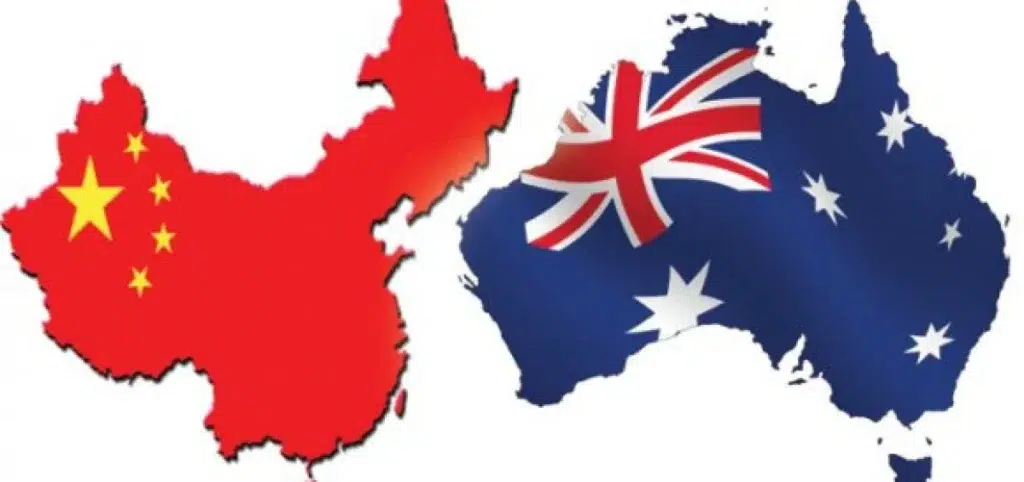
Australia provides China with a critical mineral that is vital to Beijing’s nuclear and missile technologies. Chinese companies own the largest stake in two Australian mines that manufacture the minerals, which allows China to get over significant hurdles in accessing resources of strategic importance.
China’s Strategic Dependence on Zirconium Imports
In a rare confession, China acknowledges it heavily relies on imports to supply its Zirconium supply, which is a largely unnoticed but vital mineral. Australia is the world’s leading producer of zirconium and supplies 41% of China’s import quantities.
Incredibly, Australian regulators permitted Beijing-backed firms to become major shareholders of two mines within Western Australia. Additionally, the Australian federal government gave one of the companies a $160 million loan to help boost production.
Australia’s Dual Role Amid U.S.-China Supply Chain Tensions
Australia is caught in a difficult position, supplying the essential raw materials needed for China’s military growth as well as collaborating together with United States to counter China’s dominance in rare earths as well as crucial mineral processing.
In the context of this strategy, Australia and the U.S. have formally ratified a crucial minerals framework to ease China’s influence over global supply chains.
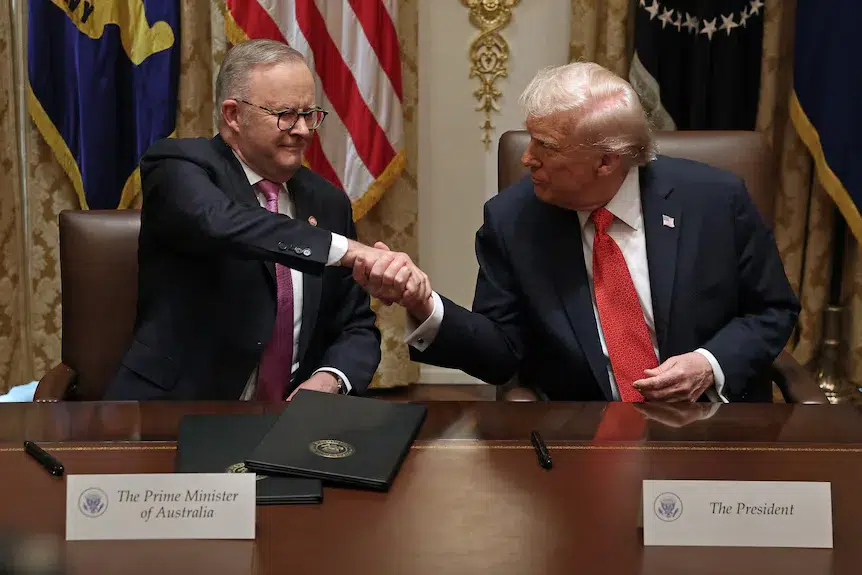
In the last month, Premier Anthony Albanese signed a $13 billion deal with U.S. President Donald Trump in order to protect America’s access to crucial raw materials essential to the defence and technology companies.
China’s Zirconium Exports to Russia Surge Amid Conflict
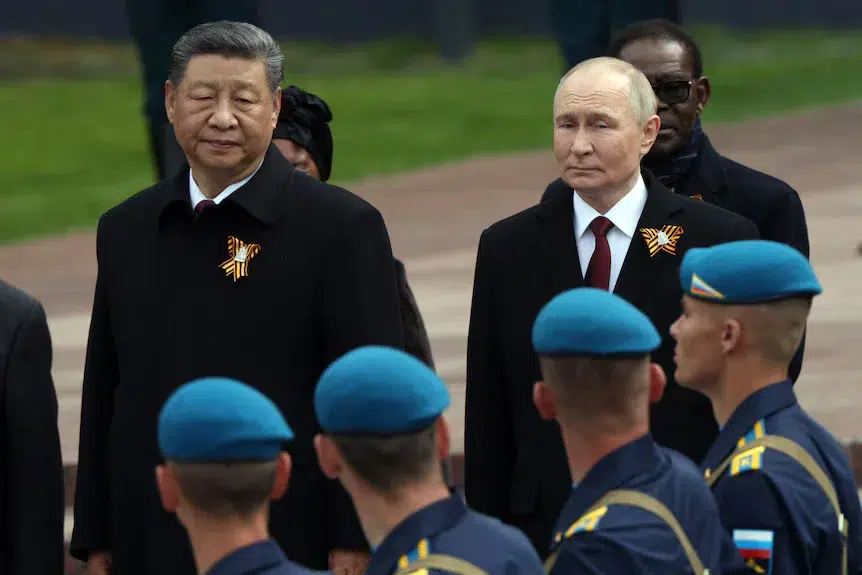
China doesn’t only use zirconium in its domestic. Information collected by Four Corners reveals that Beijing is exporting large quantities to Russia. Since the Russian-Ukraine war began in 2022, zirconium trades between China into Russia have been increasing by more than 300%. The company that is the ultimate parent of an Australian mining company is involved in the trade.
The military’s strategic David Kilcullen, a former advisor for secretary of state U.S. Secretary of State insists on the need of Australia to tighten its controls on the export of critical minerals.
Kilcullen stated:
“I think it’s really important for us to have an understanding of where our minerals go … it’s appropriate to be applying those [controls] to things that might be used for nuclear or missile production.”
Zirconium’s Strategic Military Importance
Although it is typically used for toilets and bathroom tiles zirconium is now a prominent component in the field of military technology. The mineral’s zirconium sponge form is wrapped around nuclear fuel rods, which are essential not just for power plants that are used in civilian settings, as well as for countries that want to expand their arsenals of nuclear weapons.
The resistance of zirconium to extreme heat melting at more than 1,800 degrees centigrade makes it ideal for hypersonic missile construction, which is a process that has speeds of more than 5 times the speed of sound.
Dual-Use Technology Raises Security Concerns
The final decision on the use of zirconium that is imported by China is difficult. The country’s civil industries are frequently connected to military applications, particularly in China’s military-civil-fusion doctrine which is explained by Kilcullen.
Kilcullen explained:
“Everything now, not only in nuclear technology, but writ large, is dual use. That’s particularly true of nuclear capability.”
China has less than 1% of the world’s zirconium resources, a vulnerability that was identified by its National University of Defense Technology, which is affiliated with the People’s Liberation Army. A study cautioned that China is facing severe challenges to resource security, highlighting the importance of zirconium in military development and national security.
Australia’s Critical Minerals and Chinese Processing Dominance
While Australia is home to the biggest zirconium reserves derived from mineral sands, China is the dominant downstream processing industry. Australia remains China’s main zirconium source.
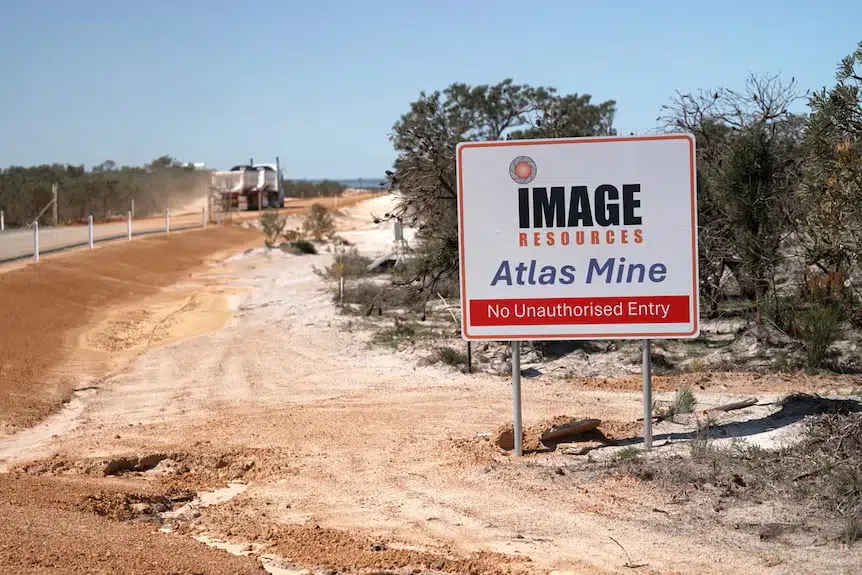
The one Australian mining business, Image Resources, is mostly owned by Chinese LB Group, which has close ties with Beijing’s government. LB Group purchases 100% of Image Resources’ output through subsidiaries, and the annual report notes Chinese government backing in “strategic emerging industries” including the production of zirconium sponges with nuclear-grade quality.
Potential Military Applications Disclosed by Australian Miner
Image Resources has publicly acknowledged the military significance the minerals it mines. In its annual report for 2024, it mentioned zirconium’s role in nuclear energy and rockets, jet engines, in hypersonic cars, and rockets. In 2017, Image’s CEO Patrick Mutz revealed that Image’s most important customer could be the only Chinese firm that had been granted the license to manufacture zirconium that is nuclear-grade.
Zirconium sponge is crucial not only for nuclear power but also in nuclear submarines and aircraft carriers, as well as weapons programs. It is also used in weapons programs. U.S. targeted a zirconium production plant in its attack on Iran’s Isfahan nuclear plant in 2020.
Mutz did not respond to requests for interviews and said the company offered “small quantities” for civilian uses, such as flooring tiles and paint in compliance with export licenses.
Government Oversight and Trade Controls Under Scrutiny
In 2015, the Australian Foreign Investment Review Board approved Guangdong Orient Zirconic, now part of LB Group, as the largest shareholder in Image Resources. Regulations currently allow exports of raw minerals to China with no restrictions even though there are clear military applications.
Defense Minister Richard Marles downplays the need for tighter control by pointing to alternative zirconium sources as well as highlighting Australia’s dependence on China.
According to Marles:
“China is our largest trading partner on the one hand, and our biggest source of security anxiety on the other. And that’s just the way the world is.”
Zirconium Trade Fuels Russia’s Military Efforts
Information obtained by the Ukrainian thought-leadership group Trap Aggressor shows that a substantial portion of zirconium exports to China is shipped to Russia, which helps support its military industry. Exports of zirconium to China to Russia exceeded 70 million dollars during the 12 months from February 2025 to the present, increasing by over 300% since the start of the war.
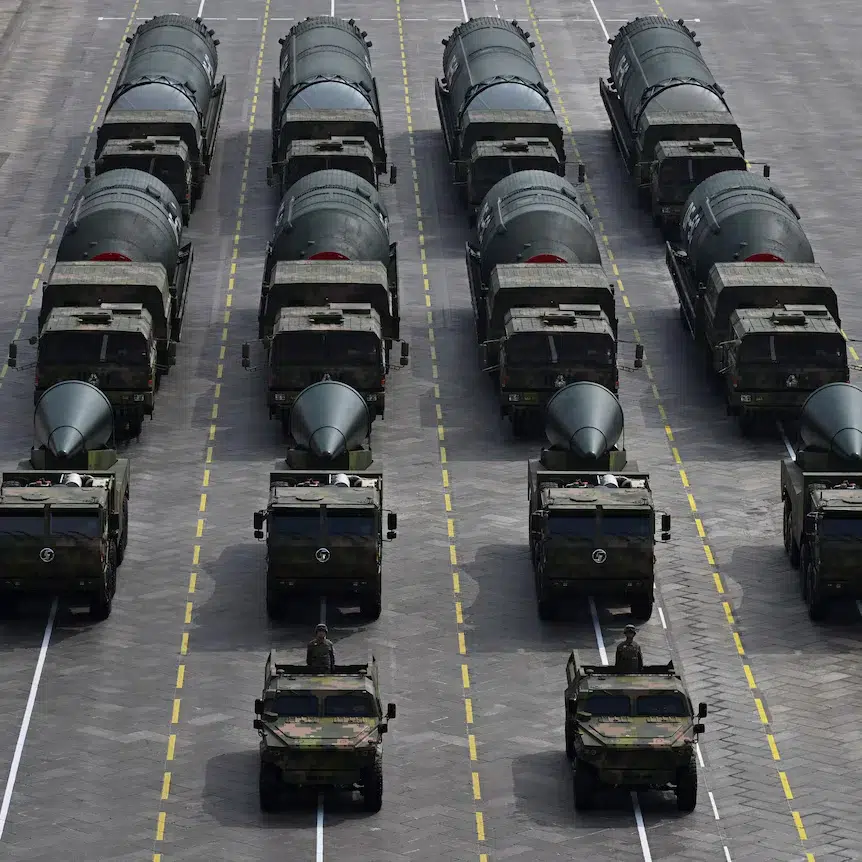
Image Resources’ largest shareholder is very involved in this business, exporting more than five million dollars’ worth of zirconium from Russia during the period. The principal Russian buyer is CMP, which is a part of the state-owned nuclear corporation Rosatom that manufactures nuclear fuel cladding as well as missile alloys.
Russia has conducted tests of their hypersonic missile arsenal, comprising its Zircon missile, during the Ukraine conflict by using these modern missiles against civilian targets. Jennifer Parker, a former Navy officer and expert in security She stresses the necessity of reassessing Australia’s trade policy in light of the security threats:
“We need to ask a lot of hard questions about what we are trading, who we’re trading it with, what does that mean for their capability, and what does that mean for our vulnerabilities.”
Government Support for Thunderbird Mine Raises Questions
Another important supplier of zirconium in China comes from China’s Thunderbird Mine in north-west Western Australia. In the year 2020, the Chinese company Yansteel purchased a 50% interest, which was approved by the Australian Foreign Investment Review Board.
The mine, which sold all of its output to China and China, was able to benefit from the concessional loan of $160 million for 2022 by the Northern Australia Infrastructure Facility (NAIF). Even with NAIF’s financial assistance and official statements, NAIF has largely dismissed the significance of the mineral’s defense and framed the growth in demand as being caused by:
“Construction, advanced manufacturing and renewable energy.”
Geopolitical Impact of Australia’s Zirconium Supply to China
The role of Australia as the top zirconium producer in the world places it at the forefront of crucial geopolitical battles involving China, the U.S., and Russia. The mineral is essential for the development of hypersonic missile technology and nuclear weapons, demonstrating the delicate balance Australia manages to maintain between trade concerns and security issues.
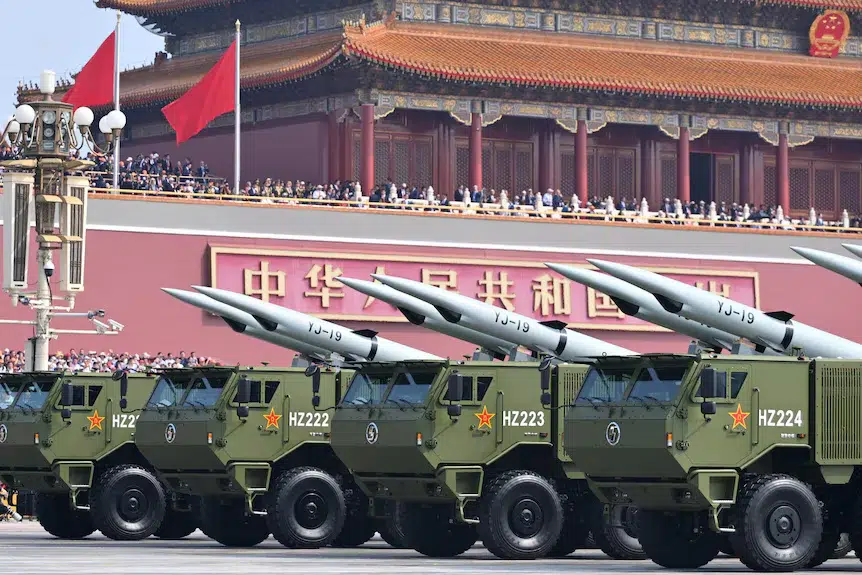
China’s reliance on Australian zirconium is a sign of a danger to its strategic position. Despite efforts made by Australia and its allies that is that of the U.S., to curb Beijing’s control over vital minerals supply chains Chinese firms hold a significant share in Australian mines. This allows China to safeguard essential resources and expand its military capabilities. They even export zirconium to help Russia’s war effort in Ukraine.
The widespread integration of technology from commercial companies in China’s military under the doctrine of military-civil fusion complicates attempts to distinguish civilian use from weapon development. The dual use nature of zirconium creates unique challenges for export control and international security policies.
Australia’s Regulatory Challenge and Security Implications
Although regulators have allowed foreign investment in zirconium mines in the past, there remain concerns regarding the possible military uses of minerals that are exported.
The Australian Foreign Investment Review Board has given approval to Chinese stakes in major mines that are major and loans from government-backed banks aid in the growth of production.
Although experts have urged tightening trade restrictions to stop the recourse to Australian minerals in missile or nuclear programs Government officials warn that diversification of zirconium supplies globally helps reduce the risk of limiting Australian exports.
Bottom Line
Australia’s continued supply of critical minerals to China, despite their relevance to hypersonic and nuclear technologies, reveals that Trump-era trade enforcement is driven less by objective legal thresholds than by strategic indispensability. This pragmatic stance is a reflection of the challenges of balancing financial connections with security and strategic in a world that is interconnected.