
Washington, D.C. (2026) — The U.S. Department of Homeland Security (DHS) has suspended TSA PreCheck and Global Entry services at airports across the United States, triggering widespread disruption for millions of frequent travelers and raising fresh legal and political questions about federal shutdown management and essential aviation security services.
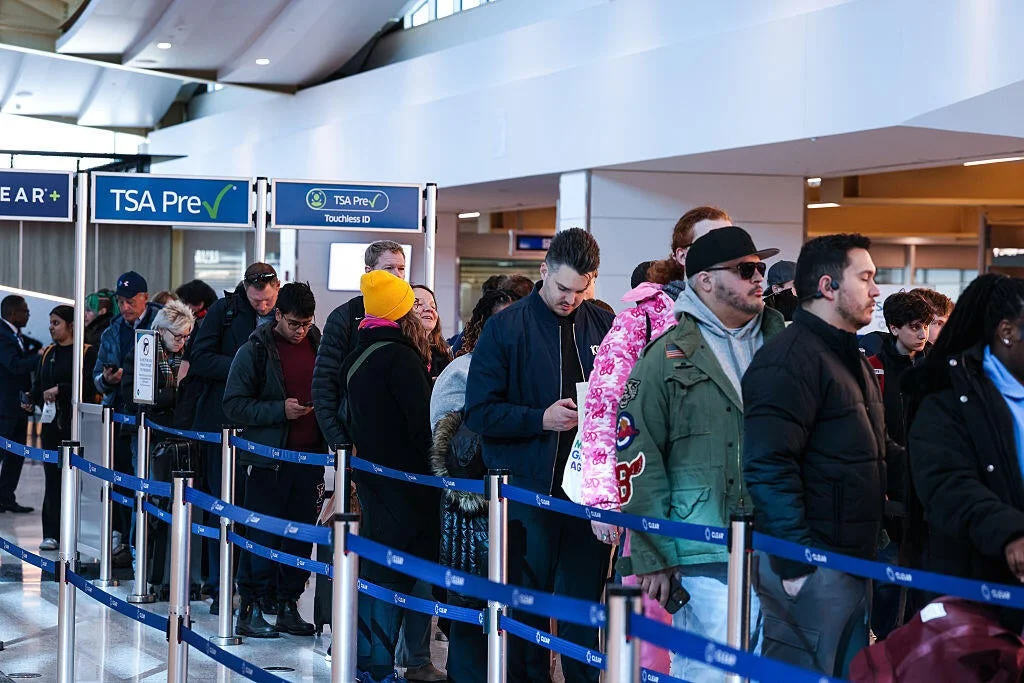
The suspension, which took effect 22 February 2026, follows the ongoing U.S. federal government shutdown that has significantly affected DHS operations and staffing across transportation security and border control agencies.
Why DHS Suspended TSA PreCheck and Global Entry
DHS officials confirmed that the suspension is directly linked to the government funding lapse, which has forced the temporary closure or reduction of several “non-essential” federal programs.
Trusted traveler programs including TSA PreCheck and Global Entry rely heavily on federal personnel for background checks, enrollment interviews, and system maintenance. With thousands of DHS and Transportation Security Administration (TSA) employees furloughed or working without pay, authorities determined that maintaining full program functionality was no longer operationally feasible.
The programs allow pre-approved, low-risk travelers to use expedited security lanes and automated border kiosks at dozens of U.S. and international airports. However, DHS announced that enrollment processing, renewals, and certain fast-track airport benefits have now been paused until funding resumes.
The suspension marks one of the most visible aviation impacts of the shutdown, affecting over 10 million TSA PreCheck users and more than 12 million Global Entry members worldwide.
Immediate Impact on Airports and Travelers
The halt in services means:
- Travelers previously enrolled in expedited screening may face standard security lines at airports.
- New applications and interviews for trusted traveler programs are temporarily frozen.
- Some Global Entry kiosks and fast-track border systems are operating at reduced capacity.
Airports in major hubs including New York, Los Angeles, Chicago, Atlanta, and Dallas have reported longer processing times and increased congestion at immigration and security checkpoints.
Airlines and airport authorities have urged passengers to arrive earlier than usual as standard screening procedures resume for all travelers.
Legal and Administrative Implications
The suspension highlights significant legal and governance questions regarding:
Essential Services During Government Shutdowns
Under U.S. federal law, agencies must determine which programs qualify as “essential.” While core aviation security screening continues, expedited programs such as PreCheck and Global Entry fall into a gray area and can be halted during funding lapses.
Contractual and Consumer Rights Issues
Travelers who paid for multi-year membership in trusted traveler programs may raise legal questions about:
- Service interruption without compensation
- Membership validity extensions
- Potential refund or credit claims
Legal experts note that program terms typically include government shutdown clauses limiting liability, making large-scale compensation unlikely.
Administrative Law and Oversight
Congressional oversight committees are expected to examine whether DHS properly classified trusted traveler programs as non-essential and whether prolonged suspension could undermine aviation security efficiency and border processing.
Political and Security Fallout
The suspension comes at a time of heightened political tension over federal spending and immigration policy. Aviation industry groups have warned that extended disruption could:
- Damage international travel confidence
- Increase airport congestion and security wait times
- Impact tourism and business travel
Some lawmakers have called for emergency funding to restore critical aviation services, arguing that trusted traveler programs enhance security by allowing agencies to focus on higher-risk passengers.
What Happens Next
DHS has stated that TSA PreCheck and Global Entry operations will resume once federal funding is restored and normal staffing levels return. Until then, travelers are advised to:
- Allow additional time for airport screening
- Monitor DHS and TSA advisories
- Expect continued delays at major international gateways
The episode highlights how government shutdowns increasingly affect not only federal workers but also global travel systems, raising broader questions about the legal classification of security-related services and the resilience of aviation infrastructure during fiscal crises.