
Former British royal Prince Andrew has been released under investigation following his recent arrest by UK authorities in connection with the widening fallout from newly disclosed Epstein-related files. The development marks one of the most serious legal escalations in the long-running scandal linking the Duke of York to convicted sex offender Jeffrey Epstein and his network.
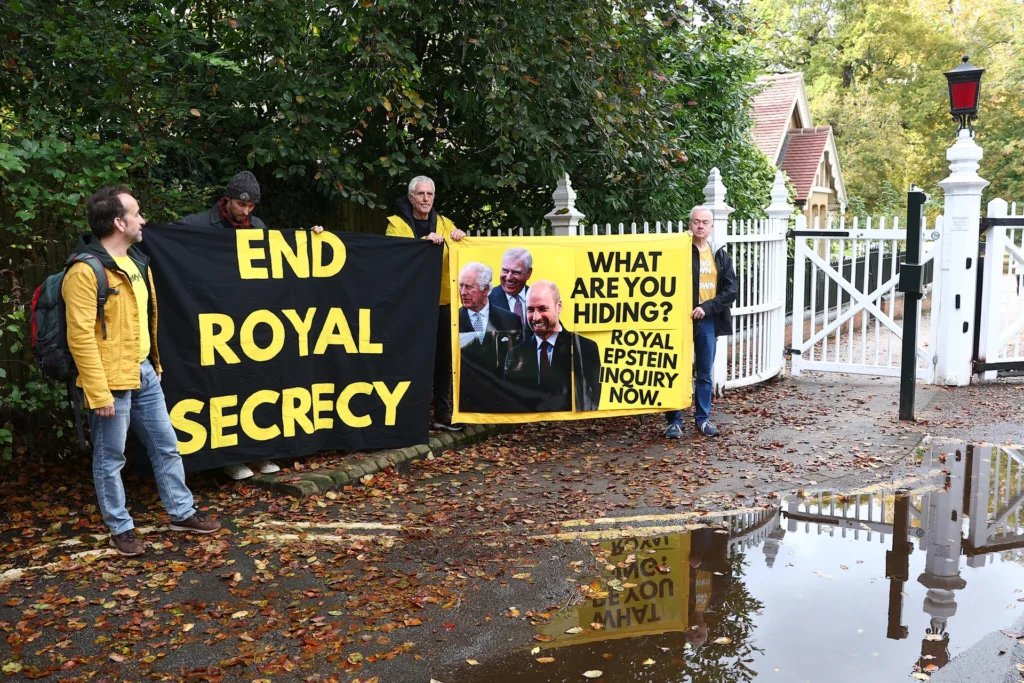
Why Prince Andrew Was Arrested and Released
UK police confirmed that Prince Andrew was detained on suspicion of misconduct in public office before being released pending further investigation. Authorities are examining whether he improperly used his official position as a former UK trade envoy and member of the royal family to share confidential or sensitive information with Epstein or associated individuals.
The arrest follows a wave of newly released documents and emails suggesting that Andrew may have maintained contact with Epstein even after the financier’s conviction and may have shared privileged information relating to his official duties.
Being “released under investigation” means Andrew has not been charged but remains a suspect while authorities review evidence and determine whether criminal charges are warranted. This status allows investigators to continue examining communications, financial links, and potential misuse of public office without imposing immediate bail conditions.
Why Prince Andrew Is Linked to Jeffrey Epstein
Prince Andrew’s association with Epstein dates back decades and has long drawn scrutiny from law enforcement and civil litigants. Key factors linking him to Epstein include:
- A widely circulated photograph showing Andrew with Epstein associate Virginia Giuffre and Ghislaine Maxwell.
- Allegations that he maintained contact with Epstein after Epstein’s earlier conviction.
- Civil claims filed in U.S. courts accusing him of misconduct, which were later settled out of court without admission of liability.
- Newly surfaced communications suggesting ongoing links between Andrew and Epstein’s network.
In February 2022, Prince Andrew and Giuffre reached a reported multimillion-dollar settlement in the U.S. District Court for the Southern District of New York, resolving allegations that the prince sexually assaulted Giuffre when she was a minor, in connection with Epstein’s trafficking network. Settlement terms included monetary compensation and a mutual non-disparagement agreement.

However, confidentiality clauses and third-party release provisions sparked criticism from transparency advocates and survivors’ rights groups. Recent document releases have intensified scrutiny by raising questions about whether Andrew’s interactions with Epstein overlapped with his official governmental role as a trade envoy.
Prince Andrew has consistently denied liability and wrongdoing, asserting that he did not commit the acts alleged and that the settlement was a pragmatic resolution to avoid protracted litigation. Following the civil settlement and his withdrawal from public royal duties, his legal team has focused on maintaining confidentiality protections and limiting additional legal exposure.
Scope of the Current Investigation
The investigation now focuses on potential criminal exposure under UK law, particularly:
Misconduct in Public Office: Authorities are assessing whether Andrew used his public role to provide confidential information or assistance to Epstein or related individuals. This offense applies when a public office holder abuses their position in a way that undermines public trust.
Obstruction or Improper Influence: Investigators are reviewing whether Andrew attempted to interfere with or influence investigations, witnesses, or complainants connected to Epstein-related allegations.
Financial and Communications Review: Police and prosecutors are reportedly examining communications records, travel logs, and financial connections to determine whether any unlawful activity occurred during or after his tenure as trade envoy.
Legal Consequences Prince Andrew Could Face
If formal charges are filed and proven, Prince Andrew could face serious legal consequences:
Criminal prosecution in UK courts – Misconduct in public office can carry significant prison sentences depending on severity and proven intent.
Further civil litigation – New evidence could reopen or trigger additional civil claims from alleged victims or related parties in multiple jurisdictions.
Loss of remaining privileges and titles – Andrew has already faced the removal of many royal roles and honors; further legal findings could result in the complete stripping of remaining titles and state privileges.
International legal exposure – If evidence links him to actions affecting other jurisdictions, requests for cooperation or additional investigations could arise from foreign authorities.
Potential Enforcement Issues and Cross-Border Implications
While the 2022 settlement resolved U.S. civil claims, enforcement of settlement provisions may have cross-border dimensions. Giuffre’s recent motions request that the court clarify sanctions for breach of settlement terms and whether ancillary records may be disclosed to foreign regulatory or law-enforcement authorities investigating related matters.
European jurisdictions and the United Kingdom have previously examined aspects of Epstein-linked wrongdoing, and analysts suggest that renewed U.S. disclosure could catalyze inquiries into financial transactions, immigration records, or custodial cooperation across jurisdictions.
Governors of inquiry in the U.K. have faced legal debates over extradition cooperation and mutual legal assistance treaties when requests intersect with diplomatic immunities and sovereign privileges.
Broader Implications
The arrest and ongoing investigation represent a major escalation in the global Epstein scandal, which continues to generate political and legal fallout across multiple countries. Newly released documents have already prompted calls for further transparency and accountability among high-profile figures linked to Epstein’s network.
For UK authorities, the case raises sensitive constitutional questions about whether members of the royal family can be prosecuted for alleged misuse of public office and how such cases intersect with state immunity, public accountability, and international scrutiny.
While Prince Andrew has not been charged and denies wrongdoing, the decision to release him under investigation signals that prosecutors consider the allegations serious enough to warrant continued criminal inquiry. The outcome will likely shape not only Andrew’s legal future but also broader debates about accountability for public figures connected to the Epstein network.
Looking Ahead
As motions for disclosure and enforcement clarification move through the U.S. federal court system, legal analysts expect further argument on the balance between confidentiality, enforceability, and the public interest. While criminal investigation into Epstein-linked conduct has largely concluded following Epstein’s death in 2019, civil litigation has continued to expose structural issues in how complex abuse cases are resolved.
Observers will closely watch whether the court expands access to settlement records and what implications this may have for international cooperation, survivors’ rights advocacy, and future jurisprudence involving high-profile civil settlements in abuse and trafficking contexts. The saga exemplifies ongoing tensions between private resolution mechanisms and public accountability in cross-border law enforcement and human rights enforcement.