
The ongoing unrest in Iran has triggered growing international concern not only for its scale and intensity but for the legal and geopolitical consequences of the state’s response. As security forces confront widespread demonstrations with increasingly forceful measures, including reported use of lethal weapons, as highlighted in recent reporting where UN rights groups warned Iran over lethal force violations, the situation has shifted from a domestic stability challenge to a test of Iran’s compliance with international human rights law. The convergence of internal economic strain, political discontent, and heightened global scrutiny has placed Iran at a critical juncture, where decisions taken in response to protests may carry long-term legal, diplomatic, and economic implications.
Why Iran’s Protest Crackdown Has Become a Global Legal Issue
The nationwide protests in Iran and the state’s response have moved beyond a domestic law-and-order challenge into a matter of international legal and geopolitical concern. Reports from United Nations officials and independent rights organizations indicate the use of lethal force against protesters, widespread arrests, and prolonged internet shutdowns. These actions raise serious questions under international human rights law and expose Iran to escalating legal, economic, and diplomatic risks.
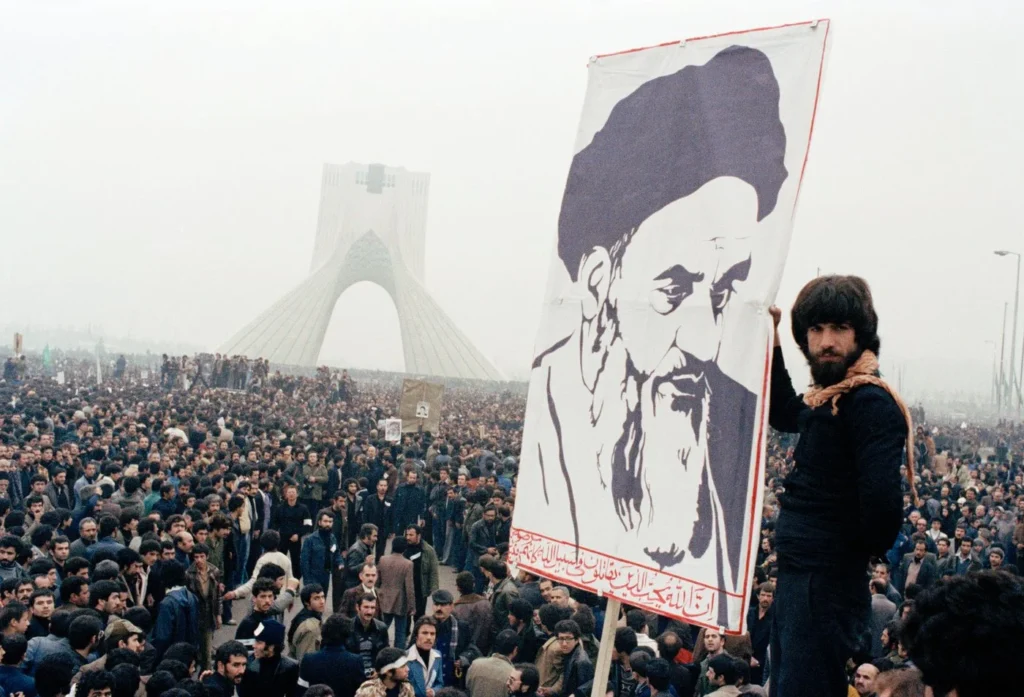
What began as internal unrest has now evolved into a situation with long-term international consequences. United Nations human rights officials have condemned the use of lethal force and arbitrary detentions, saying the right to peaceful assembly and protection from arbitrary loss of life must be upheld, while Tehran blames “armed rioters” and foreign interference for the unrest, even as global pressure mounts for accountability and respect for international legal standards.
How the Protests Began and Why They Escalated
The 2025–2026 protests in Iran began on 28 December 2025, initially driven by deepening economic distress across the country. Spiraling inflation, a collapsing currency, and rising prices of food and essential goods fueled public anger. The Iranian currency “rial” hit record lows against the U.S. dollar, substantially reducing purchasing power and eroding living standards for ordinary citizens. This economic freefall worsened by renewed UN “snapback” sanctions imposed in September 2025 and lingering effects from regional conflicts intensified public discontent.
What started with a strike by shopkeepers and bazaar merchants in Tehran’s Grand Bazaar quickly spread beyond economic demands. Protesters soon articulated broader grievances about governance, lack of political freedoms, and systemic repression. Within days, the demonstrations reached universities, commercial districts, and provincial cities, evolving into one of the most significant challenges to the Islamic Republic’s authority since the 1979 revolution.
Economic Collapse as the Initial Trigger
Inflation, currency devaluation, unemployment, and reduced state capacity to provide subsidies created widespread social distress. Initial demonstrations focused on economic grievances and living costs.
Political Grievances and Security Response
Within days, protests expanded to include political demands and criticism of governance. The state’s early reliance on security forces rather than dialogue proved to be a decisive escalation point. The use of force, combined with mass arrests, shifted protests from issue-based demonstrations to broader anti-government unrest.
Internet Shutdowns and Nationwide Repression
The imposition of a near-total internet blackout marked a further escalation. Historically, such measures in Iran have coincided with intensified repression. The blackout restricted independent reporting, heightened public anger, and increased international suspicion that serious abuses were being concealed.
Applicable Legal Framework Under International Law
The conduct of state authorities in responding to public protests is governed by a well-established body of international human rights law that binds states even during periods of internal unrest. Iran is a party to core international treaties that regulate the use of force by law enforcement, protect the right to life, and safeguard freedoms of peaceful assembly, expression, and due process. These obligations are complemented by customary international law and authoritative United Nations standards, which together impose strict limits on when and how force may be used against civilians. Compliance with these norms is assessed not by domestic justifications but by internationally recognized principles of necessity, proportionality, and accountability.
Binding Human Rights Obligations
Iran is a State Party to the International Covenant on Civil and Political Rights (ICCPR), which establishes binding obligations related to:
- The right to life
- Freedom of peaceful assembly
- Liberty and security of person
- Due process guarantees
These obligations apply at all times, including during states of emergency, subject only to strictly limited derogations.
Customary International Law and UN Standards
Customary international law and authoritative UN standards sit alongside treaty obligations in shaping the legal framework governing Iran’s protest policing and use of force. In addition to instruments such as the ICCPR, Iran is bound by customary rules on the protection of life and the prohibition of excessive force, as well as by widely accepted soft-law standards like the UN Basic Principles on the Use of Force and Firearms by Law Enforcement Officials.
These Principles set out minimum global norms requiring that force be used only when strictly necessary, in proportion to a legitimate law-enforcement objective, and in a manner that minimizes damage and injury, particularly in the context of assemblies and civil unrest, standards increasingly invoked in legal challenges to protest policing worldwide, including recent litigation surrounding anti-ICE protests and the federal use-of-force response in the United States.
Under these standards, lethal force is permitted only as a last resort in response to an imminent threat of death or serious injury, and its repeated use against largely unarmed demonstrators is treated as incompatible with international norms on the right to life and the right of peaceful assembly
Potential Violations of the Right to Life Under Article 6 ICCPR
Article 6 of the ICCPR protects the right to life and prohibits arbitrary deprivation of life. International jurisprudence establishes that lethal force by law enforcement is lawful only when strictly unavoidable to protect life, a standard underscored by recent findings in which UN rights groups warned Iran over lethal force violations.
The reported use of live ammunition against protesters, particularly where demonstrators were unarmed or not posing an imminent threat, raises serious concerns of arbitrary killings. Where lethal force is used as a method of crowd control, punishment, or deterrence, it falls outside the narrow circumstances permitted under international law. Reports of gunshot wounds to the head and torso further strengthen allegations of unlawful use of force rather than defensive action.
Excessive Force and the Right to Peaceful Assembly
Article 21 of the ICCPR protects the right of peaceful assembly, while Article 9 guarantees the liberty and security of a person and prohibits arbitrary arrest and detention. International law requires that restrictions on assemblies be lawful, necessary, and proportionate.
The use of lethal force, mass arrests, and blanket suppression of demonstrations without individualized threat assessments may constitute disproportionate interference with protected rights. Even where isolated violence occurs, international standards prohibit indiscriminate force against entire crowds.
Internet Shutdowns and Information Control
Although internet access is not explicitly listed in the ICCPR, it is closely linked to freedom of expression under Article 19 and the ability to document and report human rights violations.
International human rights bodies increasingly recognize that intentional communication blackouts during unrest may constitute violations where they are imposed to suppress dissent, conceal abuses, or prevent access to remedies. In Iran’s case, the prolonged internet shutdown may aggravate legal responsibility by obstructing transparency and accountability.
Crimes Against Humanity: Legal Threshold Analysis
Crimes against humanity do not require genocidal intent; the key question is whether serious acts such as killings, imprisonment, or persecution are carried out as part of a widespread or systematic attack directed against a civilian population, with knowledge that they form part of that broader policy-driven attack.
Where evidence shows that lethal force and repression are coordinated across the country, consistently targeting civilians under or with the support of state policy, the legal threshold for crimes against humanity under customary international law may be met
State Responsibility and Individual Criminal Liability
International law draws a clear line between state responsibility and individual criminal responsibility. State responsibility asks whether Iran, as a state, has breached its international obligations under treaties such as the International Covenant on Civil and Political Rights (ICCPR). Individual criminal responsibility, by contrast, focuses on whether specific officials or commanders can be held personally liable for international crimes such as torture, crimes against humanity, or war crimes, including on the basis of command or superior responsibility.
These two tracks operate in parallel as holding individuals criminally accountable does not erase the separate international responsibility of the state, and treaty bodies, courts, and other mechanisms may address each dimension differently. Domestic law, emergency regulations, or internal security justifications cannot lawfully excuse or neutralize violations of binding international obligations, and states remain bound to respect and ensure human rights even where national rules or policies point in the opposite direction
Accountability and Enforcement Pathways
Allegations of serious human rights violations do not depend on immediate judicial action to carry legal consequences. Under international law, multiple accountability mechanisms exist through which states and individual officials may be scrutinized, investigated, and potentially held responsible over time. These pathways include United Nations human rights procedures, treaty-monitoring bodies, sanctions regimes, and the exercise of jurisdiction by national courts beyond the territory where the alleged abuses occurred. While enforcement is often gradual and politically constrained, sustained documentation and international findings can translate into enduring legal, diplomatic, and personal exposure for those implicated in unlawful conduct.
United Nations Human Rights Mechanisms
At the UN level, Iran can face scrutiny through several Human Rights Council mechanisms, including special sessions, country-specific resolutions, fact-finding missions, and commissions of inquiry. These bodies are not criminal courts, but they collect evidence, qualify conduct under international law, and identify patterns of abuse, which can later support criminal or civil proceedings in other forums.
Special procedures mandate-holders, such as Special Rapporteurs and Working Groups, can issue urgent appeals, public statements, and detailed reports that highlight individual and institutional responsibility. Over time, such findings shape the international legal record, inform sanctions decisions, and increase pressure on states to investigate and prosecute those responsible at the domestic level.
Treaty Body Review
Iran is a party to the International Covenant on Civil and Political Rights (ICCPR), and its compliance is overseen by the UN Human Rights Committee. In periodic reviews, the Committee examines Iran’s record, assesses evidence from civil society, and issues “concluding observations” that can include authoritative findings of violations and concrete recommendations for legal and policy reform.
While these findings are formally non-binding, they interpret treaty obligations, shape customary standards, and serve as reference points for other UN organs, foreign courts, and sanctions authorities. Persistent non-compliance can be cited in multilateral forums, used in litigation strategies abroad, and relied upon to justify diplomatic measures or restrictive economic measures targeting specific officials or institutions.
Universal Jurisdiction Risks
Even though Iran is not a party to the Rome Statute of the International Criminal Court, its officials may still face exposure to criminal investigation and prosecution in foreign courts under the principle of universal jurisdiction. Universal jurisdiction allows national courts, in certain states, to investigate and prosecute crimes such as torture, war crimes, and crimes against humanity regardless of where they were committed and irrespective of the nationality of the victims or alleged perpetrators.
In recent years, prosecutors in Europe and elsewhere have increasingly relied on UN fact-finding reports, NGO dossiers, and survivor testimony to open cases against foreign officials for serious international crimes. This means that travel, financial activities, and diplomatic engagement abroad can carry significant legal risks for individuals credibly implicated in abuses, even if they remain shielded from accountability at home
Integrated Risk Matrix: Iran’s Protest Crackdown and Forward-Looking Exposure
Country assessed: Iran
Time horizon: Short term (0–6 months), Medium term (6–24 months), Long term (2–5 years)
Legal Risk Matrix
| Timeframe | Risk Level | Key Legal Risks | Likely Triggers | Strategic Impact |
|---|---|---|---|---|
| Short term | High | Credible allegations of ICCPR violations; evidence accumulation by UN bodies and NGOs | Continued lethal force; internet restrictions; mass arrests | Increased international scrutiny; reputational damage |
| Medium term | Very High | Adverse findings by UN Human Rights Council mechanisms and treaty bodies | Formal reports concluding arbitrary killings or systematic repression | Basis for sanctions, travel bans, and universal jurisdiction cases |
| Long term | Severe | Persistent exposure to crimes-against-humanity claims under customary international law | Corroborated evidence of widespread or systematic attacks | Personal legal risk for officials; constrained diplomatic mobility |
Legal risk is cumulative and path-dependent. Even if repression subsides, documented violations may generate exposure for years.
Economic Risk Matrix
| Timeframe | Risk Level | Key Economic Risks | Likely Triggers | Strategic Impact |
|---|---|---|---|---|
| Short term | Moderate–High | Market instability; capital flight; trade friction | Protest disruption; internet shutdowns; security uncertainty | Reduced commercial confidence |
| Medium term | High | Human-rights-linked sanctions; reduced foreign investment | UN findings; coordinated diplomatic pressure | Fiscal strain; reduced access to global markets |
| Long term | High–Severe | Structural isolation; dependency on limited partners | Entrenched sanctions regime; compliance risk | Long-term economic stagnation |
Economic risk is indirectly driven by legal findings. Human-rights determinations increasingly function as triggers for sanctions and compliance barriers.
Diplomatic and Geopolitical Risk Matrix
| Timeframe | Risk Level | Key Diplomatic Risks | Likely Triggers | Strategic Impact |
|---|---|---|---|---|
| Short term | High | Diplomatic condemnation; reduced engagement | Public UN statements; media exposure | Narrowing diplomatic space |
| Medium term | Very High | Strategic isolation from Western and regional partners | Institutionalized accountability narratives | Reduced leverage in negotiations |
| Long term | Severe | Enduring pariah status in multilateral forums | Crimes-against-humanity characterization | Strategic inflexibility; reliance on few allies |
Diplomatic risk compounds over time. Even pragmatically inclined states treat systematic human-rights abuses as structural barriers.
Cross-Domain Risk Interactions
Legal findings act as primary risk multipliers across economic and diplomatic domains. Once international legal narratives harden, particularly around systematic or widespread abuses, they justify sanctions, discourage investment, and constrain diplomacy simultaneously. Internet shutdowns further amplify risk by reinforcing perceptions of concealment.
Risk Mitigation Scenarios
| Scenario | Legal Risk | Economic Risk | Diplomatic Risk | Feasibility |
|---|---|---|---|---|
| Continued repression | Severe | High–Severe | Severe | High (status quo) |
| Partial de-escalation | High | Moderate | High | Moderate |
| Transparency and reform | Moderate | Moderate–Low | Moderate | Low |
Meaningful risk reduction depends on demonstrable changes in policing practices, information access, and accountability mechanisms rather than rhetoric.
How Similar Crackdowns Were Treated Under International Law
Crackdowns on mass protests in other countries have generated a clear body of international practice on how lethal force, mass arrests, and systematic repression are evaluated under human rights and international criminal law. UN fact-finding missions and human rights bodies have repeatedly treated patterns of coordinated violence against largely peaceful demonstrators as potential crimes against humanity or, at minimum, as serious violations of ICCPR obligations. These precedents provide an important reference point for assessing how similar protest crackdowns, including in Iran, may be framed and pursued under international law.
Syria (2011–present)
- UN fact-finding missions and the High Commissioner for Human Rights found that Syrian security forces engaged in “widespread and systematic” attacks against civilians during the early protest phase, including murder, enforced disappearances, torture, and mass arbitrary detentions.
- These findings led UN bodies and major NGOs to characterize the crackdown as amounting to crimes against humanity, emphasizing that the pattern of abuses formed part of a broader state policy rather than isolated excesses.
- The Syrian case has since become a central precedent in discussions of state responsibility, individual criminal liability, and the role of international mechanisms in documenting and prosecuting atrocity crimes arising from protest movements.
Venezuela (2017–2019 protests and beyond)
- In Venezuela, UN-appointed fact-finding missions and OHCHR reporting documented the use of excessive and lethal force against demonstrators, including security forces firing indiscriminately at protesters and targeting vital areas of the body.
- Investigators recorded patterns of arbitrary detentions, torture, sexual and gender-based violence, and the use of armed civilian groups (“colectivos”) alongside state forces, concluding that rights violations against anti-government protesters amounted to crimes against humanity.
- These findings have underpinned calls for individual criminal accountability, including through international and domestic proceedings, while reinforcing that systematic protest repression can trigger the highest categories of international crimes.
Belarus (2020 protests)
- UN reporting on Belarus’s 2020 post-election protests found widespread, unnecessary, and disproportionate use of force by security forces, including beatings, unlawful deaths, and the misuse of crowd-control weapons to disperse largely peaceful assemblies.
- Authorities were found to have arbitrarily arrested and detained tens of thousands of people, with many subjected to torture, ill-treatment, and politically motivated prosecutions for peacefully demonstrating.
- While the repression in Belarus was not classified as genocide, UN bodies concluded it constituted systematic and widespread gross human rights violations under the ICCPR, amounting to organized state repression of civilians and prompting calls for targeted accountability measures.
What Comes Next for Iran
In the near term, Iran is likely to double down on containment and internal security measures, treating protests primarily as a public order challenge rather than a human rights crisis, even as outside actors document alleged violations. Over the medium term, sustained reporting by UN bodies, NGOs, and media, combined with targeted sanctions and travel or asset restrictions, makes institutionalized accountability through UN mechanisms and sanctions regimes increasingly probable.
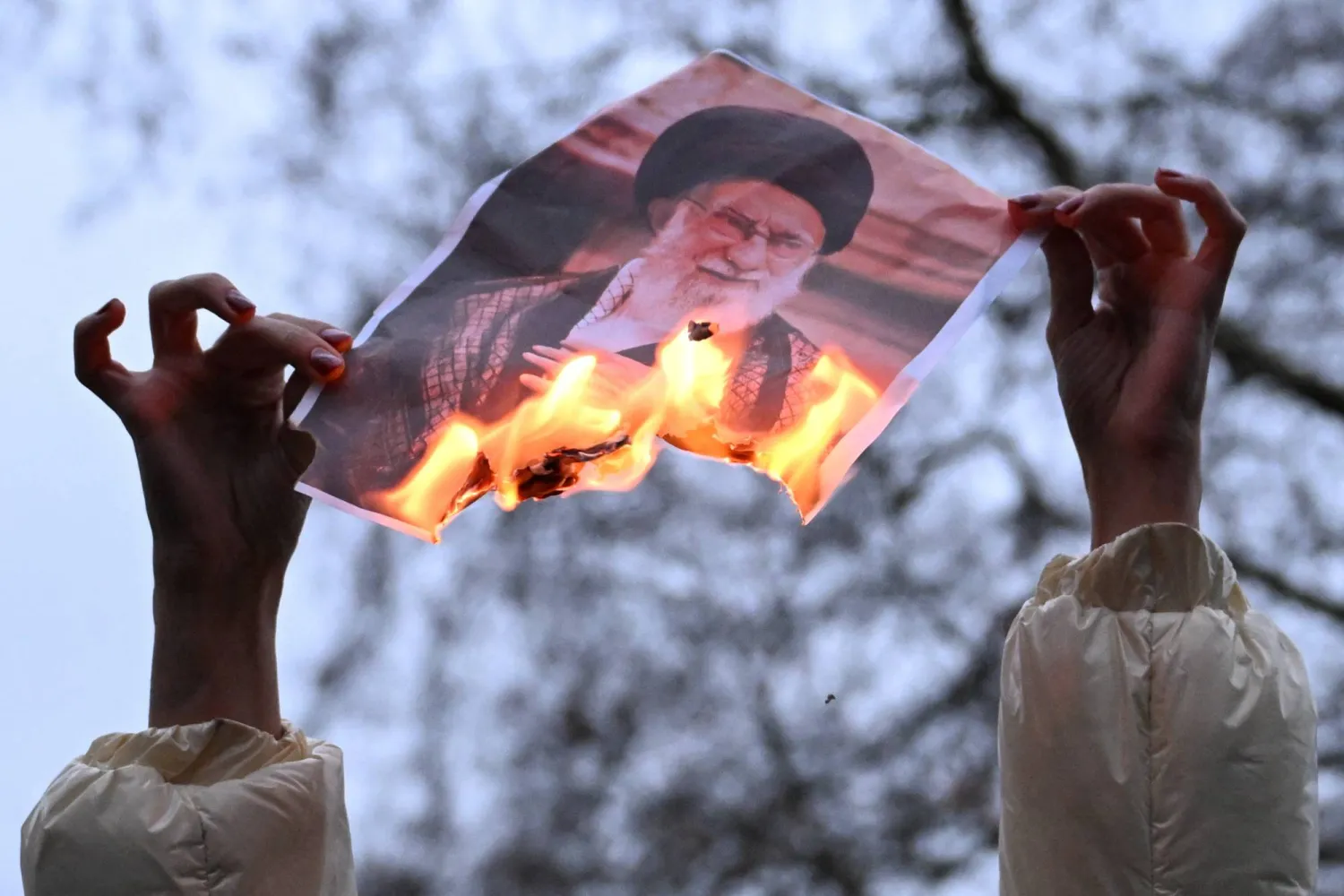
Over the longer term, persistent legal exposure under universal jurisdiction and other extraterritorial tools means that Iran’s protest response is likely to transform from a domestic security issue into a long-term legal, economic, and diplomatic liability for both the state and the individual officials most closely associated with the crackdown.
Conclusion
Iran’s protest crackdown already raises serious concerns of violations of binding obligations under the ICCPR, particularly the right to life and the right to peaceful assembly, as highlighted by UN human rights bodies and independent experts. Reports of security forces using live ammunition, metal pellets, and other lethal means against largely peaceful demonstrators, alongside mass arrests and attacks on medical facilities, point to a pattern that is difficult to reconcile with international standards on necessity and proportionality in the use of force.
If further evidence confirms that these killings and acts of repression were widespread, systematic, and carried out pursuant to, or with the support of, state policy, the situation could meet the legal threshold for crimes against humanity under customary international law, consistent with earlier UN fact-finding conclusions regarding prior protest cycles in Iran. This pattern mirrors earlier international scrutiny, including cases in which UN human rights groups issued warnings over Iran’s use of lethal force and called for sustained monitoring and accountability
International legal accountability in this context is best understood as a long-term process rather than a single prosecutorial event. UN fact-finding missions, treaty bodies, and Special Rapporteurs are already consolidating and preserving evidence, while bar associations, NGOs, and survivor groups are actively calling for coordinated international justice strategies, including sanctions, referrals, and universal jurisdiction cases.
Even if immediate prosecutions are not feasible, sustained documentation, mounting institutional scrutiny, and the growing practice of national courts exercising universal jurisdiction mean that the legal, economic, and diplomatic consequences of Iran’s protest response are likely to endure for years, shaping the future exposure of both the state and individual officials implicated in serious violations.
Frequently Asked Questions
Is Iran violating international law by using lethal force against protesters?
International law allows lethal force only when strictly necessary to protect life. Reports of live ammunition used against unarmed protesters raise serious ICCPR concerns.
Does the ICCPR apply during protests or emergencies?
Yes. ICCPR obligations apply at all times, including emergencies, with only very limited exceptions.
Is the situation in Iran legally genocide?
No. Genocide requires intent to destroy a protected group. However, the conduct may still constitute crimes against humanity.
Can Iranian officials face prosecution abroad?
Why is the internet shutdown legally important?
Internet shutdowns may violate freedom of expression and are often treated as evidence of concealment of abuses.