
A comprehensive legal analysis of natural resource management in 2026, outlining key conservation principles, regulatory frameworks, and how laws are enforced across jurisdictions.
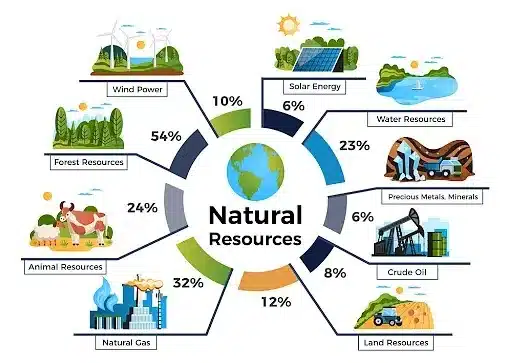
Natural resource management laws in 2026 are increasingly shaped by international conservation principles and cross-border regulatory cooperation. As environmental pressures intensify, governments are aligning domestic policies with global legal frameworks to manage land, water, minerals, forests, and biodiversity more sustainably. This guide explains the key conservation principles underpinning natural resource management and the international and national laws used to enforce them.
Natural resource management operates through complex legal frameworks designed to balance conservation, sustainable resource use, and economic development. These frameworks establish binding conservation principles, sustainable-use standards, and regulatory compliance mechanisms that protect forests, wildlife, water, soil, and biodiversity at national and international levels.
As N-LAWS observes:
“Conservation laws represent humanity’s legal commitment to protecting the natural world upon which all life depends.”
Governments around the world are refining regulations in response to environmental pressures, climate change, and international treaty obligations. For example, in November 2025, the United States Department of the Interior proposed four rules revising Endangered Species Act regulations, aiming to:
“remove regulatory barriers while preserving core conservation commitments.”
Similar adjustments are ongoing globally, aligning domestic legal frameworks with international biodiversity goals. This guide examines the core principles of natural resource management, the global and national legal frameworks governing conservation, and the regulatory mechanisms enforcing compliance in 2026.
Core Principles of Natural Resource Management
Natural resource management is grounded in internationally recognized legal and policy principles guiding sustainable use, conservation, and protection for current and future generations.
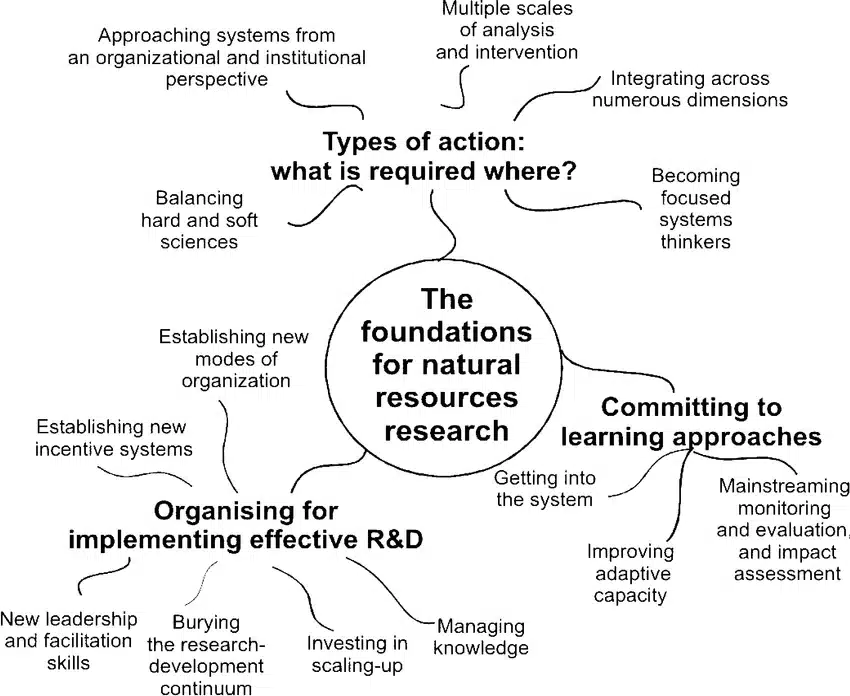
US Forest Service identifies the Multiple Use Sustained Yield Act of 1960 as:
“addressing the establishment and administration of national forests to provide for multiple use and sustained yield of products and services, including recreation, range, timber, watershed, and wildlife and fish purposes.”
Sustainable Use and Yield Principles
Sustainable use ensures resource extraction does not exceed regeneration capacity. Key elements include:
- Harvest rates aligned with natural renewal cycles
- Maintaining long-term ecosystem productivity
- Scientific monitoring and data collection
- Adaptive management responding to environmental change
- Multi-decade planning horizons
These principles underpin laws in forestry, fisheries, water management, and mineral extraction worldwide.
Multiple-Use Resource Management
Many resources serve competing societal needs. Multiple-use frameworks balance these demands:
- Recreation and tourism
- Timber, grazing, and agriculture
- Wildlife habitat and biodiversity conservation
- Watershed and soil protection
- Energy and mineral development where appropriate
This approach is central to national forests, protected landscapes, and regional land-use planning systems globally.
Conservation vs Preservation
Environmental law distinguishes between:
- Conservation: Sustainable use while maintaining long-term ecological productivity
- Preservation: Complete protection prohibiting consumptive activities
Protected areas, wilderness designations, and biodiversity reserves often combine both approaches depending on ecological sensitivity and legal objectives.
Wilderness.net explains that the Wilderness Act established the National Wilderness Preservation System:
“composed of federally owned areas designated by Congress where lands are administered for the use and enjoyment of the American people in such manner as will leave them unimpaired for future use as wilderness.”
Ecosystem-Based and Landscape-Scale Management
Modern laws increasingly adopt ecosystem-based management over species-specific approaches:
- Protecting ecological processes and functions
- Conserving biodiversity at genetic, species, and ecosystem levels
- Recognizing interdependence among habitats
- Implementing landscape-scale planning across political boundaries
- Building resilience against environmental and climate change
Public Trust Doctrine
Many legal systems recognize natural resources as held in trust for the public. Under this doctrine, governments must manage resources to serve societal interests rather than narrow private gain.
Global Conservation Laws
Natural resource management extends beyond national borders, guided by international treaties and regional agreements.
Convention on Biological Diversity (CBD)
The CBD is the central framework for global biodiversity protection. In 2025, parties implemented the Kunming-Montreal Global Biodiversity Framework, establishing:
- Biodiversity finance mechanisms
- Standardized indicators for monitoring progress
- Guidelines for equitable benefit-sharing
N-LAWS reports that
“COP 16’s successful conclusion in 2025 established biodiversity finance mechanisms and full set of indicators to measure progress toward Framework goals under the Kunming-Montreal Global Biodiversity Framework.”
CITES: Wildlife Trade Regulation
The Convention on International Trade in Endangered Species of Wild Fauna and Flora (CITES) ensures legal, traceable, and sustainable trade in wildlife and plants. According to US Fish & Wildlife Service, cited by N-LAWS:
“CITES is a global treaty to ensure international trade in wild plants and animals is legal, traceable, and biologically sustainable, with 185 Parties.”
CITES protects over 40,900 endangered species, about 6,610 species of animals and 34,310 species of plants.
Regional and Transboundary Agreements
Bilateral and multilateral frameworks address:
- Migratory species crossing borders
- Shared water resources management
- Transboundary protected areas
- Technology and knowledge transfer
- Financial and technical assistance to developing countries
These agreements are increasingly critical as climate change alters species ranges and resource availability.
National Conservation Laws and Frameworks
Endangered Species Protection
Species protection laws are enforced nationally with reference to international commitments:
The Endangered Species Act (USA)
The ESA provides the strongest federal protection for imperiled species. Strong federal protections are credited with preventing extinction for 99% of listed species. 2025–26 updates include species-specific rules replacing blanket protections. Also, critical habitat designation now considers economic, security, and ecological factors.
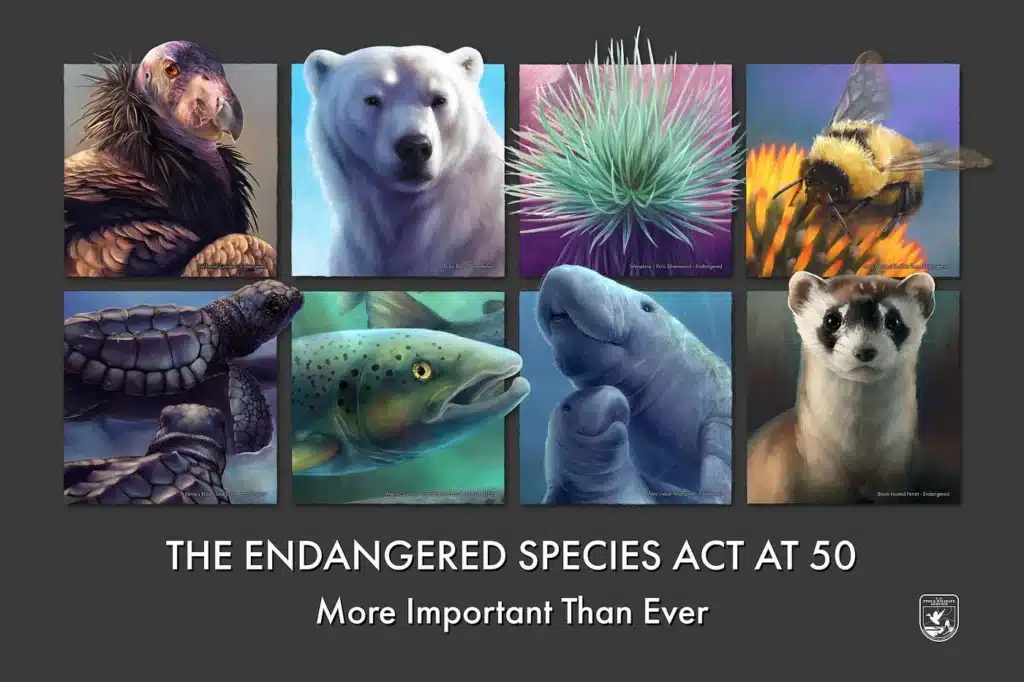
Key ESA provisions include:
- Listing threatened and endangered species
- Designating critical habitats
- Section 7 consultation for federal actions
- Section 9 prohibitions on take (harass, harm, capture)
- Recovery planning and habitat conservation on private lands
Four Paws reports that the ESA has been:
“credited with saving 99% of listed species from extinction thanks to collaborative actions of federal agencies, state, local and Tribal governments, conservation organizations and private citizens.”
Forest and Rangeland Management Laws
National forest and rangeland laws incorporate:
- Multiple-use and sustainable yield principles
- Long-term ecosystem and watershed protection
- Public participation in planning and monitoring
Weeks Act (1911)
Federal land acquisition to protect watershed headwaters. It permits the federal government to purchase private land to protect headwaters of rivers and watersheds in the eastern U.S. and is considered one of the most successful pieces of conservation legislation in U.S. history.
National Forest Management Act (1976)
Forest plans integrating biodiversity, watershed, and recreation. it requires forest plans based on multiple-use sustained yield principles, biological diversity maintenance, and watershed protection standards, including public participation.
Forest and Rangeland Renewable Resources Planning Act
Requires assessment, monitoring, and periodic Congressional reporting. It recognizes that the management of a nation’s renewable resources is very complex and changes with time, requiring assessment, planning, and monitoring with periodic Congressional reporting.
Wildlife Conservation Laws
Wildlife legislation regulates hunting, trade, and habitat protection:
Migratory Bird Treaty Act (1918)
Regulates migratory bird protection across international boundaries. Widened through international conventions with Canada, Mexico, Russia, and Japan. Under the Act, taking, killing, disturbing nests, and possessing migratory birds is highly regulated.
Pittman-Robertson Act
Excise taxes fund wildlife research and habitat restoration. Established excise tax on firearms and ammunition, with funds distributed to states for wildlife research, management, and habitat protection. Species such as white-tailed deer, wild turkey, and wood ducks are shining examples of restoration supported by the legislation.
National Wildlife Refuge System Acts
Manage over 95 million acres across 556 refuges. Provides authority, guidelines, and directives for the Fish and Wildlife Service to improve the National Wildlife Refuge System, managing more than 95 million acres within 556 National Wildlife Refuges.
Land, Water, and Soil Protection
Land and Water Conservation Fund (LWCF)
Funds conservation projects from offshore oil revenues. NCWF explains that:
LWCF directs $900 million annually from offshore oil drilling revenues to pay for conservation projects in national parks and forests, fish and wildlife refuges, local parks, and other public lands.”
Bankhead-Jones Farm Tenant Act (1937)
Corrects maladjustments in land use, including soil erosion control. It directs the Secretary of Agriculture to develop a program of land conservation and utilization to correct maladjustments in land use, including soil erosion control, reforestation, and fish and wildlife protection.
Clean Water Act
The Clean Water Act is a foundational U.S. environmental statute aimed at restoring and maintaining the chemical, physical, and biological integrity of the nation’s waters. It also empowers federal and state agencies to enforce compliance, monitor water quality, and implement remediation measures against industrial, municipal, and agricultural pollution.
Soil Conservation and Domestic Allotment Act (1936)
Enacted to address severe soil erosion and agricultural instability during the Dust Bowl era. The Act authorizes federal programs promoting soil conservation practices, crop rotation, and land-use planning to preserve soil fertility and prevent land degradation.
Conservation Reserve Program
Voluntary federal initiative that compensates farmers and landowners for removing environmentally sensitive land from agricultural production. The program aims to reduce soil erosion, improve water quality, and enhance biodiversity.
International Treaties vs Corresponding National Laws by Region (2026)
Table: International Treaties vs Corresponding National Laws by Region (2026)
| International Treaty / Agreement | USA | European Union | Asia | Africa | Key Conservation Focus |
|---|---|---|---|---|---|
| Convention on Biological Diversity (CBD) | Endangered Species Act, National Forest Management Act | EU Biodiversity Strategy 2030, Habitats Directive | India: Wildlife Protection Act; Japan: Nature Conservation Act | South Africa: National Environmental Management: Biodiversity Act | National implementation of biodiversity targets; species and habitat protection |
| CITES (Wildlife Trade) | ESA Section 9, Lacey Act | EU Wildlife Trade Regulations | China: Wildlife Protection Law; Thailand: Wild Animal Conservation Act | Kenya: Wildlife Conservation and Management Act | Regulates trade in endangered species; permits and enforcement |
| Ramsar Convention (Wetlands) | Clean Water Act, National Wildlife Refuge System | EU Water Framework Directive | Japan: Act on Conservation of Wetlands; India: Wetlands (Conservation and Management) Rules | South Africa: National Water Act | Wetland conservation; sustainable water and ecosystem management |
| UN Watercourses Convention | Clean Water Act, Rivers and Harbors Act | EU Water Framework Directive | China: Water Law; India: River Boards Act | Egypt: Nile Water Law; South Africa: National Water Act | Transboundary water management; pollution control; equitable use |
| UNFCCC & Paris Agreement | Clean Air Act amendments, Climate Action Plan | EU Emissions Trading System, Renewable Energy Directive | Japan: Act on Promotion of Global Warming Countermeasures; India: Energy Conservation Act | South Africa: Carbon Tax Act; Kenya: Climate Change Act | Climate change adaptation, ecosystem resilience, emission reduction |
| UN Forum on Forests / REDD+ | National Forest Management Act, Forest and Rangeland Renewable Resources Planning Act | EU Forest Strategy, Natura 2000 | Indonesia: Forest Law; Malaysia: National Forestry Act | Democratic Republic of Congo: Forest Code; Ghana: Forest and Wildlife Policy | Sustainable forest management; deforestation prevention; carbon sequestration |
| World Heritage Sites / UNESCO | National Historic Preservation Act, National Parks Acts | EU Natura 2000 network, Protected Areas directives | Japan: Cultural Properties Protection Act; India: Ancient Monuments and Archaeological Sites Act | South Africa: National Heritage Resources Act | Protected areas for cultural and ecological conservation |
Regulatory Compliance Mechanism
Effective enforcement requires robust legal frameworks.
Permits, Monitoring, and Reporting
Resource use activities require permits specifying:
- Authorized activities and limitations
- Mitigation measures minimizing impacts
- Monitoring and reporting obligations
- Financial assurance for restoration
- Adaptive management provisions
Permit holders must:
- Conduct biological monitoring assessing species populations
- Report compliance with permit conditions
- Document mitigation measure effectiveness
- Provide annual summaries to agencies
- Maintain records for inspection
Environmental Impact Assessment (EIA)
NEPA-style frameworks require assessments of environmental impacts (EIA), alternatives, and public participation, and support informed decision-making and cumulative impact analysis. US Forest Service notes that:
“NEPA set forth a bold new vision for America, requiring federal agencies to foster and promote general welfare, create and maintain conditions under which man and nature can exist in productive harmony.”
NEPA requires:
- Environmental Assessments for moderate impacts
- Environmental Impact Statements for significant impacts
- Analysis of alternatives including no-action
- Public participation and comment periods
- Consideration of cumulative impacts
Enforcement and Citizen Oversight
Agencies employ escalating enforcement:
- Warning letters for minor violations
- Administrative orders requiring corrective action
- Civil penalties for continued non-compliance
- Criminal prosecution for knowing violations
- Permit suspension or revocation
Conservation statutes authorize private enforcement, allowing citizens to:
- Sue violators after providing 60-day notice
- Sue agencies for failure to perform mandatory duties
- Recover attorney fees if prevailing
- Obtain injunctive relief preventing harm
Funding and Policy Support
Public Funding Mechanisms
Effective conservation requires adequate funding and sustainable policy frameworks, e.g., America’s Wildlife Habitat Conservation Act allocates up to $300 million annually for species recovery. Congress.gov details H.R.7408, establishing the Wildlife Habitat Conservation and Restoration Subaccount, allocating not more than $300,000,000 for each of fiscal years 2025 through 2029 for:
- Recovering threatened and endangered species
- Preventing need to list additional species
- Restoring habitat on state, tribal, federal, and private lands
- Requiring 15% minimum spending for endangered species recovery
Public-Private Partnerships
Conservation increasingly relies on collaborative approaches:
- Landowner incentive programs
- Conservation easements protecting private lands
- Cooperative agreements with NGOs
- Corporate sustainability commitments
- Community-based conservation initiatives
Adaptive Management
Modern resource policies incorporate:
- Regular monitoring of resource conditions
- Scientific research informing management
- Periodic plan revisions based on new information
- Stakeholder engagement in decision-making
- Flexibility responding to changing conditions
Emerging Challenges
Natural resource management faces evolving pressures requiring adaptive responses.
Climate Change Adaptation
Conservation strategies must address:
- Shifting species ranges and habitats
- Altered hydrology and fire regimes
- Increased extreme weather events
- Ecosystem transformation and novel assemblages
- Assisted migration and translocation decisions
Regulatory Uncertainty
The 2025 deregulatory agenda creates challenges, including the proposed rescission of conservation rules and reduced federal protections, potentially shifting:
- Deregulatory trends shift responsibility to states or local authorities
- Varying capacity and commitment across jurisdictions
Technological Innovation
Advances enabling improved management:
- Remote sensing monitoring large landscapes
- eDNA detecting species presence
- Artificial intelligence analyzing wildlife cameras
- Satellite tracking following animal movements
- Drones surveying difficult terrain
Conclusion
Natural resource management in 2026 relies on a combination of legal frameworks, conservation principles, and international cooperation. Core principles such as sustainable yield, multiple use, ecosystem-based management, and the public trust doctrine ensure forests, wildlife, water, and soil are protected while supporting human development. National laws like the Endangered Species Act in the U.S., the EU Habitats Directive, India’s Wildlife Protection Act, and South Africa’s Biodiversity Act translate these principles into actionable conservation measures tailored to regional contexts.
International treaties complement national efforts by providing coordinated approaches to biodiversity, trade, water, and climate. The CBD sets global biodiversity targets, CITES regulates wildlife trade, and the Ramsar Convention safeguards wetlands, while agreements like UN Watercourses and the Paris Agreement integrate sustainable resource management with climate adaptation. Effective enforcement, monitoring, and funding programs such as the Land and Water Conservation Fund and public-private partnerships ensure these laws and treaties have measurable ecological impacts, demonstrated by species recoveries and protected habitat networks worldwide.
Looking ahead, challenges like climate change, technological advancement, and regulatory uncertainty demand adaptive strategies. Leveraging tools like remote sensing, AI monitoring, and satellite tracking, alongside inclusive governance involving local communities and indigenous peoples, is critical to sustaining natural resources. By combining strong legal frameworks with innovation, collaboration, and adequate funding, nations can safeguard biodiversity, maintain ecosystem services, and achieve long-term sustainable resource management in an increasingly complex global environment.
Frequently Asked Questions
What are the core principles of natural resource management?
Key principles include sustainable yield, multiple use, conservation versus preservation, ecosystem-based management, and the public trust doctrine, ensuring long-term resource protection and availability.
How does the Endangered Species Act regulate resource use?
The ESA protects listed species through habitat designation, take prohibitions, federal agency consultation, and recovery planning. In 2025, species-specific rules replace blanket protections to tailor conservation needs.
Which laws govern forests, wildlife, water, and soil?
Major statutes include the National Forest Management Act, Migratory Bird Treaty Act, Clean Water Act, Soil Conservation Act, and Land and Water Conservation Fund, covering land, water, and wildlife protection.
What compliance mechanisms ensure conservation law enforcement?
Compliance relies on permits, NEPA environmental reviews, monitoring, reporting, enforcement actions, and citizen suit provisions allowing public legal challenges to violations.
How is conservation funded and supported in 2025?
Funding comes from programs like LWCF, NRCS conservation programs, and proposed legislation such as America’s Wildlife Habitat Conservation Act, alongside public-private partnerships and adaptive management strategies.