
This definitive legal guide explains the major conservation laws globally, from international treaties to national legislation, helping you understand how these laws protect our natural environment.
Conservation laws represent the critical legal frameworks protecting Earth’s biodiversity, ecosystems, and natural resources from exploitation and destruction. By setting boundaries on human activities such as land development, wildlife harvesting, pollution, and resource extraction, these laws help maintain ecological balance and protect vulnerable species and habitats. They provide governments and communities with the tools to regulate environmental impacts, enforce sustainable practices, and ensure that natural systems can continue to support life for generations to come.
What Are Conservation Laws?
Conservation laws are legal rules, treaties, and regulations designed to protect natural resources, including forests, wildlife, oceans, air quality, and biodiversity. These laws balance human use of nature with long-term ecological sustainability, ensuring future generations inherit a livable planet.
Conservation laws regulate:
- Protected areas like national parks and wildlife reserves
- Endangered species trade and protection
- Pollution control and land use practices
- Deforestation prevention and sustainable resource management
- Habitat preservation and ecosystem restoration
According to Wikipedia:
“The Convention on Biological Diversity has three main goals: the conservation of biological diversity (or biodiversity); the sustainable use of its components; and the fair and equitable sharing of benefits arising from genetic resources.”

Why Conservation Laws Matter More Than Ever in 2025
The urgency of conservation law has reached unprecedented levels. According to Institute of Sustainability Studies:
“The Kunming-Montreal Framework sets ambitious global targets to halt and reverse biodiversity loss by 2030.”
This includes commitments to designate at least 30% of global land and sea as protected areas known as the “30 by 30” initiative.
Biodiversity Crisis: Species extinction rates have accelerated dramatically, with the World Economic Forum reporting critical biodiversity loss across all ecosystems.
Climate Connection: CBD statements emphasize that:
“Biodiversity lies at the very foundation of the world’s food security, nutrition and resilience.”
This makes conservation law essential for human survival.
Economic Integration: Corporate ESG (Environmental, Social, Governance) compliance now includes biodiversity impact disclosure, making conservation law directly relevant to business operations and investment decisions.
Legal Accountability: Conservation is no longer merely ecological; it has become a legal and economic obligation enforceable through national laws and international treaties.
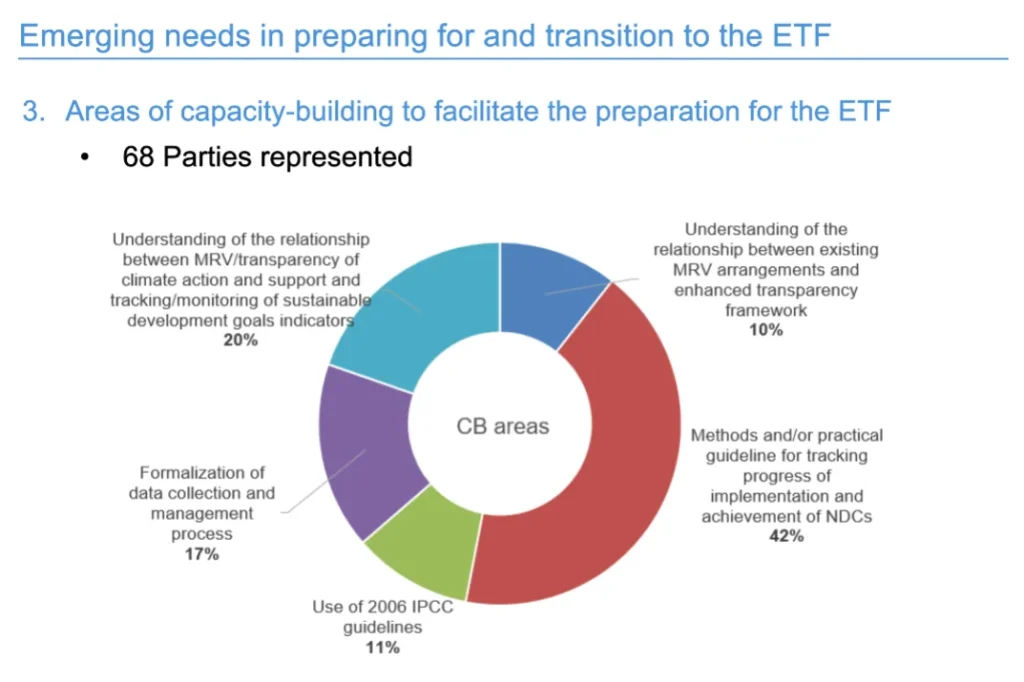
Source: IISD Earth Negotiations Bulletin – CBD
Major International Conservation Treaties
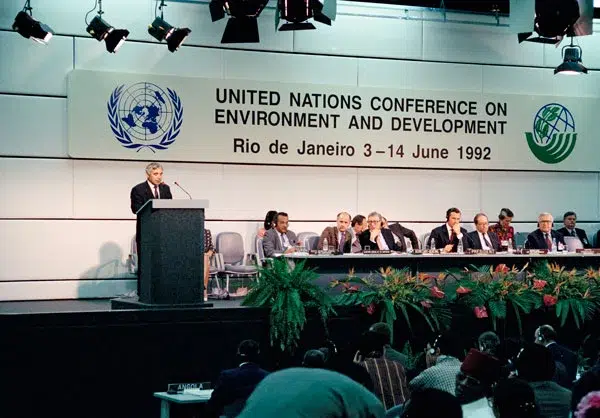
Convention on Biological Diversity (CBD) – 1992
The CBD represents the cornerstone international treaty for biodiversity protection.
UN explains that:
“The Convention on Biological Diversity covers biodiversity at all levels: ecosystems, species and genetic resources. It also covers biotechnology, including through the Cartagena Protocol on Biosafety.”
With 196 Parties, the CBD creates binding obligations for member states to:
- Conserve biological diversity
- Promote sustainable use of natural resources
- Ensure fair and equitable sharing of benefits from genetic resources
Protocols and Frameworks
Cartagena and Nagoya Protocol on Biosafety
Wikipedia reports that the Cartagena Protocol on Biosafety (2000):
“Addresses the safe transfer, handling, and use of living modified organisms (LMOs)”
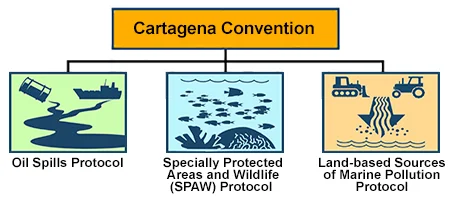
While the Nagoya Protocol (2010):
“Provides a transparent legal framework for the effective implementation of benefit-sharing from genetic resources.”

The Kunming-Montreal Global Biodiversity Framework
KMGBF was adopted during the fifteenth meeting of the Conference of the Parties (COP 15) following a four-year consultation and negotiation process. This historic Framework, which supports the achievement of the Sustainable Development Goals and builds on the Convention’s previous Strategic Plans, sets out an ambitious pathway to reach the global vision of a world living in harmony with nature by 2050.
According to IWGIA:
“The Kunming-Montreal Global Biodiversity Framework (KMGBF) consists of four long-term Goals to be achieved by 2050 and 23 action-oriented Targets to be completed by 2030”
This is achieved with the overarching purpose of :
“Halting and reversing the ongoing global loss of biodiversity by 2030.”
CBD reports that:
“COP 16’s successful conclusion in 2025 established biodiversity finance mechanisms and a full set of indicators to measure progress toward Framework goals.”
Convention on International Trade in Endangered Species (1973)
CITES protects endangered species by regulating international trade. According to U.S. Fish & Wildlife Service:
“CITES is a global treaty to ensure international trade in wild plants and animals is legal, traceable, and biologically sustainable, with 185 Parties including 184 countries and the European Union.”
How CITES Works
European Commission explains that:
“CITES protects over 40,900 endangered species, about 6,610 species of animals and 34,310 species of plants.”
This is achieved through these three appendices:
- Appendix I: Species threatened with extinction; trade permitted only in exceptional circumstances
- Appendix II: Species requiring trade controls to prevent unsustainable use
- Appendix III: Species protected in at least one country seeking international cooperation
CITES press release from February 2025 states that:
“For the past 50 years, CITES has played a unique role in wildlife conservation by regulating wildlife trade, ensuring compliance through effective enforcement.”
The 20th Conference of the Parties (CoP20) scheduled for November 24-December 5, 2025, in Samarkand, Uzbekistan, will mark CITES’ 50th anniversary. Happy Eco News reports that:
“184 countries will convene to strengthen wildlife trade laws and focus on endangered species protection, enforcement tools, and sustainable use of biodiversity.”
Other Critical International Treaties
Ramsar Convention (1971): Protects wetlands of international importance, recognizing wetlands’ critical role in biodiversity, water regulation, and climate mitigation.
World Heritage Convention (1972): Safeguards cultural and natural heritage sites of outstanding universal value.
Convention on Migratory Species (CMS, 1979): Protects migratory wildlife species crossing international boundaries, requiring cooperation among range states.
UN Convention to Combat Desertification (UNCCD, 1994): Addresses land degradation and desertification affecting arid regions globally.
Regional and National Conservation Laws
United States Conservation Framework
Endangered Species Act (ESA, 1973): America’s cornerstone species protection law. NOAA Fisheries explains that:
“The Endangered Species Act designates the U.S. Fish and Wildlife Service to carry out CITES provisions domestically.”
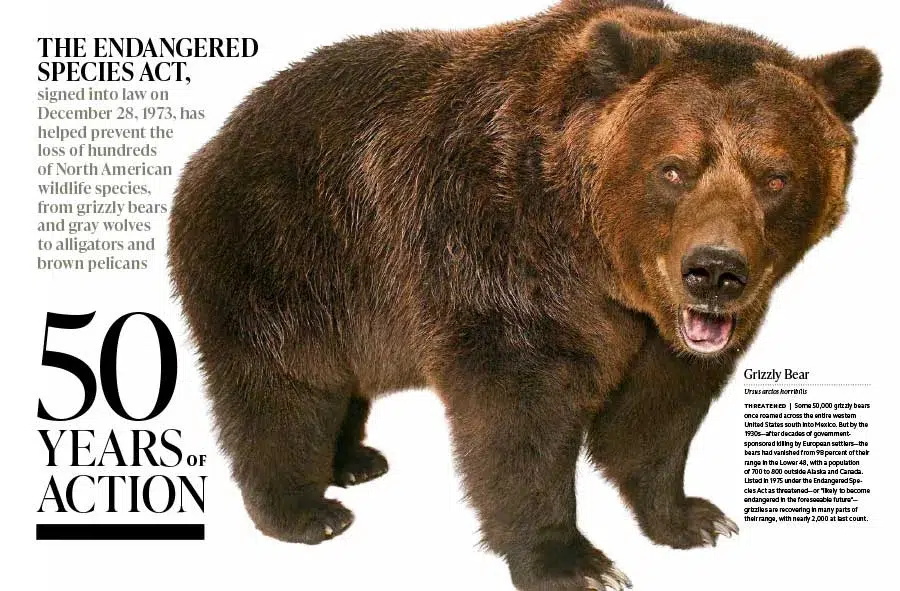
National Environmental Policy Act (NEPA, 1969): Requires environmental impact assessments for major federal actions, ensuring decision-makers consider environmental consequences.
Lacey Act (1900, amended): Prohibits illegal wildlife trade, making it unlawful to import, export, transport, sell, receive, or acquire wildlife taken in violation of any law.
Marine Mammal Protection Act (1972): Protects marine mammals with prohibitions on taking and importing marine mammals and their products.
European Union Conservation Legislation
EU Habitats Directive (1992): Creates Natura 2000 network of protected areas across EU member states, protecting endangered habitats and species.
EU Birds Directive (1979): Protects all naturally occurring wild bird species in Europe, designating Special Protection Areas (SPAs).
EU Biodiversity Strategy 2030: Establishes legally binding restoration targets requiring member states to restore degraded ecosystems and increase protected areas to 30% of land and sea.
Nature Restoration Law (2024): Mandates ecosystem restoration across EU territories with specific targets and timelines.
United Kingdom Post-Brexit Framework
Wildlife and Countryside Act (1981): Regulates species and habitat protection throughout the UK.
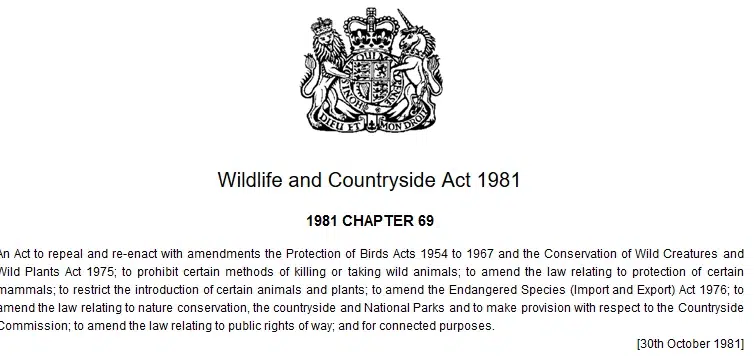
Environment Act (2021): Introduces biodiversity net gain requirements, mandating that development projects deliver at least 10% biodiversity improvement.
JNCC notes that:
“The UK ratified CITES in August 1976 and will continue to be a Party to CITES post-Brexit, implementing wildlife trade regulations domestically.”
India’s Conservation Legal System
Wildlife Protection Act (1972): Creates national parks and wildlife sanctuaries, establishing schedules protecting species with varying degrees of protection and penalties for violations.
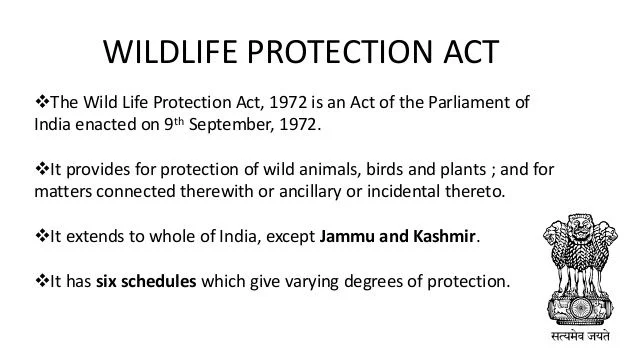
Forest Conservation Act (1980): Regulates forest use and restricts deforestation, requiring central government approval for diverting forest land to non-forest purposes.
Biological Diversity Act (2002): Aligns with CBD commitments, regulating access to biological resources and associated traditional knowledge.
Other National Frameworks
Brazil – Forest Code: Mandates legal reserves in the Amazon, requiring landowners to maintain specified percentages of native vegetation.
Australia – Environment Protection and Biodiversity Conservation Act (EPBC): Federal law protecting matters of national environmental significance.
Kenya – Wildlife Conservation and Management Act (2013): Modernizes wildlife protection with enhanced penalties and community involvement provisions.
China – Wildlife Protection Law (revised 2021): Integrates conservation with climate law, strengthening protection for endangered species and habitat.
Legal Tools and Enforcement Mechanisms
Conservation law employs diverse legal instruments to achieve protection goals:
Protected Area Designation
Legal frameworks establish national parks, wildlife sanctuaries, marine protected areas, and wilderness areas with specific use restrictions and management requirements.
Permitting Systems
Licensing requirements for hunting, fishing, land use, resource extraction, and wildlife trade ensure sustainable practices.
CITES operates through:
“A system of permits and certificates authorizing trade in listed species.”
Environmental Impact Assessments (EIA)
Mandatory reviews before major projects prevent or mitigate environmental damage. NEPA in the US and similar laws globally require proponents to assess and disclose environmental consequences.
Criminal Penalties
JNCC states that:
“Parties to CITES are required to enact national legislation to enable confiscation of illegal specimens, to levy penalties for illegal trade.”
Violations can result in substantial fines and imprisonment.
Community Rights Recognition
Modern conservation laws increasingly recognize indigenous and local community rights.
IWGIA emphasizes that:
“The KMGBF acknowledges in an unprecedented manner the important contributions and roles of Indigenous Peoples in the conservation and sustainable use of biodiversity.”
Compliance Monitoring and Enforcement
Conservation success depends on effective enforcement.
CITES Secretariat suggest that:
“Standing Committee meetings review compliance cases and strengthen enforcement of the Convention, combating and preventing wildlife crime.”
Modern enforcement employs:
- AI-based wildlife monitoring systems
- Drone surveillance for anti-poaching operations
- Blockchain technology for supply chain traceability
- Satellite monitoring of deforestation and habitat change
- INTERPOL’s Environmental Crime Program coordination

Source: NOAA – CITES for Marine Species
Intersection of Conservation and Human Rights
Conservation law increasingly recognizes the inseparable connection between environmental protection and human rights:
Rights of Nature Movement
Courts worldwide are granting legal personhood to ecosystems, rivers, and natural features. Colombia’s Supreme Court recognized the Amazon as a legal person in 2018, establishing rights enforceable by citizens.
Indigenous Rights Integration
The ILO Convention 169 and KMGBF explicitly integrate indigenous rights into conservation frameworks.
CBD states that:
“Implementation includes the empowerment of indigenous peoples and local communities, smallholders and family farmers, women and youth.”
Human Right to Healthy Environment
The UN Human Right to a Healthy Environment, recognized in 2022, influences national legislation globally, establishing environmental quality as a fundamental human right.
Climate Justice and Conservation
Conservation law increasingly addresses climate change impacts on vulnerable communities, recognizing that biodiversity loss and climate change disproportionately affect marginalized populations.
Business Obligations and Corporate Compliance
Businesses face growing legal obligations under conservation frameworks:
Corporate Sustainability Due Diligence Directive (CSDDD): EU law requiring companies to identify, prevent, and mitigate environmental impacts throughout value chains.
Taskforce on Nature-related Financial Disclosures (TNFD): ESG biodiversity reporting standards requiring companies to disclose nature-related risks and dependencies.
Biodiversity Net Gain Requirements: Laws like UK’s Environment Act mandate that development projects deliver measurable biodiversity improvements.
Non-compliance results in financial penalties, trade restrictions, license revocations, and reputational damage affecting market value and stakeholder trust.
Emerging Trends and Future Developments
Conservation law continues evolving to address emerging challenges:
Ecocide Recognition: Campaigns to recognize large-scale environmental destruction as an international crime prosecutable like genocide.
Nature-Positive Economy: Legal frameworks shifting from minimizing harm to requiring positive environmental contributions.
One Health Approach: Integration of human health, animal health, and ecosystem health into unified legal frameworks.
Digital Technologies: AI, satellite monitoring, and blockchain creating new possibilities for compliance verification and enforcement.
Climate-Biodiversity Integration: Unified frameworks addressing interconnected climate and biodiversity crises.
Conclusion
Conservation laws represent humanity’s legal commitment to protecting the natural world upon which all life depends. From the Convention on Biological Diversity’s comprehensive framework to CITES’ species trade regulation to national legislation protecting forests and wildlife, these laws create enforceable obligations for governments, businesses, and individuals.
The Kunming-Montreal Global Biodiversity Framework sets ambitious targets for 2030 and 2050, with COP 16’s 2025 completion establishing mechanisms to achieve these goals. Success requires implementation of these legal frameworks with adequate financing, effective enforcement, and meaningful participation by indigenous peoples and local communities.
As biodiversity loss accelerates and climate change intensifies, conservation law will continue evolving from voluntary protection toward mandatory legal accountability. The coming decade will determine whether we successfully halt and reverse biodiversity loss or allow continued ecosystem collapse threatening human survival.
Understanding conservation law empowers everyone to participate in protecting nature—whether through supporting conservation organizations, ensuring business compliance, advocating for stronger legislation, or exercising rights to participate in environmental decisions. The laws exist; implementation requires collective action at all levels of society.
Glossary
Appendices (CITES): Three lists categorizing species by protection level needed
Biodiversity: Variety of life at ecosystem, species, and genetic levels
Conference of the Parties (COP): Governing body of international environmental conventions
Endangered Species: Species at risk of extinction throughout all or significant portion of range
Genetic Resources: Genetic material of actual or potential value
Habitat: Natural environment where organisms live
National Biodiversity Strategies and Action Plans (NBSAPs): Country-level implementation plans for CBD
Protected Area: Geographic space dedicated to achieving conservation objectives
Sustainable Use: Using biodiversity resources in ways maintaining long-term availability
Traditional Knowledge: Indigenous and local community knowledge about biodiversity
Frequently Asked Questions
What is the main international law for conservation?
The Convention on Biological Diversity (CBD) represents the primary global conservation treaty, with 196 Parties committed to conserving biodiversity, sustainable use, and benefit-sharing.
How does CITES protect endangered species?
CITES regulates international trade through a permit system, with species listed in three appendices based on protection needs. Trade in Appendix I species (threatened with extinction) is permitted only in exceptional circumstances.
What does the 30×30 target mean?
The Kunming-Montreal Global Biodiversity Framework commits parties to protecting at least 30% of global land and sea areas by 2030, creating connected networks of protected areas.
Can businesses be held liable for biodiversity damage?
Yes, increasingly. EU Corporate Sustainability Due Diligence Directive and similar laws require companies to prevent biodiversity harm in operations and supply chains, with penalties for non-compliance.
What role do indigenous peoples play in conservation law?
Modern frameworks explicitly recognize indigenous peoples’ vital role in conservation. The KMGBF includes indigenous rights in multiple targets, requiring respectful partnership in implementation.