
Sleep hygiene can be a vital boost in the mood and energy levels as daylight begins to fade with the clocks returning.
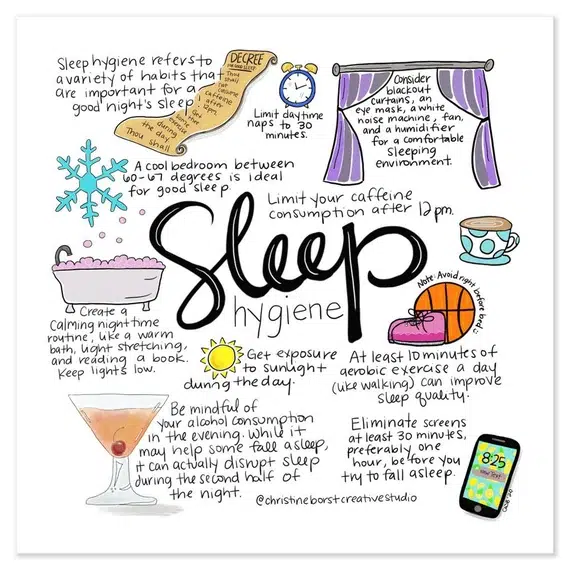
A good night’s sleep acts as protection, saving energy and encouraging resilience through seasonal transitions. I’ve experienced firsthand how paying attention to sleeping habits can help me stay away from the fatigue and mood swings that typically are associated with colder, darker winter months.
What Exactly Is Sleep Hygiene?
The concept “sleep hygiene” was introduced in 1977 by the clinical psychologist Dr. Peter Hauri in The Journal of Clinical Psychiatry. He described daily routines and changes to the environment that can improve the quality of sleep without taking medication. This strategy has changed the way insomnia is treated beyond just medications to include the use of environmental and behavioral methods.
Since then, the importance of sleep hygiene has become a crucial aspect of lifestyle medicine and well-being especially since disturbed sleep patterns caused by screens and busy schedules are becoming more commonplace.
The Impact of Clock Changes on Sleep
The close of British Summer Time on October 26th brings shorter days and darker, drier mornings and, in many cases, a dip in energy. This can alter natural circadian rhythms and lead to a sluggish start, nighttime insomnia, and afternoon fatigue.
Dr. Babak Ashrafi, a GP (member of Superdrug Online Doctor), emphasizes taking advantage of the change in clocks for an occasion to set up the:
“Bedtime ritual for success”
According to him, regular routines for sleeping, a comfortable bed, and staying away from late-night caffeine will significantly enhance the quality of sleep.
Practical Sleep Hygiene Rituals That Work
The routines for bedtime don’t need to be difficult or dependent on costly sleep aids. I have a strict routine for sleep hygiene, which includes the hydration process and scent therapy, and tracking my recovery using the Whoop or Oura Ring, and suffocating noise and light using an eye mask as well as earplugs.
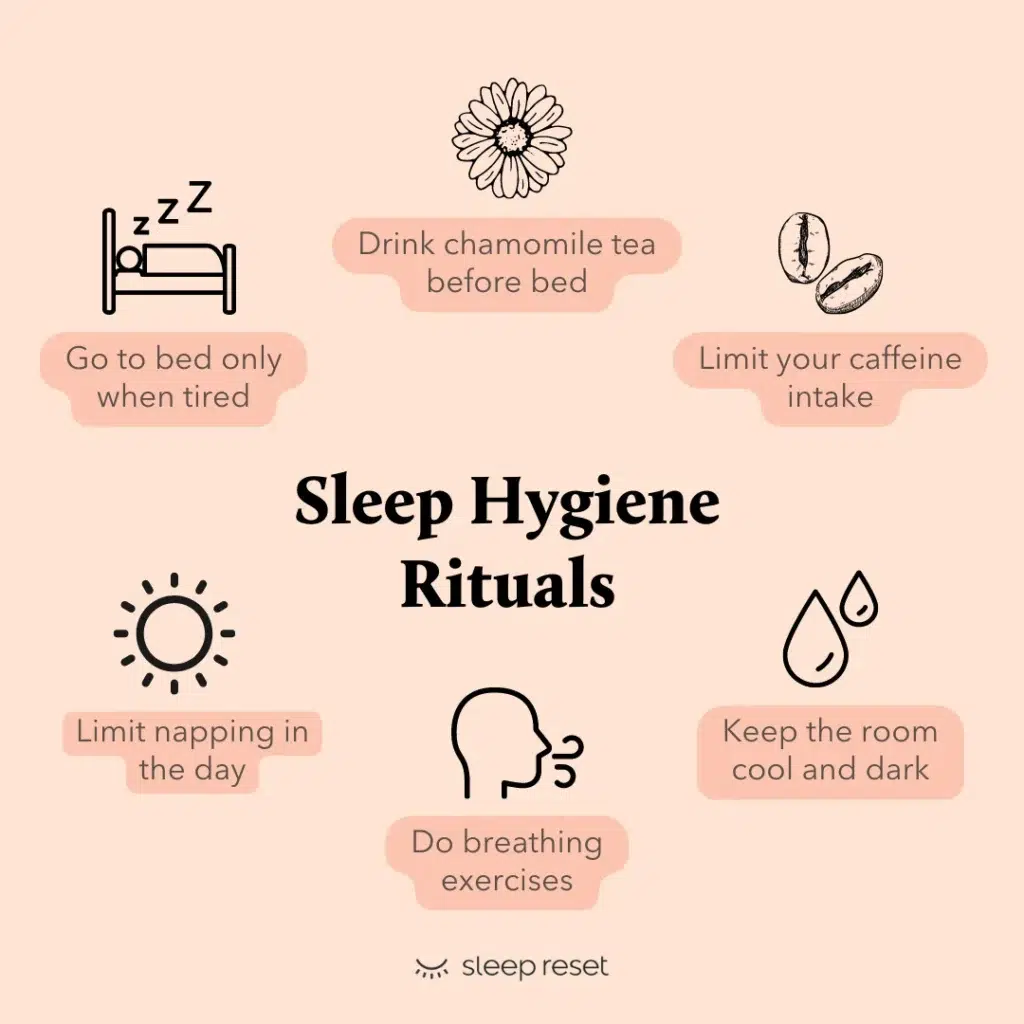
Simple practices of relaxation, like breathing or Yoga Nidra prior to sleeping, can help to create a calm alert to our nervous system that it is time to wind down. Dr. Ashrafi emphasizes that a consistent practice is crucial to better sleep quality.
Essentials of Good Sleep Hygiene: Light and Temperature
Cool, dim setting is conducive to a good night’s sleep. Dr. Ashrafi suggests keeping temperatures between 15 and 19 degrees Celsius, which allows the body’s temperature to fall to allow for a more restful sleep. Darkness stimulates the production of melatonin. crucial for falling asleep and remaining asleep.
From personal experience, I can confirm that natural fibers in bed linens and temperature-controlled mattresses, like Eight Sleep, enhance sleep quality. Temperature regulation is a key factor in the quantity of REM (rapid eye movement) and deep sleep, which are vital for the brain’s function, emotional health, and immune system strength.
Also, controlling the light exposure is crucial. Utilizing devices such as sunrise-simulating alarms or SAD lamps in winter can aid in maintaining cycles of circadian rhythms, reducing the effects of a lack of daylight.
Sleep, Light, and Mood: The Biological Link
The shorter duration of daylight reduces the exposure to natural sunlight, which can disrupt the fundamental biological processes. Harry Jarrett, head of research at Heights, says that reducing light levels lowers serotonin, which makes us less attentive and emotionally balanced, while also increasing the levels of melatonin, which causes fatigue.
This connection between biology and physiology is the reason people feel drowsy and less alert during winter’s dreary days.
How to Build Healthy Sleep Habits
The enticement of screens increases when the evenings get darker However, experts such as Dr. Ashrafi advise that a long period of screen time prior to sleep can disrupt the internal clock. Avoiding exposure to screens prior to bed and engaging in calming activities like meditation or reading will help your body to rest naturally.
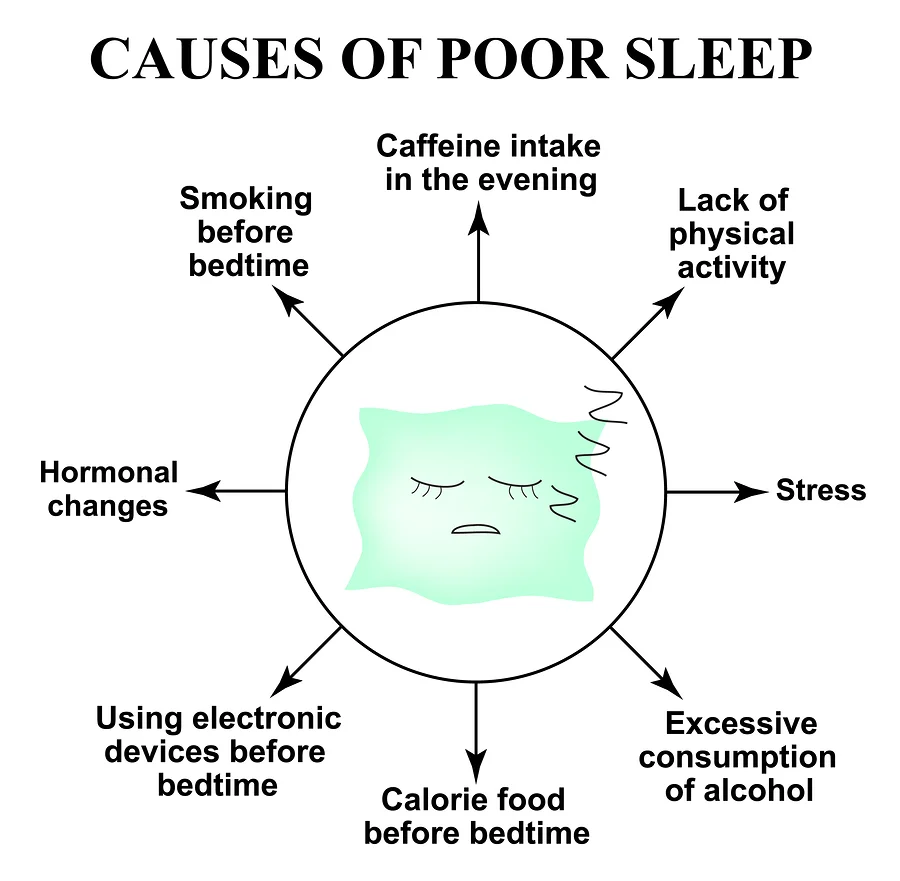
The NHS also recommends removing televisions and smartphones from bedrooms in order to increase the control of stimuli and train the brain to think of sleep as a state instead of awakeness. Recent research supports this. A 2025 JAMA Network Open study found that using screens before bed reduces and decreases the quality of sleep, particularly for night owls.
Managing Nighttime Wakefulness Without Screens
If you awake in the night, you should avoid using your phone. Blue light stifles melatonin and makes it more difficult to fall asleep. Instead, you should engage in the most relaxing, low-light activities like listening to a book or music until you are able to fall asleep.
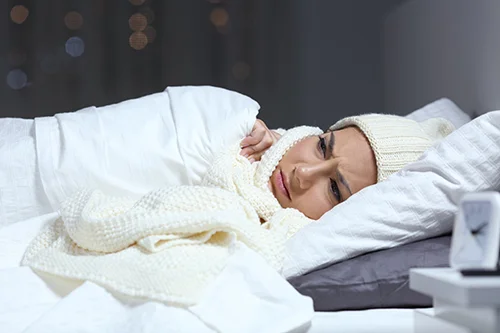
Sleep researcher Greg Potter highlights the clock change as a great moment to reset your bedtime routine rather than just getting an extra hour of sleep. Making sure your schedule is in line with your body’s rhythm could make it easier to transition into winter.
Chronotypes and Personalized Sleep Hygiene
Knowing your chronotype, whether you’re a morning lark or a night owl, helps you tailor your sleep hygiene methods to your particular biology. Sleep scientists recognize that there are variations in the optimal times for sleep and durations.
Consistency in wake and sleep timings is the most important factor. Recent studies linked irregular schedules for sleep to lower sleep quality as well as an increase in “social jetlag.” Sleep monitors often verify the benefits of regular routines.
Combining Habits for Long-Term Wellness
Harry Jarrett recommends a holistic method:
“Prioritise natural light, strengthen sleep hygiene, and fuel your brain properly.”
Inculcating these habits can help to maintain mental vigor and emotional strength in the darkest months.
A healthy sleep routine isn’t about luxury products or perfect results. It’s about creating an ideal environment for restorative relaxation and ensuring that you stick to it regularly.
Establishing these habits now will improve mood and energy even after the winter months.