
YouTube implements new changes to comply with Australia’s teen safety laws, introducing stricter controls and updated protections aimed at reducing underage access and improving platform oversight.
YouTube is moving to comply with Australia’s new teen social media restrictions, confirming that users under 16 will be signed out of their accounts from 10 December 2025. The change follows months of lobbying to remain exempt from the rules and marks a major shift for millions of Australian teens who use the platform daily.
New Age Limits And What Changes For Teens
Australian users under 16 are now seeing in‑app alerts warning that their accounts will be locked when the country’s social media Minimum Age Act comes into force. In practical terms, that means they’ll be automatically signed out, with no ability to log in, subscribe, like, comment, upload videos or access their channels and monetization tools.
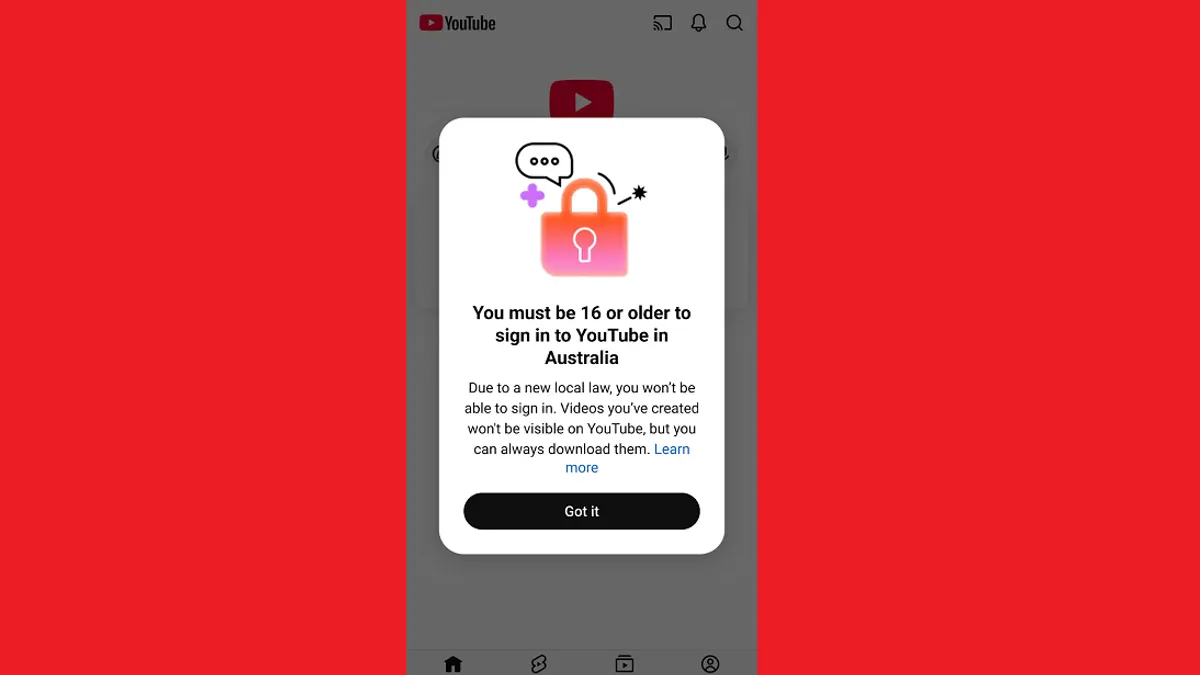
According to YouTube:
“Due to a new law in Australia, the minimum age required to sign in to YouTube in Australia is 16. This means that starting on 10 December 2025, users under 16 years old will be automatically signed out from YouTube. This includes any supervised pre-teen and teen accounts.”
Signed‑out users will still be able to watch non‑age‑restricted content, but essentially as anonymous viewers. YouTube says affected users can download their data, delete their accounts, or wait to regain full access once they turn 16.
How YouTube Lost Its Exemption
Australia introduced its tougher social media age rules last year, initially excluding YouTube based on its educational value and its positioning as a video platform rather than a social network.
That changed in July, when the government reversed the exemption following advice from the eSafety Commissioner, who cited data showing YouTube was the most frequently mentioned platform for harmful content among 10–15‑year‑olds.
The decision formally added YouTube to a list of ten platforms alongside TikTok, Instagram, Facebook, X, Snapchat, Twitch, Kick, Reddit and others that must restrict accounts for under‑16s from 10 December.
YouTube has consistently argued that it should not be treated like other social apps, emphasizing its role as a streaming and learning destination used by nearly three‑quarters of Australians aged 13–15.
YouTube’s Criticism
While confirming it will comply, YouTube has sharply criticized the law’s design and likely impact on safety by quoting:
“At YouTube, we believe in protecting kids in the digital world, not from the digital world…”
Crucially, YouTube notes that the Act forces under‑16s to use the service without signed‑in accounts, suggesting:
“remov[ing] the very parental controls and safety filters built to protect them – it will not make kids safer on our platform.”
The company also argues that:
“The law fundamentally misunderstands why teens come to YouTube in the first place.”
YouTube also highlights usage for tutorials, speeches, podcasts, concerts, and sports highlights, often watched on shared TV screens.
Questions Over Age Checks And Enforcement
One of the biggest unresolved issues is how platforms are supposed to verify users’ ages. The law requires “reasonable measures” to prevent under-16s from accessing social media accounts, backed by potential fines of up to $49.5 million, but leaves implementation details largely to the companies and a forthcoming age‑verification trial.
Communications Minister Anika Wells has already cautioned that:
“Many under‑16s will likely still be on social media for some time after the ban, acknowledging that it will take time for the verification sieve to filter existing accounts.”
Regulators have begun putting emerging apps like Lemon8 and photo‑sharing platform Yope “on notice” as teens flock to alternatives and will soon issue notices to the ten major platforms demanding evidence of underage account numbers before and after the law takes effect.
Will Teens Just Route Around The Ban?
In reality, most teens expect to find workarounds, whether by using VPNs, misstating ages, sharing family devices, or shifting to less visible platforms. Early reporting already points to rising teen interest in services like Lemon8 and Yope as possible escape valves ahead of the deadline.
That dynamic raises a broader risk that if enforcement pushes young users toward smaller or decentralized platforms with weaker moderation and fewer tools for parents, the net safety gain may be limited.
YouTube says it will continue to engage with the Australian government in search of:
“Effective, evidence-based regulation that actually protects kids and teens, respects parental choice, and avoids unintended consequences.”
But for now, under‑16s in Australia will soon discover what YouTube looks like without accounts at all.