
GENEVA / TEHRAN: United Nations human rights officials and independent rights organizations have warned that the use of lethal force by security forces in Iran against protesters may violate international law, a concern examined in detail in a broader legal and geopolitical assessment of Iran’s protest crackdown as authorities continue a sweeping crackdown on nationwide demonstrations that erupted late last year.
The protests, which began on 28 December 2025 amid severe economic distress, have evolved into one of the most significant challenges to Iran’s political system in decades. Rights groups estimate that thousands of people have been killed and tens of thousands detained as demonstrations spread across all 31 provinces.
The United Nations human rights office said it was “horrified” by reports of live ammunition being used against demonstrators, warning that arbitrary killings, mass arrests, and excessive force could amount to serious violations of international human rights law. Assistant Secretary-General Martha Pobee briefed an emergency meeting of the UN Security Council on Thursday, describing the situation in Iran as:
“fluid and deeply concerning.”
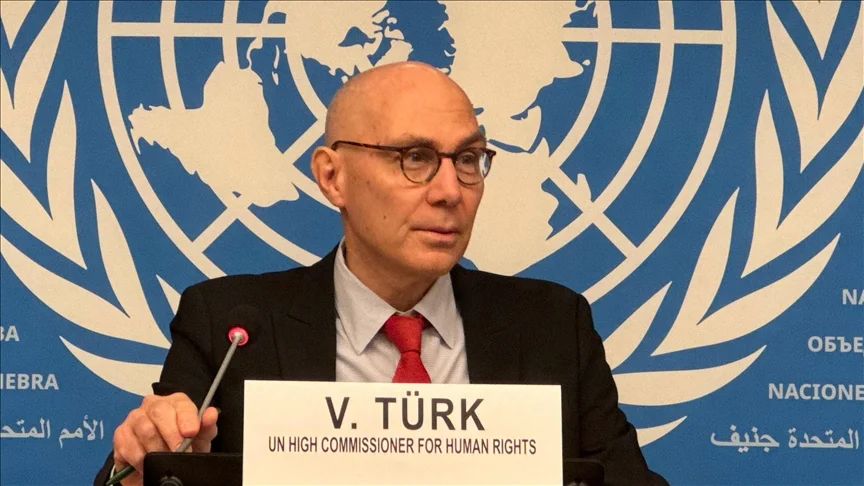
The UN High Commissioner for Human Rights, Volker Türk said in a statement, calling on Iranian authorities to respect the right to peaceful assembly and ensure accountability for abuses:
“Lethal force may only be used as a last resort to protect life.”
Protests Sparked by Economic Collapse
The unrest began amid worsening economic conditions, including spiraling inflation, a collapsing national currency, and rising food and fuel prices. The Iranian rial fell to record lows against the U.S. dollar in late 2025, sharply reducing purchasing power for ordinary citizens.
What started as a strike by shopkeepers and merchants in Tehran’s Grand Bazaar quickly spread to universities, industrial centers, and provincial cities. Protesters initially demanded economic relief but soon broadened their calls to include political reform, an end to repression, and greater accountability from state institutions.
Analysts say the rapid spread of protests reflected deep frustration across social classes, compounded by renewed international sanctions imposed in 2025 and the economic fallout from regional conflicts.
Security Response and Internet Blackout
Security forces began intervening forcefully in late December, deploying riot police, paramilitary units, and plainclothes officers in major cities. By early January, reports emerged of live ammunition, mass arrests, and targeted shootings.
On 8 January 2026, authorities imposed a near-total nationwide internet and mobile communications blackout, severely limiting the flow of information. Rights groups said the blackout obscured the scale of violence and hindered independent verification of casualties.
Human Rights Watch (HRW) warns that such measures could aggravate state responsibility under international law by stating:
“The communications shutdown appears designed to suppress dissent and conceal abuses.”
Rising Death Toll and Rights Group Findings
Independent organizations operating inside and outside Iran have documented a sharp rise in deaths, injuries, and detentions. Human Rights Activists reported that by mid-January at least 1,850 protesters, including children, had been killed and more than 16,700 arrested. The group said the figures were likely a significant undercount due to reporting restrictions.
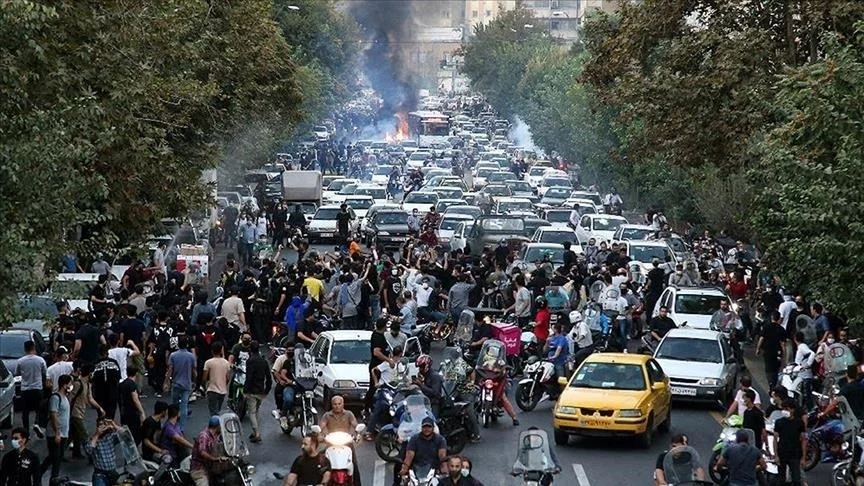
Other researchers examining what some have termed the “2026 Iran massacres” estimate that the death toll could range from several thousand to tens of thousands, alleging coordinated and widespread use of lethal force by state security agencies.
Hospitals in several cities have reported hundreds of severe injuries, including gunshot wounds to the head and torso and permanent eye damage, according to medical sources cited by rights groups.
International Law Concerns
Under the International Covenant on Civil and Political Rights (ICCPR), to which Iran is a party, the use of lethal force by law enforcement is permissible only when strictly necessary to protect life and as a last resort, a standard increasingly invoked in legal debates over protest policing globally, including recent challenges surrounding anti-ICE protests and the federal use-of-force response in the United States. Arbitrary deprivation of life and disproportionate use of force violate Article 6 of the treaty, while mass arrests may breach protections related to liberty and peaceful assembly, as reflected in a wider legal and geopolitical outlook on Iran’s use of lethal force during the protests.
The UN Basic Principles on the Use of Force and Firearms by Law Enforcement Officials require authorities to prioritize non-violent means and minimize harm. Legal experts say that patterns of nationwide killings, particularly against unarmed protesters, could raise concerns under international criminal law if shown to be widespread or systematic.
While Iran is not a member of the International Criminal Court, human rights lawyers note that senior officials could still face legal exposure under universal jurisdiction laws in some countries.
Government Response
Iranian officials have rejected allegations of unlawful force, blaming the violence on:
“armed rioters and foreign interference.”
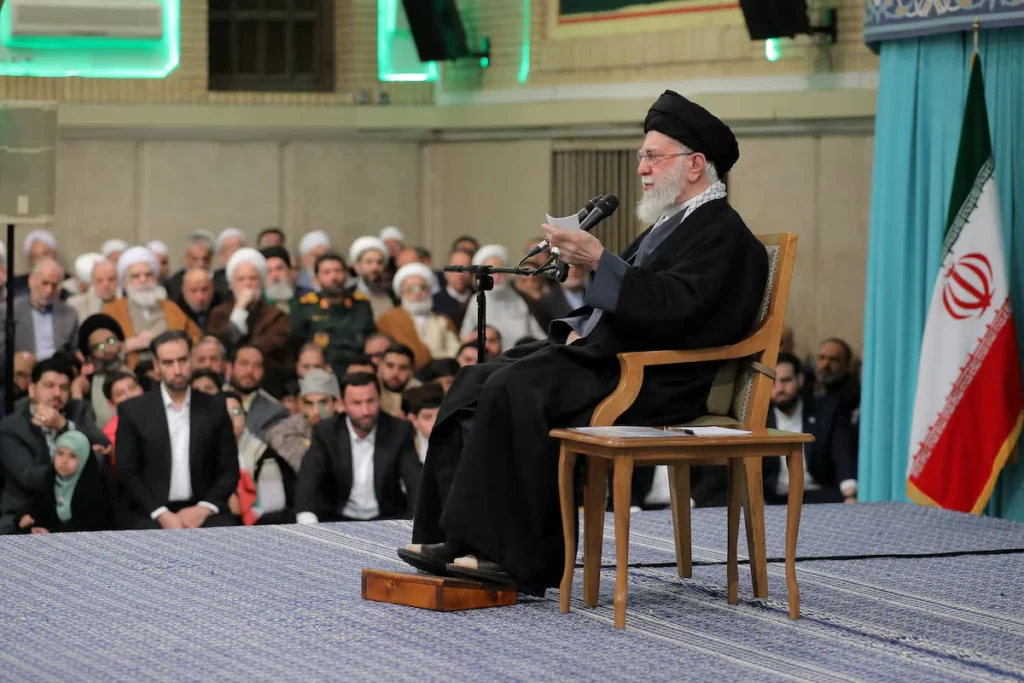
Supreme Leader Ayatollah Ali Khamenei accused external actors of fueling unrest, while state media portrayed the crackdown as necessary to preserve national stability. Authorities have not released comprehensive casualty figures, contributing to wide discrepancies between official statements and independent estimates.
Global Reactions and Pressure
Foreign governments, including several Western states, have warned Tehran that continued repression could trigger further diplomatic and economic consequences. Members of the G7 have called on Iran to respect human rights and allow independent investigations.
Human rights organizations have urged the UN Human Rights Council to convene a special session on Iran, arguing that the scale of reported abuses warrants international scrutiny.
What’s Next
Legal analysts say that while immediate accountability mechanisms may be limited, evidence gathered during the protests could have long-term consequences. Findings by UN bodies often form the basis for sanctions, travel bans, and future legal proceedings. Analysts note that these risks extend beyond the immediate crisis, echoing conclusions reached in a comprehensive legal and geopolitical outlook on Iran’s protest response and long-term exposure.
As documentation accumulates, legal exposure increases rather than fades, one international law expert said:
“Even if protests subside, the consequences of this crackdown may follow Iran and its officials for years.”
As demonstrations continue after heavy security presence and information restrictions, pressure is mounting on Iranian authorities to change course or face deepening international isolation.
Timeline: Key Events in Iran’s Protest Crackdown
28 December 2025 – Protests erupt in Tehran over inflation and currency collapse, involving shopkeepers, students, and workers.
31 December 2025 – 3 January 2026 – Security forces begin using force against protesters in multiple cities. Reports emerge of beatings, arrests, and the use of firearms, leading to initial fatalities.
8 January 2026 – Authorities impose a near-total internet and phone blackout nationwide. On the same day, security forces escalate operations, deploying live ammunition and conducting mass arrests.
9–13 January 2026 – The crackdown intensifies across all provinces. Human rights groups report targeted gunfire at protesters’ heads and torsos, mass shootings, and severe injuries, including permanent eye damage.
Mid-January 2026 – Casualty figures remain disputed due to communication restrictions, but credible estimates range from several thousand to potentially tens of thousands killed. Iranian officials acknowledge thousands of deaths, while rights groups report widespread unlawful killings.