
UK Home Secretary announces major asylum reforms to speed up the removal of families with failed applications and strengthen the immigration system.

Home Secretary Shabana Mahmood has announced sweeping reforms to the UK’s asylum policy, aiming to remove more families with failed asylum claims and tighten controls across the system. Speaking in the Commons, Mahmood emphasized the government’s commitment to restoring “order and control” over the borders amid rising asylum applications.
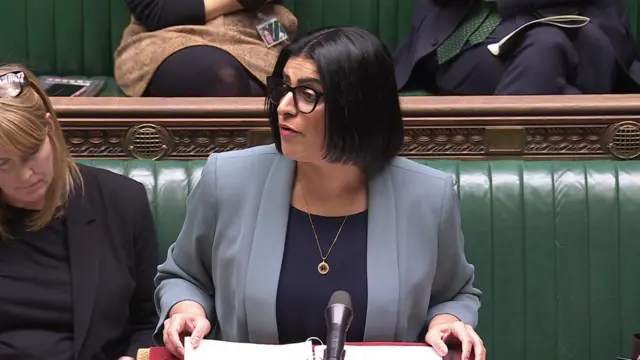
Tougher Removal Policies for Failed Asylum Seekers
Under the new measures, the Home Office will accelerate removals, including families currently not being deported even when their home countries are deemed safe. These new measures are described by some as Danish-style strict asylum rules, which seek to introduce a tougher, more controlled framework for asylum seekers.
Mahmood stated:
“We will remove people we have not removed before, including families who have a safe home country they can return to.”
This marks a shift to a more “hard-headed” approach to immigration enforcement, targeting those exploiting the system through multiple appeals or other legal avenues.
Temporary Refugee Status and End of Guaranteed Housing
The reforms introduce temporary refugee status, ending guaranteed housing and support for asylum seekers. Those able to work or with assets are expected to contribute to their own costs.
Mahmood announced plans to scrap the automatic right to family reunification for refugees, narrowing the definition of family to parents and children only.
The government also proposes tighter controls over claims under Article 8 of the European Convention on Human Rights (ECHR), focusing removal appeals only from those residing in the UK.
Political Reactions and Debates
The policy proposals have sparked debate within Parliament and across political parties. Conservative leader Kemi Badenoch called the reforms “not enough, but it’s a start,” praising Mahmood’s “fresh energy” while criticizing Labour’s previous inaction.
Labour MPs have raised concerns over human rights impacts and potential hardships, with Jeremy Corbyn branding the changes “draconian” and accusing the government of appeasing right-wing factions. The Scottish National Party warned the reforms risk forcing refugees into destitution.
Here is a quick recap:
UK Home Secretary Addresses Concerns on Children’s Security
Labour’s John McDonnell questioned Home Secretary Shabana Mahmood on assurances that no child would be detained under the new asylum policy changes. He argued that the threat of removal undermines the security of children and their families.
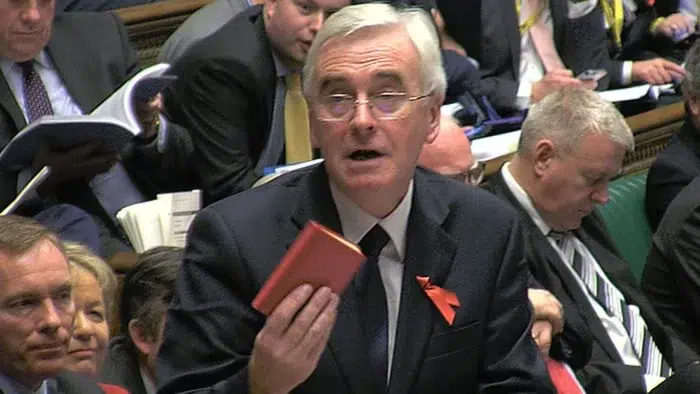
Mahmood responded that the plans would undergo an equality impact assessment and reaffirmed:
“This country is fundamentally open, tolerant and generous.”
She assured MPs explicitly:
“In case the microphone did not pick up my answer on the detention of children, I can give him the assurance he sought.”
Mahmood Refutes Claims of ‘Imitating Reform’
Plaid Cymru’s Liz Saville Roberts accused the government of “stoking fear and division” and stated that:
“imitating Reform doesn’t create unity, doesn’t win trust.”
Mahmood dismissed this as “just unserious” and brushed off references to the Reform Party. She emphasized that the government’s proposals aim to fix a “broken system” affecting communities across the UK.
Corbyn Labels Asylum Changes ‘Draconian’
Independent MP Jeremy Corbyn criticized the asylum reforms as “draconian measures” targeting refugees. He highlighted that many recent arrivals come from war-torn Afghanistan.
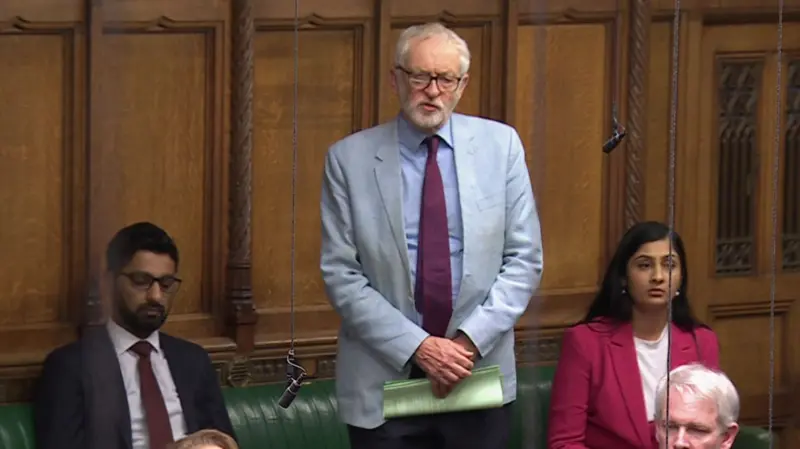
MP Jeremy Corbyn accused Mahmood of pandering to “right-wing racist forces” by moving away from the European Convention on Human Rights (ECHR).
Mahmood countered that bespoke resettlement schemes exist for Afghan refugees and the reforms are designed to secure safe and legal routes.
Green Party Warns Against Deepening Divisions
Green Party MP Carla Denyer argued that “toxic, racist narratives and scapegoating of migrants” are the real divisive forces, not those seeking sanctuary.
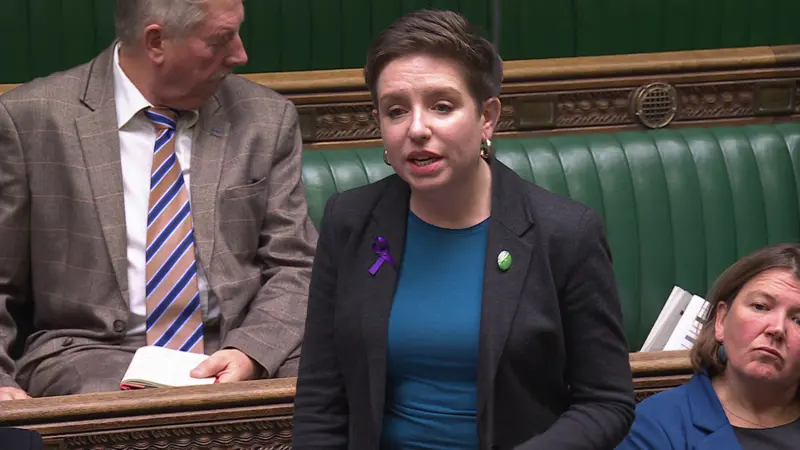
She cautioned that attempting to “out-Reform Reform” would worsen social divisions.
Mahmood stated she was focused on addressing the genuine problems in the asylum system and accused the Greens of hypocrisy for opposing asylum accommodation locally.
Reform UK MP Challenges Home Secretary
Reform MP Danny Kruger welcomed the tone of Mahmood’s rhetoric but challenged Labour’s policies, asserting that Reform does not grant “illegal immigrants” extended rights or bend laws around the ECHR.
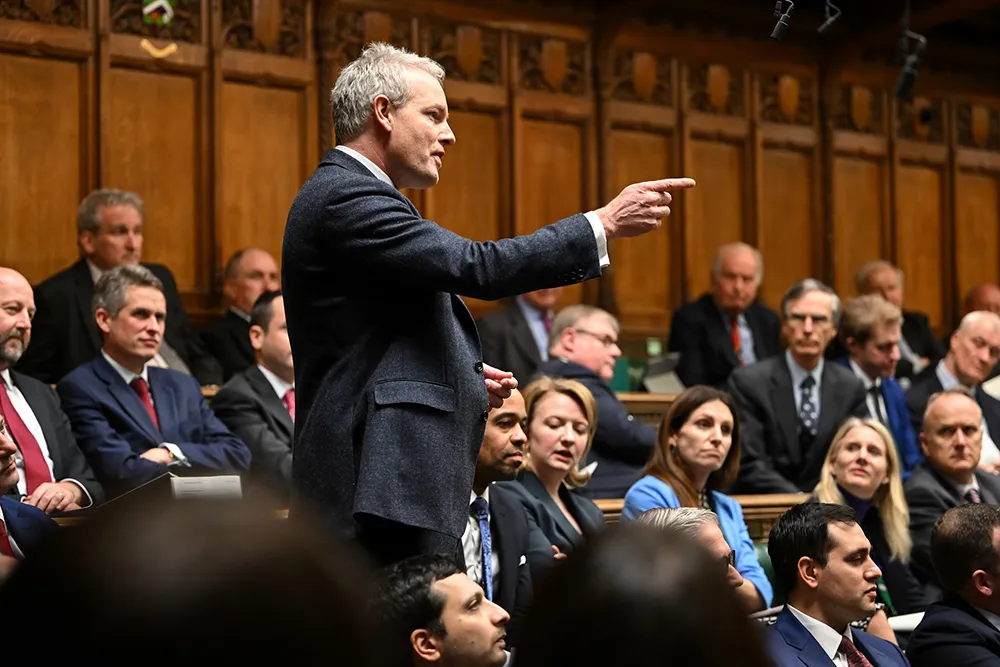
Mahmood dismissed his invitation to join Reform UK with a firm “Over my dead body,” noting there was no question to answer.
SNP Criticizes Asylum Reforms for Causing Destitution
Scottish National Party’s Pete Wishart condemned the new policy for forcing refugees into destitution and blocking citizenship paths.
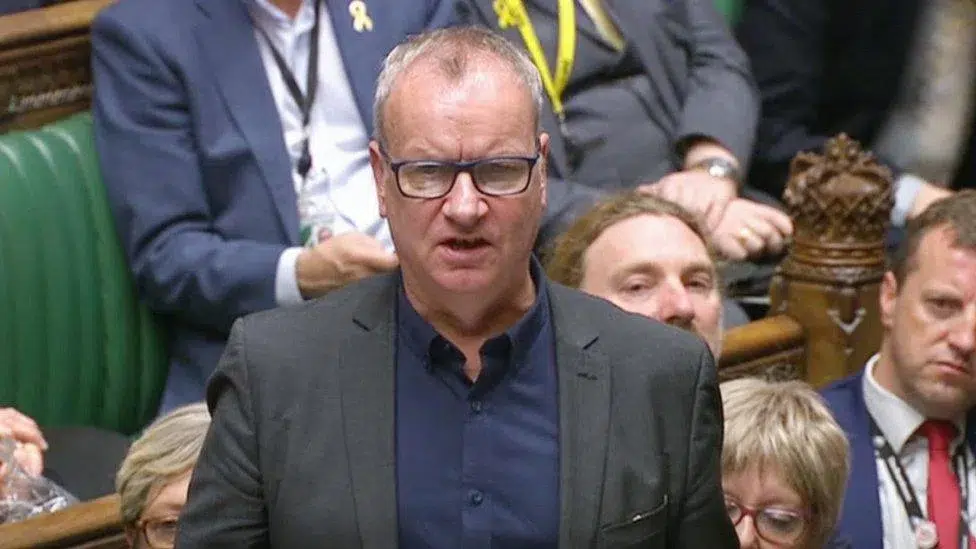
Mahmood retorted, noting that Tommy Robinson’s reception of the reforms was unsurprising and that the SNP defends a “broken status quo” in Scotland.
Negotiations on “Return Hubs” Underway
Conservative MP Saqib Bhatti inquired about countries the UK is negotiating with to establish “return hubs” for failed asylum seekers instead of sending them back to their home countries.
Mahmood confirmed ongoing active negotiations and indicated announcements would be forthcoming.
Earlier Deportations for Foreign Offenders Promised
Labour MP Derek Twigg raised concerns about repeat asylum applications from foreign nationals previously deported after committing crimes.
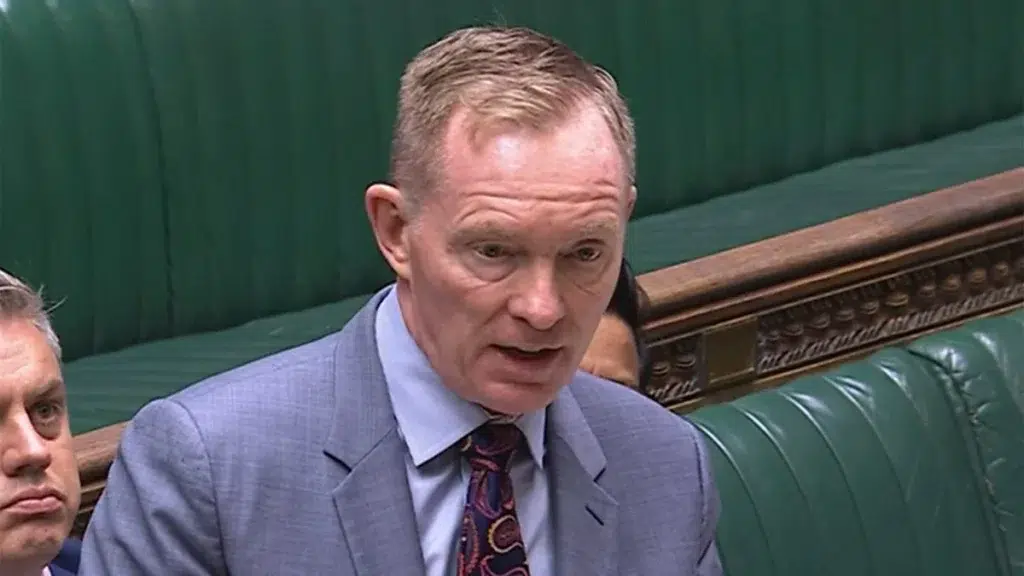
Mahmood stressed the government’s intent on “earlier deportations of foreign national offenders” supported by sentencing reforms, insisting offenders must face the:
“full force of the law.”
Calls for Bolder Action on Asylum Hotels
Conservative Ashley Fox pressed Mahmood to be “bolder” in emptying hotels used to house migrants, advocating automatic detention and deportation for illegal arrivals.
Mahmood rejected lessons from parties that previously introduced hotel housing, reaffirming the government’s commitment to end this practice by Parliament’s end.
Concerns Over Impact on Legal Migration
Lib Dem MP Christine Jardine questioned if tough reforms risk deterring needed legal migrants for roles like NHS workers.

Mahmood responded that there is “no reason to believe that” and noted similar numbers come illegally by small boats as by legal routes, who then apply for asylum, emphasizing the need to stop:
“abuse of the asylum system.”
Deferred Payment Scheme Under Consideration
Dame Karen Bradley asked about a deferred payment scheme for asylum seekers similar to student loans.
Mahmood acknowledged government exploration of further contributions but stated it is not part of the currently announced reforms.
Home Secretary Rejects Deportation Targets
Labour MP Graham Stringer suggested setting public targets for deportations to evaluate policy effectiveness.
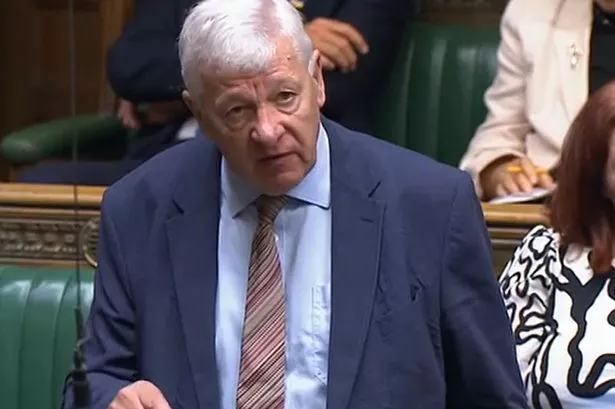
Mahmood refused “arbitrary targets or caps,” committing instead to delivering reforms and assessing impact as implementation proceeds.
Criticism Over Divisive Language and Work Restrictions
Lib Dem spokesperson Max Wilkinson accused Mahmood of stoking division by saying immigration is:
“tearing the country apart.”
He challenged the plan to revoke housing duties while still banning asylum seekers from working for the first 12 months.
Mahmood countered by highlighting the real divisions migration creates and her personal experience with racial abuse, urging Parliamentarians to reflect the public’s lived reality.
Labour MP Questions Resource Impact
Labour MP Florence Eshalomi asked if additional assessments would strain resources and worsen processing delays.
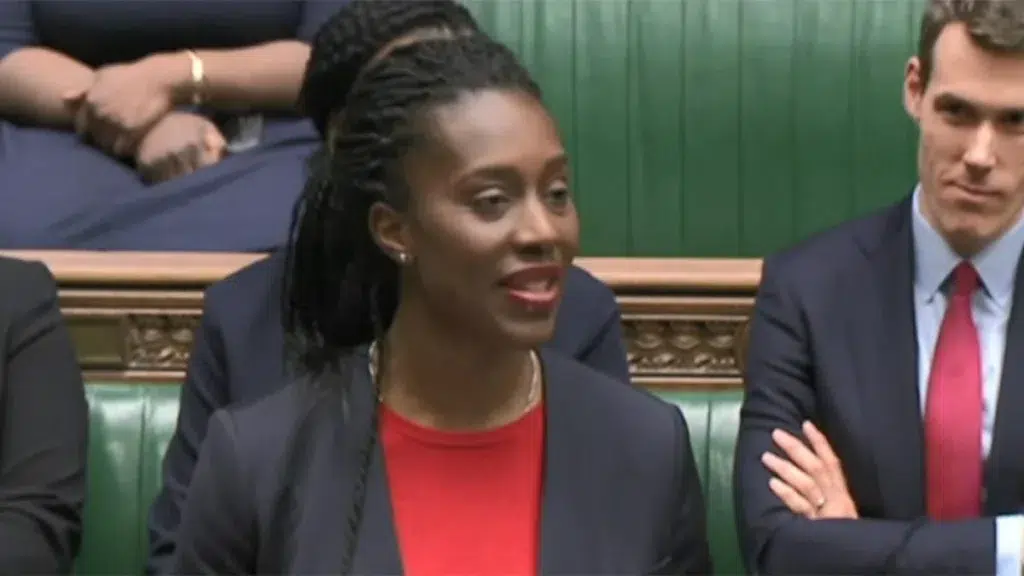
Mahmood admitted the need for administration and resources but expressed confidence in successful implementation.
Mahmood Affirms Commitment to ECHR
Responding to criticisms, Mahmood stated the UK will “never” leave the European Convention on Human Rights despite Conservative calls.
She cited a 23% increase in removals under Labour compared with the prior Conservative period and stressed legal clarity around Article 8 on privacy and family life as a key priority.
Conservative Leader Sees Progress but Warns Measures Insufficient
Opposition leader Kemi Badenoch praised Mahmood’s “fresh energy” but said reforms are:
“not enough, but it is a start.”
Highlighting record Channel crossings and asylum claims since Mahmood’s appointment, Badenoch warned some measures could “take us backwards” and insisted Conservatives know the problem better.
Sponsorship to Become Key Refugee Resettlement Route
Mahmood announced that sponsorship schemes would become the primary method for refugee resettlement.
Voluntary and community organizations will play a larger role, and new routes will be created for displaced students.
She underlined the need to balance openness with restoring “order and controls” amid societal divisions.
Assurances on Non-Return to Torture and ECHR Reform Efforts
Referencing Article 3 of the ECHR, Mahmood pledged:
“We will never return anyone to be tortured in their home country.”
She criticized the broad interpretation of “degrading treatment” and announced efforts alongside European partners to reform these standards at the Council of Europe.
Proposals to Narrow Right to Family Life
Mahmood outlined three government proposals to tighten Article 8 rights:
- Redefine family narrowly to parents and children.
- Establish a default public interest test favoring removal or refusal.
- Limit claims to those living in the UK.
Visa Sanctions Threatened Against African Nations
She confirmed visa bans are threatened on Angola, Democratic Republic of Congo, and Namibia unless these countries cooperate on deportations, sending a broader warning that:
“unless other countries heed this lesson, further sanctions will follow”
Bottom Line
These proposed asylum reforms reflect the UK government’s hardening stance on immigration amid high-profile challenges managing arrivals and appeals. With measures targeting systemic delays, family reunification rules, and judicial interpretation of human rights laws, the government aims to tighten borders and reduce abuses while facing political opposition and human rights scrutiny.