
Pakistan’s courts have sentenced Imran Khan, his wife, and a former ISI chief in high-profile cases, fueling debate over accountability, due process, and civil–military relations.
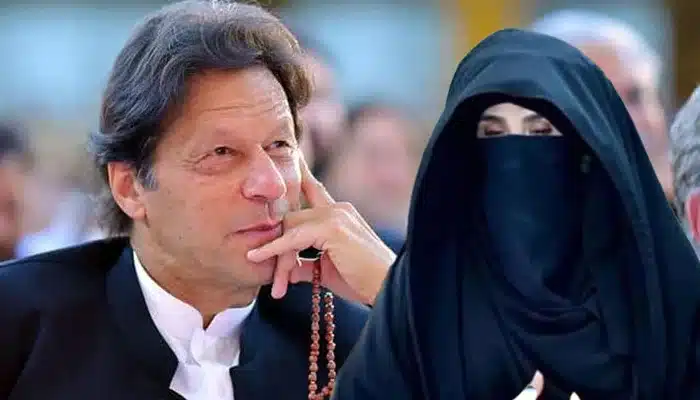
Pakistan’s power structure is going through an extraordinary phase of legal reckoning. Within days, a former prime minister, his spouse, and a former spymaster have all received long prison sentences each case formally distinct, yet politically and institutionally intertwined in the public mind. For many Pakistanis, it feels less like routine accountability and more like a stress test of justice, democracy, and civil-military balance.
17-Year Sentences For Imran Khan And Bushra Bibi
Islamabad [Pakistan], December 20: A special court operating under the Federal Investigation Agency (FIA) has handed former prime minister Imran Khan and his wife Bushra Bibi 17 years of imprisonment each in the Toshakhana‑2 case, a ruling that has triggered intense public anger and allegations of:
“politically motivated justice.”
Many ordinary Pakistanis describe the verdict as a “farce” that has further shaken already fragile trust in the country’s courts and democratic architecture.
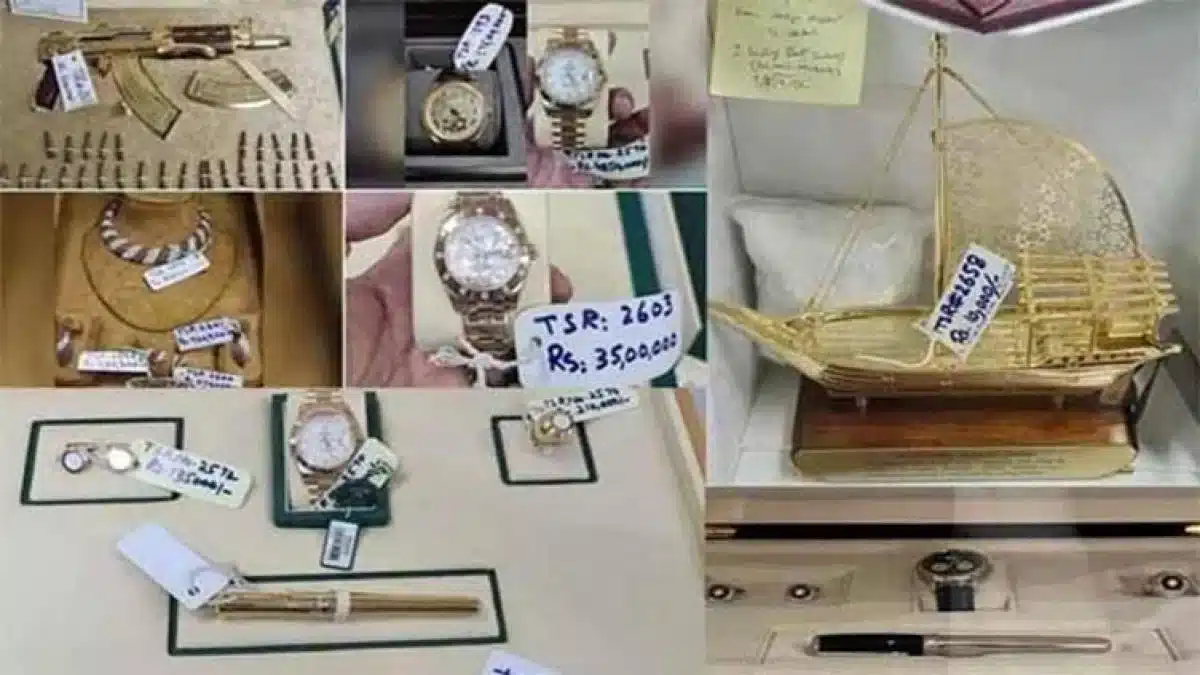
The case centres on accusations that the couple unlawfully retained and profited from a high‑value Bulgari jewellery set, reportedly worth over PKR 71 million, gifted by Saudi Crown Prince Mohammed bin Salman during an official visit. Pakistan’s Ministry of Foreign Affairs confirmed the valuation of the set, which became the core asset in what has come to be known as Toshakhana‑2.
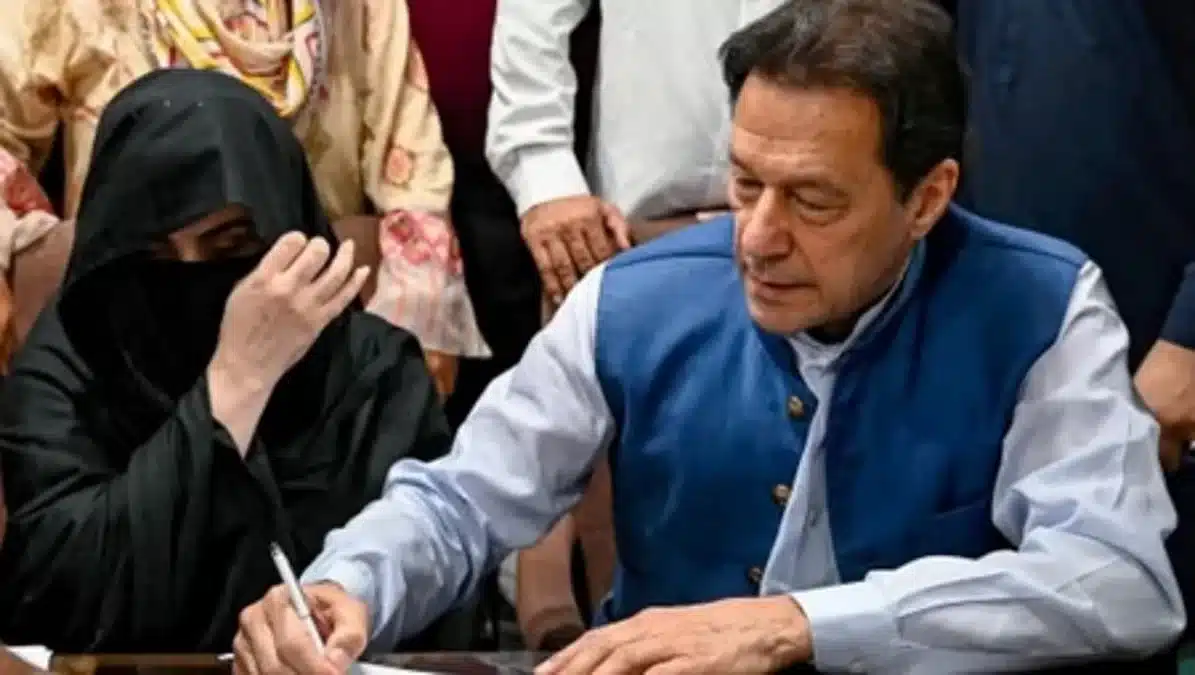
The gift was presented to Khan during a 2021 visit by the Saudi crown prince, and the trial was conducted at Rawalpindi’s Adiala jail, where Khan is already incarcerated. Special Judge Central Shahrukh Arjumand announced the latest verdict inside the prison facility, underscoring how deeply the former premier’s legal fortunes are now tied to closed courtrooms rather than open political stages.
Toshakhana‑2: Undervaluation, Non‑Declaration And Fines
FIA records cited by Pakistani media state that the Bulgari set, comprising a necklace, bracelet, ring and earrings, was never properly deposited in the Toshakhana, the state treasury that handles official gifts, nor was its true value accurately declared. Prosecutors alleged the jewellery was instead severely undervalued, with a private firm assessing it at just PKR 5.9 million, a fraction of its reported market worth, before it was acquired at a discounted rate.
Both Imran Khan and Bushra Bibi were additionally fined PKR 16.4 million each, with the court making clear that failure to pay could translate into further jail time. Under Pakistani rules, state gifts belong to the Toshakhana unless properly purchased back at market value, and any profit from resale is fully declared. Prosecutors argued those conditions were not met, while the defence insists the gifts were lawfully retained after paying 50% of the assessed value.
Legal Basis: Criminal Breach Of Trust And Misconduct
Khan’s 17‑year term is structured as 10 years’ rigorous imprisonment under Sections 34 (common intention) and 409 (criminal breach of trust) of the Pakistan Penal Code, plus seven years under Section 5(2) of the Prevention of Corruption Act for criminal misconduct by a public office‑holder.
Bushra Bibi received an identical sentence under the same legal provisions, effectively mirroring the court’s assessment of their shared culpability. The court’s written judgment, according to Pakistani media, holds that the prosecution
“Successfully proved its case.”
Both accused were guilty of criminal breach of trust relating to state property. For observers, the legal framing reinforces a message that misuse of official gifts is being treated not as a procedural lapse but as a serious integrity offence against the state.
Concurrent Jail Terms And A Long Legal Trail
This latest Toshakhana‑2 conviction adds to a long list of cases facing the Pakistan Tehreek‑e‑Insaf (PTI) founder. He is already serving sentences linked to earlier graft and state secrets cases and has previously received a 14‑year term in a separate Toshakhana matter, where the sentence is currently suspended pending appeal.
Media reports note that the new 10‑year and seven‑year terms for breach of trust and misconduct are expected to run concurrently with some of his existing jail time, though the overall practical effect is to keep him behind bars for the foreseeable future.
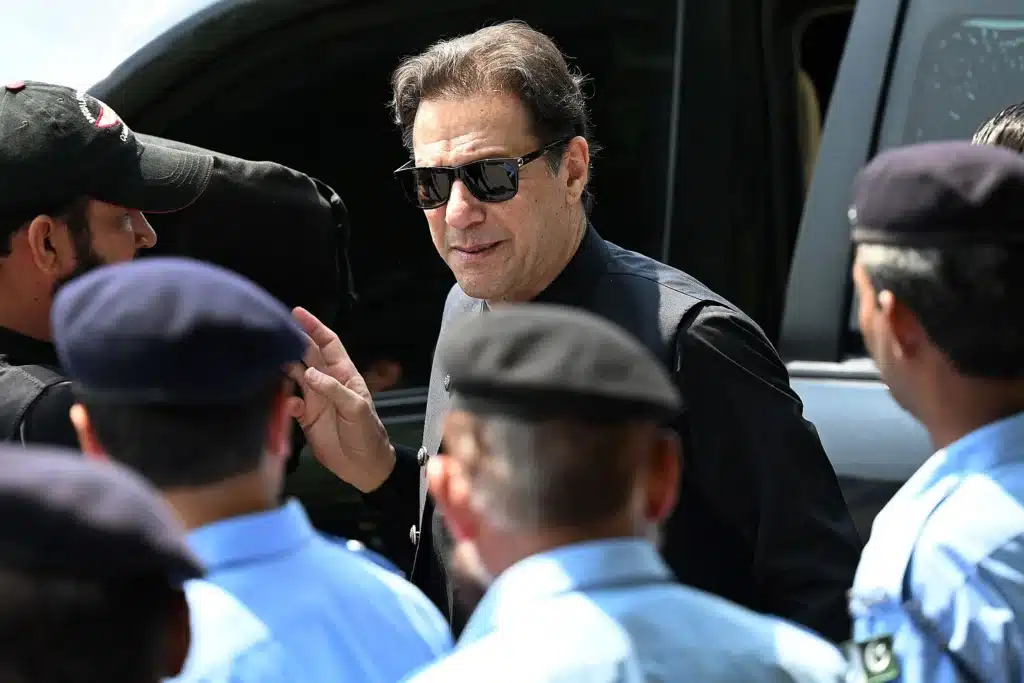
Khan, 73, has consistently rejected all charges as politically driven, while PTI calls the Toshakhana proceedings a “sham” and accuses authorities of weaponising accountability to block his return to power. As a former cricket icon turned populist leader, Khan remains a polarising but deeply popular figure, and each new sentence has sparked protests, especially among younger urban supporters who see him as a victim of an entrenched establishment.
Claims Of Closed‑Door Justice And Endless Cases
Critics have flagged what they describe as procedural irregularities, from hearings being held inside prison to alleged limitations on the defence’s opportunity to present arguments. One resident, Shabir, asserted that the case was
“all political”
Further claiming that the hearing was “premature” and that both government and defence lawyers had not completed their arguments before sentencing. He also highlighted that trials of this nature are generally expected to be open to the public, arguing that decisions with such sweeping political implications should be delivered
“in the courts, not somewhere else, and in full view of citizens.”
While courts in many jurisdictions do resort to in‑camera proceedings for security or sensitivity reasons, in Pakistan’s fraught environment secrecy often fuels speculation that outcomes are pre‑decided. In Peshawar, some citizens framed the Toshakhana‑2 ruling as part of a pattern of serial prosecutions against Khan. One resident, Abdul Hakeem, remarked that after each bail,
“A new case opens up, leading to sentences of ten or twenty years.”
He further argued that whichever party aligns with the establishment tends to take power, regardless of public welfare.
Sons Speak Out: Prison Conditions, Isolation And Contact Limits
Against this backdrop, concerns over Khan’s imprisonment conditions are growing louder, particularly after a recent interview by his sons, Sulaiman and Kasim, with journalist Mehdi Hasan on Zeteo. They told Hasan that court‑mandated weekly calls have not been consistently allowed and that
“they’re not even allowing guards to speak to him because they want total isolation from any other person just to try and break him.”
The brothers said their last in‑person meeting was back in November 2022 after an assassination attempt on Khan, and that more recent phone calls have been brief and infrequent, despite judicial orders permitting contact.

Kasim described his father as being confined in what he called a roughly “6×8” cell, alleging “awful” conditions, murky water and poor food, and argued that talk of him being treated like royalty in prison is detached from reality.
Government Response: ‘Prince‑Like’ Facilities And Denials
Government representatives have flatly rejected claims of mistreatment. Prime Minister Shehbaz Sharif’s spokesperson Mosharraf Zaidi reveals that Khan is not held in a tiny cell but in designated living quarters with access to outdoor space, exercise, books and a private cook. Zaidi said a medical officer monitors his meals and dismissed allegations of torture or solitary confinement as:
“disinformation” aimed at shaping political narratives.”
The spokesperson added that Khan’s children would be treated in line with Pakistani law if they visited the country but warned that authorities would act if any visit were used to incite disorder. These competing accounts of harsh isolation, the other of comfortable facilities illustrate how even basic facts about Khan’s incarceration are contested, with each side presenting a radically different picture to domestic and international audiences.
Imran Khan’s Broader Legal Battles And Political Status
Khan has faced more than 100 legal cases since his ouster in April 2022, spanning allegations from corruption and selling state gifts to terrorism‑related charges linked to violent protests on 9 May 2023. Many of those cases remain pending, and the BBC and other outlets note that the exact tally is difficult to independently verify. PTI continues to insist that:
“every major indictment is part of a broader strategy to sideline its leader ahead of future political cycles.”
Despite his prolonged detention since August 2023, Khan’s political brand remains resilient. Supporters have repeatedly taken to the streets demanding his release, and his social media channels continue to issue statements and sharp criticism of the current government and Pakistan’s military leadership. That ongoing digital presence, even from behind bars, has helped keep him at the centre of Pakistan’s polarised political conversation.
Faiz Hameed: A Former Spymaster In The Dock
In a separate yet politically charged development, former Inter‑Services Intelligence (ISI) director‑general Lt Gen (retired) Faiz Hameed has been sentenced to 14 years of rigorous imprisonment by a military court, a landmark move in a country where senior generals have historically been shielded from open accountability.
Hameed, widely viewed as one of the most influential officers of his generation and long seen as close to Imran Khan during his premiership, was convicted under the Pakistan Army Act after a 15‑month Field General Court Martial.
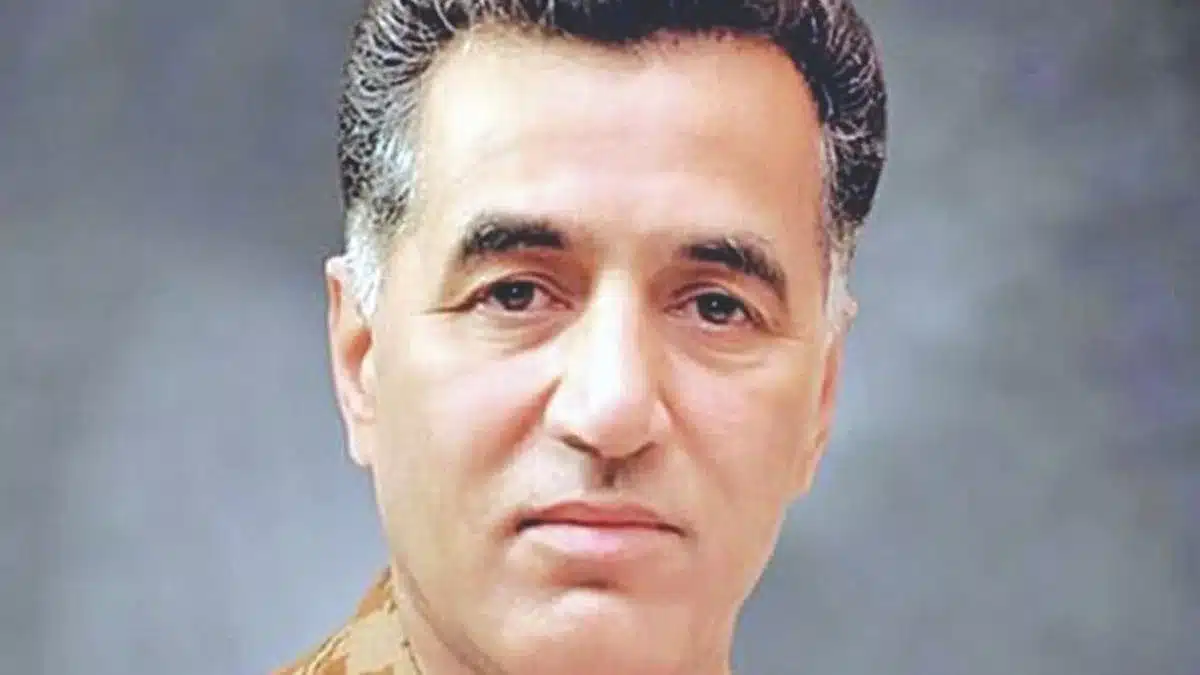
According to the Inter‑Services Public Relations (ISPR), the proceedings began on August 12, 2024, and examined four key charges: engaging in political activities, violating the Official Secrets Act in ways deemed harmful to state interests, misusing authority and government resources, and causing wrongful loss to individuals. The court, ISPR said, found him guilty on all counts and formally promulgated the 14‑year sentence on December 11, 2025.
Military’s Case: Political Interference, Secrecy Breaches And Misuse Of Power
The military’s statement frames the case as a matter of discipline and national security. ISPR emphasised that Hameed was given full legal rights, including the ability to choose his own defence team, and retains the right to appeal at the relevant forum, effectively the army chief and later the Supreme Court.
It also noted that allegations regarding his role in fomenting vested political agitation and instability in cahoots with political elements are being handled separately, fuelling speculation about additional inquiries or charges.
Part of the prosecution narrative stems from a petition by Moeez Ahmed Khan, owner of the Top City housing development near Islamabad, who accused Hameed of orchestrating raids, coercive business transfers and intimidation. The army says it initiated a detailed inquiry on Supreme Court orders before launching the court-martial. Linking the case to years of alleged behind‑the‑scenes political engineering, Defence Minister Khawaja Asif has publicly argued that Pakistan is now:
“reaping the harvest of the seeds sown by Hameed and former army chief Qamar Javed Bajwa.”
Defence Stance: Innocence And Lack Of Transparency
Hameed’s lawyer, Mian Ali Ashfaq, has strongly rejected the verdict, asserting that his client is:
“1,000% innocent.”
He further told that the defence first learned of the sentence through media and ISPR press releases rather than formal court notification. He said the legal team is applying for a copy of the judgment and intends to file an appeal as soon as it is obtained.
The secrecy surrounding the military proceedings, with hearings held behind closed doors and no detailed public judgment raises familiar concerns about due process, especially in high‑profile cases touching on politics.
While military courts in Pakistan are legally empowered to try serving and retired officers under the Army Act, civil society groups have often warned that such processes lack the transparency needed to inspire public confidence.
Khan–Hameed Nexus And The Establishment’s Internal Reset
Faiz Hameed’s trajectory is deeply interwoven with Imran Khan’s political rise and fall. As ISI chief between 2019 and 2021, he was widely seen as a key backer of the PTI government, and analysts long speculated about his influence over parliamentary manoeuvres and opposition pressure.
Information Minister Attaullah Tarar recently described Hameed as acting like a “political adviser” to Khan even after retirement, in defiance of legal prohibitions on partisan activity for former senior officers.
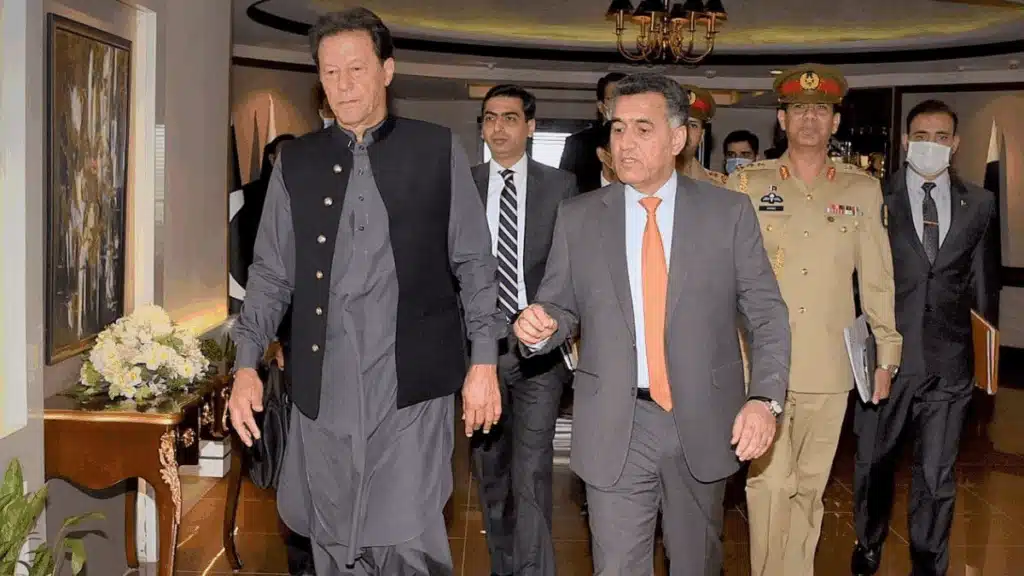
The fact that both men now sit on the wrong side of the dock is striking. For some observers, it signals a rare internal reset where the military seeks to discipline figures perceived to have overstepped institutional bounds, even at the highest levels. For others, it looks more like selective accountability, with only certain actors paying the price for a system in which civilian politics and military power have long been intertwined.
Public Trust, Rule Of Law And The Road Ahead
From the streets of Lahore and Peshawar to the closed corridors of military courts, Pakistan’s current accountability drive is reshaping perceptions of justice and power. On paper, the Toshakhana‑2 judgment and Faiz Hameed’s court martial both assert the principle that no one, ex‑prime minister or ex‑spymaster, is above the law.
Yet the manner, timing and opacity of these cases are also feeding a powerful counter‑narrative: that law is being applied unevenly, primarily to those who have fallen out of favour with the “system.”
In practical terms, staying informed, tracking appeals, and carefully reading official judgments and independent reporting will be essential for anyone trying to separate genuine rule‑of‑law reforms from political score‑settling in the months ahead