
Pakistan rejects Trump’s Gaza Peace Plan, emphasizing its alignment with the broader Muslim nations’ stance and highlighting key disagreements over territorial and sovereignty issues in the proposed framework.
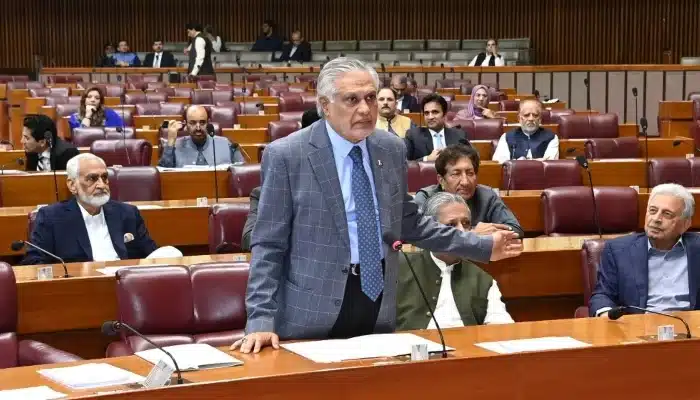
Pakistan’s Deputy Prime Minister and Foreign Minister, Ishaq Dar, officially distanced Islamabad from the 20-point Gaza peace plan announced by US President Donald Trump. Speaking to Pakistani lawmakers on October 3, 2025, Dar said:
“I have made it clear that these 20 points which Trump has made public are … not the same as ours. I say that some changes have been made in it, in the draft we had.”
The statement highlights Pakistan’s position that the final US plan deviates significantly from a draft agreed upon by a group of Muslim-majority nations during a September 22 meeting with Trump.
Complete Israeli Withdrawal vs. Partial Pullback
Unlike Trump’s plan, the Muslim-majority nations called for:
“A comprehensive withdrawal of occupation forces from the Gaza Strip.”
The group, which includes Saudi Arabia, the UAE, Qatar, Egypt, Jordan, Turkey, Indonesia, and Pakistan, instead prepared a counter-draft that prioritized an immediate end to hostilities and humanitarian access, while also laying the groundwork for a two-state settlement.
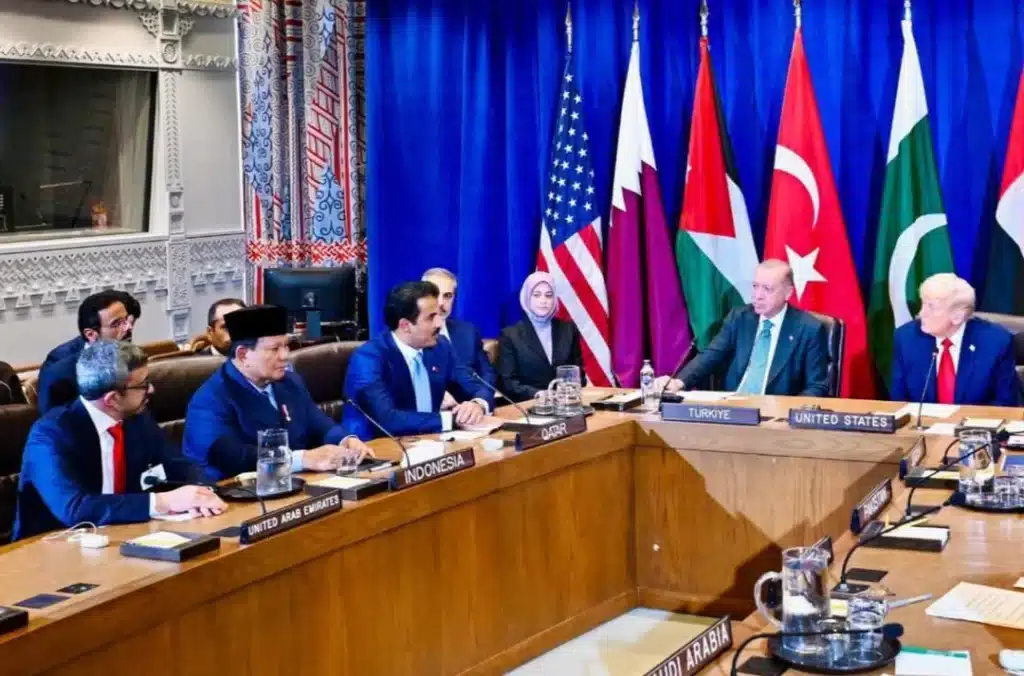
Dar explained that the group, which includes Saudi Arabia, the UAE, Qatar, Egypt, Jordan, Turkey, Indonesia, and Pakistan, crafted its own counter-draft, emphasizing an immediate ceasefire and humanitarian aid, setting the framework for a two-state solution.
Contested Elements of the US Plan
On September 29, Trump revealed his template for peace, calling for a ceasefire, the release of hostages within 72 hours, and what he envisions for a rebuilt “New Gaza.” It also establishes a Board of Peace to oversee a technocratic Palestinian body that would serve as a temporary governing authority over Gaza.
However, some critical points remain unresolved:
- Netanyahu reaffirmed opposition to Palestinian statehood, stating:
“It’s not written in the agreement. We said we would strongly oppose a Palestinian state.”
- The US plan leaves many details for future negotiations, particularly regarding governance and sovereignty.
Mixed Pakistani Responses
Prime Minister Shehbaz Sharif welcomed the peace plan, suggesting that peace is vital for both political stability and economic growth; however, a more cautious reception was expressed by Dar, who rejected the US text in its entirety.
The endorsement triggered domestic backlash, with politically driven figures dubbing it a capitulation and condemning the lack of explicit provisions for a Palestinian state.