
Google outlines new expert insights shaping On-Page SEO in 2026, highlighting updated best practices, key ranking factors, and guidance for improving search performance.
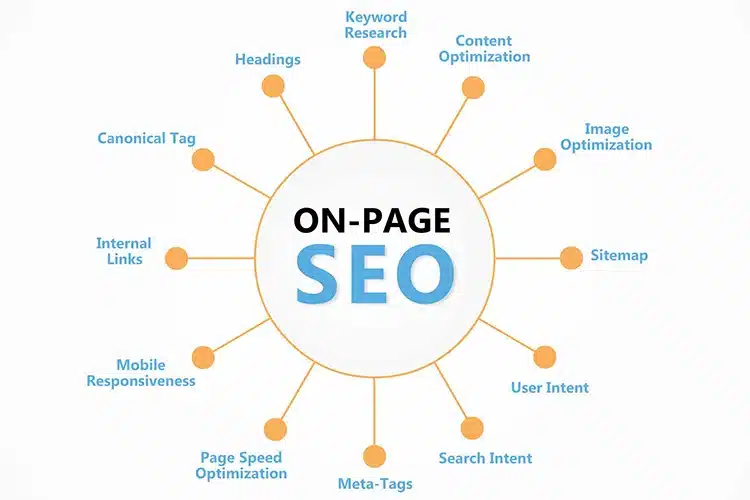
On-page SEO remains a fundamental pillar of successful search engine optimization despite Google’s frequent algorithm changes. What makes this aspect of SEO so crucial? According to experts, on-page SEO is important because search engines rely on keywords and other on-page elements to determine whether a page matches a user’s search intent. In fact, mastering these techniques can have a significant impact on your rankings, traffic, and conversions.
Understanding On-Page SEO
While the digital landscape constantly evolves, understanding what is on page SEO has never been more important for website owners looking to improve their online visibility. By optimizing individual web pages, we can increase our chances of ranking higher in search engines and attracting more qualified leads .
Furthermore, on-page SEO optimization focuses on elements within our control, unlike off-page factors that determine how high we rank in search results . Consequently, as Google continues to prioritize user experience and “people-first content,” we need to adapt our on-page SEO factors and techniques to align with these new expectations.
What Changed in Google’s On-Page SEO Rules?
Google has intensified its search algorithm updates at an unprecedented pace, reshaping the landscape of on page SEO practices.
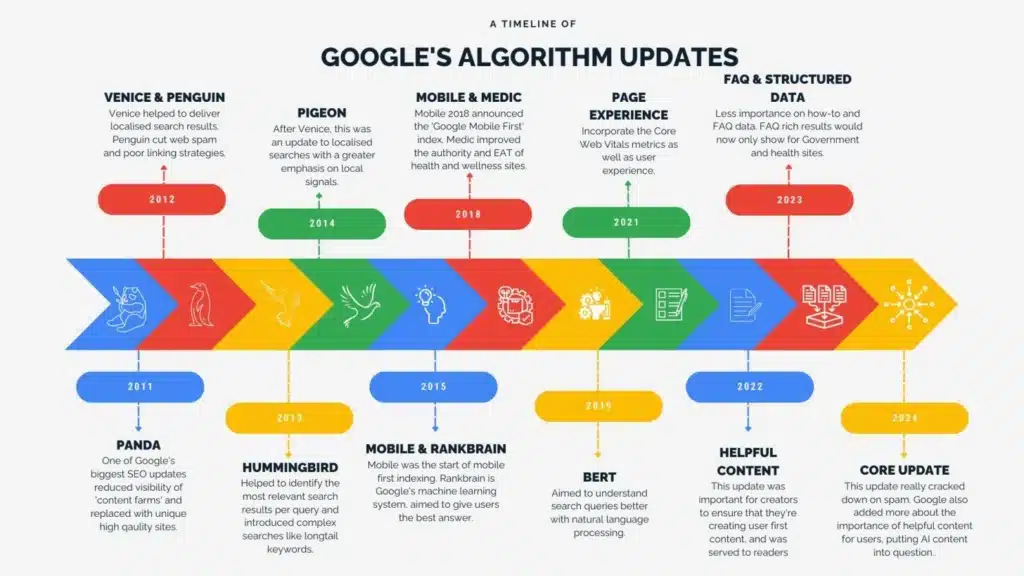
Image Source: Google Algorithm Update
In 2022 alone, Google launched 4,725 changes to search, averaging 13 updates daily. This rapid evolution requires webmasters to adapt quickly to maintain visibility in search results.
Overview of the update and its rollout
The series of core updates throughout 2024 and 2025 has profoundly altered how Google evaluates and ranks content. Notably, the Helpful Content Update from 2022, which targeted sites created solely for ranking purposes, has now been fully integrated into Google’s overall core ranking system. This integration marks a fundamental shift in how on-page optimization works.
Google’s latest core updates typically roll out over approximately two weeks, during which rankings often fluctuate significantly. These updates are designed to work at the page level, using various signals to understand how to rank individual pages. Hence, having good site-wide signals doesn’t guarantee high rankings for all content.
Which on page SEO factors are now weighted differently?
Several on-page SEO factors have seen substantial changes in importance:
- Content quality over keyword density – Google no longer uses the keywords meta tag and actively penalizes keyword stuffing. The length of content alone doesn’t matter for ranking purposes, as there is no
“Magical word count target”
- E-E-A-T signals – Experience, Expertise, Authoritativeness, and Trustworthiness have become crucial ranking signals. Google now rewards content that demonstrates genuine expertise and provides unique insights.
- Page experiences metrics – Core Web Vitals for rankings are now
“More than a tiebreaker”
- Moreover, INP (Interaction to Next Paint) has replaced FID (First Input Delay) in Core Web Vitals, emphasizing interaction latency.
- AI-generated content evaluation – Google has declared “war on AI” content, with research showing that higher percentages of AI content correlate with lower search visibility. Specifically, thin, AI-generated content designed solely for SEO purposes has faced ranking declines.
- Helpful supplementary content – Elements like calculators, interactive tools, and additional resources that enhance user experience are now valued indicators of page quality.
Impacts on Existing Content Strategies
These changes necessitate significant adjustments to on-page SEO optimization strategies:
First, the focus has shifted from quantity to quality. Old techniques like filling articles with backlinks and creating keyword-filled blog posts are being actively penalized.
SEO expert David Riggs points out:
“The SEO strategy of 2010 was to just throw a bunch of keywords in and it’ll rank. Now, it’s very different.”
Secondly, content pruning has emerged as an effective strategy. This contradicts previous approaches where more content was generally considered better.
Parker Evensen, founder of Honest Digital, notes that:
“Paring down a lot of content, especially irrelevant content, can actually help your website.”
Third, topic clustering has gained importance over isolated articles. Google now favors domains that cover topics in-depth through comprehensive pillar and supporting content structures. This approach demonstrates subject mastery through internal linking and thorough coverage.
Finally, content updates have become essential maintenance tasks. Google’s query deserves freshness as systems prioritize updated content for time-sensitive searches. The magnitude and frequency of updates also serve as freshness factors, making regular content reviews a necessity rather than an option.
How Experts Are Rethinking On-Page SEO Optimization
SEO professionals across the industry are reimagining their approach to website optimization as search engines become increasingly sophisticated.
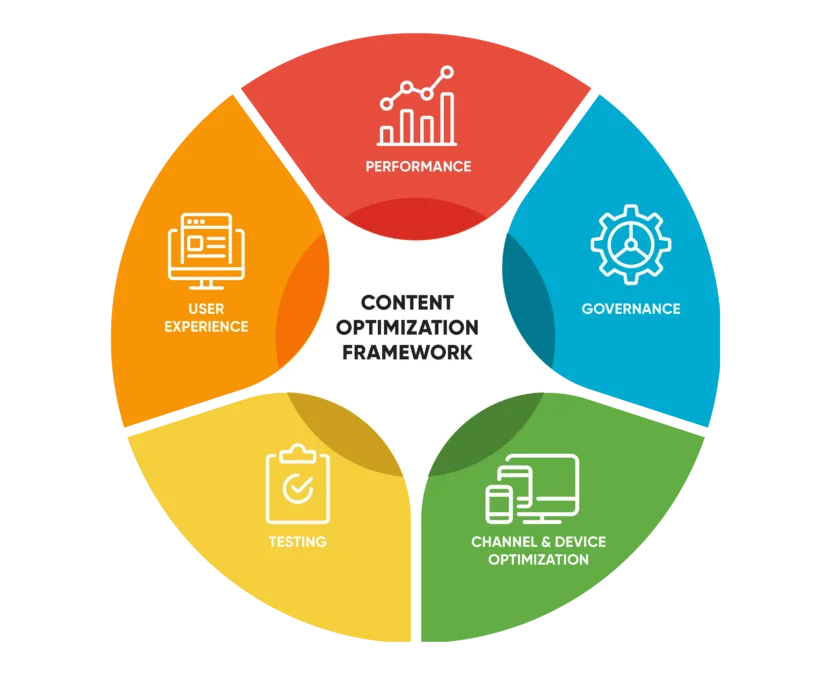
Source: Content Optimization Framework
The traditional playbook for on page SEO is being rewritten, with experts shifting away from mechanical tactics toward strategies that genuinely enhance user experience and demonstrate subject matter expertise.
Shifting from keyword density to topic depth
The evolution of search algorithms has rendered keyword frequency nearly obsolete as a primary ranking factor. Search engines now prioritize the depth and breadth with which a website covers a subject or topic authority.
This shift reflects how search engines have evolved to mimic human understanding, with updates like BERT and MUM helping them grasp context and relationships between ideas. Experts now recommend building content using the pillar-and-cluster model, starting with a core topic and creating supporting articles that branch from it.
This interconnected content structure helps search engines understand that your site covers topics comprehensively, creating what one expert calls:
“A web of relevance”
Internal linking plays a crucial role in this approach, reinforcing relationships between topics and passing link equity across your site.
The rise of E-E-A-T and content trust signals
Experience, Expertise, Authoritativeness, and (E-E-A-T) have become a cornerstone of successful Trustworthiness on page SEO optimization. The addition of the second “E” for “Experience” is particularly significant, as Google recognized that first-hand experience is critical to expertise and credibility. This is particularly true for Your Money or Your Life (YMYL) topics, which can impact a person’s health, financial stability, or safety.
Trustworthiness stands as the central, most important component of E-E-A-T. As Google’s updated Search Quality Rater Guidelines state:
“Because untrustworthy pages have low E-E-A-T no matter how Experienced, Expert, or Authoritative they may seem.”
To demonstrate high E-E-A-T, experts recommend:
- Showcasing first-hand experience through author bios and personal references
- Demonstrating subject matter expertise through depth and accuracy
- Building authority through high-quality content and industry recognition
- Ensuring transparency about content creators and maintaining ethical practices
Why UX and readability are now ranking factors
User experience (UX) and SEO have essentially become two sides of the same coin. Search engines, primarily Google, now use well-defined metrics to rank sites based on UX, such as Core Web Vitals and helpful content. This alignment makes perfect sense since both SEO and UX share the same purpose: addressing user needs most optimally.
Content readability functions as both a direct and indirect ranking factor. When content is grammatically correct, easy to read, and properly formatted, it’s more likely to achieve a high position in search results. Simultaneously, high readability leads to increased engagement and session duration with lower bounce rates, behavioral signals that indicate to search engines that your page delivers value.
Website load speed remains one of the most critical on-page SEO factors, with approximately 82% of people saying slow web pages impact their buying decisions. Furthermore, about 45.4% of users are less likely to complete purchases on slow-loading sites. When visitors leave unsatisfied due to poor load speed and re-run the same search query, it signals to search engines that your site provides poor UX, eventually leading to ranking losses.
What Is On Page SEO in the Context of AI and LLMs?
Artificial intelligence has fundamentally changed on-page SEO by reshaping how search engines interpret and rank content. Today, AI doesn’t just look at keywords; it analyzes context, structure, and user intent to determine relevance.
How AI interprets structured content
AI systems process web content differently from human readers. When evaluating a page, AI breaks it into smaller pieces, analyzing each segment for relevance. This segmentation allows search engines to understand content at a deeper level, identifying the most valuable information even within lengthy articles.
Structured content provides a clear, standardized format that AI can easily process. Unlike unstructured text, which presents challenges for AI interpretation, well-structured content with proper headings, lists, and organized sections enables AI to efficiently extract meaning.
For instance, breaking content into smaller, reusable modules allows AI to repurpose these pieces across various platforms, significantly reducing manual effort.
Formatting for passage ranking and summarization
It represents a significant advancement in Google’s passage ranking system on page SEO techniques. This AI system identifies specific sections or “passages” within a webpage to better understand its relevance to search queries. Instead of evaluating pages solely as complete units, passage ranking allows Google to surface highly specific information buried deep within content.
To optimize for passage ranking:
- Divide content into distinct sections with descriptive H2 and H3 subheadings
- Ensure each section addresses a specific subtopic thoroughly
- Use proper HTML structure including lists and tables for better AI comprehension
- Focus on long-form content that provides comprehensive coverage
Using schema markup to enhance visibility
Schema markup serves as a translator between your content and AI systems. By implementing structured data, you provide explicit information about your content’s structure and meaning, enabling AI models to generate more accurate summaries.
JSON-LD is Google’s preferred format for schema markup, making it easier for search engines to understand webpage content. Importantly, while LLMs don’t directly use structured data, they often rely on knowledge graphs that are populated with schema information.
Therefore, effectively implementing schema markup strengthens brand recognition and increases the likelihood of being featured in AI-generated responses.
For optimal results, focus on schema types like FAQs, How-Tos, and Articles, as these improve eligibility for rich results and AI-generated answers. Above all, structured data remains fundamental for optimizing on-page Seo in the AI era.
How to Future-Proof Your On-Page SEO Strategy
Future-proofing your on-page SEO requires a strategic approach that withstands algorithm volatility and changing search landscapes. With research showing that over 2.5 years and only 22% of pages in the top 10 results being less than a year old average top-ranking page on Google is nearly 950 days old, implementing sustainable strategies has become crucial.
Building evergreen content that adapts to updates
Evergreen content serves as the backbone of future-proof on-page SEO. This type of content remains continually relevant, stays “fresh” for readers over extended periods, and builds consistent traffic streams. First, focus on topics that don’t drastically change year to year, containing foundational knowledge. Subsequently, avoid time-sensitive elements like news articles, current statistics, or passing trends.
For optimal results, implement regular content audits on a set schedule (semesterly, for instance) to maintain relevance. Likewise, update published content periodically by incorporating new data, examples, and insights to keep it current. This practice has been shown to significantly benefit SEO rankings.
Monitoring algorithm changes with SEO tools
Staying alert to algorithm shifts requires proper tools and metrics. Several reliable resources help track Google’s updates, including the SearchLiaison X account, MozCast, Semrush Sensor, and Accuranker. These tools provide volatility scores indicating SERP changes with normal levels ranging from 0-5 on Semrush Sensor and below 70°F on MozCast.
When suspecting an algorithm impact, analyze key metrics in Google Search Console: clicks, impressions, average position, and click-through rate. Furthermore, utilize the Page Indexing and Enhancements reports to conduct thorough SEO health checks after updates.
Creating scalable on-page SEO frameworks
A scalable on-page SEO optimization framework enables consistent growth amid algorithm changes. Content clustering represents a cornerstone of this approach, organizing content around pillar topics and related subtopics to signal topical authority. In addition, programmatic SEO can elevate content scaling through templates and automation, with one case study showing a using this method 38% increase in organic sessions.
Ultimately, effective frameworks include automated processes for repetitive tasks, templated approaches to maintain quality while increasing output, and clear prioritization methods. These elements create virtuous cycles where each optimization builds upon previous work to yield compound returns over time.
Which On-Page SEO Tools Help You Stay Compliant?
Selecting the proper on-page SEO tools forms a critical component of any successful optimization strategy.
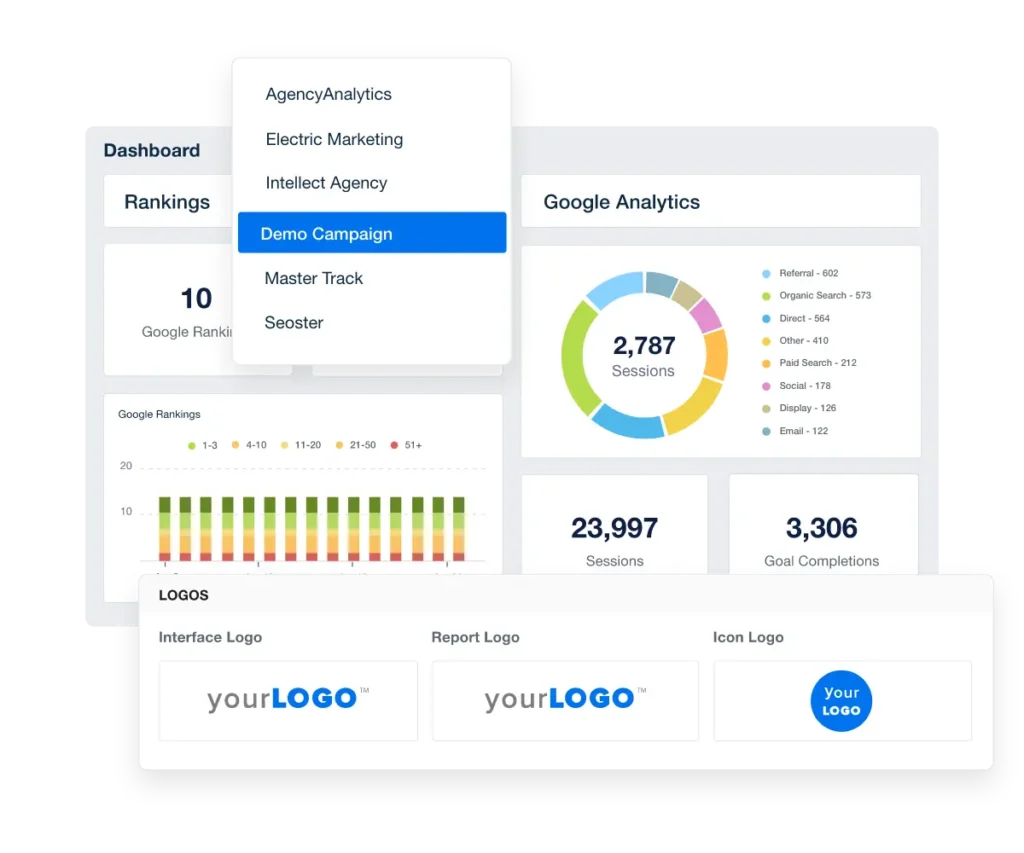
Source: Agency Analytics
As Google’s algorithms become increasingly complex, these tools help identify and fix compliance issues before they impact rankings.
Top tools for real-time SEO audits
Google Search Console stands as the cornerstone tool providing direct insights from Google about your site’s performance. This free resource shows which pages have been indexed, identifies crawling errors, and reveals which keywords drive traffic to your site.
Similarly, Screaming Frog excels at finding technical issues with than manual audits 89% more accurately. For comprehensive analysis, Semrush offers over 55 tools in one platform.
Features to look for in an on-page SEO tool
Effective on-page SEO tools should provide detailed crawl capabilities, identifying broken links and technical issues. Look for tools offering keyword research functionality alongside performance monitoring.
Real-time updates have become increasingly valuable, with tools like Conductor Website Monitoring providing up-to-the-minute analysis. Additionally, seek platforms that prioritize issues based on impact.
How to integrate tools into your content workflow
Establishing an SEO workflow requires perfect collaboration between writers, editors, and SEO specialists. Incorporate tools early in content development to align with overall SEO goals.
Regular training on these tools ensures team members stay updated on best practices. Furthermore, setting checkpoints for keyword optimization and meta tag creation maintains consistent quality standards.
Key Takeaways
Google’s latest algorithm updates have fundamentally shifted on-page SEO from keyword-focused tactics to user-centric strategies that prioritize expertise and experience.
• Quality over quantity wins: Google now penalizes keyword stuffing and thin AI content while rewarding comprehensive topic coverage and genuine expertise.
• E-E-A-T signals are crucial: Experience, Expertise, Authoritativeness, and Trustworthiness have become core ranking factors, especially for YMYL content.
• User experience directly impacts rankings: Core Web Vitals, page speed, and readability are now weighted ranking factors, not just tiebreakers.
• AI requires structured content: Proper formatting, schema markup, and organized sections help AI systems understand and rank your content effectively.
• Future-proof with evergreen strategies: Build scalable frameworks using content clusters, regular audits, and monitoring tools to adapt to constant algorithm changes.
The key to modern SEO success lies in creating genuinely valuable content that demonstrates expertise while maintaining technical excellence. Focus on serving your audience first, and the rankings will follow.
Conclusion
On-page SEO has undoubtedly transformed from a keyword-centric discipline to a multifaceted strategy focused on user value and expertise. Throughout this article, we’ve explored how Google’s frequent algorithm updates have reshaped the fundamental rules of optimization. Accordingly, successful SEO now demands adaptation rather than adherence to outdated formulas.
The shift from keyword density to topic authority stands as perhaps the most significant change in our field. Previously, we could simply insert target phrases at specific densities; however, search engines now evaluate content based on comprehensive coverage and genuine expertise. Therefore, our approach must prioritize creating interconnected content that demonstrates true subject mastery.
E-E-A-T signals have essentially become the cornerstone of effective on-page optimization. Without trustworthiness, even the most technically perfect content fails to meet Google’s standards. This evolution aligns perfectly with what users actually want – reliable information from credible sources.
User experience factors likewise play a crucial role in modern SEO success. Page speed, readability, and thoughtful structure directly impact both rankings and user engagement. Consequently, we must view UX optimization not as separate from SEO but as an integral component of our strategy.
AI and large language models have fundamentally altered how search engines interpret content. Structured information, proper formatting, and schema markup help these systems understand our pages better. Thus, adapting to AI-driven search means organizing content logically while maintaining human value.
Looking ahead, the SEO landscape will continue evolving at an unprecedented pace. Still, certain principles remain constant, creating valuable content, staying informed about algorithm changes, and implementing scalable frameworks. These approaches provide stability amid constant change. The right tools certainly make compliance easier, offering insights that manual analysis might miss. Nevertheless, tools alone cannot replace strategic thinking and adaptation to emerging trends.
After all, successful on-page SEO ultimately comes down to balancing technical optimization with genuine value creation. By focusing on user needs first while applying strategic optimizations, we position ourselves for sustainable growth regardless of algorithm updates. Though specific tactics may change, the core principle remains unchanged – creating content that truly serves our audience while maintaining technical excellence.
Frequently Asked Questions
How has Google’s approach to on-page SEO changed recently?
What are the key factors affecting on-page SEO rankings in 2025?
How does AI impact on-page SEO strategies?
AI has changed how search engines interpret content. Structured data, proper formatting, and schema markup help AI systems understand and rank pages more effectively. SEO strategies now need to focus on creating content that’s both user-friendly and easily interpretable by AI.
What are some effective ways to future-proof on-page SEO?
How important is user experience in current SEO practices?