
Northern Japan is rocked by a powerful 7.6 Earthquake, prompting urgent tsunami warnings and mass panic across coastal regions.
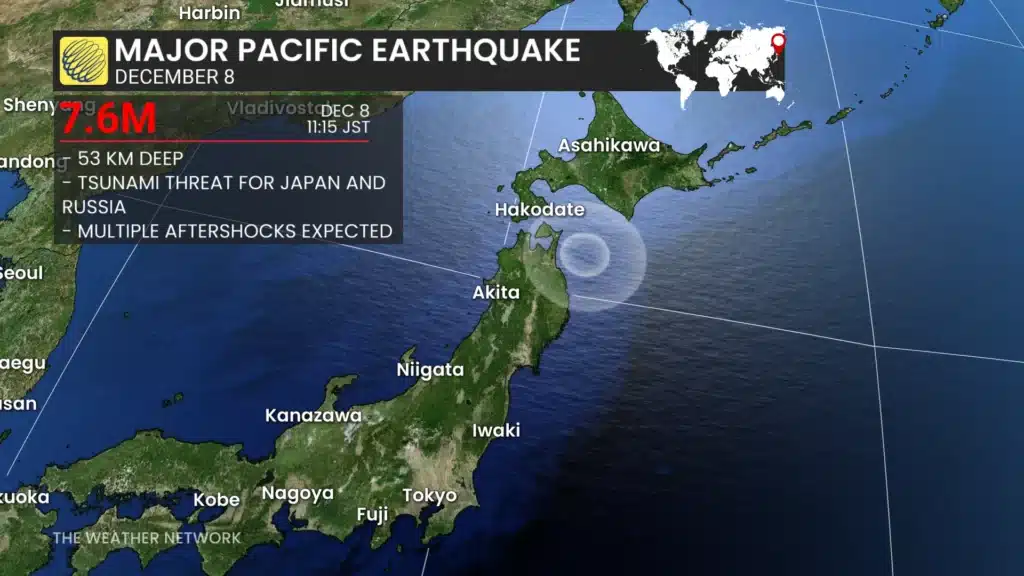
A powerful magnitude 7.6 earthquake struck off Japan’s northeastern coast late on Monday, prompting tsunami alerts, evacuation orders for around 90,000 people, and temporary disruption to transport and local services. The Japan Meteorological Agency (JMA) later downgraded full tsunami warnings to advisories after only relatively small waves were observed, but authorities are still urging caution as assessments continue.
Epicenter, Shaking, And Tsunami Observations
The quake hit at about 11:15 p.m. local time on December 8, with its epicenter roughly 80 km (about 50 miles) off the coast of Aomori Prefecture at a depth of around 50 km. JMA initially warned that tsunami waves up to 3 meters (10 feet) could strike parts of the northeastern coastline, including Hokkaido, Aomori, and Iwate.
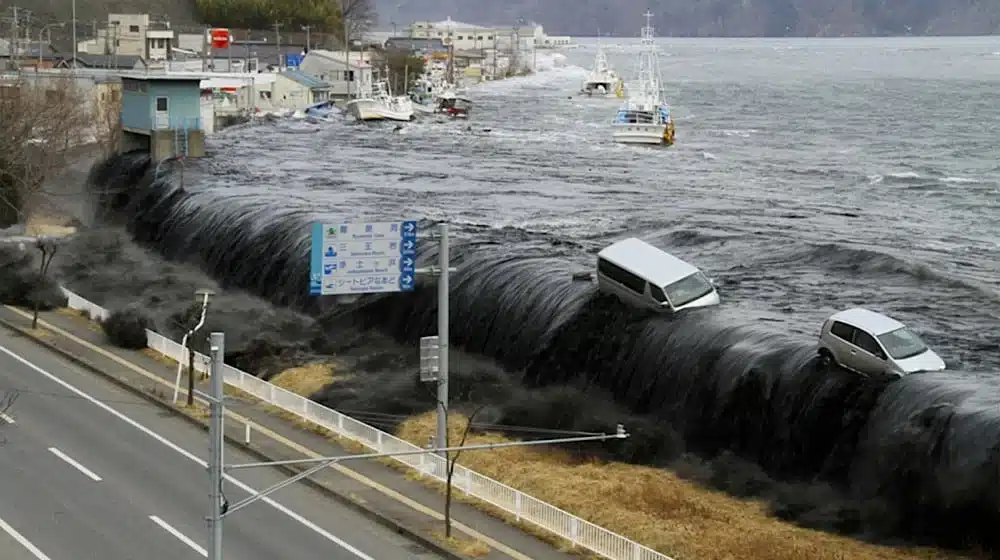
In the hours that followed, tsunami waves between roughly 20 and 70 cm (about 7 to 27 inches) were recorded at several ports, including 40 cm (16 inches) at Mutsu Ogawara in Aomori and Urakawa in Hokkaido, before the agency scaled back the alerts to lower-level advisories.
The Pacific Tsunami Warning Center noted that hazardous waves were possible within 1,000 km (620 miles) of the epicenter along parts of the coasts of Japan and Russia, but no wider Pacific threat materialized.
Evacuations, Injuries, And Local Damage
As a precaution, about 90,000 residents in affected coastal areas were advised to move to designated evacuation shelters or higher ground. Public broadcaster NHK reported several injuries, including multiple people hurt at a hotel in Hachinohe, Aomori, and a man injured when his vehicle dropped into a quake-induced hole in the town of Tohoku.
Fires were also reported in parts of Aomori Prefecture, and East Japan Railway temporarily suspended some train services while infrastructure checks were carried out. The government activated an emergency response office within the prime minister’s crisis management center, with Chief Cabinet Secretary Minoru Kihara saying:
“Authorities were making every effort to assess the damage and implement emergency disaster response measures, including rescue and relief operations.”
Government Messaging And Nuclear Safety Status
Prime Minister Sanae Takaichi urged residents in at-risk zones to evacuate quickly wherever tsunami warnings or advisories were in place, stressing that people should move to higher ground or designated evacuation buildings rather than wait for more information.
Japanese TV carried urgent on-screen alerts, including messages such as “Tsunami! Run!” to reinforce the need for immediate action in affected coastal communities.
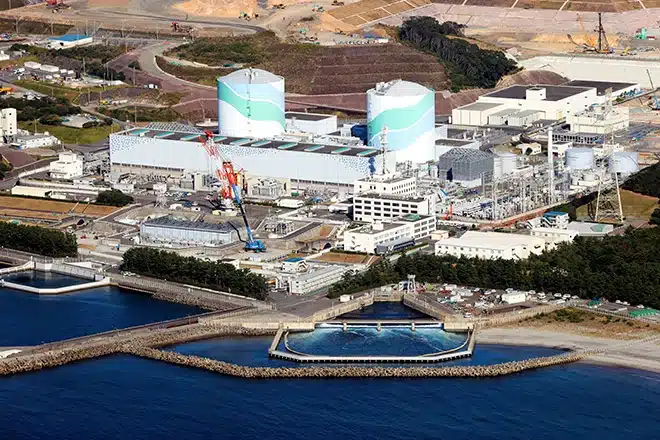
To many observers, nuclear safety is the first concern after any major quake in Japan. Tohoku Electric Power reported no irregularities at the Higashidori and Onagawa nuclear facilities, and authorities told the International Atomic Energy Agency (IAEA) that there were no abnormal readings at the disabled Fukushima Daiichi site. The IAEA separately confirmed that it had seen no signs of issues at Fukushima following the tremor.
Broader Seismic Context And International Outlook
Japan sits on the seismically active Pacific “Ring of Fire” and experiences about 20 percent of the world’s earthquakes of magnitude 6.0 or greater, including the devastating magnitude 9.0 Tōhoku quake and tsunami in March 2011 that killed more than 18,000 people.
Strict building codes, early warning systems, and regular drills mean the country is better prepared than most, but events of this scale are still a stark reminder of the underlying risk.
For travelers and observers abroad, US officials have been clear that this event poses no tsunami threat to American coastlines. The US National Tsunami Warning Center said no tsunamis are expected along the shores of Alaska, Hawaii, or the US West Coast states of California, Oregon, and Washington.
Even so, regional agencies around the Pacific are monitoring aftershocks and ocean conditions closely, while local authorities in Japan continue to evaluate damage, support evacuees, and watch for any secondary impacts.