
Minneapolis, Minnesota — A 37-year-old man was shot and killed Saturday morning by federal immigration officers in Minneapolis during a large-scale immigration enforcement operation, authorities and witnesses say. The incident has drawn protests, political condemnation, and renewed scrutiny of federal law enforcement tactics in the city.
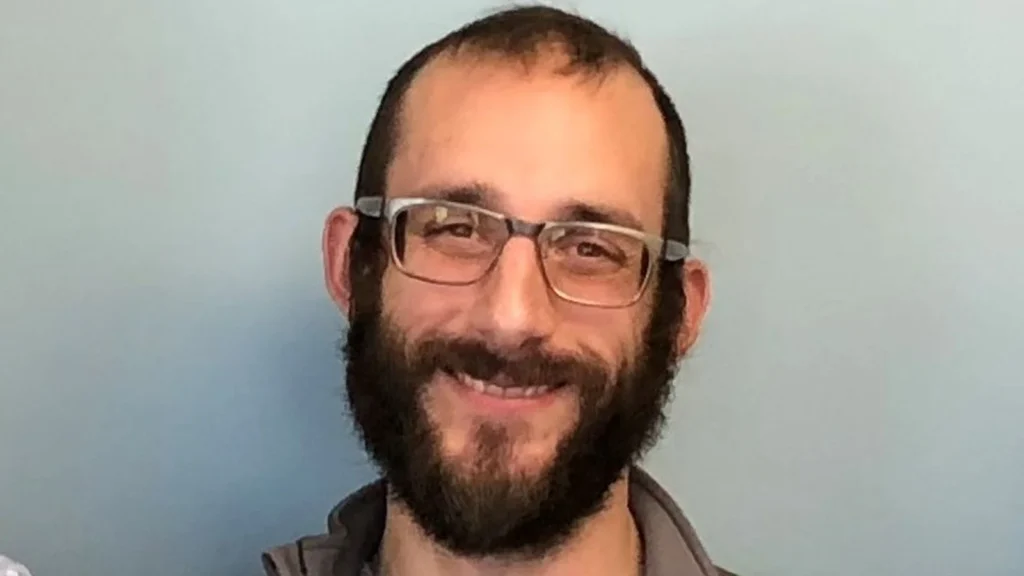
Local officials and family members have identified the man as Alex Jeffrey Pretti, an intensive care nurse and U.S. citizen, who was killed in the Whittier neighborhood of south Minneapolis. Federal officials circulated photos of a weapon that they said Pretti carried and described the shooting as a response to an immediate threat. After Pretti allegedly resisted attempts to disarm him during a confrontation near West 26th Street and Nicollet Avenue, federal authorities’ agents fired:
“defensive shots”
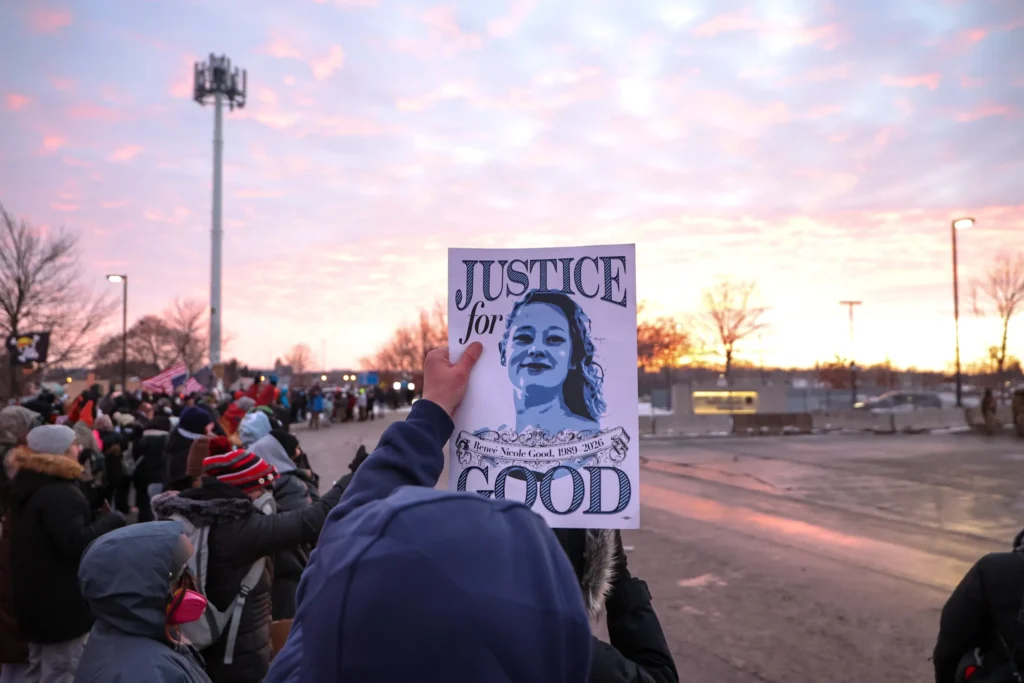
Pretti’s death followed another highly controversial shooting earlier in January, when Renee Nicole Good, also 37 and a U.S. citizen, was shot and killed by an ICE agent during an immigration operation in Minneapolis on January 7; multiple gunshot wounds were later ruled a homicide by the county medical examiner, and her family disputes the federal narrative that she posed a threat.
Incident and Official Statement
However, video evidence and witness statements contradict key aspects of this account. Bystander footage circulating on social media shows federal agents wrestling Pretti to the ground, pepper-spraying protesters, and Pretti holding what appears to be a mobile phone rather than a firearm before shots were fired.
Family members and colleagues describe Pretti as a compassionate ICU nurse and lawful gun owner who participated peacefully in protests against aggressive immigration enforcement tactics. The fatal shooting occurred amid a spike in controversial federal immigration enforcement known as Operation Metro Surge and follows a similar January shooting in Minneapolis involving another federal agent.
Following the killing of Alex Jeffrey Pretti, Border Patrol Chief Gregory Bovino stated in a news conference that:
“When individuals make poor choices, poor decisions come into a law enforcement situation.”
Protests and Public Reaction
Pretti’s fatal shooting triggered widespread outrage and protests not only in Minneapolis but across multiple U.S. cities including New York, San Francisco, Boston, and Los Angeles. Demonstrators have called for accountability, an end to aggressive ICE and Border Patrol operations, and even the abolition of ICE.
Many Minnesota leaders, including Minnesota Governor Tim Walz, condemned the shooting and called for an end to the federal operation. U.S. Senator Amy Klobuchar also urged ICE to withdraw from the state, saying:
“the incident reflects growing concerns about the conduct and oversight of federal immigration agents.”
The Department of Homeland Security has said it will conduct a review of the shooting, but details remain limited as public outcry and calls for an independent investigation grow. The Minneapolis Police Chief, adding depth to the dispute over what transpired, acknowledged Pretti was:
“a legally armed resident with no significant criminal record beyond minor traffic violations.”
Civil liberties advocates, including the American Civil Liberties Union (ACLU) and its Minnesota affiliate, have condemned the killing as part of a pattern of excessive force by immigration enforcement officers. They are urging federal withdrawal from local communities and independent investigations into use-of-force practices.
Trump Defends ICE, Blasts Local Leaders
President Trump has strongly defended federal immigration agents following the fatal shooting of a man by ICE officers in Minneapolis, rejecting criticism from Minnesota officials and civil rights groups. Trump framed the incident as a consequence of resistance to federal law enforcement, describing the operation as lawful and necessary, urging authorities to:
“let ICE do their job.”
In public statements and social media posts, Trump accused state and local leaders of inflaming tensions and “undermining” immigration enforcement, going as far as alleging that criticism of ICE amounted to encouraging disorder. He emphasized that federal agents were acting in self-defense and shared images purportedly linked to the incident to bolster claims that officers faced an armed threat.
Trump’s reaction has intensified the political fallout surrounding the killing, deepening divisions between federal and state authorities over immigration enforcement and use of force. As investigations into the shooting continue, his remarks reinforce a broader law-and-order narrative that prioritizes aggressive immigration control, even as calls grow for independent oversight and accountability for federal agents involved in lethal encounters.
Broader Policy and Constitutional Questions
The repeated fatal shootings during the Trump administration’s expanded immigration enforcement operations raise systemic legal concerns. These include:
- Federal overreach and the militarization of domestic immigration enforcement, drawing criticism that ICE and related entities are deployed in ways that exceed traditional federal priorities and disrupt local governance.
- Protester rights and civil liberties, particularly whether actions against individuals documenting or opposing enforcement violate free speech and assembly protections.
- Transparency and accountability in federal operations, given resistance to state investigation access.
The incidents have also fueled national debate over federal budget appropriations for the Department of Homeland Security and whether Congress should impose constraints on ICE and Border Patrol operations in response to civil rights concerns.
Timeline: Key Developments in the Anti-ICE Protests
January 7, 2026 – Renée Nicole Good is fatally shot by an ICE agent in Minneapolis during an enforcement operation, triggering immediate local protests.
January 8, 2026 – Protests spread after a separate federal shooting incident in Portland, Oregon, where two people were wounded during an immigration enforcement action.
January 10, 2026 – Tens of thousands of demonstrators march in Minneapolis as coordinated anti-ICE protests take place in cities across the United States, including Phoenix, Durham, and Washington, D.C.
January 11-12, 2026 – Clashes occur between protesters and federal agents in Minneapolis. Chemical irritants and non-lethal munitions are reported to have been used against crowds.
January 13, 2026 – Several federal prosecutors resign, citing concerns over the Department of Justice’s refusal to open a civil rights investigation into the Minneapolis shooting.
January 14, 2026 – A second shooting involving an ICE agent is reported in Minneapolis, where a Venezuelan national is wounded during an enforcement operation, intensifying protests and criticism.
January 16, 2026 – A federal judge in Minnesota issues an injunction restricting ICE and other federal agents from detaining or using force against peaceful protesters without reasonable suspicion of criminal activity.
January 17–18, 2026 – Federal officials signal readiness to escalate enforcement. About 1,500 active-duty U.S. troops are placed on standby amid warnings that the Insurrection Act could be invoked if unrest continues.
January 19, 2026 – The Department of Justice confirms it will not pursue a federal investigation into the ICE agent involved in the fatal shooting but announces inquiries into Minnesota state and city officials over alleged obstruction of federal enforcement.
January 20–23, 2026 — Economic Blackout Protest: Labor unions and community groups organize an economic blackout and demonstrations in Minneapolis against federal immigration enforcement and ICE tactics, drawing broad local support.
January 24, 2026 — Alex Pretti Killing: Federal immigration agents fatally shoot 37-year-old ICU nurse Alex Pretti during an immigration enforcement operation in Minneapolis, marking the second fatal shooting by federal agents in the city in weeks and sharply escalating tensions.
January 24–25, 2026 — Mass Protests and Clashes: Thousands of protesters gather in Minneapolis and spread to cities including New York, Los Angeles, San Francisco, and Boston, demanding accountability and the removal of ICE agents; clashes with law enforcement occur as federal agents use crowd-control measures.
January 25, 2026 — Judge Orders Preservation of Evidence: A federal judge issues a temporary restraining order requiring the Department of Homeland Security to preserve evidence related to the Pretti shooting after a legal challenge by Minnesota authorities focused on DHS’s handling of the scene.
January 25–26, 2026 — National Ripples: The protests and political response continue to grow, prompting broader debate over federal immigration enforcement and civil rights. Mass protests erupt across Minneapolis. City officials, civil rights groups, and members of Congress demand the withdrawal of federal agents and independent investigations.
January 26, 2026 — Minnesota state leadership formally objects to the federal deployment, citing public safety concerns and lack of coordination.
January 27, 2026 — President Trump signals a pullback, and Border Patrol Commander Gregory Bovino is reported to be leaving Minneapolis. Federal authorities announce leadership restructuring and operational reassessment.