
WASHINGTON — The U.S. Department of Justice (DOJ) has published a massive new tranche of documents related to the Jeffrey Epstein investigation, over 3 million pages of records, 2,000 videos, and 180,000 images in what it says is compliance with the Epstein Files Transparency Act, signed into law last year.
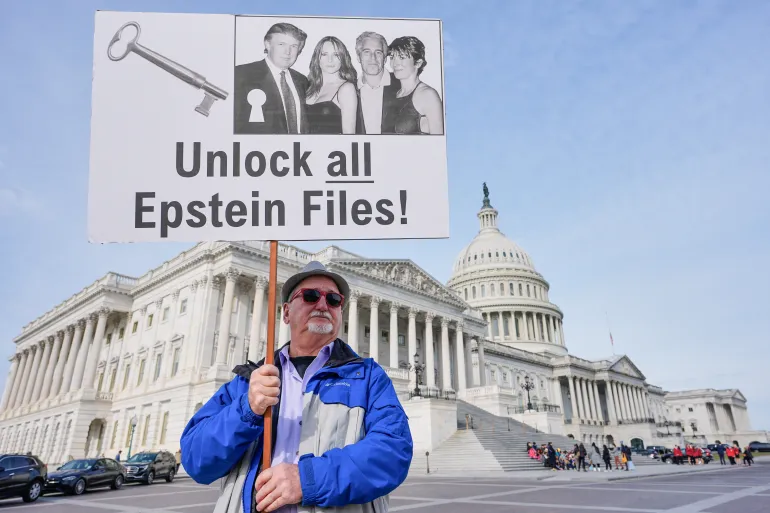
Background: The Epstein Files Controversy
The controversy surrounding the Epstein files stems from years of secrecy, prosecutorial discretion, and alleged institutional failure in handling one of the most significant sex-trafficking cases in modern U.S. history. Jeffrey Epstein, a wealthy financier with powerful political, corporate, and royal connections, was accused of running an international sex-trafficking operation involving underage girls for decades.
Despite extensive evidence and victim testimony, Epstein received a highly unusual 2008 non-prosecution agreement in Florida that shielded him, and potentially unnamed co-conspirators, from federal charges, an arrangement later ruled unlawful by a federal court for violating victims’ rights.

Following Epstein’s 2019 arrest and death in federal custody, public attention shifted from Epstein himself to the role of prosecutors, federal agencies, and elite associates who were allegedly protected by secrecy agreements, sealed indictments, and classified investigative files. Survivors and lawmakers accused the Department of Justice of suppressing information, failing to pursue co-conspirators, and prioritizing reputational protection over accountability.
Demand for Transparency
The demand for transparency intensified as civil lawsuits revealed that vast quantities of evidence, including witness statements, financial records, flight logs, and internal prosecutorial communications, remained sealed or undisclosed. Critics argued that the secrecy undermined public trust in the justice system and suggested two-tier enforcement, where wealth and influence insulated powerful individuals from scrutiny.
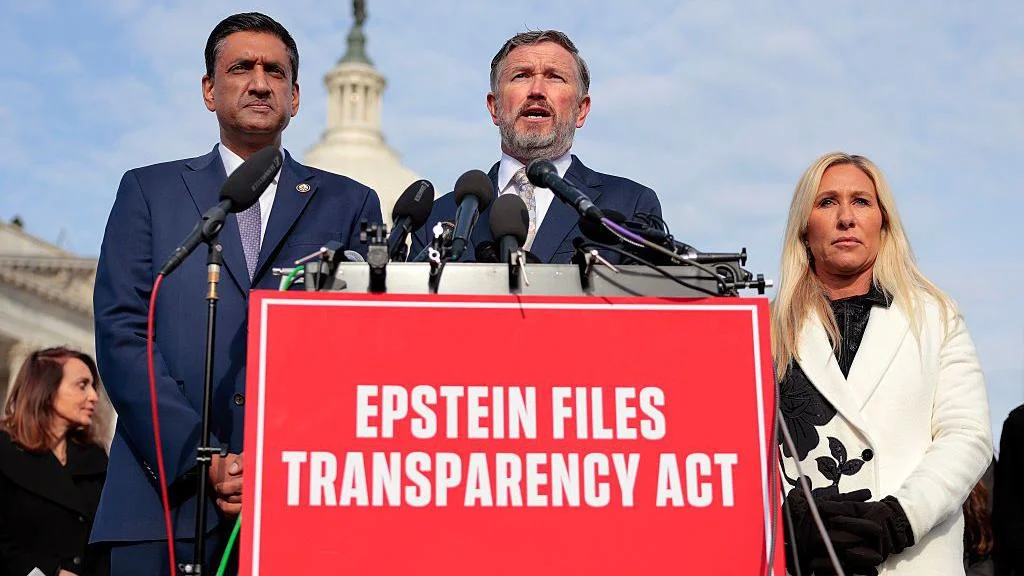
This pressure culminated in the Epstein Files Transparency Act, which legally compelled the DOJ to release unclassified materials. However, the 2026 disclosures reignited controversy rather than resolving it. Victim advocates allege that the releases were delayed, selectively redacted, and incomplete, while lawmakers question whether DOJ disclosures meaningfully advance accountability or merely satisfy minimum statutory requirements.
Why the Files Are Being Released Now
The latest release stems directly from political and legal pressure culminating in bipartisan legislation passed by the U.S. Congress in November 2025. The Epstein Files Transparency Act was approved overwhelmingly by the House (427–1) and the Senate before being signed into law by President Donald Trump on November 19, 2025. The statute required the DOJ to make public all unclassified records related to Epstein’s criminal enterprise and related investigations.
The law set a 30-day deadline for release, but the DOJ missed the initial deadline of December 19, 2025, triggering criticism from lawmakers and abuse survivors over transparency and compliance. In response to legislative mandate and sustained public interest, including from survivors seeking accountability, the DOJ has now released what it describes as the remaining major set of responsive records.
What the Latest Release Contains
The documents include materials collected in multiple investigations, including federal cases in Florida and New York, FBI inquiries, and the Office of Inspector General’s review featuring emails, court records, investigative notes, photos, videos, phone logs, and travel data linked to Epstein and associates.

Although filenames include references to high-profile figures, DOJ officials stress that the release does not imply wrongdoing by those individuals, and that many mentions relate to unverified material. Deputy Attorney General Todd Blanche insisted there is currently no credible basis for new criminal charges arising solely from the newly disclosed documents, but maintained the releases fulfill the legal requirements.
Political Context and Timing
The timing reflects both legal obligation and political calculation. The Transparency Act was passed amid intense scrutiny over alleged political interference and claims of withheld evidence during prior handling of the Epstein cases. Critics accused the DOJ of delaying or soft-pedalling full disclosure, prompting lawmakers from both parties to push for the law’s enactment.
The administration’s broader political pressures, including public distrust over redactions and criticism that files might be used in partisan narratives, contributed to the frenzied pace and continuing public demand for transparency.
Some lawmakers have continued to press the DOJ to disclose even more material, arguing that the released subset of about 3.5 million pages represents only roughly half of potentially responsive documents identified by federal prosecutors.
Legal and Judicial Consequences
The Epstein files controversy is not just about one criminal case; it is about institutional credibility, victims’ rights, and whether the legal system applies equally when alleged crimes implicate the global elite.
Compliance with the Law vs. Continued Criticism
The DOJ argues that the January 30, 2026 release brings it into compliance with the Epstein Files Transparency Act, meeting the statutory obligation even while acknowledging redactions and categorically withholding privileged or protected material.
However, lawmakers and survivors continue to challenge whether the department has truly fulfilled its obligation. Some Democrats have labeled the partial release a “cover-up” and have threatened ongoing oversight or additional legal action to compel further disclosures.
Privacy and Redaction Errors
The extensive release has triggered immediate privacy concerns, including evidence that at least 43 abuse victims’ names were inadvertently unredacted and made public, prompting lawyers to petition federal courts to remove files and appoint independent oversight to fix redaction failures.
Victims’ advocates argue that the failure to adequately redact such personally identifying information violates statutory protections for survivors and could expose them to harassment or harm, leading to potential legal challenges under privacy law and requests for judicial remedies.
Political and Reputational Fallout
Although the DOJ maintains that no new criminal cases are justified based solely on the latest disclosures, the politically sensitive nature of the names and associations in the files has already had real consequences:
• Some international figures, including Slovak politician Miroslav Lajčák, resigned amid revelations of extensive correspondence with Epstein in released emails.
• British political leadership has faced pressure to respond to names and alleged connections emerging from the files, including calls for cooperation with U.S. investigations.
Oversight and Future Litigation
Survivors and congressional proponents of transparency are pushing for additional oversight, including review of how redaction processes were handled, more detailed reports on withheld content, and potentially litigation to enforce fuller disclosure under the statute.
Broader Implications
The release has renewed global attention on Epstein’s network and the role of powerful individuals previously mentioned in the files. It has reignited debates over institutional accountability, particularly whether strict adherence to statutory transparency obligations can coexist with necessary privacy protections for abused individuals.
The controversies around timing and partial disclosure could encourage future legislation tightening transparency requirements and clarifying penalties for non-compliance in cases involving sexual abuse and high-profile investigations.
As the DOJ navigates the legal aftermath, including privacy lawsuits, congressional oversight, and international political responses, the Epstein files release represents one of the most expansive government disclosures of sensitive criminal investigation material in recent U.S. history.
Legal Timeline: DOJ Release of the Epstein Files
• 2006–2008 – Jeffrey Epstein investigated in Florida; enters a controversial non-prosecution agreement, later criticized as unlawful secrecy.
• 2019 (July) – Epstein arrested in New York on federal sex-trafficking charges.
• 2019 (August) – Epstein dies in federal custody; investigations shift toward institutional accountability and potential co-conspirators.
• 2020–2024 – Civil litigation by survivors expands; courts unseal limited records, while DOJ retains large volumes of investigative material.
• November 2025 – U.S. Congress passes the Epstein Files Transparency Act with overwhelming bipartisan support, mandating disclosure of unclassified Epstein-related records.
• 19 November 2025 – President signs the Transparency Act into law; DOJ given statutory deadlines for release.
• December 2025 – DOJ misses initial disclosure deadline, triggering congressional criticism and survivor advocacy pressure.
• January 2026 – DOJ begins phased release of Epstein records, citing review and redaction requirements.
• 30 January 2026 – DOJ publishes approximately 3.5 million pages of files, asserting compliance with the Transparency Act.
• February 2026 – Legal challenges emerge over redaction failures, exposure of victim identities, and alleged incomplete disclosure; congressional oversight continues.