
Blasts in India and Pakistan’s capital cities intensify South Asian tensions, as Afghanistan’s involvement raises growing fears of an emerging war.
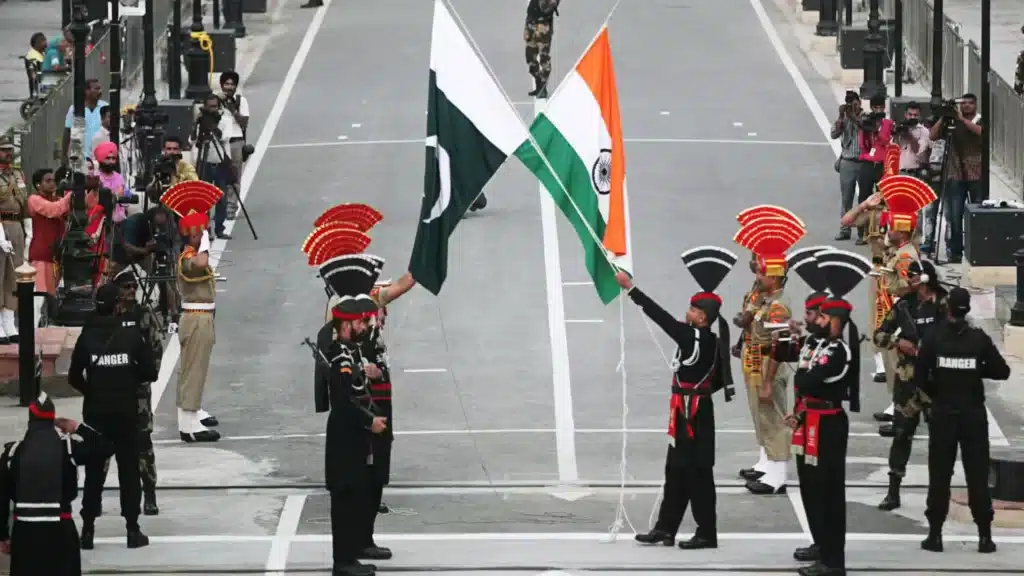
Recent violent incidents across India and Pakistan have exposed the fragile security fabric of South Asia, pushing the region toward a heightened conflict risk. South Asia faces a deepening security crisis as deadly explosions hit the capitals of India and Pakistan, alongside a major terrorist assault on a military cadet college in Pakistan’s border region.
Escalating Tensions in the Last 48 Hours
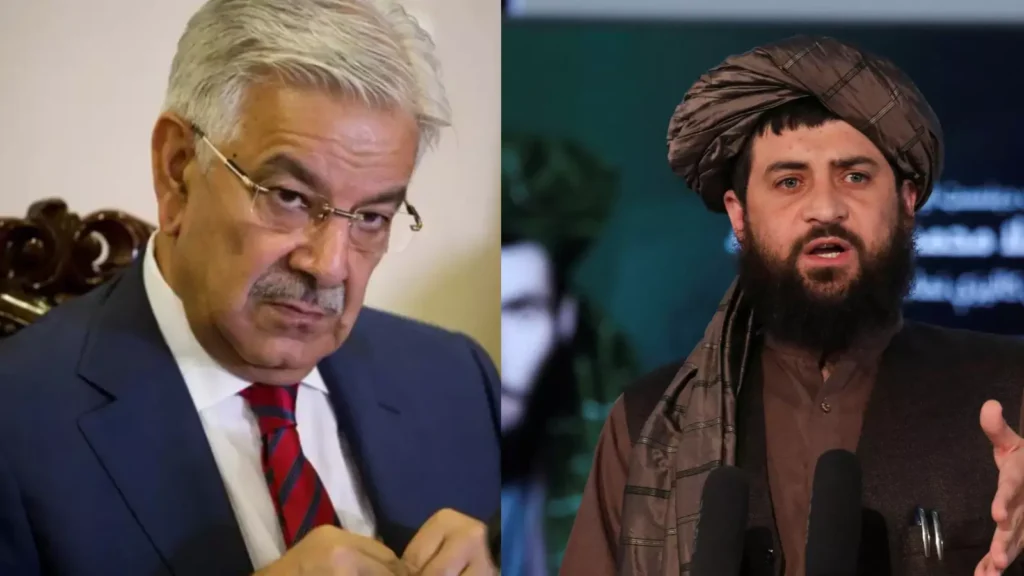
On Monday, a car bomb exploded near New Delhi’s historic Red Fort, killing at least 10 people and injuring over 30. Just a day earlier, Islamabad experienced a devastating suicide blast outside the city’s High Court, killing 12 and injuring more than 20. Pakistan’s Defense Minister Khawaja Asif declared the country in a:
“State of war”
This statement came following this attack, and attributed responsibility to militants linked to Afghanistan and India, framing it as a warning from Kabul.
Simultaneously, security forces in Pakistan successfully thwarted a coordinated terrorist attack on Cadet College Wana in South Waziristan. The attackers, affiliated with the outlawed Tehrik-i-Taliban Pakistan (TTP) and allegedly supported by Indian and Afghan handlers, attempted to take cadets hostage.
Swift military response led to the deaths of two terrorists, with three cornered inside the college’s administrative block. While no cadets or staff were harmed, a suicide car bomb severely damaged infrastructure and wounded at least 16 civilians in the nearby area.
Car Explosion Shakes India in New Delhi’s Historic Heart
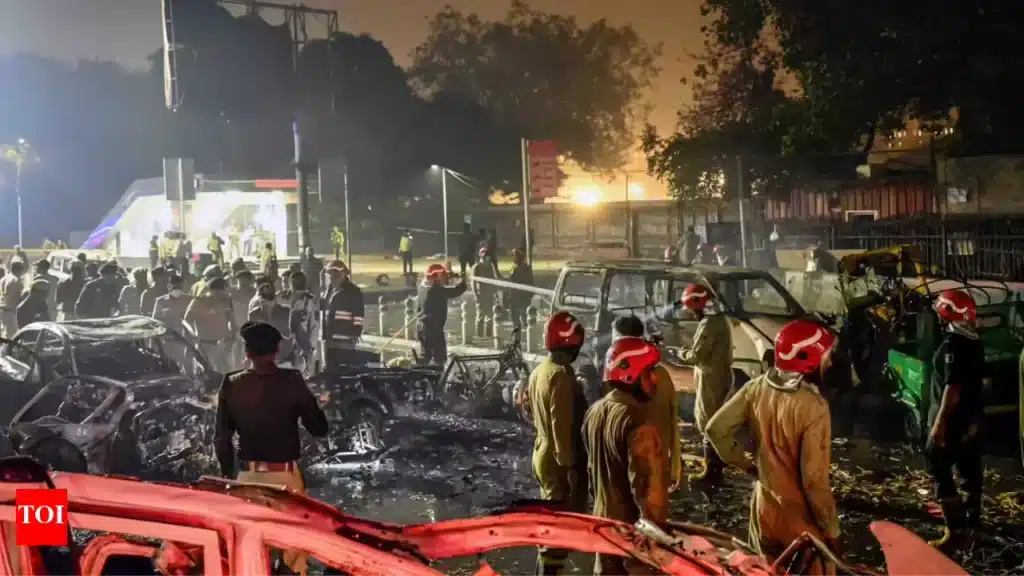
A devastating car explosion struck near New Delhi’s iconic Red Fort on Monday, resulting in at least 10 fatalities and multiple injuries. The blast disrupted one of India’s most historic and bustling areas, causing chaos in the crowded bazaars surrounding the 17th-century monument, a powerful symbol of Indian independence.
Eyewitnesses and footage reveal thick, orange flames lighting the night sky and severely damaged vehicles scattered around. The cause of the explosion remains unconfirmed, but Indian authorities are treating it as a deliberate act, with an ongoing investigation under anti-terror laws.
Prime Minister Narendra Modi, speaking from Bhutan, condemned the attack as a:
“horrific incident”
Prime Minister Modi assured the public that all responsible parties will be held accountable. Defense Minister Rajnath Singh echoed this, pledging transparency and swift justice.
Delhi police and emergency responders have described the scene as tragic, with more than 30 individuals suffering serious injuries. The blast occurred when a slow-moving vehicle stopped near a traffic light before detonating, also causing fires in several surrounding vehicles.
The explosion has triggered a nationwide security lockdown. Airports, railway stations, government offices, and tourist landmarks like the Red Fort remain on high alert, with closures and increased vigilance expected to continue as investigations proceed.
Terrorist Attack on Wana Cadet College-Pakistan
In neighboring Pakistan, security forces thwarted a major terror attempt at a military-run cadet college in Wana, South Waziristan. Two terrorists affiliated with the Tehrik-i-Taliban Pakistan (TTP) were killed during the assault, which involved a suicide car bombing and multiple armed attackers trying to take hostages.
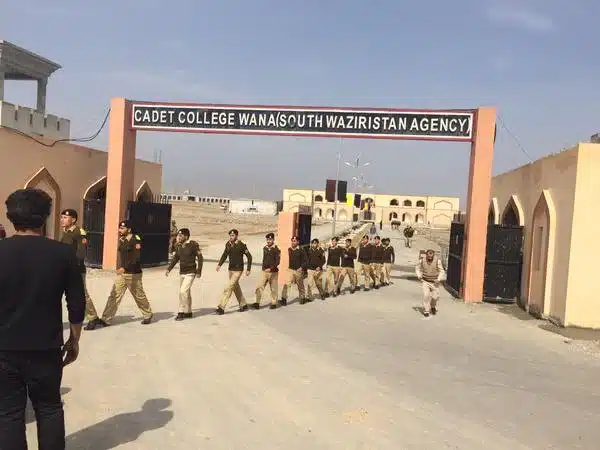
The attackers breached the perimeter but were contained before reaching the main building. No cadets or staff were harmed, though surrounding residential areas suffered significant damage, and at least 16 civilians sustained injuries.
Pakistan’s authorities allege involvement and support from India and militant handlers in Afghanistan, escalating tensions in the region. The TTP, listed as a terrorist organization by the U.S. and U.N., maintains loose ties with the Afghan Taliban but operates independently.
Deadly Blast Strikes Islamabad’s Judicial Court
Islamabad suffered a severe explosion near its High Court, killing 12 and injuring over 20 people, including civilians and officials. The blast, believed to be a suicide attack, took place in a highly secured zone housing several government offices.
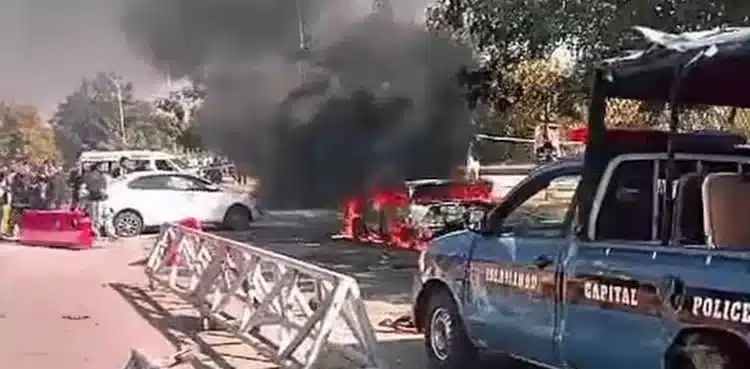
President Asif Ali Zardari condemned the attack, labeling it a:
“suicide blast”
President Zardari instantly called for national resolve. A security source identified militant groups linked to the Afghan Taliban and Indian actors as responsible, though no formal claim has been made.
Defense Minister Khawaja Asif is urging vigilance and signaling increased hostility toward Afghanistan amid failed peace talks and escalating cross-border tensions. He described the attack as a warning from Kabul, affirming Pakistan’s readiness to respond.
Historical Context Deepening the Crisis
This surge in violence occurs against a backdrop of decades-long rivalry and numerous wars between India and Pakistan. The most recent intensification during the May 2025 conflict was sparked by a terrorist attack in Kashmir.
India’s retaliatory “Operation Sindoor” saw strikes across Pakistan but resulted in notable Indian air force losses, including several advanced Rafale fighter jets shot down by Pakistani defenses in their reply in “Operation Bunyan al Marsoos“.
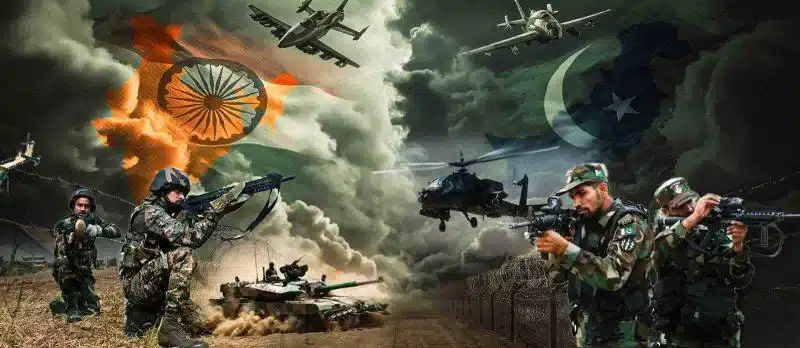
These complex aerial engagements revealed Pakistan’s upgraded weapons and tactical prowess, prolonging hostilities until a fragile truce was negotiated.
Diplomatic relations among India, Pakistan, and Afghanistan are further strained. The failure of peace talks in Istanbul between Pakistan and Afghanistan last month exacerbates suspicions.
Islamabad accuses Kabul of harboring militant groups such as the TTP, which it claims are proxies of India conducting suicidal attacks in Pakistan. Afghanistan rejects these allegations, denying any proxy activities.
Heightened Security and Diplomatic Strains
Following these attacks, India and Pakistan have ramped up security across critical urban centers, government facilities, and cultural landmarks. Vigilance remains elevated amid fears of further militant provocations and proxy warfare.
Pakistan’s official narrative blames Indian and Afghan interference for the recent uptick in violence, while New Delhi emphasizes its fight against terrorism and vows to protect its sovereignty.
The diplomatic aftermath is fraught with distrust and stalled negotiations. Efforts by international mediators to bridge divides have so far been unsuccessful, leaving the region vulnerable to escalations that could spiral into larger-scale conflict.
The reopening of India’s diplomatic mission in Kabul, as Afghanistan navigates Taliban rule, adds further complexity to the geopolitical dynamics.
Urgent Need for De-escalation
South Asia stands at a precipice where historical enmity, militant proxy warfare, and current violent episodes converge, severely challenging regional peace and security.
The combined impact of the recent explosions in Delhi and Islamabad, paired with the foiled terrorist attack in Wana, highlights the tense and perilous state of affairs. A concerted push for coordinated counterterrorism measures and renewed diplomatic dialogue is critical to prevent a further slide into open conflict.
The fragile balance between military preparedness and diplomatic engagement must be carefully managed to safeguard millions of lives dependent on peace in this volatile region.