
Minneapolis, Minnesota — In a significant development amid mounting controversy over federal immigration enforcement in Minneapolis, U.S. Border Patrol Commander Gregory Bovino and some of his agents are expected to depart the city imminently after intense public backlash, political pressure, and legal scrutiny over recent shootings by federal agents. Multiple news outlets report the move comes as the Trump administration reconsiders its aggressive immigration surge in the state.
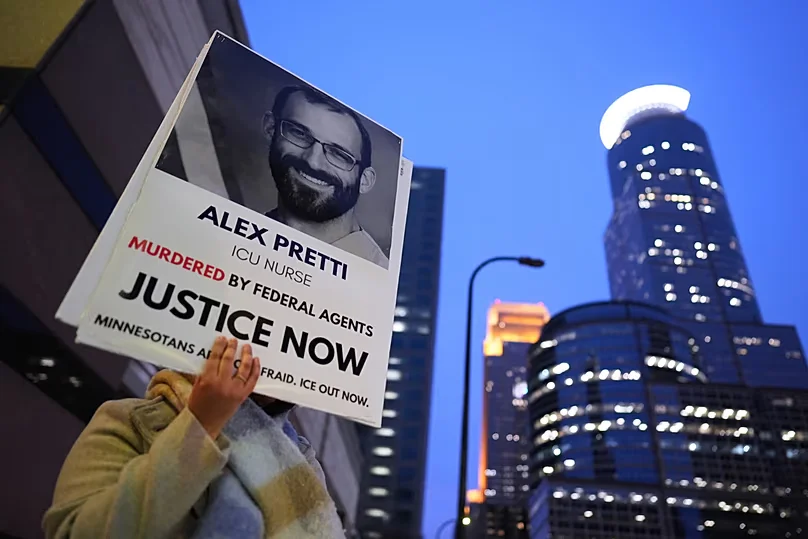
The departure of Bovino, who has been the most visible federal official leading “Operation Metro Surge” in Minnesota, follows two fatal shootings involving immigration officers, most recently the killing of 37-year-old ICU nurse Alex Pretti in south Minneapolis on January 24, 2026. Video footage from the encounter raised serious questions about the official account of events and helped fuel widespread protests and bipartisan calls for accountability.
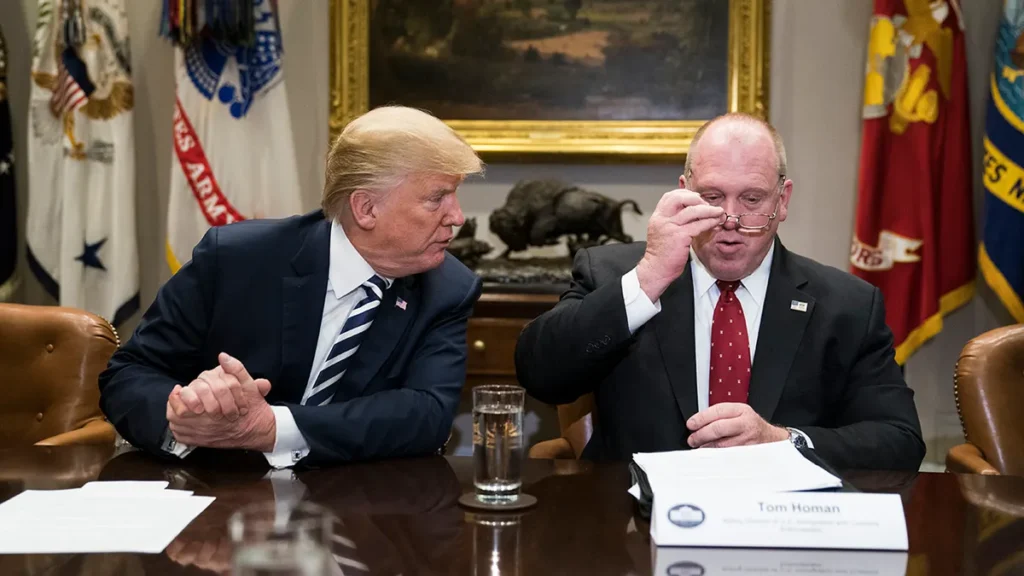
President Donald Trump agreed with Minnesota officials, including Governor Tim Walz and Minneapolis Mayor Jacob Frey, that the federal presence should be scaled back after clashes between agents and residents. Trump has replaced Bovino’s operational command with Tom Homan, his so-called “border czar,” to oversee ongoing immigration actions, a reshuffle the White House characterizes as part of efforts to de-escalate tensions while maintaining enforcement.
Political Backlash and Legal Implications
The decision to withdraw Bovino and some agents comes amid growing national criticism of immigration enforcement tactics. Local protests have intensified, and legal challenges questioning the federal deployment’s constitutionality are underway, including lawsuits alleging violations of Minnesota’s authority and civil liberties. A federal judge is reviewing claims that the operation oversteps federal powers under immigration law.
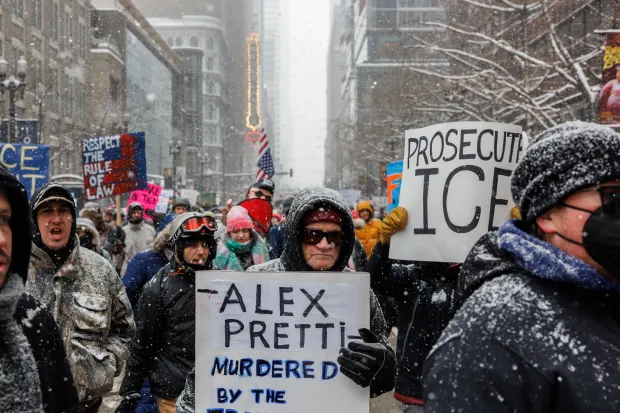
Both Democratic and Republican figures have weighed in. Governor Walz urged Trump to end the “occupation-like” surge, while local leaders condemned the deaths of American citizens and demanded independent investigations. Multiple states’ attorneys general have backed Minnesota’s legal push against the deployment.
Use of Force and Constitutional Limits
Under U.S. law, immigration enforcement authority is grounded in federal statutes, particularly the Immigration and Nationality Act (INA), which grants Immigration and Customs Enforcement (ICE) and Customs and Border Protection (CBP) broad powers to investigate immigration violations. However, those powers are not unlimited. Federal agents remain bound by the U.S. Constitution, including the Fourth Amendment’s protections against unreasonable searches and seizures and the Fifth Amendment’s due process guarantees.
The fatal shootings by federal agents in Minneapolis have triggered scrutiny under both constitutional and civil rights law. Courts have long held that lethal force by law enforcement is constitutionally permissible only when objectively reasonable and necessary to prevent an imminent threat to life, as articulated in cases such as Tennessee v. Garner and Graham v. Connor.
Where video evidence or eyewitness accounts cast doubt on official narratives, federal agents may face civil liability under Bivens-type actions, as well as potential criminal investigation. While immigration is a federal responsibility, large-scale operational deployments into cities without coordination with state or local authorities raise legal and political tensions.
States cannot nullify federal immigration law, but they retain police powers over public safety and law enforcement priorities. Courts have increasingly recognized that federal actions resembling “occupation-style” enforcement can trigger constitutional challenges when they interfere with local governance or result in disproportionate harm to civilians.
Administration’s Response and Wider Fallout
The administration’s response has been mixed. While the White House frames the leadership change as a strategic adjustment rather than a capitulation, critics see it as a partial retreat under public pressure. Trump’s decision to send Tom Homan signals an attempt to balance political fallout with continued tough enforcement messaging.
The situation has broader implications for U.S. immigration policy ahead of the 2026 elections, with federal enforcement tactics now central in national political debate. Public opinion indicators suggest growing skepticism toward aggressive immigration operations, with increasing support for reforms and oversight of agencies like ICE and Customs and Border Protection.
The Trump administration’s decision to scale back the Minneapolis operation and reassign leadership reflects not only political pressure but also legal risk exposure. Ongoing federal court reviews and civil rights investigations may shape how aggressively future administrations deploy immigration forces within U.S. cities.
Past Federal Enforcement Operations
During the Trump administration’s first term, large-scale ICE operations in cities such as Portland, Chicago, and New York similarly prompted lawsuits alleging constitutional violations and excessive use of force. In Portland (2020), federal agents’ deployment to protect federal buildings led courts to question the scope of federal policing powers absent clear statutory authorization.
More recently, border-state operations under both Republican and Democratic administrations have shown that enforcement actions perceived as militarized or detached from local oversight tend to provoke judicial scrutiny and political backlash. The Minneapolis case is distinctive because Border Patrol units, traditionally tasked with border enforcement, were deployed deep within the interior, blurring institutional roles and amplifying constitutional concerns.
The Minneapolis pullback signals that even robust federal immigration authority is constrained by constitutional law, public accountability, and federalism principles. Future administrations, regardless of party, are likely to face heightened scrutiny when deploying immigration forces in civilian urban settings, particularly where use-of-force incidents occur.
Timeline: Key Developments in the Anti-ICE Protests
January 7, 2026 – Renée Nicole Good is fatally shot by an ICE agent in Minneapolis during an enforcement operation, triggering immediate local protests.
January 8, 2026 – Protests spread after a separate federal shooting incident in Portland, Oregon, where two people were wounded during an immigration enforcement action.
January 10, 2026 – Tens of thousands of demonstrators march in Minneapolis as coordinated anti-ICE protests take place in cities across the United States, including Phoenix, Durham, and Washington, D.C.
January 11-12, 2026 – Clashes occur between protesters and federal agents in Minneapolis. Chemical irritants and non-lethal munitions are reported to have been used against crowds.
January 13, 2026 – Several federal prosecutors resign, citing concerns over the Department of Justice’s refusal to open a civil rights investigation into the Minneapolis shooting.
January 14, 2026 – A second shooting involving an ICE agent is reported in Minneapolis, where a Venezuelan national is wounded during an enforcement operation, intensifying protests and criticism.
January 16, 2026 – A federal judge in Minnesota issues an injunction restricting ICE and other federal agents from detaining or using force against peaceful protesters without reasonable suspicion of criminal activity.
January 17–18, 2026 – Federal officials signal readiness to escalate enforcement. About 1,500 active-duty U.S. troops are placed on standby amid warnings that the Insurrection Act could be invoked if unrest continues.
January 19, 2026 – The Department of Justice confirms it will not pursue a federal investigation into the ICE agent involved in the fatal shooting but announces inquiries into Minnesota state and city officials over alleged obstruction of federal enforcement.
January 20–23, 2026 — Economic Blackout Protest: Labor unions and community groups organize an economic blackout and demonstrations in Minneapolis against federal immigration enforcement and ICE tactics, drawing broad local support.
January 24, 2026 — Alex Pretti Killing: Federal immigration agents fatally shoot 37-year-old ICU nurse Alex Pretti during an immigration enforcement operation in Minneapolis, marking the second fatal shooting by federal agents in the city in weeks and sharply escalating tensions.
January 24–25, 2026 — Mass Protests and Clashes: Thousands of protesters gather in Minneapolis and spread to cities including New York, Los Angeles, San Francisco, and Boston, demanding accountability and the removal of ICE agents; clashes with law enforcement occur as federal agents use crowd-control measures.
January 25, 2026 — Judge Orders Preservation of Evidence: A federal judge issues a temporary restraining order requiring the Department of Homeland Security to preserve evidence related to the Pretti shooting after a legal challenge by Minnesota authorities focused on DHS’s handling of the scene.
January 25–26, 2026 — National Ripples: The protests and political response continue to grow, prompting broader debate over federal immigration enforcement and civil rights. Mass protests erupt across Minneapolis. City officials, civil rights groups, and members of Congress demand the withdrawal of federal agents and independent investigations.
January 26, 2026 — Minnesota state leadership formally objects to the federal deployment, citing public safety concerns and lack of coordination.
January 27, 2026 — President Trump signals a pullback, and Border Patrol Commander Gregory Bovino is reported to be leaving Minneapolis. Federal authorities announce leadership restructuring and operational reassessment.