
The UK faces a backlash from the public as outrage grows over the rising cost of asylum, with taxpayers paying the bill and provoking widespread criticism.

A new report exposes billions in asylum hotel contracts because of incompetence and supervision from officials at the Home Office. Members of the Home Affairs Committee called the current system inefficient and chaotic, warning that expenditure has risen uncontrollably. The cost for asylum accommodation contracts from 2019 to 2029 has increased from a rumored £4.5 billion to a staggering £15.3 billion.
Rising Costs and Lack of Accountability
The government’s reliance on hotels that are expensive to house asylum seekers has led to lucrative contracts for accommodation providers but has not held the taxpayers accountable.
The report reveals:
“Millions of pounds in excess profits are owed to the government by two accommodation providers, but the Home Office has yet to recover this money.”
Lady Karen Bradley, Chair of the Home Affairs Committee, said:
“urgent action is needed to lower the cost of asylum accommodation and address the concerns of local communities.”
She cautioned not to make:
“Undeliverable promises to appeal to popular sentiment, like the promise that it will end hotel use by 2029.”
Instead, ministers were urged to abandon short-term, reactive responses to focus on longer-term strategies.
Social Tensions and Controversies Over Migrant Hotels
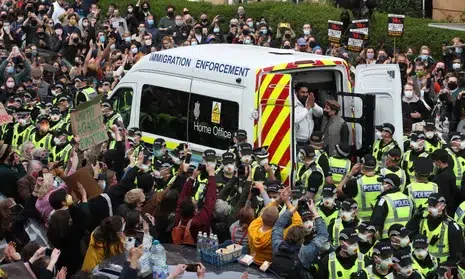
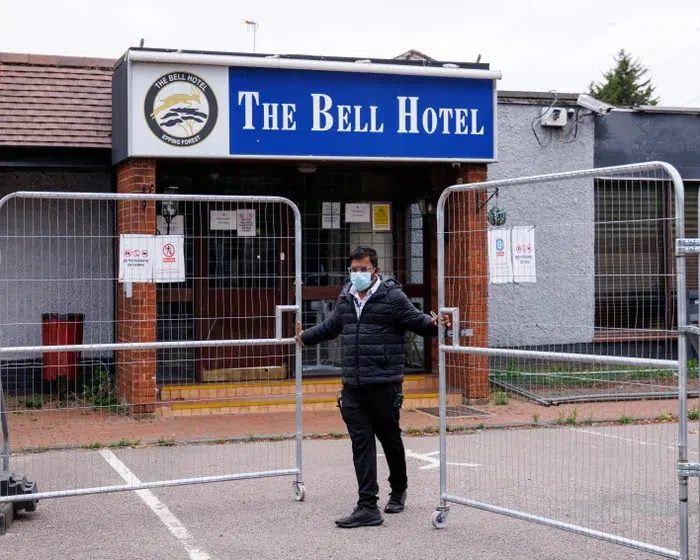
Migrant hotels became the focal point for protests by the community after an asylum seeker from Epping, Essex, sexually assaulted a 14-year-old girl. Epping council’s effort to block the hotel was unsuccessful after taking it through the High Court.
The judge, Dame Karen said:
“The Home Office has presided over a failing asylum accommodation system that has cost taxpayers billions of pounds.”
Scale and Regional Concentration of Asylum Accommodation
As of June 2025 about 103,000 people were sheltered at the Home Office as asylum seekers. While the number of people staying in hotels has decreased from the maximum, 32,059 were in hotels increasing year-on-year.
The South of England accommodates 60% of asylum seekers who are staying in hotels, as the contract value has soared from £0.7 billion at the end of 2019 and £7 billion today.
Pandemic and Policy Shifts Inflate Hotel Use
The spread of the pandemic and the growing asylum seekers backlogs have pushed the need for hotel rooms dramatically up starting in 2020. It was reported that the Home Office renegotiated contracts, placing a high priority on hotel rooms, as they are considerably more expensive than houses and flats that are multi-occupancy (HMOs).
The then-Home Secretary Yvette Cooper claimed that these contracts had been “signed in a rush in the summer of 2022,” highlighting the need for a more reactive approach to policymaking in the face of the increasing pressures. Hotel prices per person average £144.98 per night, compared to £23.25 in housing for dispersal.
The MPs concluded that hotel usage can:
“Become a widespread and embedded part of the asylum accommodation system.”
Oversight Failures and Rising Complaints
MPs have described Home Office oversight as “chaotic” and “incompetent,” leading to substantial costs for taxpayers.
Home Affairs Select Committee said:
“We find this incompetence unacceptable”
They also highlighted the absence of “basic elements of oversight” throughout the contracts.
Officials often lost track of who was operating services at the hotel. Freedom of Information requests have revealed hundreds of complaints from 2024 to the three providers Serco, Clearsprings, and Mears, which included 620 complaints to Serco in the sole instance.
The committee expressed concern about children being placed in adult-only accommodation because of inaccurate age assessment. They also advised against moving asylum accommodation to massive places like former military bases since they can be more expensive than hotels.

Advocacy Groups Demand Reform
Enver Solomon, the CEO of the Refugee Council, affirmed:
“Everyone agrees that the Home Office’s reliance on hotels is a serious failure: they cost the taxpayer billions, unfairly trap people in limbo, and have become a lightning rod for division.”
He said:
“Hotels are particularly unsuitable for children and vulnerable people, who need responsible safeguarding.”
Sile Reynolds of Freedom from Torture urged the government to:
“Act now to relieve pressure on hotels by making better quality and faster asylum decisions, including swiftly granting status to people from countries where they are almost always recognised as refugees, like Syria and Sudan.”
Home Office Responds With Promises to Cut Costs
An Home Office spokesperson said:
“The government is enraged by the number of illegal immigrants throughout the country and in hotels. This is the reason we are going to shut down every asylum hotel, saving taxpayers hundreds of millions.”
The spokesperson also said:
“We have already taken action – closing hotels, slashing asylum costs by nearly a billion pounds and exploring the use of military bases and disused properties.”
Future Policy Options to Address Asylum Accommodation Challenges
To curb the soaring costs and systemic inefficiencies revealed in the Home Affairs Committee’s report, several policy directions merit consideration:
- Expanding Dispersal Housing
- Streamlining Asylum Decision-Making
- Improved Contract Oversight and Accountability
- Exploring Alternative Accommodation Models
- Safeguarding Vulnerable Populations
- Political and Community Engagement